The final quarter of 2022 marked a period of extensive operational and structural transformation for Meta Platforms, Inc. Spanning the October-to-December window, the technology conglomerate rolled out an array of major updates designed to alter how global brands, small businesses, and content creators interact with its core ecosystems—Facebook and Instagram. These updates spanned new Reels and Groups functionalities, streamlined advertising interfaces, critical brand safety milestones, and aggressive investments in machine learning automation. As digital marketers transitioned from the operational close of 2022 into the strategic planning cycles of 2023, the platform environment became markedly more automated, emphasizing short-form video discovery, direct-response communication, and robust third-party verification standards.
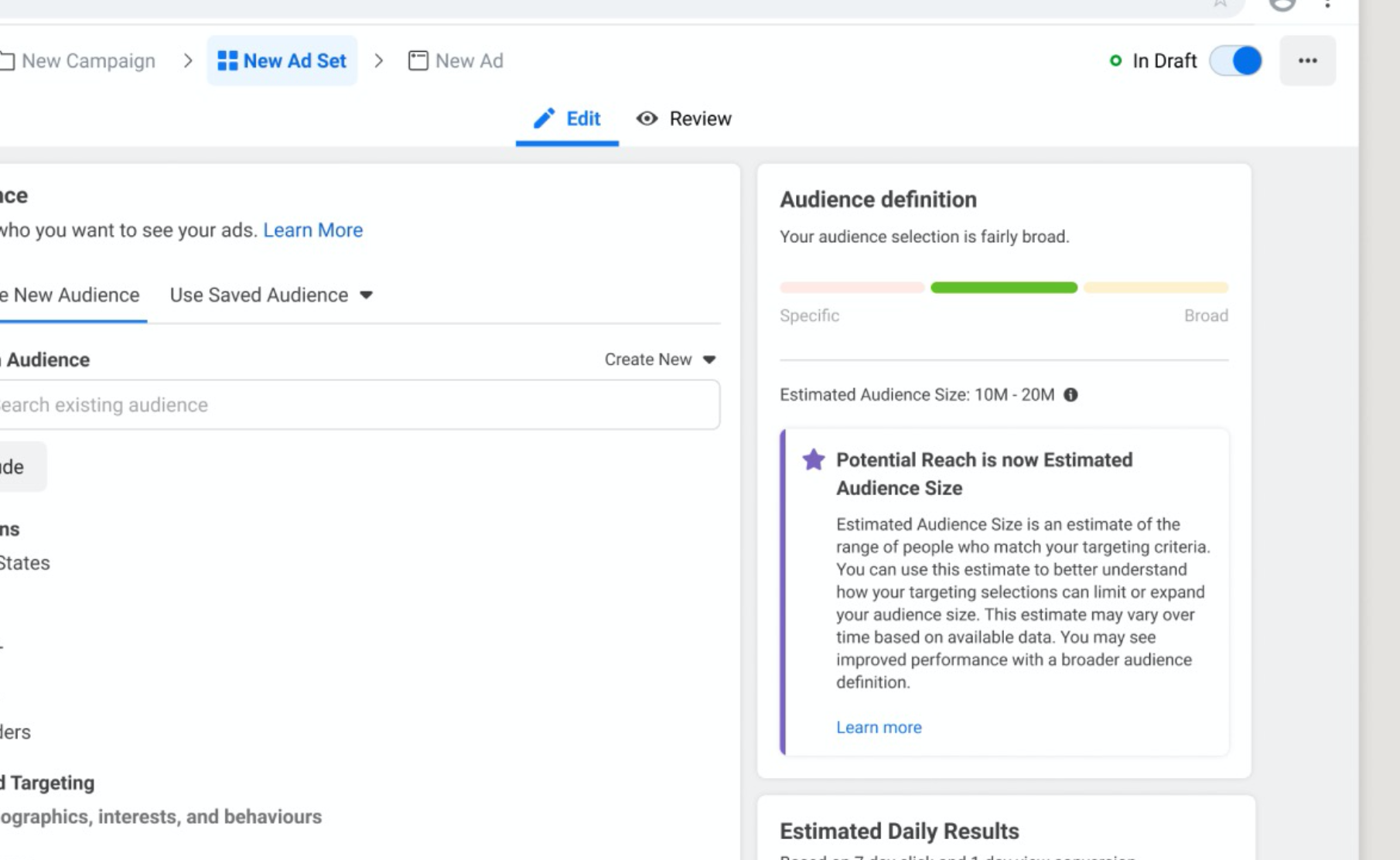
Navigating the shifting landscape of social media advertising often presents complex challenges for brands attempting to maximize return on investment (ROI). To mitigate these operational hurdles, Meta periodically releases empirically grounded best-practice reports derived from internal platform data. In December 2022, Facebook published a definitive guide aimed at optimizing campaign performance through systematic structural adjustments, aligning advertiser bidding strategies with the platform’s proprietary machine learning frameworks. This analytical release underlined the necessity of adopting automated solutions to maintain competitive ad efficiency amid tightening privacy regulations and evolving consumer habits across international markets.
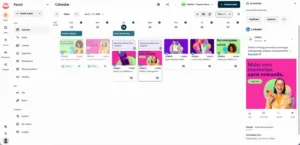
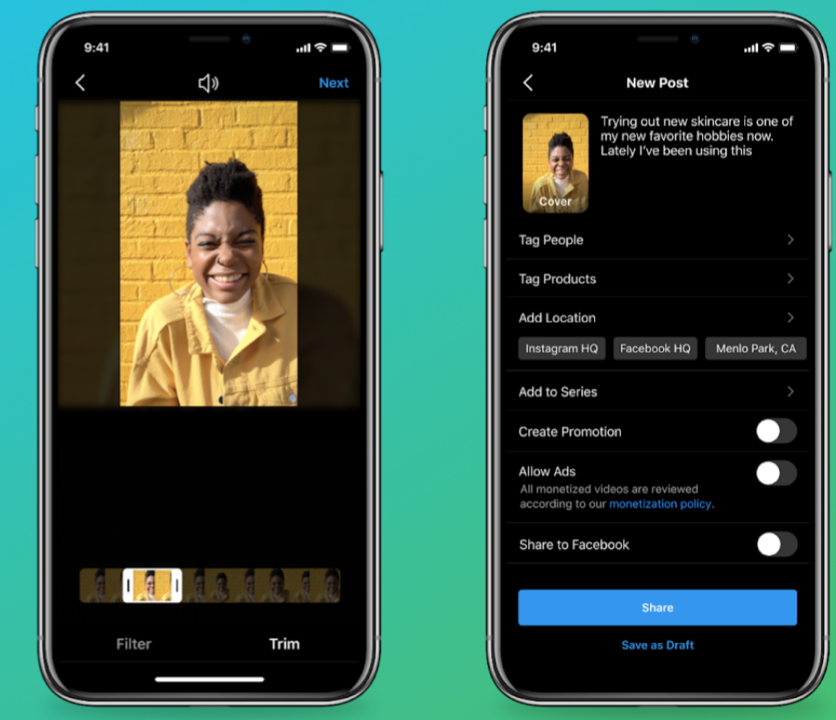
Simultaneously, the platform addressed longstanding workflow demands from creators and enterprises by introducing native content scheduling directly within the Instagram mobile application. Previously, robust scheduling capabilities were largely restricted to desktop environments or third-party enterprise tools. With the deployment of this native functionality, eligible Business and Creator accounts gained the capacity to schedule static photos, carousel posts, and Reels up to 75 days in advance directly from iOS and Android devices.
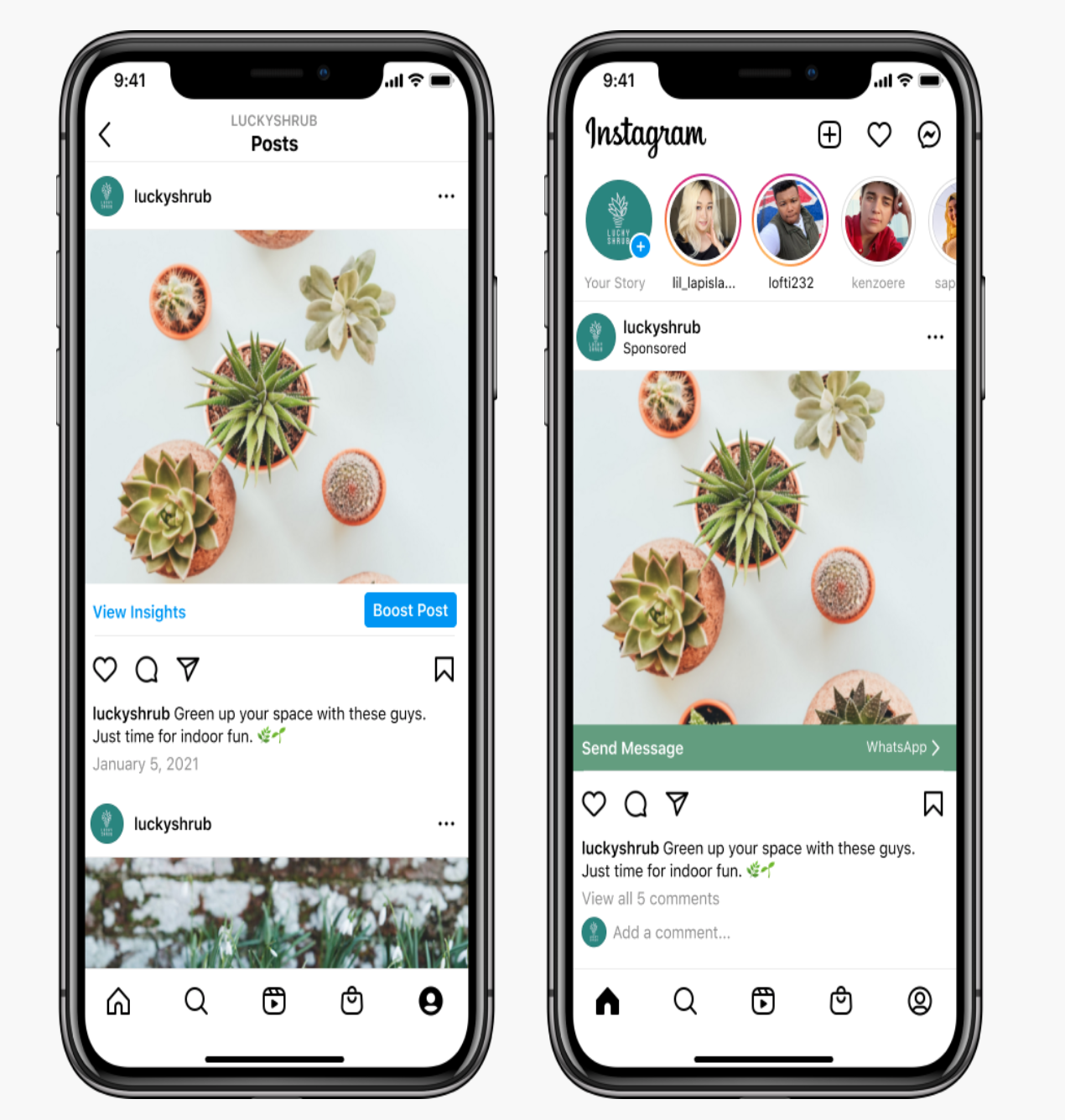
While this advancement streamlined mobile content planning, technical limitations remained. Key features such as product tagging, cross-platform publishing to Facebook, and promotional boosting cannot be natively automated during the initial scheduling phase and require manual application post-publication. Nevertheless, the integration of advanced scheduling tools underscores Meta’s sustained commitment to reducing friction in content management workflows.
Strategic Implications and The 2023 Meta Road Map
Analyzing the cumulative trajectory of Facebook and Instagram updates throughout 2022 provides a clear baseline for projecting platform evolution into 2023. Industry analysts and digital strategists have identified four primary pillars that defined Meta’s operational focus: the perpetual expansion of Reels, the strengthening of Facebook Groups for commercial communities, the aggressive scaling of Advantage+ automated advertising suites, and heavy, uninterrupted capital expenditure directed toward the nascent metaverse.
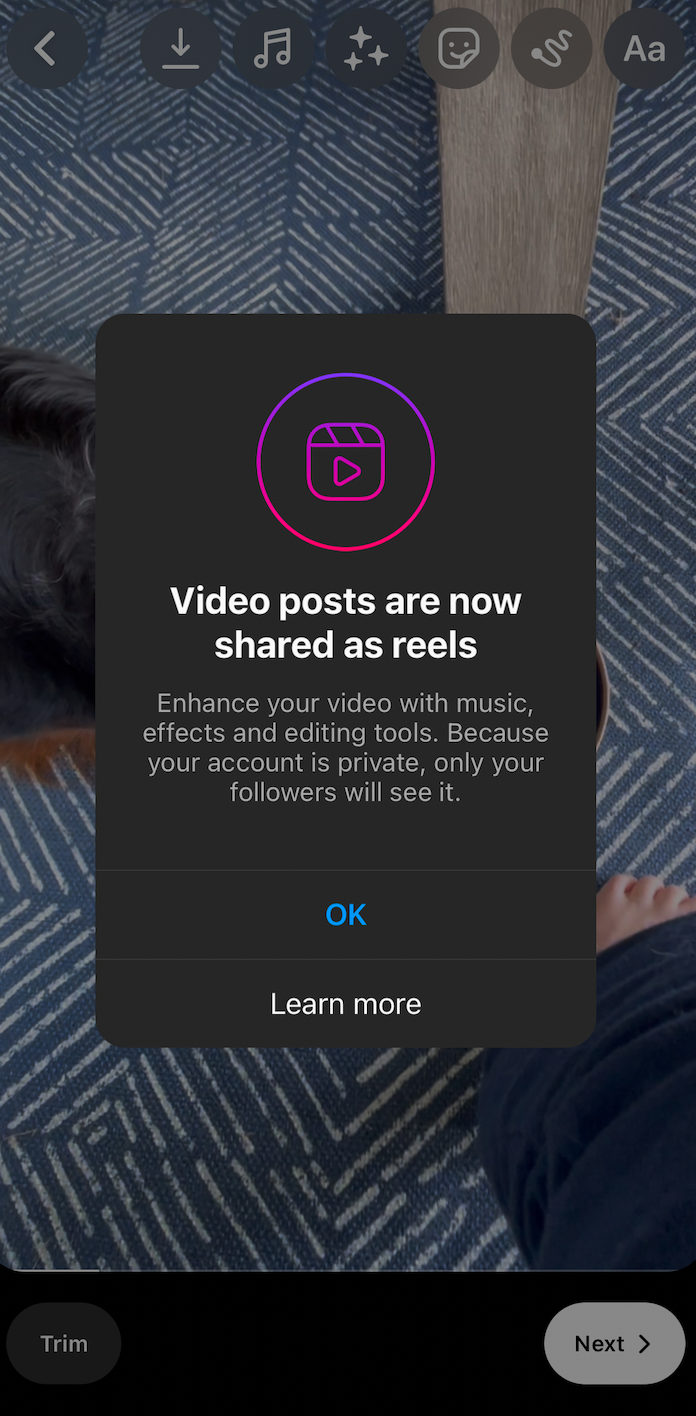
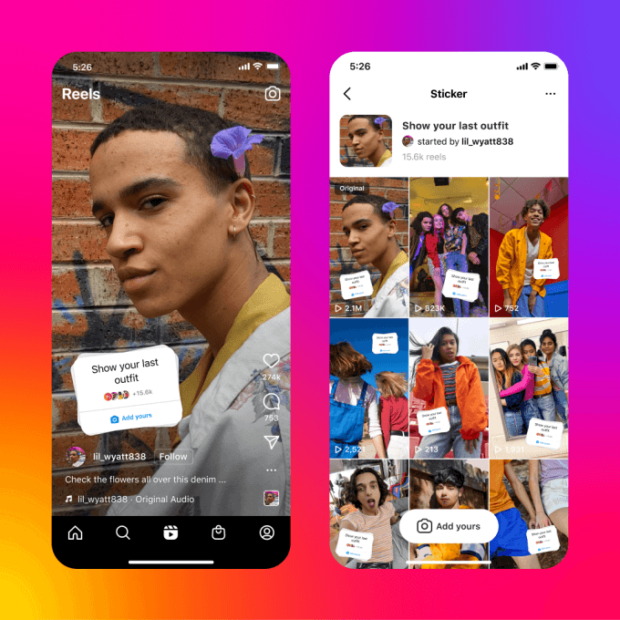
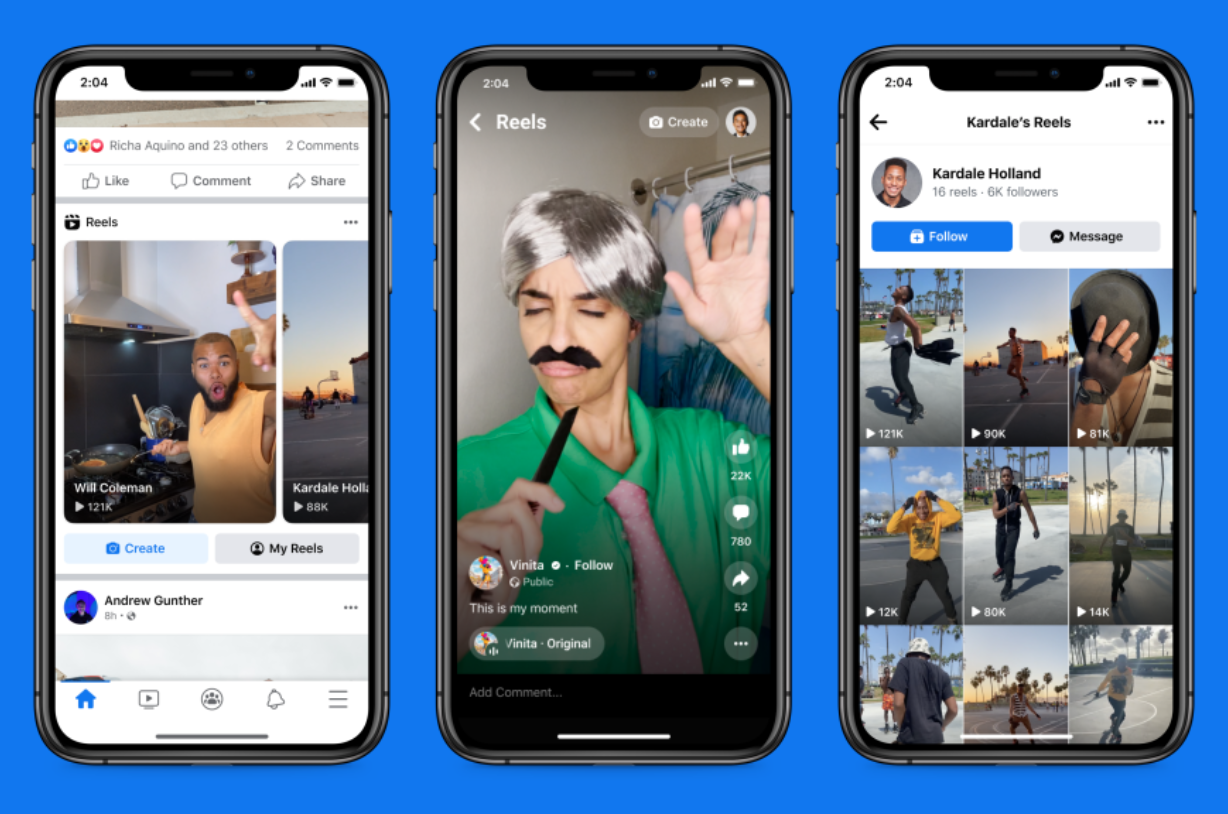
Short-form video content, operationalized primarily through Reels, transitioned from an experimental format to a primary driver of user engagement, traffic acquisition, and monetization. Mirroring the historical lifecycle of Instagram Stories, Reels established itself as a cornerstone of algorithmic discovery. Consequently, Meta dedicated significant resources throughout 2022 to embedding Reels across secondary surfaces, introducing native scheduling, launching specialized ad formats like Reels Overlay Ads, and opening application programming interfaces (APIs) to allow third-party social media management software to govern short-form publishing and analytics. Industry consensus indicates that Reels will remain the central focal point for product development, bridging user entertainment with localized and global eCommerce experiences.

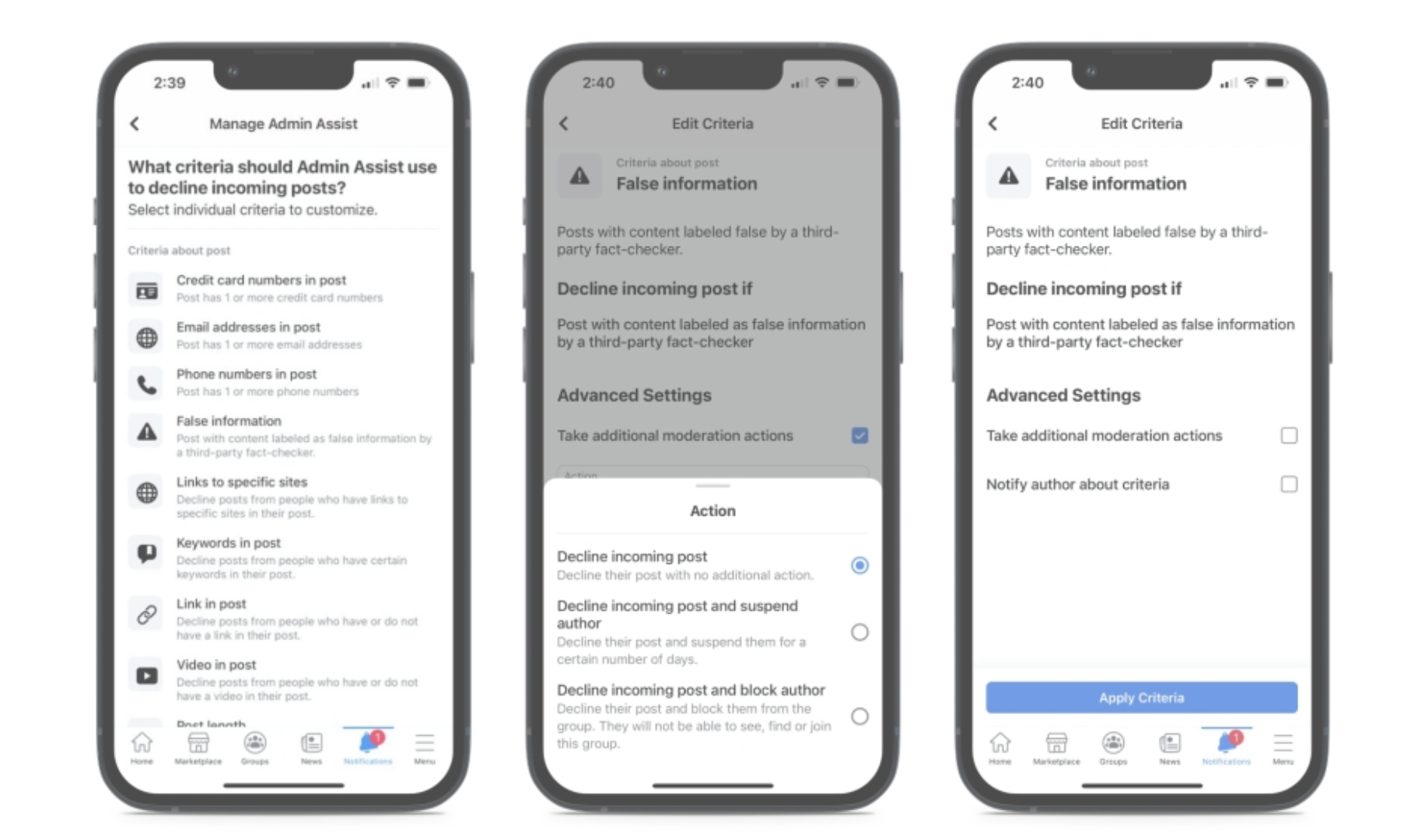
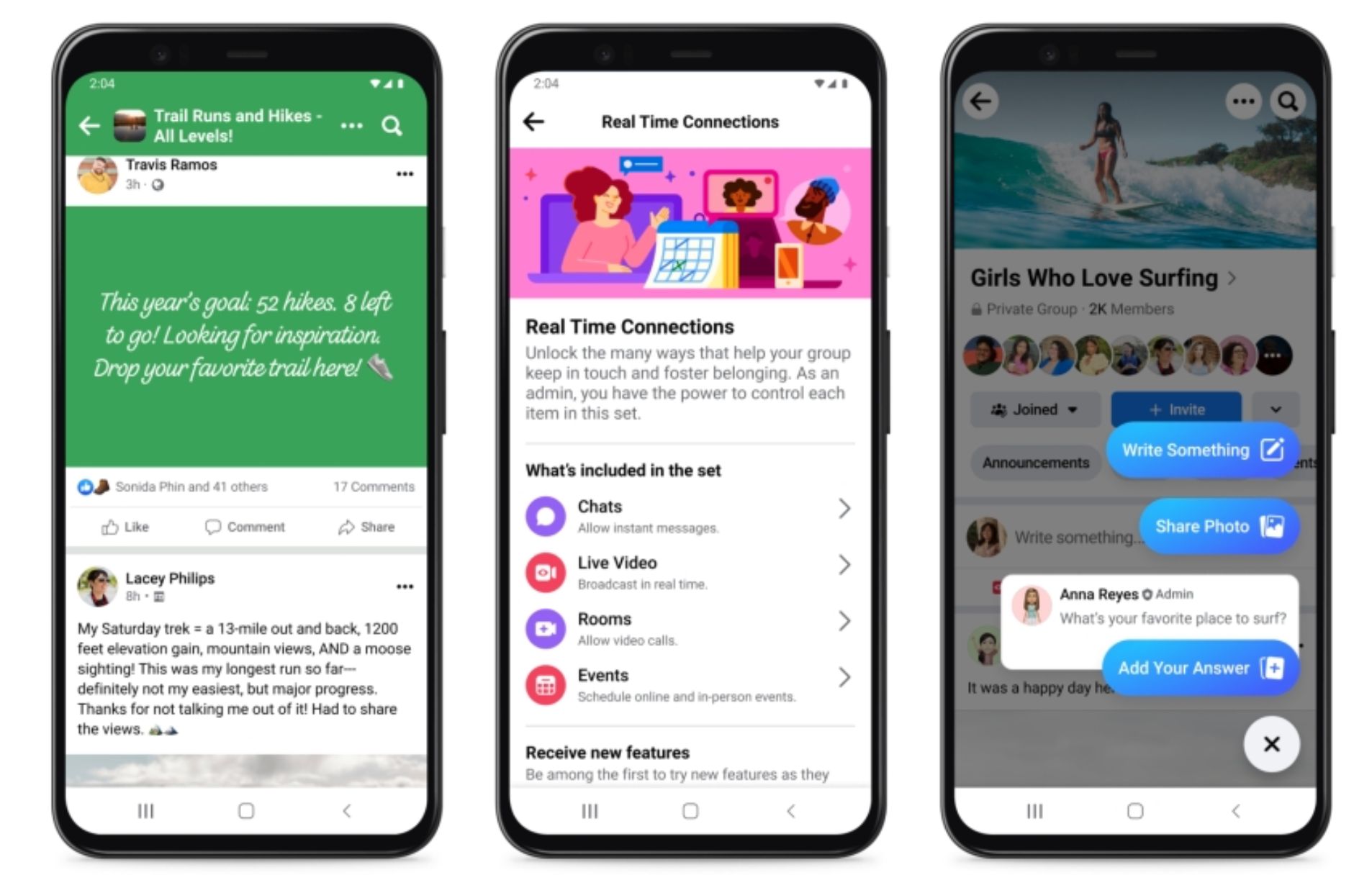
Concurrently, Facebook Groups solidified their status as premier digital spaces for community building, networking, and interest-based engagement. Meta’s introduction of advanced moderation tools, subscription-based monetization models for group administrators, and enhanced algorithmic visibility in user newsfeeds signaled an explicit invitation for commercial entities to leverage community marketing. Analysts project that Meta will continue refining group administration tools in 2023 to incentivize business adoption and deeper audience retention.
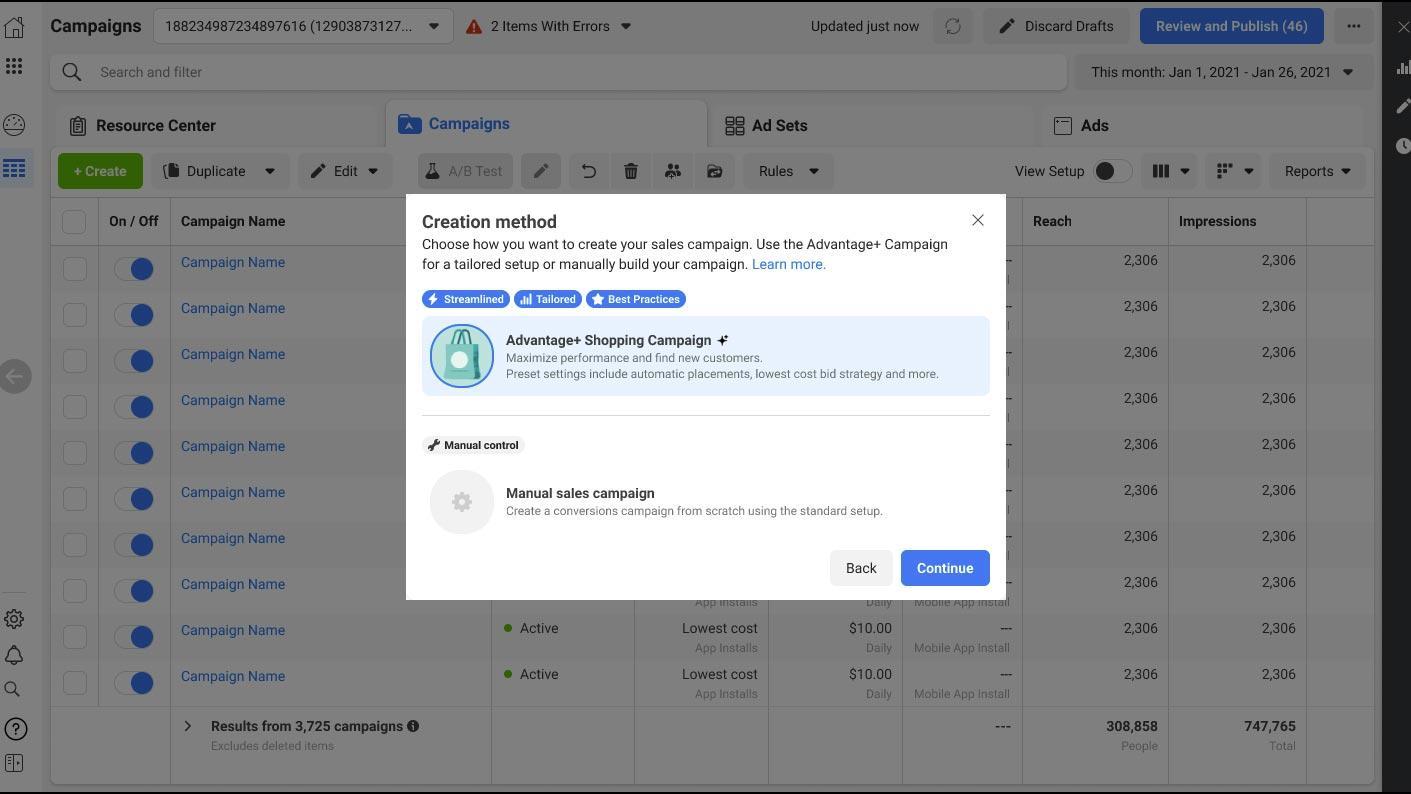
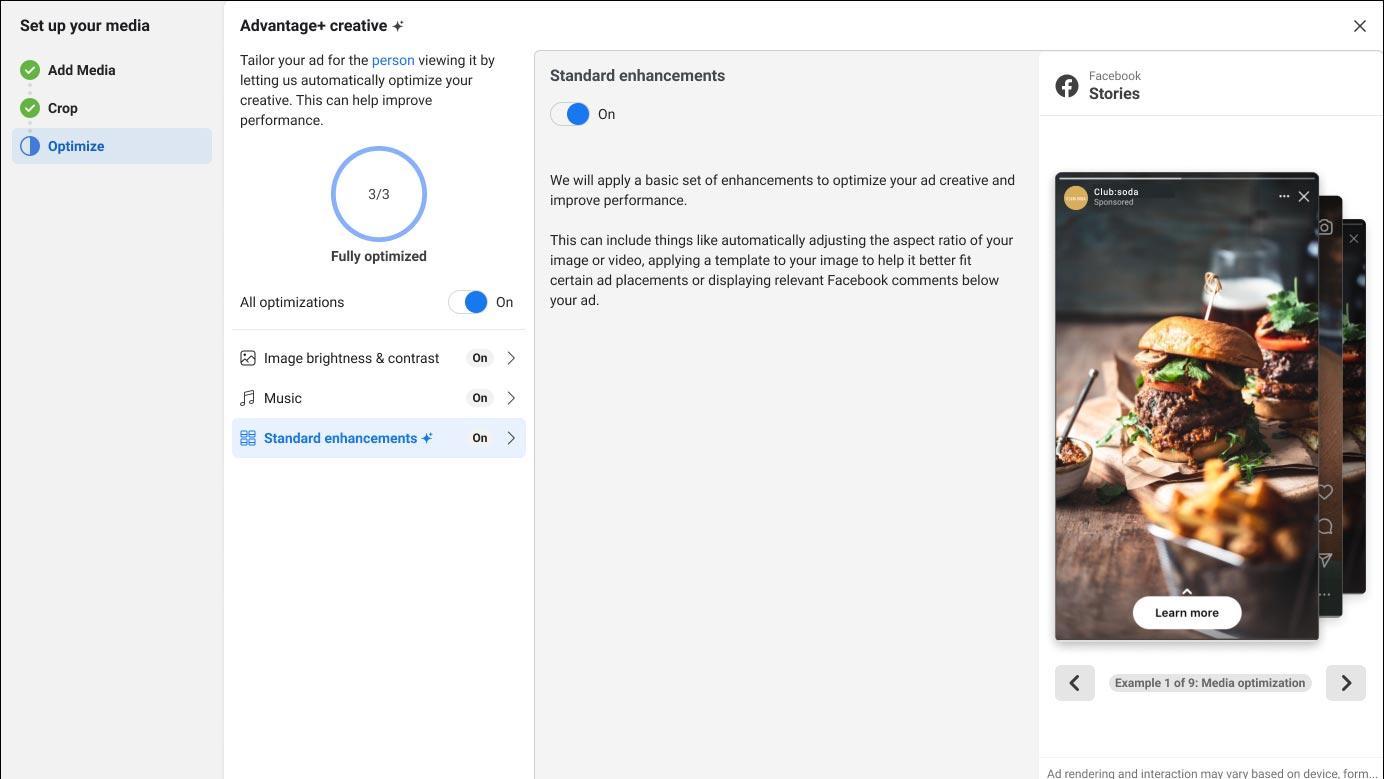
On the advertising front, the deployment of Advantage+ automated campaigns represented a generational shift in how campaigns are constructed and optimized. By harnessing advanced machine learning algorithms to automate targeting, creative placement, and budget allocation, Advantage+ Shopping campaigns demonstrated significant cost-efficiency gains during benchmark testing. Advertisers utilizing these automated suites experienced reduced cost-per-acquisition metrics compared to traditional manual campaign setups. Meta’s overarching strategy centers on stripping away manual ad creation friction, compelling advertisers to delegate optimization tasks entirely to the platform’s proprietary algorithms.

Simultaneously, CEO Mark Zuckerberg’s multi-billion-dollar financial commitment to the metaverse—exceeding $36 billion by late 2022—demonstrated an unwavering corporate focus on virtual and augmented reality infrastructure. Despite sluggish commercial adoption of consumer-facing VR hardware and virtual worlds like Horizon Worlds, Meta continued to lay foundational economic frameworks, introducing developer monetization options and remote collaboration tools such as Horizon Workrooms. This long-term bet remains a core component of the corporate vision, even as near-term profitability pressures force strategic optimization across traditional advertising sectors.
Brand Safety Milestones and Evolving Regulatory Compliance
As digital platforms face intense global scrutiny regarding content moderation, brand suitability, and intellectual property protection, Meta achieved a significant operational milestone in late 2022. In November, the Media Rating Council (MRC) officially granted accreditation to Meta for content-level Brand Safety on Facebook. This accreditation followed rigorous independent audits of Meta’s internal policies, Partner Monetization frameworks, Content Monetization rules, and associated suitability controls applied to Instant Articles and In-Stream video across desktop, mobile web, and mobile app environments.
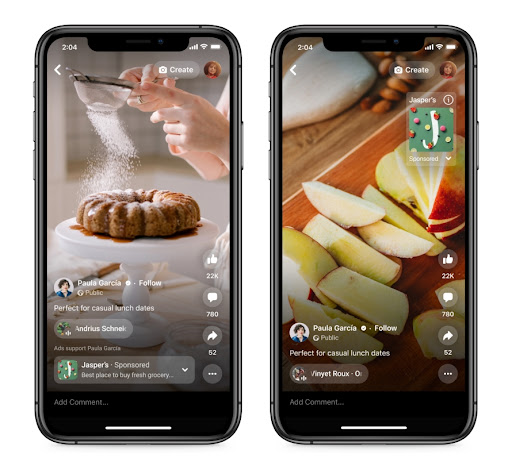
To complement this accreditation, Meta initiated tests on content-based inventory filters across both Facebook and Instagram feeds, signaling an ongoing effort to align algorithmic ad placement with corporate brand suitability preferences. These developments are directly tied to the broader regulatory landscape, which has increasingly demanded accountability from technology giants regarding data privacy, political advertising transparency, and the propagation of online misinformation.
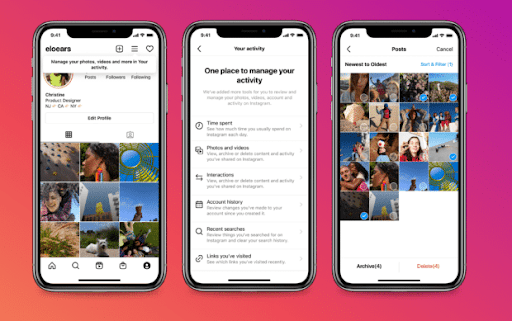
Intellectual property rights also received heightened institutional focus through the introduction of the IP Reporting API and enhancements to Brand Rights Protection tools within Business Manager. Designed to combat unauthorized content replication, trademark violations, and counterfeit merchandise proliferation, these automated reporting interfaces empower copyright holders to safeguard original digital assets efficiently. Furthermore, regulatory compliance measures concerning social, political, and electoral advertising were expanded with the scheduled integration of targeting summaries into the Ad Library, granting vetted academic researchers authorized access to study systemic political communication while preserving individual user privacy.
Advancements in Social Commerce and Direct-Response Messaging
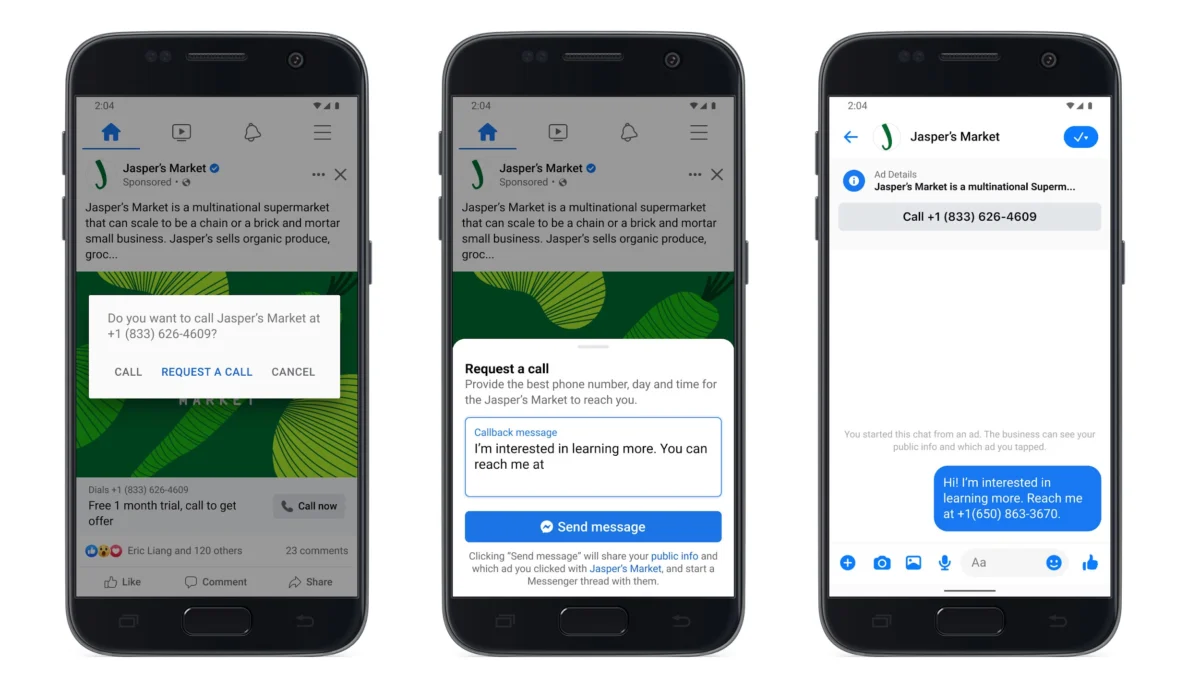
The intersection of conversational commerce and digital payments formed another major vector of platform development throughout 2022. Recognizing that a substantial percentage of consumers prefer direct communication channels to resolve purchase inquiries, Meta systematically integrated messaging protocols across Facebook, Instagram, and WhatsApp.
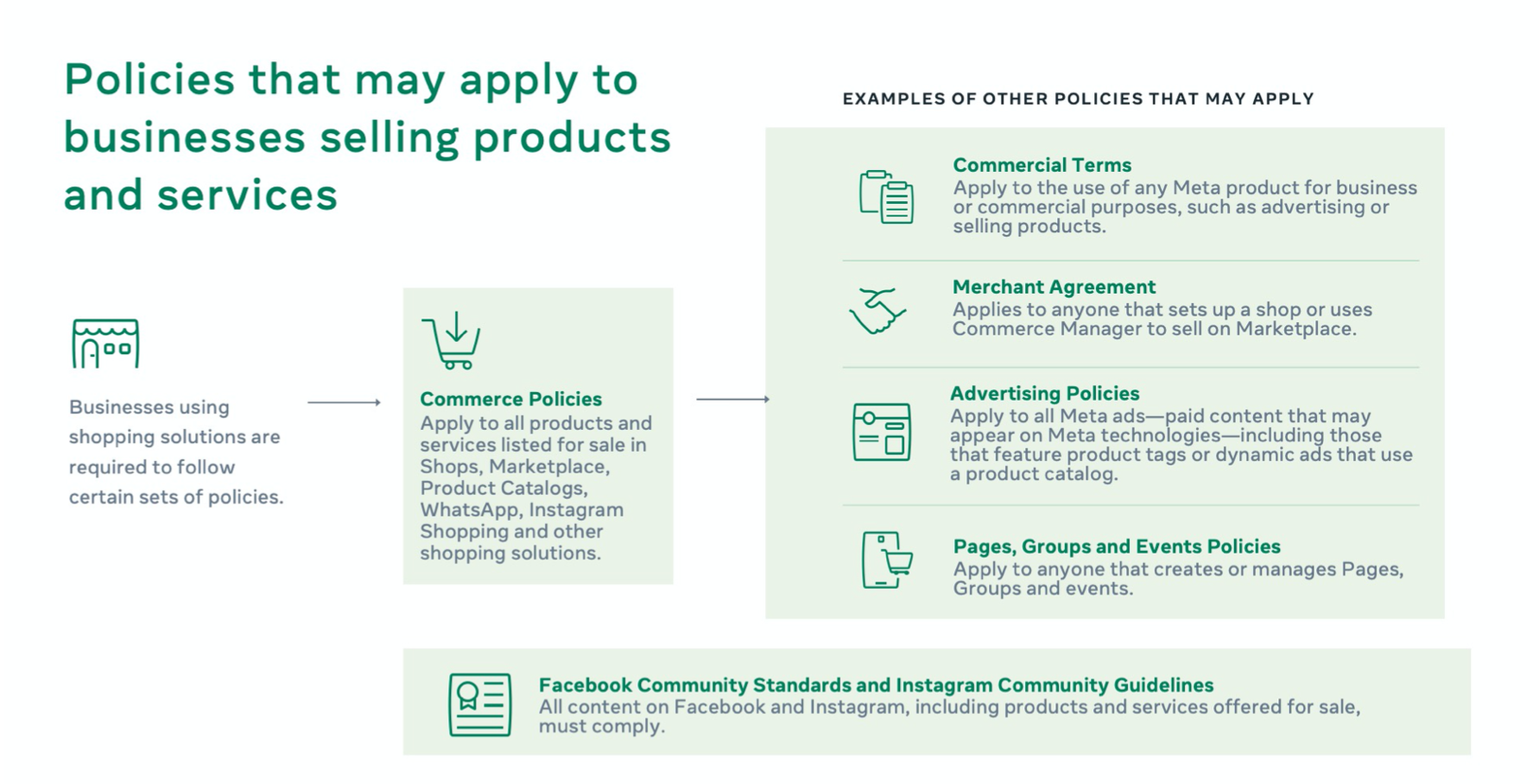
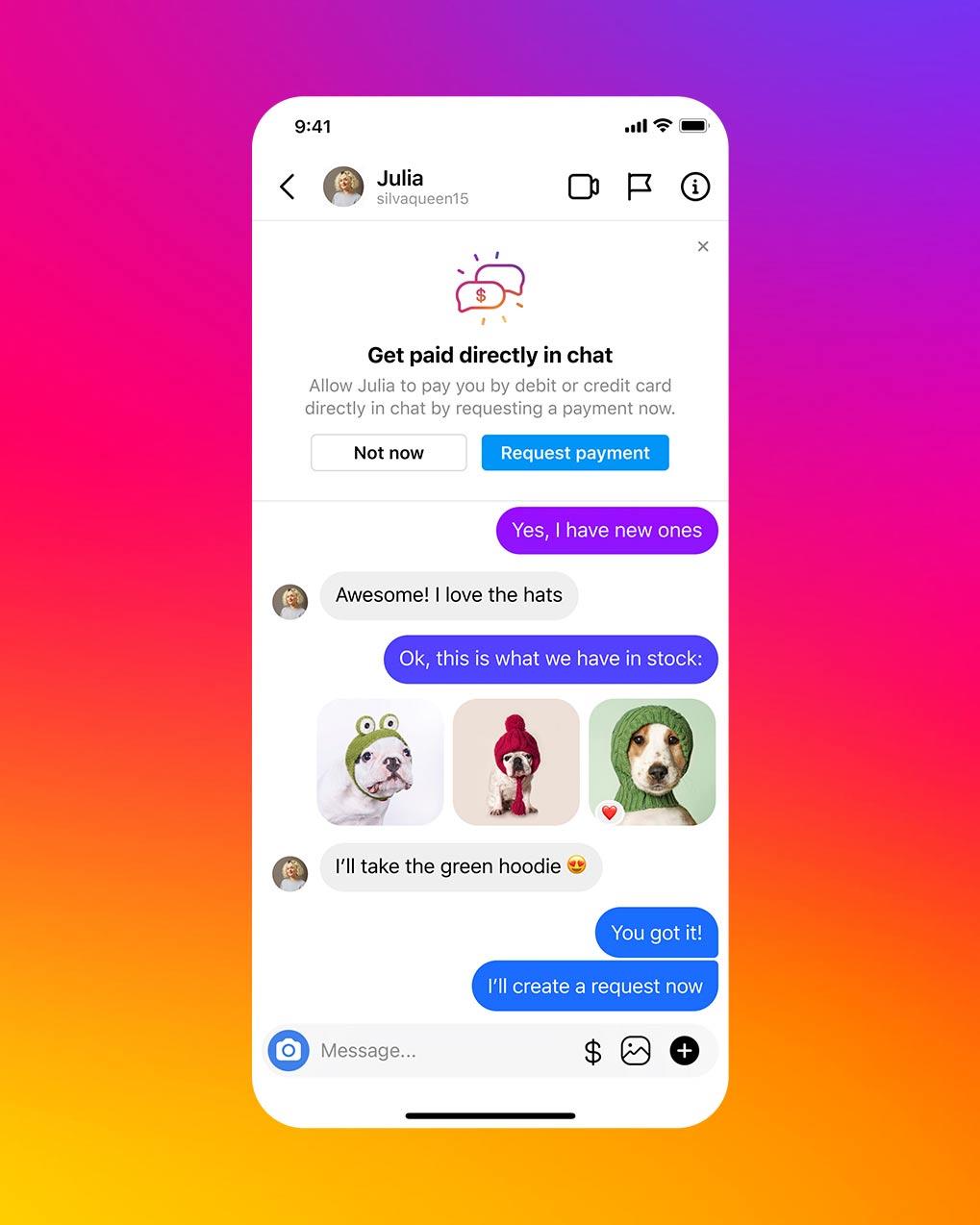
The introduction of native payment capabilities within Instagram Direct Messages (DMs) represented a major leap forward for social commerce. Eligible sellers utilizing professional accounts gained the operational ability to manage transactions, issue invoices, and collect payments directly inside chat threads without forcing customers to navigate away to external web browsers. Supported by secure third-party mechanisms including Meta Pay, PayPal, and major credit cards, this frictionless checkout flow significantly shortened the conversion funnel.
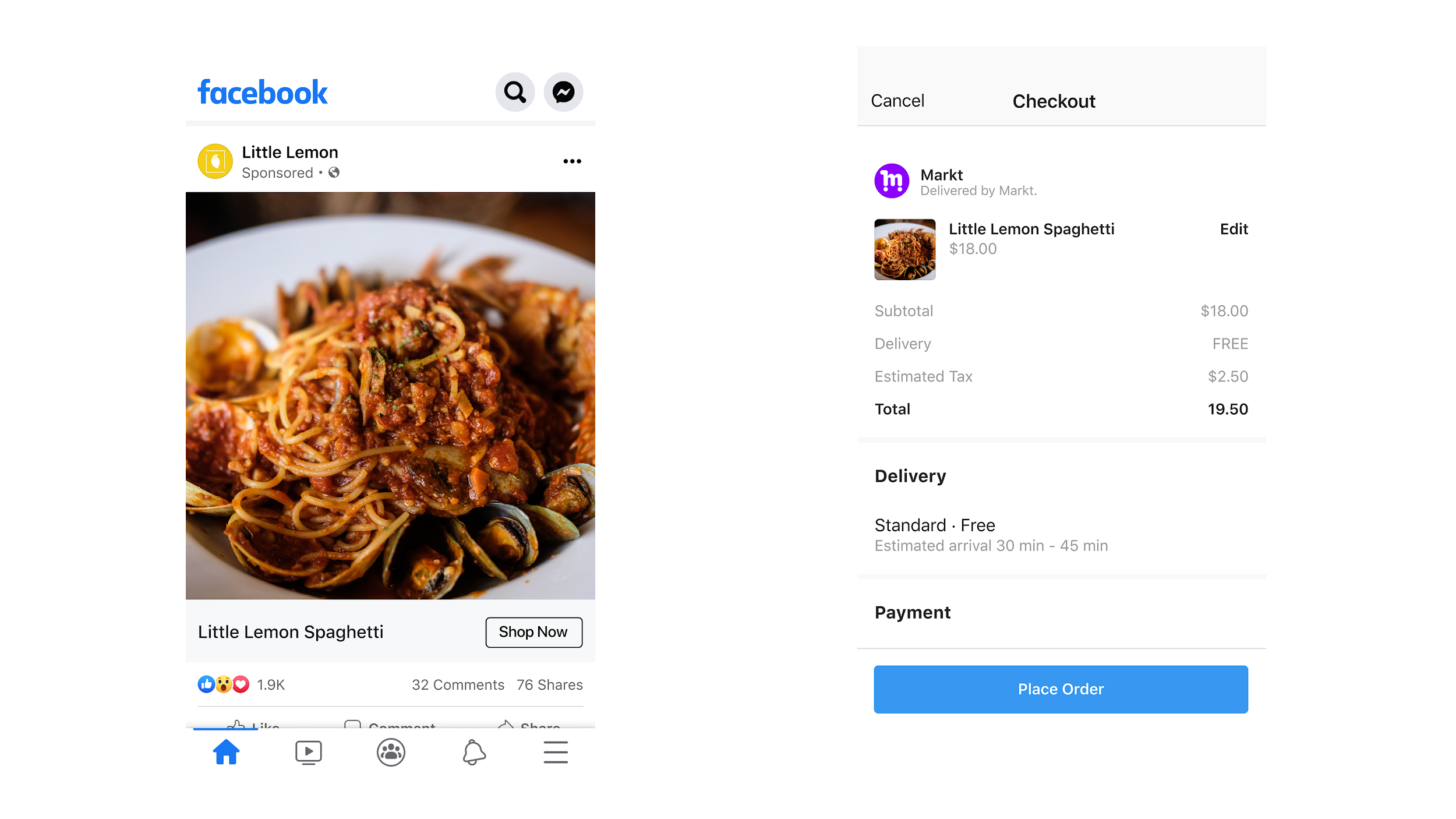
Concurrently, the global rollout of local delivery options for Collaborative Ads provided grocery stores, restaurants, and consumer packaged goods brands with hyper-localized discovery and fulfillment pathways. By displaying real-time inventory and pricing linked directly to local delivery services, Meta bridged the gap between digital discovery and immediate local conversion.
Furthermore, the integration of WhatsApp messaging into the unified Meta Business Suite inbox enabled centralized conversation management, streamlining customer service operations for small and medium-sized enterprises. The testing of inbox promotional messages—restricted to strictly opt-in audiences—provided brands with a compliant, high-retention channel for direct outreach, contrasting sharply with traditional outbound spam methodologies.
Platform-Specific Feature Rollouts: Instagram and Facebook
Throughout the second half of 2022, Instagram introduced several creative and functional updates designed to maximize user retention and creator monetization. Among the most notable was the rollout of native music integration for in-feed photo posts, allowing users to attach up to 90 seconds of licensed audio to static images. This feature successfully bridged an expressive gap previously exclusive to Reels and Stories, granting static content a dynamic dimension to capture audience attention.
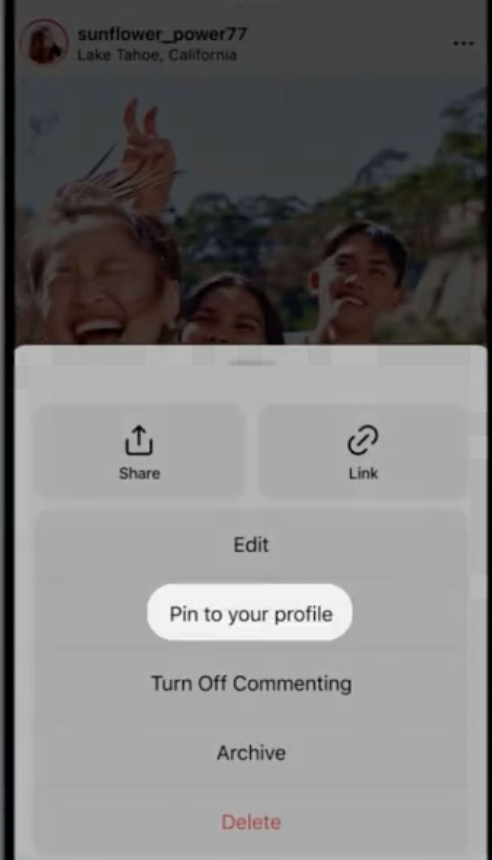
Other notable Instagram updates included the official launch of grid-post pinning (allowing profiles to anchor up to three high-value posts or Reels to the top of their grid), expanded content scheduling capabilities up to 75 days in advance, and the wider geographic rollout of the Instagram Creator Marketplace. The Marketplace streamlined the brand-influencer partnership pipeline by integrating targeted discovery filters, campaign briefing tools, and communication dashboards into a single ecosystem.
Concurrently, Facebook restructured its personalized service units, rebranding traditional "Facebook Marketing Experts" as the "Meta Pro Team" to deliver tailored technical and strategic support to small businesses navigating automated ad environments. Simultaneously, older legacy features, such as Facebook Live Shopping, were formally sunsetted in October 2022 to realign corporate resources with the surging popularity of short-form vertical video formats.
Market Implications for Advertisers and Digital Strategists

The cumulative body of platform updates deployed by Meta throughout 2022 signals a definitive evolution in digital marketing strategy. The era of manual, hyper-targeted micro-segmentation is rapidly giving way to machine learning-driven automation. For enterprise brands and small-to-medium businesses alike, operational success on Meta’s platforms increasingly hinges upon embracing algorithmic ad structures such as Advantage+, mastering short-form vertical storytelling via Reels, and capitalizing on conversational commerce tools that facilitate immediate, in-app transactions.
As the industry navigates the post-iOS 14 regulatory reality—characterized by restricted third-party data tracking and heightened emphasis on user privacy—Meta’s investments in first-party data solutions, conversational messaging, and verified brand safety provide a resilient foundation for sustainable customer acquisition. Digital marketers heading into 2023 must pivot away from legacy manual workflows, opting instead for integrated, automated, and mobile-first methodologies designed to align with Meta’s deeply consolidated infrastructural vision.