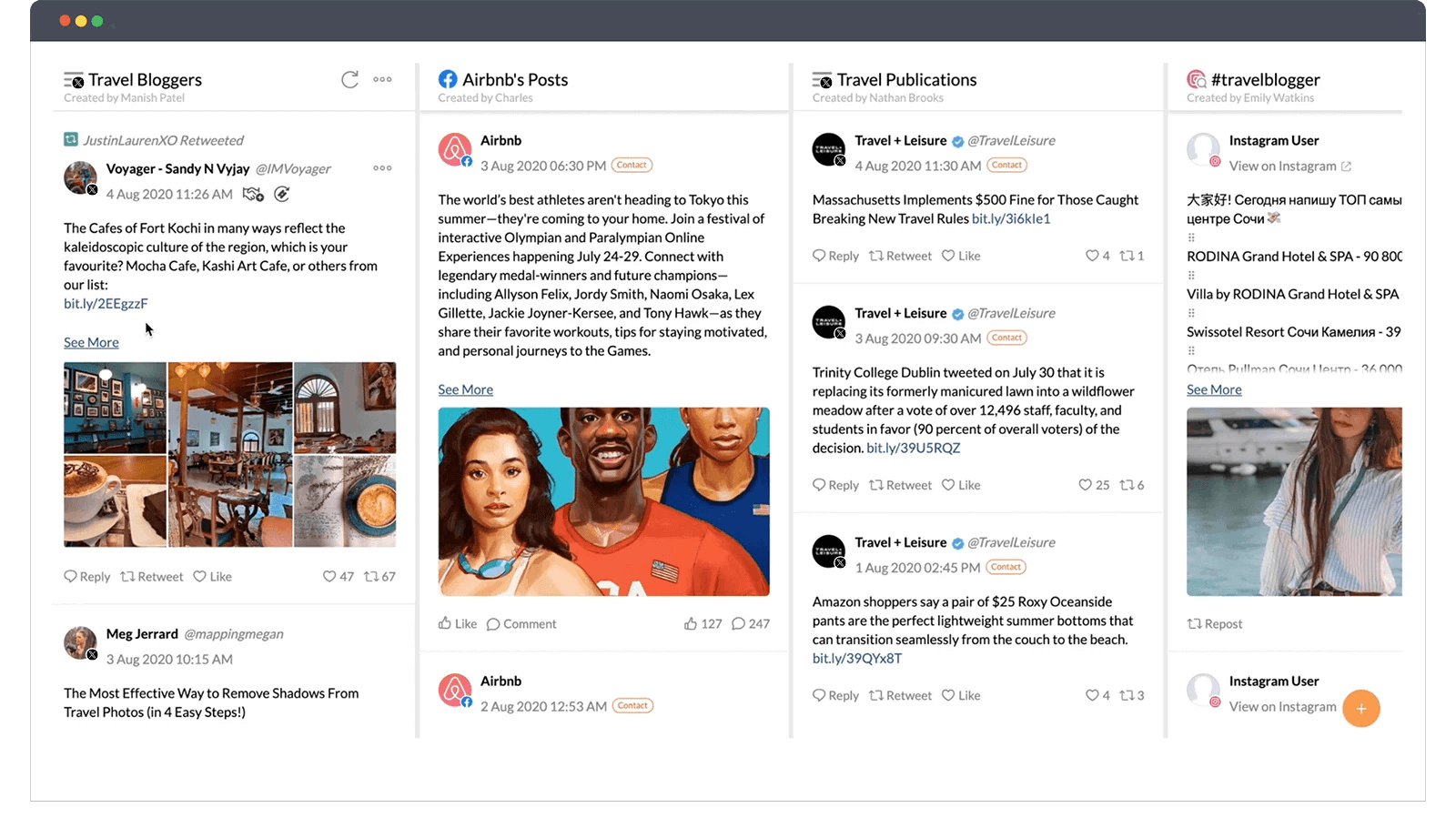
Managing a multi-platform social media strategy in 2026 has evolved from a simple task of posting content into a complex operation requiring the integration of artificial intelligence, real-time analytics, and cross-departmental collaboration. As digital landscapes become more fragmented—with new platforms emerging alongside established giants—the burden on creators, small business owners, and enterprise marketing teams has reached an all-time high. The modern social media manager must now juggle content repurposing, trend forecasting, community management, and granular data analysis simultaneously. To mitigate this, specialized software has become the backbone of the digital marketing industry, offering unified dashboards that consolidate fragmented workflows into single, manageable interfaces.
The Evolution of Social Media Management Infrastructure
The trajectory of social media management tools has shifted significantly over the past decade. Initially, these platforms functioned merely as automated scheduling calendars. Today, they have transformed into "command centers." This shift was catalyzed by the rise of short-form video, the saturation of social channels, and the increasing demand from stakeholders for tangible return on investment (ROI) data.

Industry analysis indicates that businesses using integrated management platforms report a 30 to 40 percent increase in operational efficiency, primarily due to the reduction in time spent manually logging into individual platform interfaces. Furthermore, the integration of AI-driven sentiment analysis and automated response workflows has enabled brands to maintain a 24/7 presence, even with leaner teams.
Comparative Analysis of Leading Management Platforms
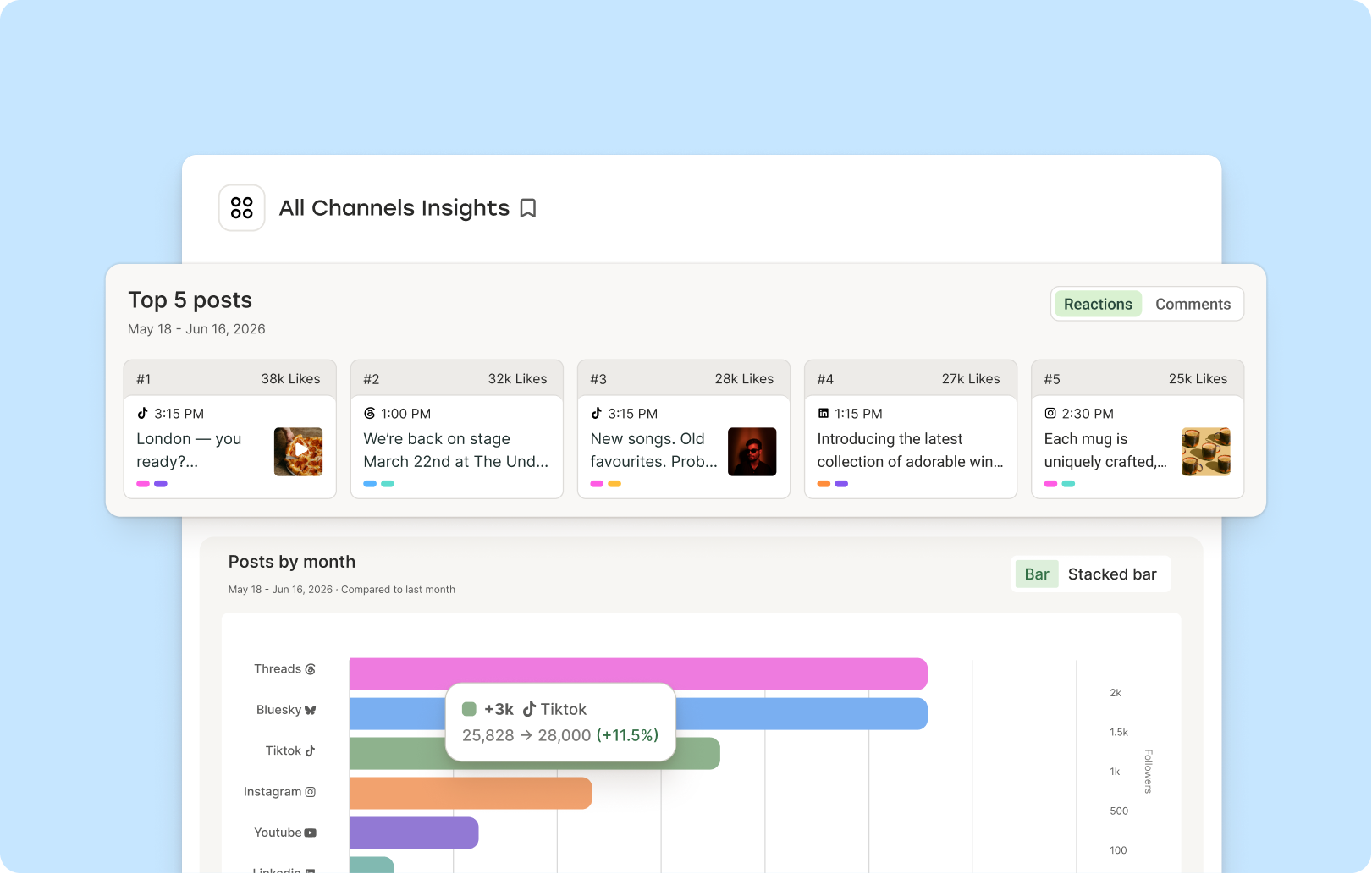
The current market offers a spectrum of solutions ranging from lightweight tools for individual creators to enterprise-grade suites for multinational corporations. As of August 2026, the landscape is defined by the following eleven industry-leading tools, each serving distinct functional requirements.
Buffer: Optimized for Creators and Small Teams
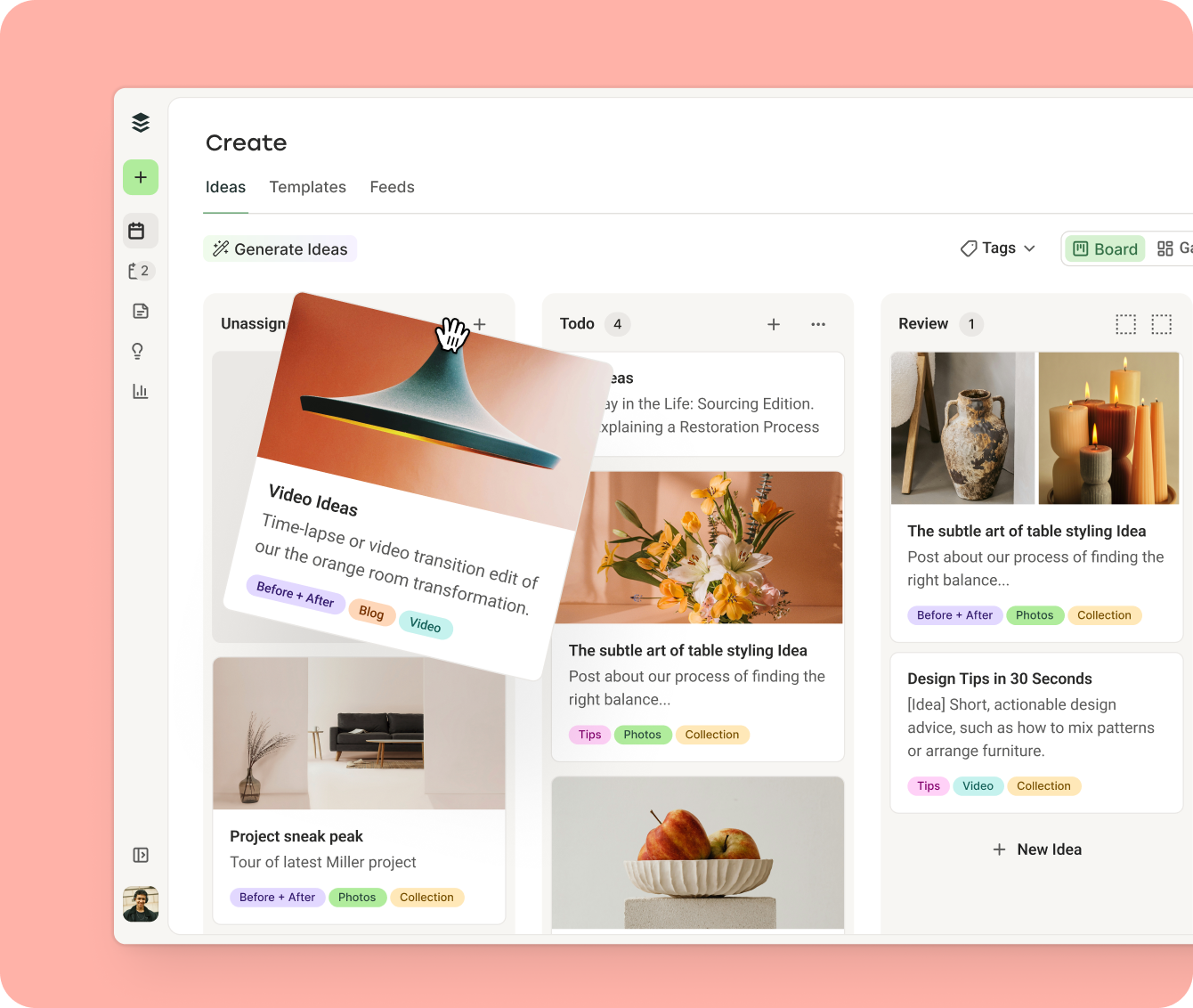
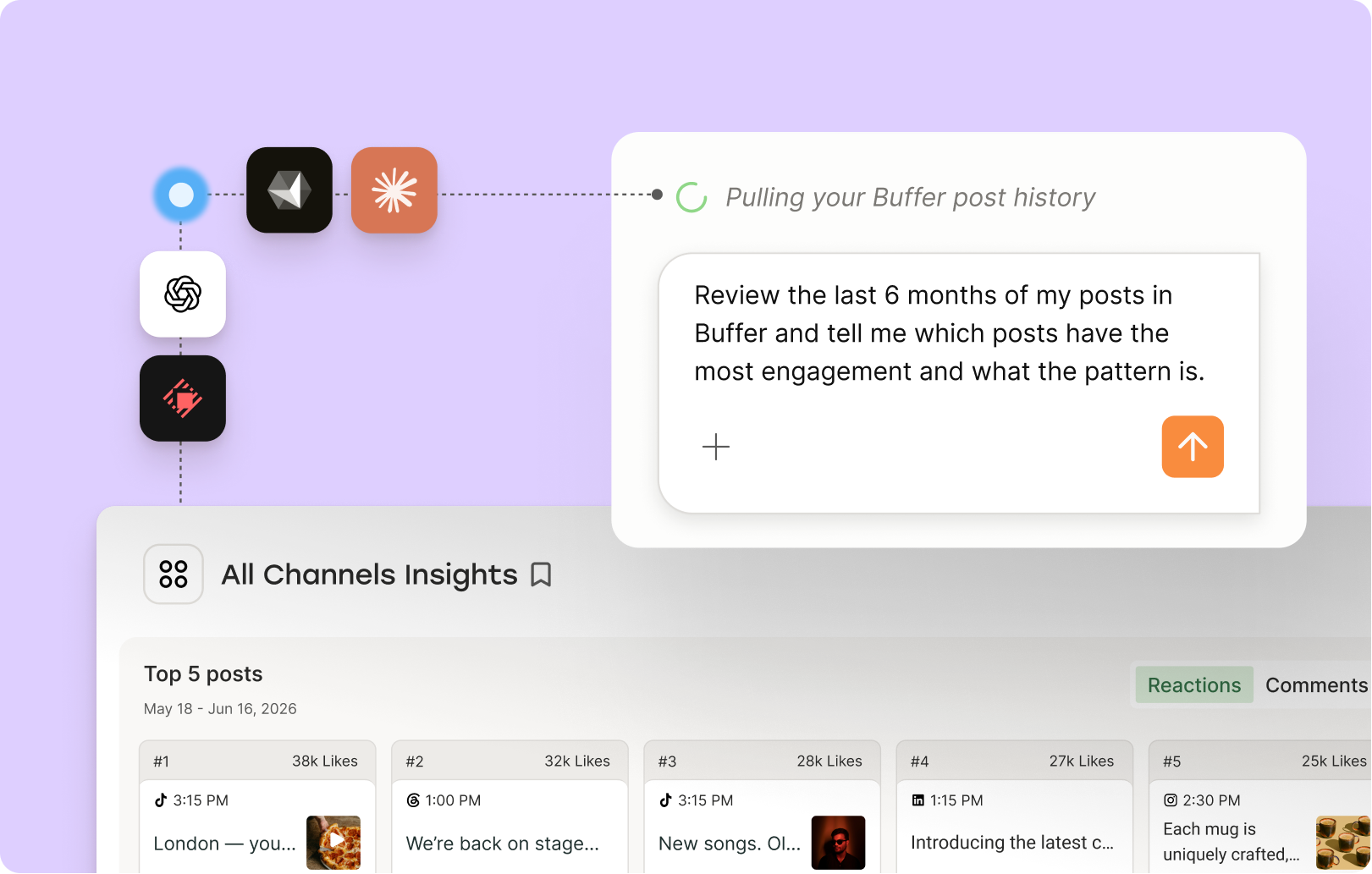
Buffer remains a market leader for those prioritizing simplicity and cost-efficiency. By utilizing a per-channel pricing model starting at $6 per month, it allows users to scale their digital footprint without the overhead of enterprise contracts. Its standout features include a drag-and-drop content calendar and a centralized "Community" inbox, which aggregates interactions from multiple networks. The platform’s commitment to supporting emerging social channels—such as Bluesky and Substack Notes—makes it a strategic choice for creators aiming to remain agile in a shifting landscape.
Hootsuite: The Enterprise Standard for Social Listening
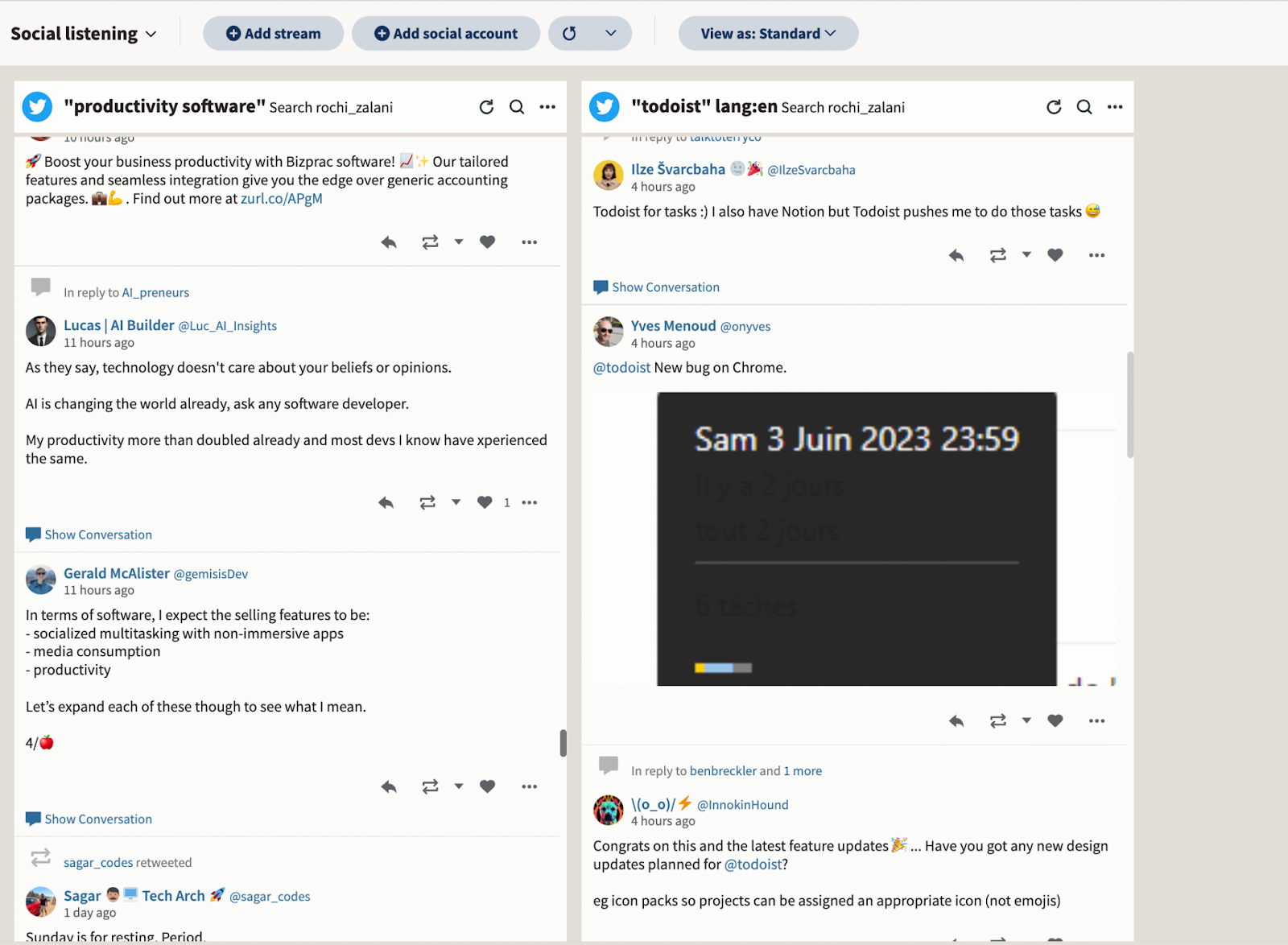
Hootsuite occupies a higher tier of the market, focusing on deep data insights and complex team governance. Following its strategic acquisition of Talkwalker, the platform has bolstered its social listening capabilities, allowing organizations to monitor global conversations and brand sentiment in real-time. With entry-level pricing at $199 per user, it is tailored for large-scale operations requiring granular permission controls and advanced reporting.
Tailwind: Niche Specialization for Visual Discovery
Tailwind serves a unique purpose as an official Pinterest partner. It differentiates itself through one-click pin design tools and smart-scheduling features specifically engineered to exploit the Pinterest algorithm. While it supports Instagram and Facebook, its primary value proposition remains its specialized infrastructure for visual-first, search-oriented social strategies.
SocialPilot: The Agency-Centric Solution
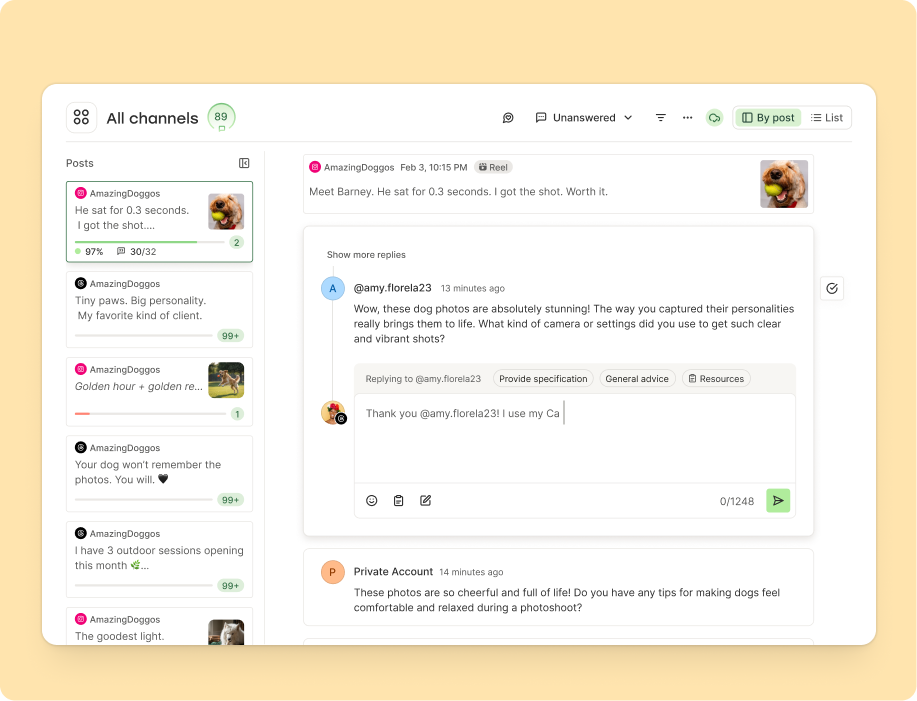
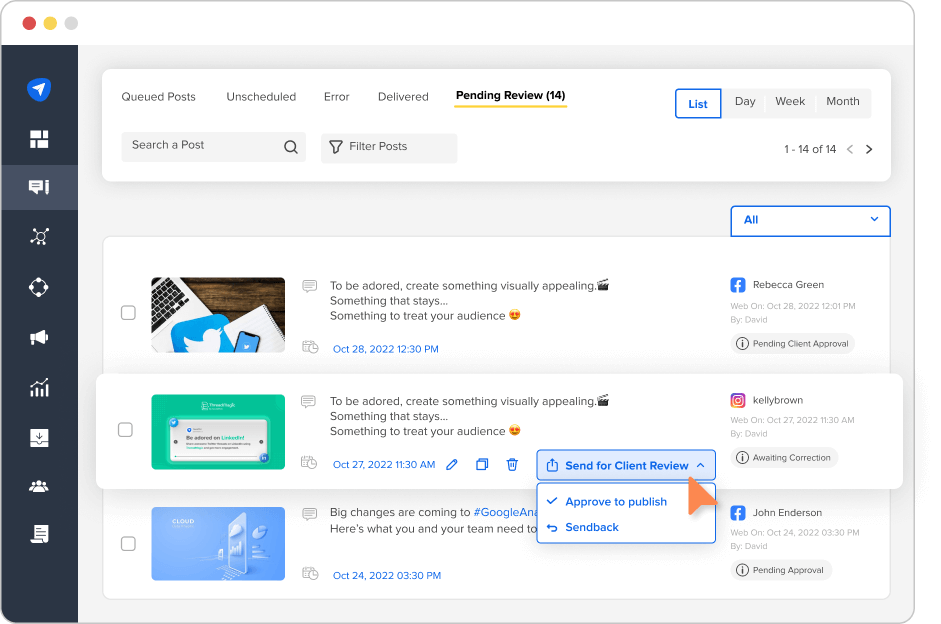
SocialPilot has carved out a niche by providing white-label dashboards and seamless client approval workflows. It effectively addresses the "agency pain point" of needing to show clients content previews without requiring them to create accounts on the software itself. At $30 per month, it provides a balanced feature set for agencies managing multiple high-volume client accounts.
Zoho Social: Ecosystem Integration
For organizations already embedded in the Zoho ecosystem, Zoho Social offers a seamless bridge between marketing and customer relationship management (CRM). Its native integration with Zoho Desk allows support teams to transition customer inquiries from social platforms into tickets without manual intervention, streamlining the customer experience journey.
Sprout Social: The Unified Marketing Suite
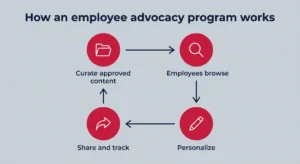
Sprout Social distinguishes itself by consolidating influencer marketing and employee advocacy into the core social management interface. Through its Tagger-powered influencer discovery, users can manage end-to-end partnerships alongside their organic social schedule. While the $199-per-seat price point is prohibitive for many small businesses, it remains a top choice for enterprises requiring a holistic view of their influencer and brand advocacy programs.
Oktopost: B2B Revenue Tracking
Oktopost is designed specifically for B2B marketers who must justify their social spend by linking posts to revenue metrics. By enforcing strict campaign-tagging and UTM parameter application for every post, it provides an analytics suite that tracks the entire buyer journey rather than relying on vanity metrics like follower growth or reach.
Later: Influencer-Focused Campaign Management
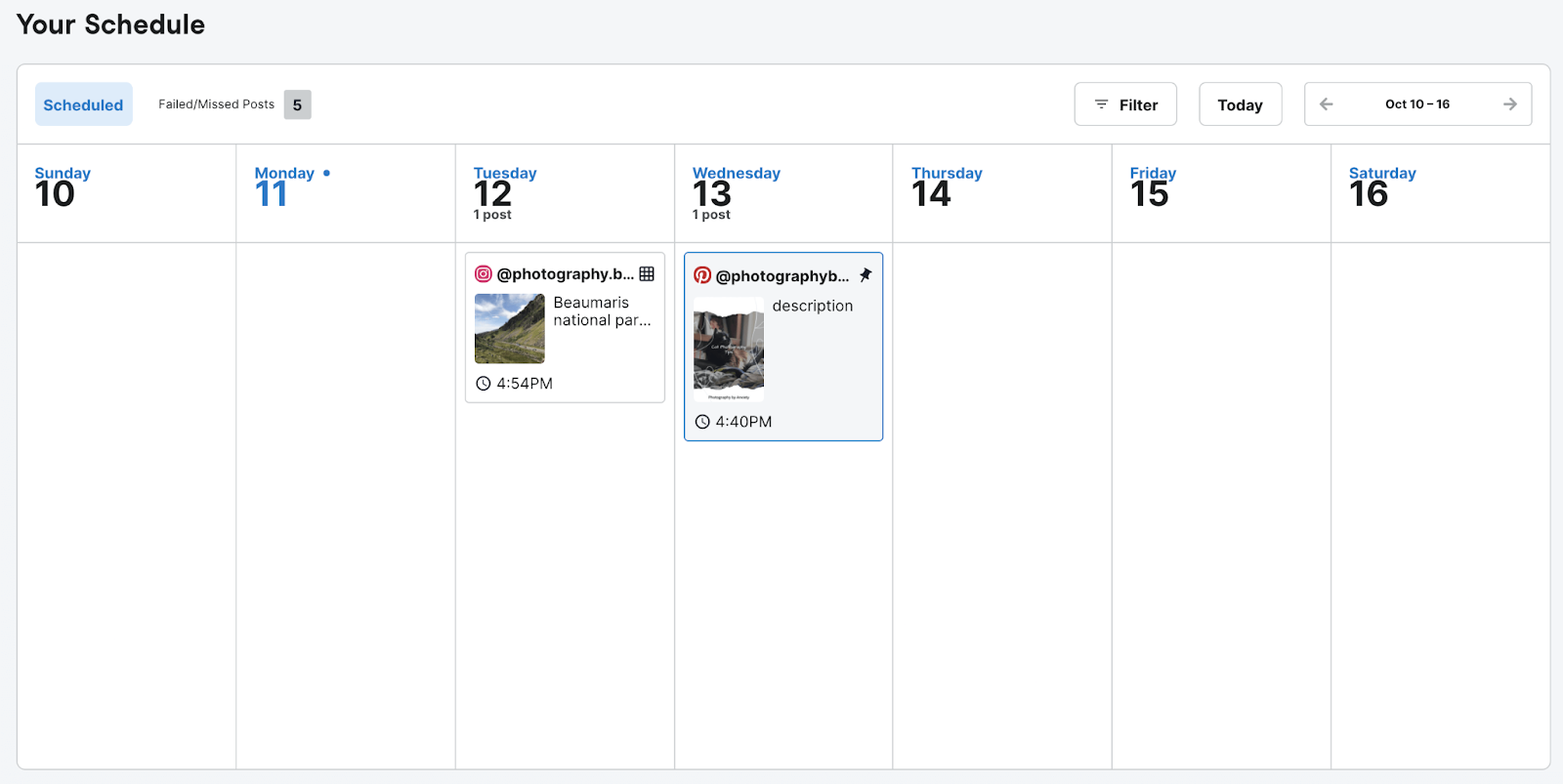
Later has repositioned itself to serve the influencer economy. Beyond basic scheduling, its interface provides tools for creator discovery and campaign tracking. It is a robust option for brands that prioritize visual aesthetics and influencer-led growth strategies, though users should be mindful of the 30-post-per-profile limit on its entry-level tier.
Socialinsider: Pure-Play Analytics
For teams that have already invested in a scheduler but lack deep data insights, Socialinsider acts as a specialized analytics layer. It excels at competitive benchmarking, allowing users to compare their performance metrics against industry peers with high precision. It is an essential tool for data-driven marketing teams looking to refine their content pillars.
Manychat: Automation and Lead Conversion
Manychat represents the evolution of social customer service. By automating DMs and comment-triggered replies, it enables brands to convert social interactions into lead captures instantly. While limited in terms of native scheduling capabilities, its utility in driving high-conversion messaging flows on Instagram, Facebook, and WhatsApp is unmatched.
Sprinklr: Enterprise-Scale Governance
Sprinklr is positioned at the top of the market, serving as an enterprise customer experience platform. It is designed for global organizations that require multi-layer security, AI-powered image detection, and massive-scale multi-platform governance. It is not intended for small teams, as its complexity and custom pricing require significant infrastructure and specialized staff to operate effectively.
Strategic Criteria for Selecting the Right Tool
Selecting a platform requires an objective assessment of organizational goals. Industry experts suggest evaluating potential tools based on five core criteria:
- Network Compatibility: Does the tool support the platforms where your target audience currently resides, and does it have a track record of quickly integrating emerging networks?
- Reporting Depth: Can the tool provide actionable data regarding ROI and lead attribution, or is it limited to superficial engagement metrics?
- Collaboration Frameworks: Does the platform offer the necessary permission levels and approval chains required to maintain brand safety across a distributed team?
- Scalable Economics: Does the pricing model remain viable as your team grows and your volume of social profiles increases?
- Specialized Utility: Does the platform provide the specific "extra" features—such as landing page builders, AI content generation, or CRM integrations—that your current workflow lacks?
The Broader Implications for Digital Marketing
The proliferation of these tools signifies a maturation of the social media industry. As platforms continue to change their algorithms, the ability to centralize data and maintain a consistent, cross-channel presence is no longer optional—it is a competitive necessity.
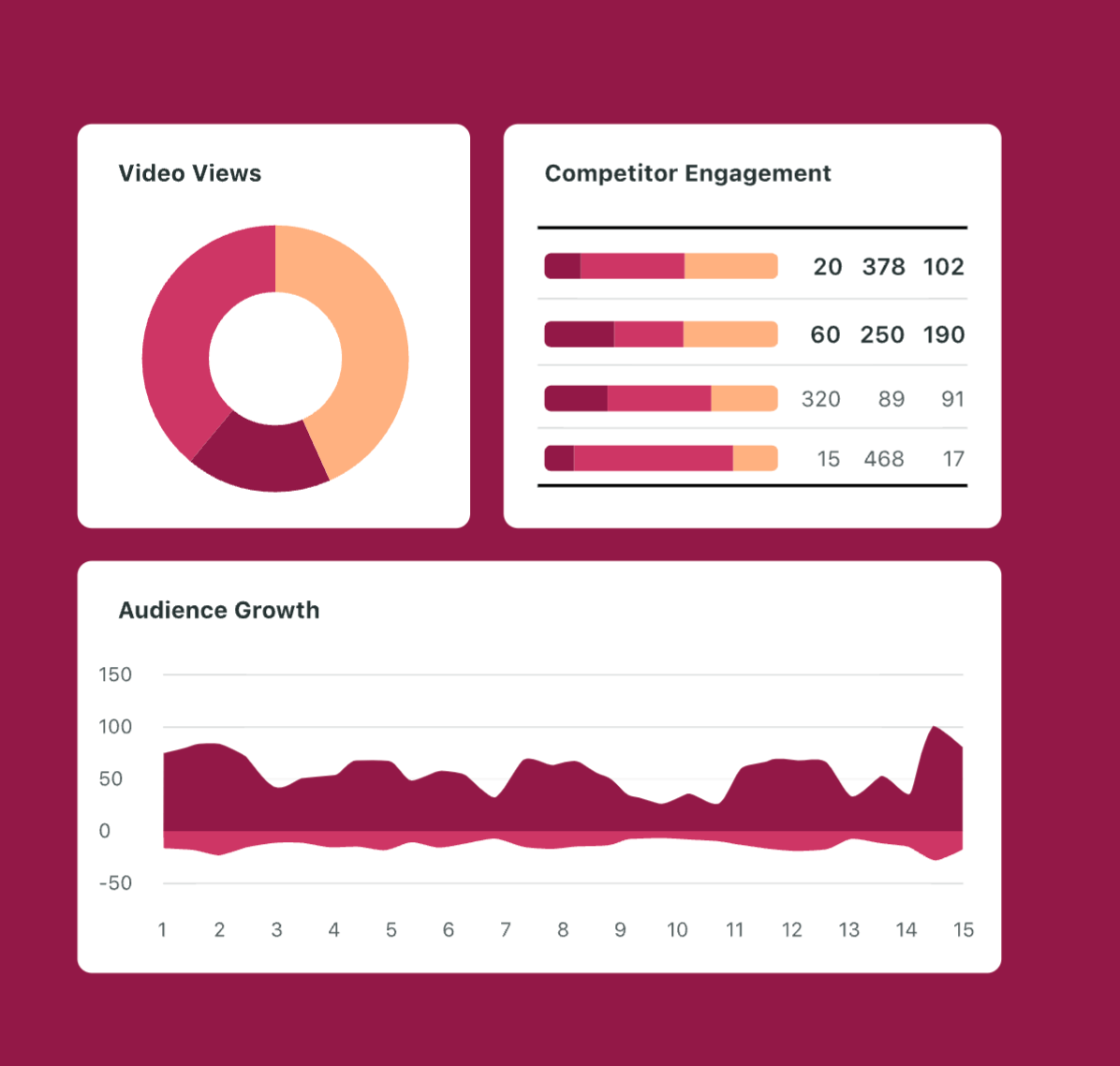
Data from the past 24 months shows that the most successful digital strategies are those that leverage automation for administrative tasks while dedicating human creativity to strategy and community engagement. By offloading scheduling, reporting, and basic response management to these platforms, marketers are increasingly able to focus on high-level content strategy and long-term brand building.
Ultimately, the best tool is not necessarily the one with the most features, but the one that aligns most closely with the user’s operational maturity. Whether it is a solo creator using Buffer to maintain consistency or a global enterprise using Sprinklr to manage risk and governance, the primary goal remains constant: creating a sustainable, efficient, and measurable digital presence in an increasingly noisy online environment.