Tesla is set to wind down production of the Cybertruck at its Gigafactory Texas facility by the middle of next year, marking a significant strategic pivot for the electric vehicle manufacturer. Elon Musk, the company’s CEO, confirmed the decision in a post on X (formerly Twitter) this past Friday, stating that the move is designed to reallocate manufacturing capacity toward the burgeoning production of the Cybercab. This development signals the conclusion of one of the most controversial and highly anticipated product cycles in the history of the modern automotive industry.
The Cybertruck, characterized by its polarizing, angular, stainless-steel design, was once positioned by Musk as the pinnacle of Tesla’s engineering prowess. However, the transition away from the pickup truck reflects a broader shift in Tesla’s corporate roadmap, which is now heavily prioritized toward autonomous transportation and robotaxi services. While the Cybertruck served as a bold marketing statement, its commercial performance and operational hurdles have ultimately forced the company to consolidate its resources.
A Seven-Year Odyssey: From Concept to Retrenchment
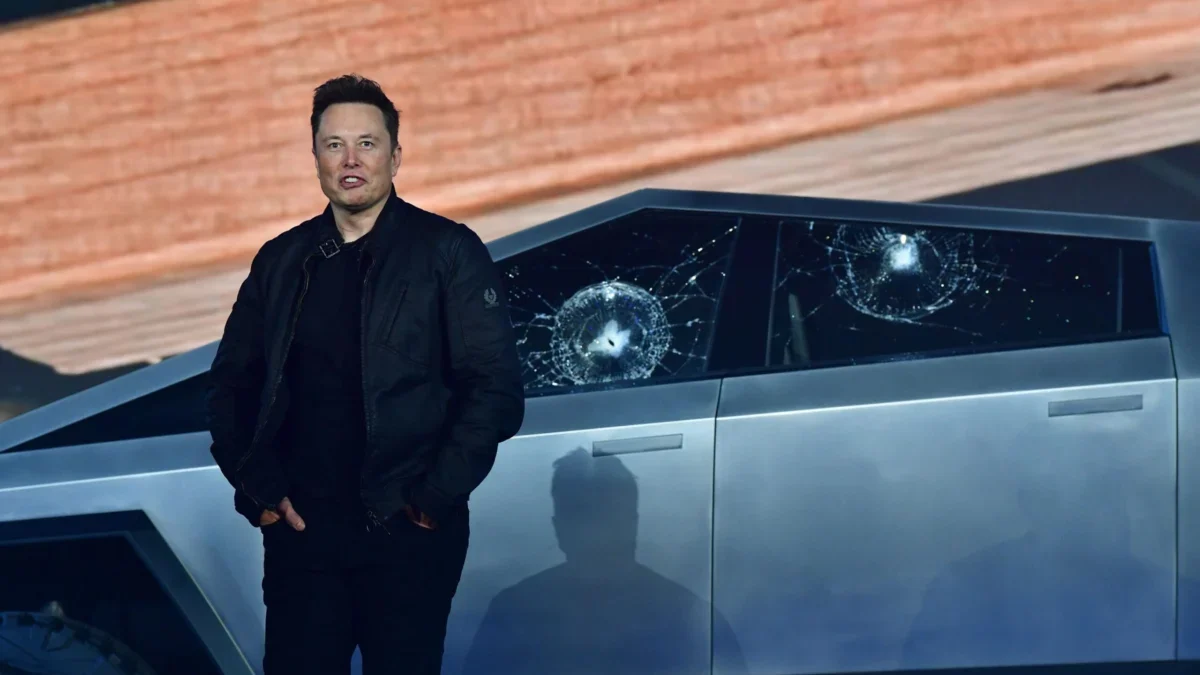
The story of the Cybertruck began in November 2019 at a design studio in Hawthorne, California. The launch event, framed by a futuristic, sci-fi aesthetic, became infamous when a live demonstration of the vehicle’s "armor glass" resulted in the windows shattering upon impact with a steel ball. Despite the rocky debut, Musk remained steadfast in his conviction, having declared just a month prior during a Q3 earnings call that the Cybertruck was potentially "our best product ever."
The path to the assembly line, however, was marred by repeated delays. Originally projected to hit the market in 2021, the vehicle did not enter volume production until late 2023. These delays—compounded by design complexities, supply chain constraints, and the immense manufacturing challenges posed by the vehicle’s unique exoskeleton—prevented the truck from ever reaching the production volumes Musk initially forecasted. While early projections suggested an annual output of 250,000 to 500,000 units, the actual manufacturing reality fell drastically short of these ambitious goals.
Sales Performance and Market Reception
The Cybertruck struggled to replicate the widespread mass-market success of the Model 3 and Model Y. According to industry data from Kelley Blue Book and parent company Cox Automotive, sales momentum stalled significantly as the vehicle matured. After moving approximately 38,965 units in the U.S. in 2024, sales plummeted to 20,237 in 2025—a decline of nearly 48%. Projections for the current year, based on first-half estimates of roughly 7,263 units, suggest that the downward trend has persisted.
Several factors have contributed to this decline, most notably the aggressive pricing strategy. When first announced in 2019, the entry-level model was advertised at $39,900. By the time the vehicle finally reached customers in 2023, the starting price had jumped to $60,990. Recent price adjustments have pushed the barrier to entry even higher. Following the discontinuation of the Dual Motor AWD model, the cheapest available Cybertruck currently retails for $92,490. These price hikes, combined with the removal of lower-cost trim options like the rear-wheel-drive variant, have effectively alienated a large segment of potential buyers.
Furthermore, the vehicle has been plagued by reliability concerns. Since deliveries commenced in November 2023, the Cybertruck has been the subject of 11 separate safety recalls. These issues, ranging from mechanical components to software configurations, have compounded the perception of a vehicle that was rushed to market and required excessive post-delivery maintenance.
The Pivot to the Cybercab
As Tesla retreats from the consumer pickup market, the focus has shifted entirely toward the Cybercab. Unveiled during a high-profile 2024 event, the Cybercab is a dedicated autonomous vehicle, featuring a two-seater design that lacks a traditional steering wheel or pedals. This transition is part of Tesla’s broader effort to pivot from a traditional hardware-focused automaker to an AI-driven robotics and autonomous transport provider.
The strategy is particularly urgent given the current economic climate for electric vehicles in the United States. Following the repeal of federal EV tax credits last year, traditional EV sales across the industry have faced headwinds. Tesla, which remains the largest seller of electric vehicles in the country, is now banking on the high-margin potential of robotaxi fleets to sustain growth.
Currently, Tesla’s robotaxi operations—utilizing the Model Y—are active in several major urban centers, including Houston, Dallas, and Fort Worth in Texas, as well as Miami, Orlando, and Tampa in Florida. The rollout of the dedicated Cybercab is expected to scale these operations significantly, though the company faces stiff competition. Waymo, a subsidiary of Alphabet, has already established a dominant footprint, operating in 15 U.S. cities and reportedly facilitating approximately 500,000 rides per week.
Regulatory and Technical Hurdles
The transition to the Cybercab is not without its own set of complications. In September, the National Highway Traffic Safety Administration (NHTSA) opened a formal investigation into Tesla’s self-certification process for the Cybercab, specifically questioning whether the vehicle meets federal safety standards given its unconventional, interface-free design.
In late October, Tesla provided responses to the agency’s inquiries. However, the company requested that its filings remain confidential, citing them as "confidential business information." The request remains pending, leaving investors and regulators in a state of uncertainty regarding the vehicle’s long-term certification status. For a company that has built its reputation on disruptive technology, the regulatory scrutiny poses a significant barrier to the rapid, widespread deployment of the Cybercab.
Broader Implications and Legacy
The decision to phase out the Cybertruck has raised questions about the long-term support for current owners. While Tesla has yet to issue a formal roadmap for parts supply and service for the aging fleet, it is standard industry practice for manufacturers to maintain parts inventory for years after a model’s discontinuation. Musk acknowledged the situation on X, noting, "True, but the Cybertruck fleet will be around for a long time," suggesting that while the production line is ending, the vehicle will remain a fixture on American roads for the foreseeable future.
From an investor’s perspective, the move represents a rationalization of Tesla’s capital expenditures. The Cybertruck was an experimental vehicle—a "halo" product designed to push the boundaries of design and manufacturing. While it succeeded in generating headlines and showcasing technical innovation, it proved difficult to scale profitably. By prioritizing the Cybercab, Tesla is attempting to transition toward a more predictable revenue model based on services and software-driven transportation.
However, the shift also carries risks. The company is effectively abandoning a high-visibility segment of the market at a time when competition from legacy automakers and other EV startups remains intense. Whether the Cybercab can successfully replace the revenue—and the cultural cachet—of the Cybertruck remains to be seen.
As Tesla prepares for the mid-2027 transition, the automotive industry will be watching closely. The failure of the Cybertruck to achieve its volume targets serves as a cautionary tale of the difficulties of bridging the gap between futuristic vision and manufacturing reality. For Tesla, the future is no longer about the trucks on the road, but the autonomous algorithms that guide the fleet. Whether this gamble on a robotaxi-led future pays off will ultimately define the next decade of the company’s growth.
For now, the stainless-steel silhouette of the Cybertruck remains a symbol of a particular chapter in Tesla’s history—one defined by ambition, technical hurdles, and a relentless, if sometimes misguided, pursuit of the "best product ever." As the assembly lines in Texas begin to prepare for the arrival of the Cybercab, the Cybertruck will transition from a mass-production vehicle to a niche collector’s item, leaving behind a legacy of innovation that paved the way for the next iteration of the company’s vision.