AI-Powered Automation Transforms Volunteer Community Management at Tech Non-Profit, Combating Burnout and Expanding Reach

In a significant stride towards sustainable community engagement and volunteer welfare, a community lead at a tech non-profit has pioneered an innovative AI-driven pipeline, dramatically reducing personal workload while substantially enhancing support for aspiring tech professionals. This groundbreaking system, designed to autonomously monitor online community discussions, identify critical questions, and generate public-facing content, offers a compelling model for non-profits grappling with the escalating demands of digital community management. The initiative not only addresses a pervasive issue of volunteer burnout but also strategically broadens the reach of essential training and mentorship beyond closed platforms, fostering a more informed and engaged global community.

The Evolving Landscape of Volunteerism and Digital Communities
Online communities have become indispensable hubs for learning, networking, and professional development, particularly within the rapidly evolving tech sector. For non-profits dedicated to bridging skill gaps and fostering inclusive growth, these digital spaces are vital conduits for their mission. However, managing such communities, especially on a volunteer basis, presents unique and often overwhelming challenges. The sheer volume of interactions, coupled with the need for timely, accurate, and empathetic responses, can quickly lead to exhaustion and burnout among dedicated volunteers. According to a 2023 study by VolunteerMatch, burnout is a leading cause of volunteer attrition, with inadequate support and excessive demands frequently cited as key factors. This trend is particularly acute in dynamic fields like technology, where queries are complex and expectations for immediate assistance are high.
The tech non-profit at the heart of this innovation provides free training programs and mentorship, serving as a critical entry point for many individuals seeking a career in technology. Its community lead, a volunteer, juggled two primary responsibilities: actively responding to member questions within the organization’s Slack workspace and curating content for its social media channels to benefit the broader public. The Slack community, a bustling environment, features numerous channels, with four experiencing the majority of traffic—accounting for approximately 80 questions weekly. This constant influx of inquiries, combined with the manual, labor-intensive process of generating relevant social media content, created an unsustainable workload. Previously, the content creation process involved manually sifting through Slack conversations, identifying recurring themes, conducting research, writing, scheduling, and engaging with comments post-publication. Each social media post demanded between three to five hours of dedicated effort, leading to an additional 15 to 20 hours of work per week on top of the volunteer’s primary day job. This unsustainable pace directly resulted in severe burnout, prompting an urgent need for a transformative solution.
The Genesis of an Automated Solution
The critical juncture arrived when the manual process became demonstrably ineffective. While the volume of questions was theoretically manageable, the greater challenge lay in identifying and addressing the most crucial inquiries—those that, due to various factors, were most likely to be overlooked. Complex questions often lacked immediate responses, sensitive topics might be buried in busy threads, and unique queries, while asked by only a few, frequently represented the unspoken needs of a larger, silent majority. The existing system, which often prioritized frequently asked questions for content creation, inadvertently neglected these deeper, more revealing concerns. Each missed question represented an individual seeking help who didn’t receive it promptly, highlighting a fundamental flaw in the manual approach.
Driven by a profound commitment to the community and a desire to preemptively address these unmet needs, the volunteer embarked on developing an automated pipeline. The core objective was to create a system that could proactively listen to community conversations, surface overlooked questions, and convert shared concerns into publicly accessible content. This vision aimed to ensure that answers were readily available before the next person even had to ask, thus fostering a more empowered and self-sufficient learning environment.
Deconstructing the AI-Powered Pipeline: A Five-Step Transformation
The developed pipeline, leveraging a low-code canvas platform called Gumloop, integrates AI steps, API calls, and custom nodes to create a seamless, end-to-end workflow. The system operates in five distinct phases: Read, Filter, Archive, Cluster, and Publish.
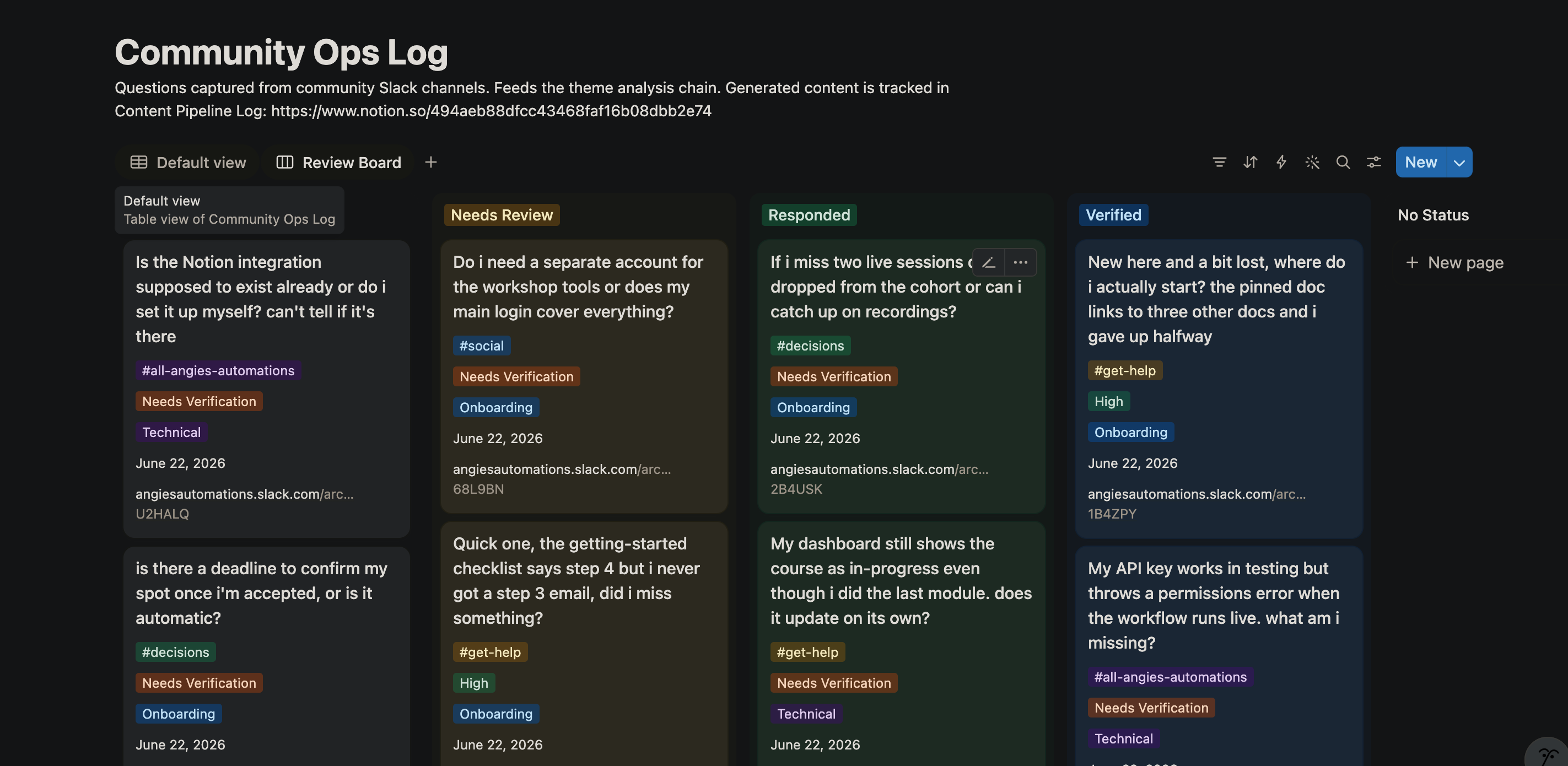
- Read: The pipeline initiates by connecting directly to the non-profit’s Slack workspace, specifically targeting the four high-traffic channels. This step involves retrieving and ingesting all new conversational data.
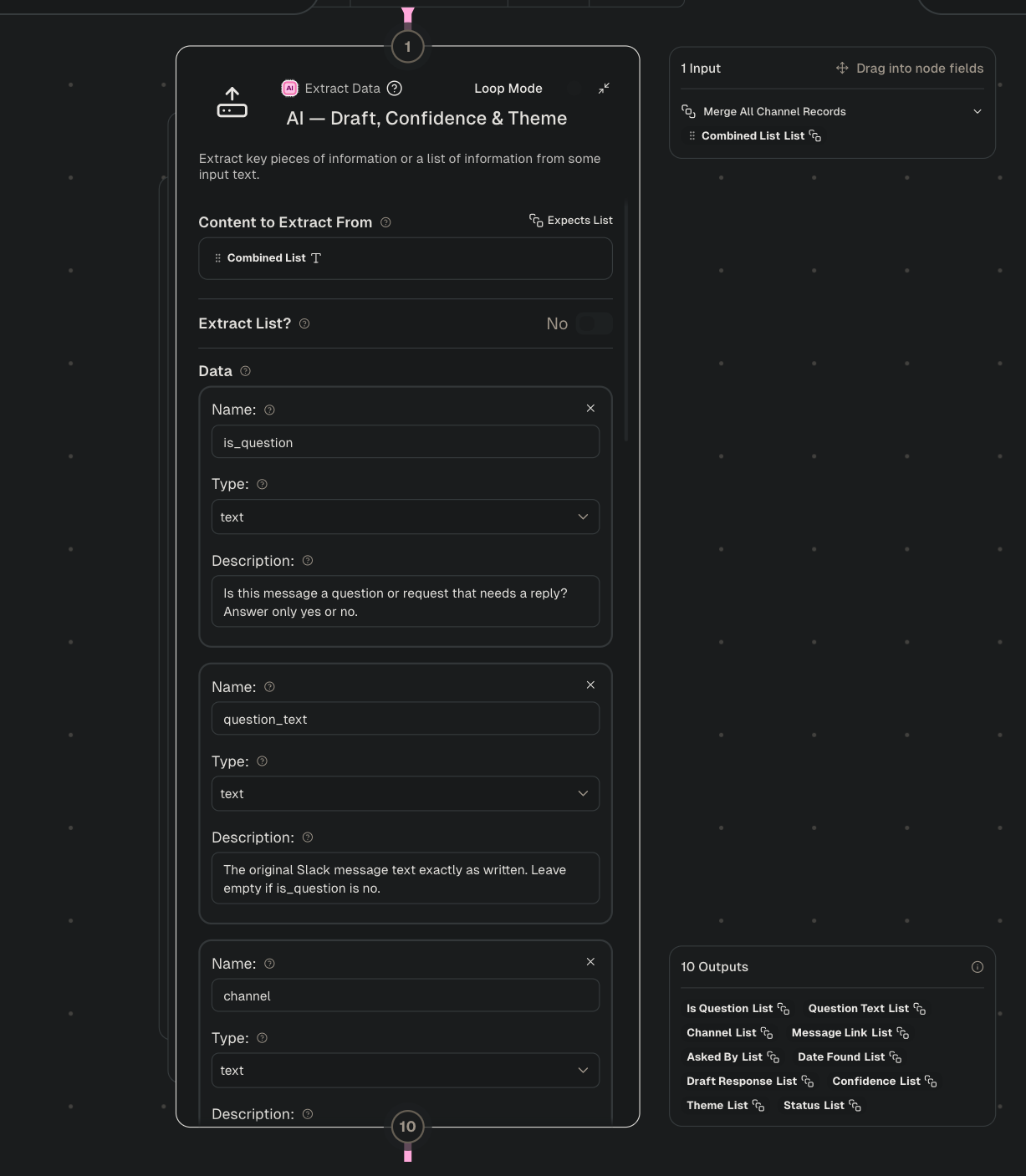
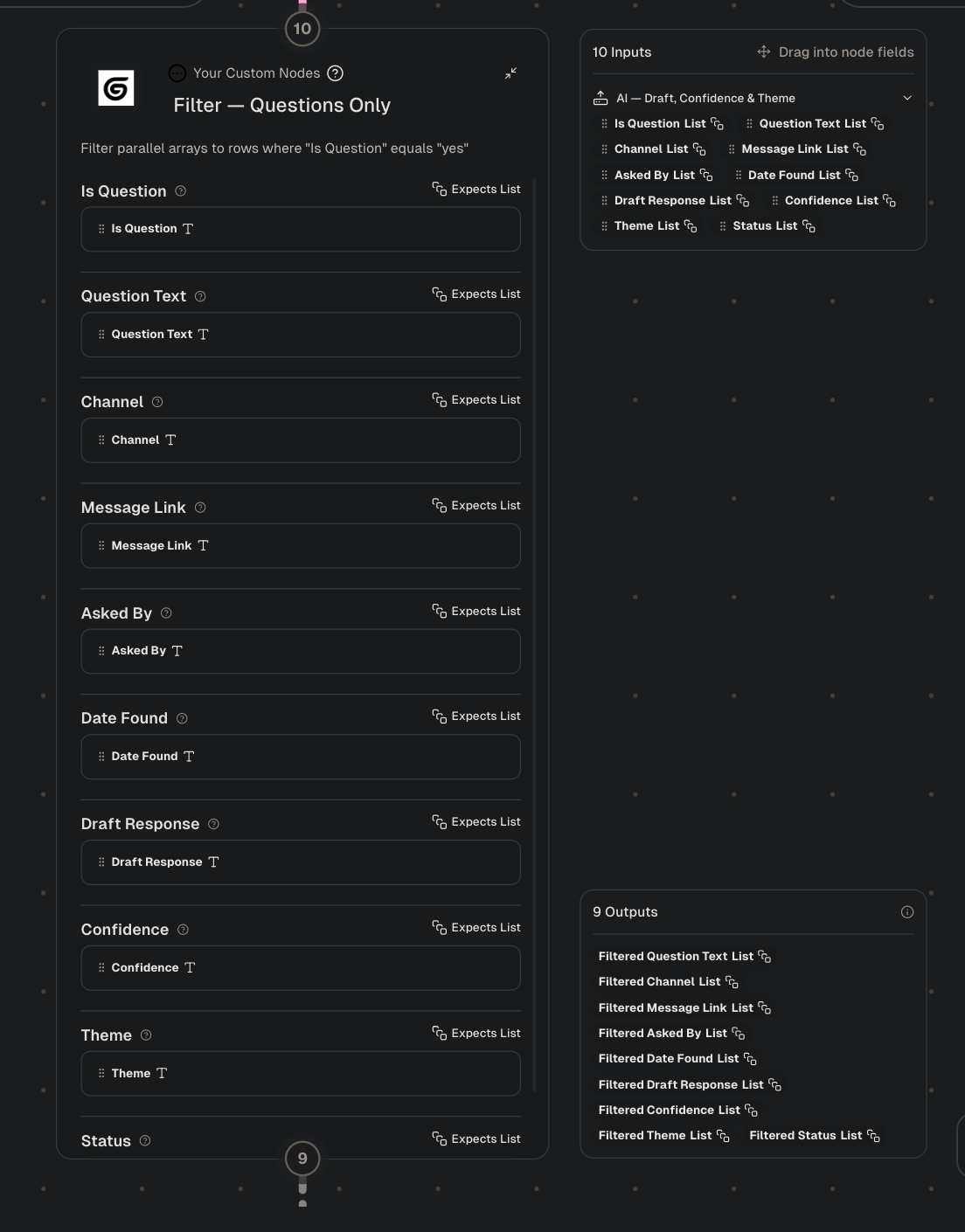
- Filter: Utilizing AI, the system then meticulously scans the raw Slack data to differentiate genuine questions from general chat, announcements, or casual remarks. This intelligent filtering ensures that only actionable inquiries proceed to the next stage, eliminating noise and improving data quality.
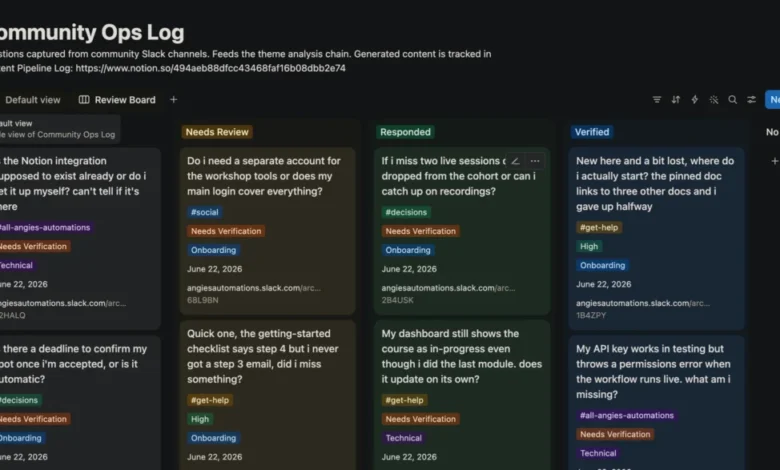
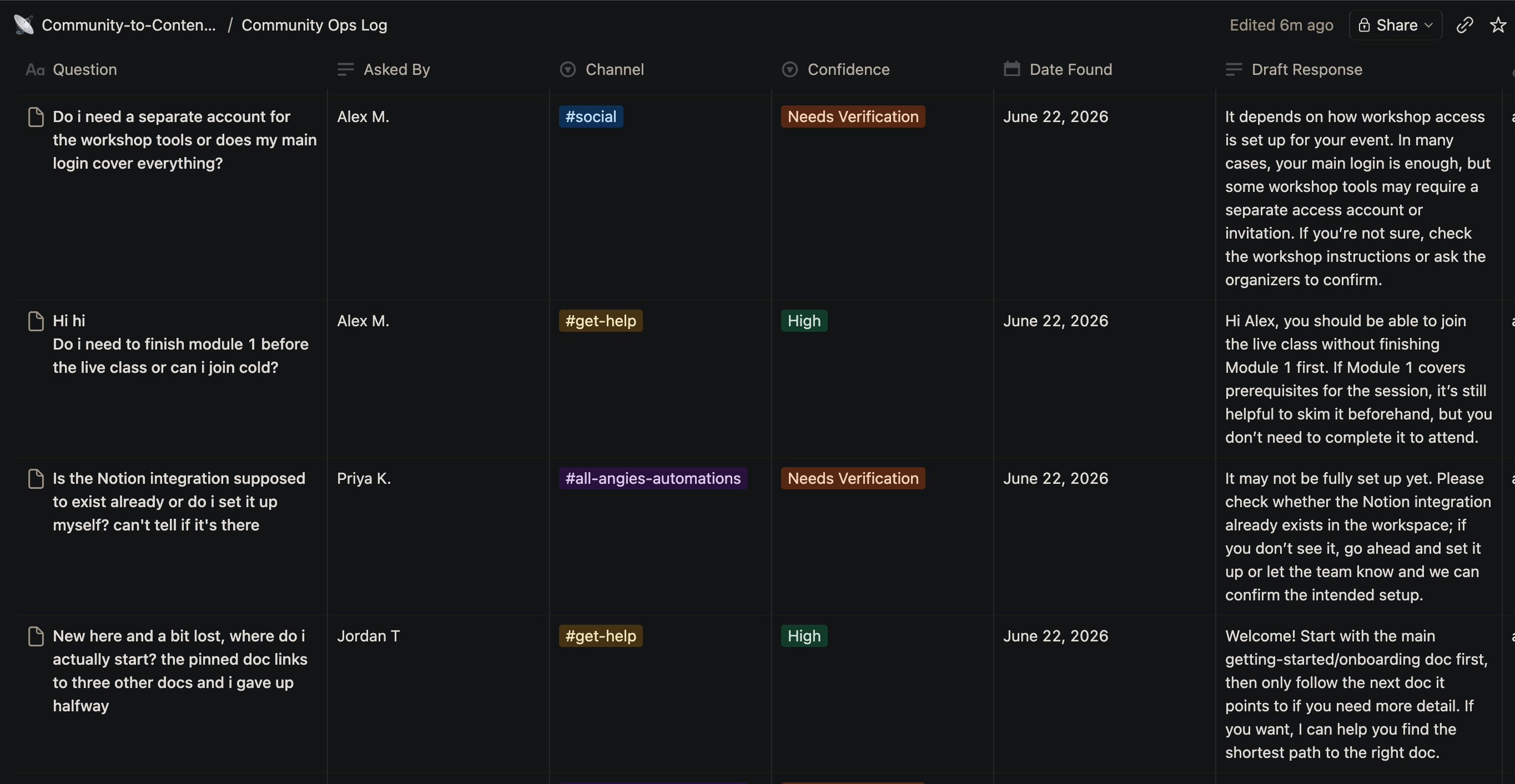
- Archive: All identified questions, along with their context, are then systematically logged into a dedicated Notion database, christened the "Community Ops Log." This creates a clean, tagged, and easily searchable archive of community interactions, providing a valuable historical record and analytical resource.
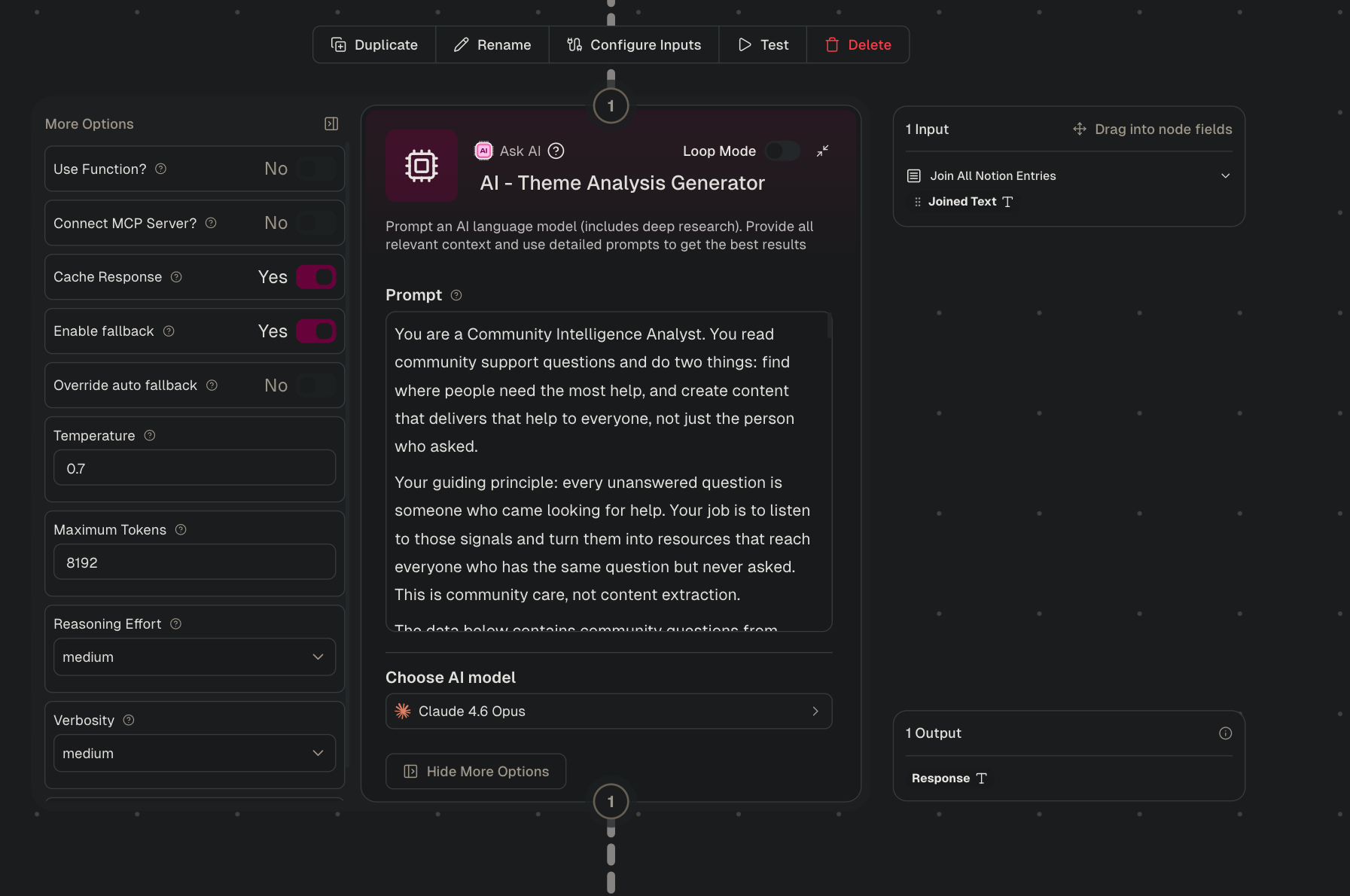
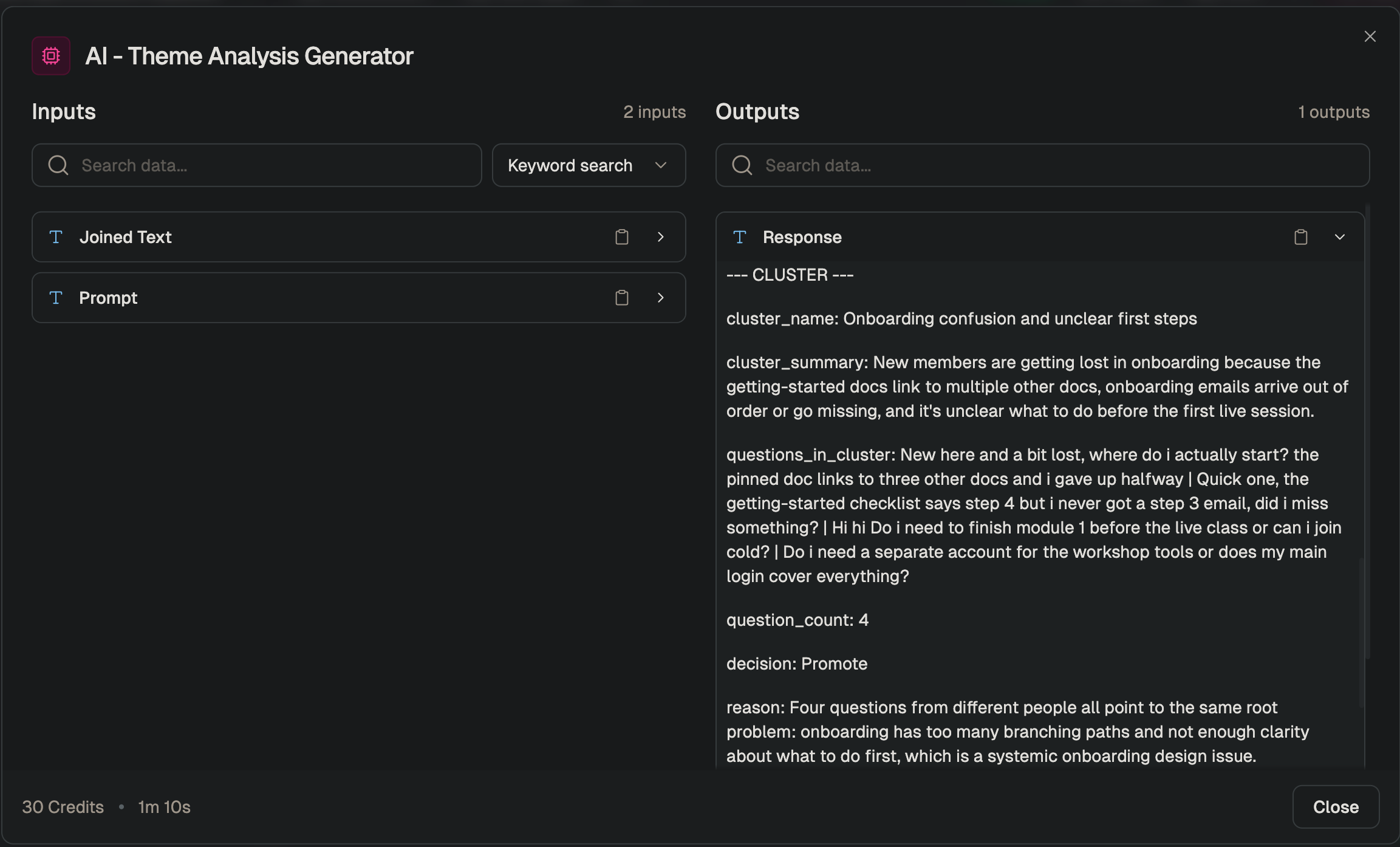
- Cluster: This is arguably the most critical and sophisticated phase. A Notion reader pulls the archived questions and feeds them into a Gumloop "Ask AI" node, powered by Claude Opus. The AI is tasked with several complex operations in a single pass:
- Clustering: It groups semantically similar questions, even if phrased differently, to identify overarching themes and common pain points.
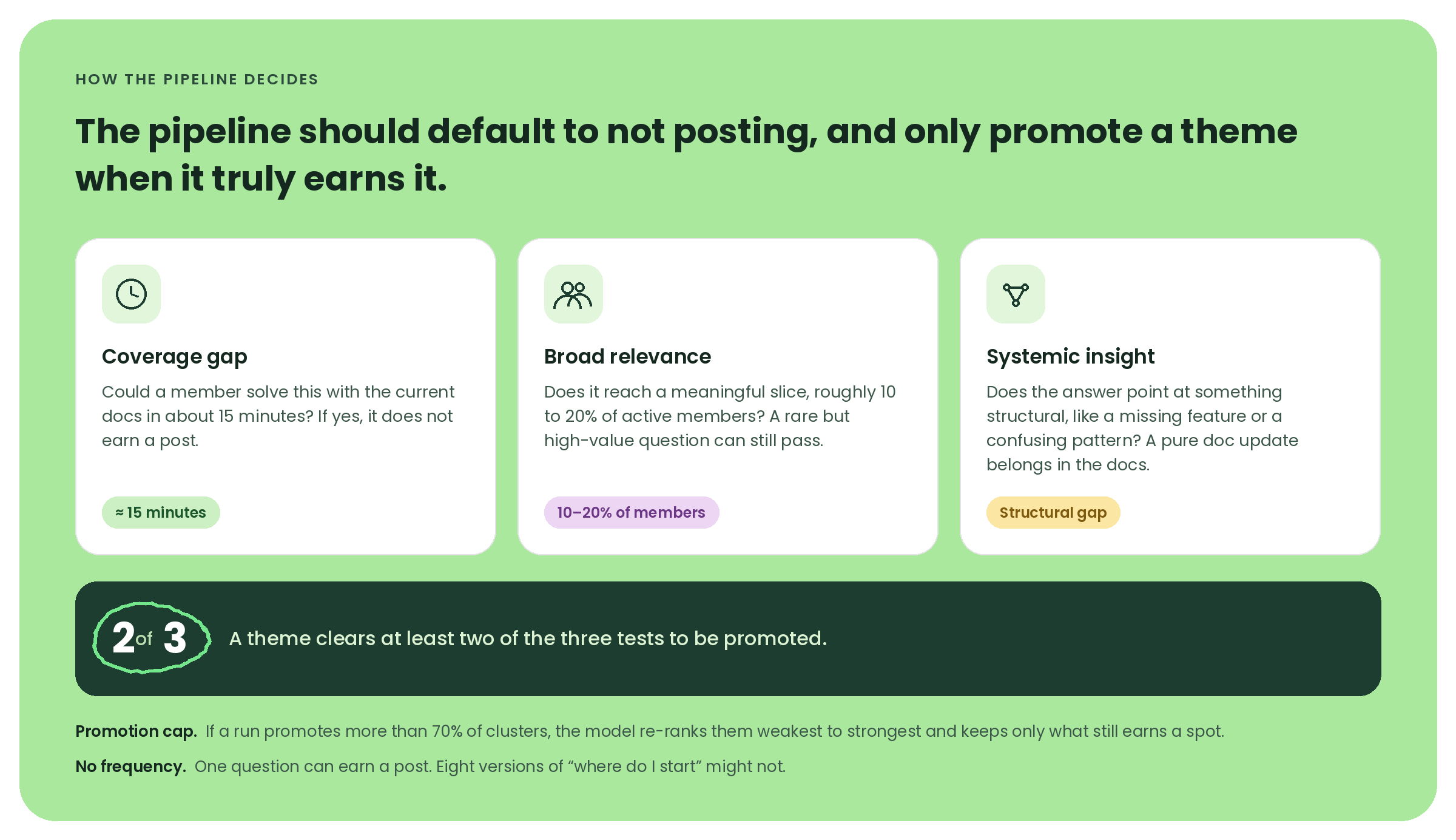
- Scoring and Promotion: Each cluster is then scored based on its potential for public content. A key differentiator here is the deliberate exclusion of frequency as the primary sorting metric. Instead, themes are evaluated against three criteria: whether they reveal a significant knowledge gap, whether there’s high inferred interest (even if only a few asked), and whether the topic is easily shareable and digestible in a public post. A theme must clear at least two of these criteria to be "promoted" for public content. This ensures that valuable, but less frequently asked, questions are not buried.
- Duplicate Removal: Near-duplicate questions within clusters are intelligently removed to streamline content creation.
- Drafting: For promoted themes, Claude Opus drafts initial content ideas and complete social media posts, tailored for platforms like X (formerly Twitter) and Threads. A promotion cap is also implemented, preventing the LLM from over-promoting content by re-ranking and selecting only the strongest candidates if more than 70% of clusters are initially flagged.
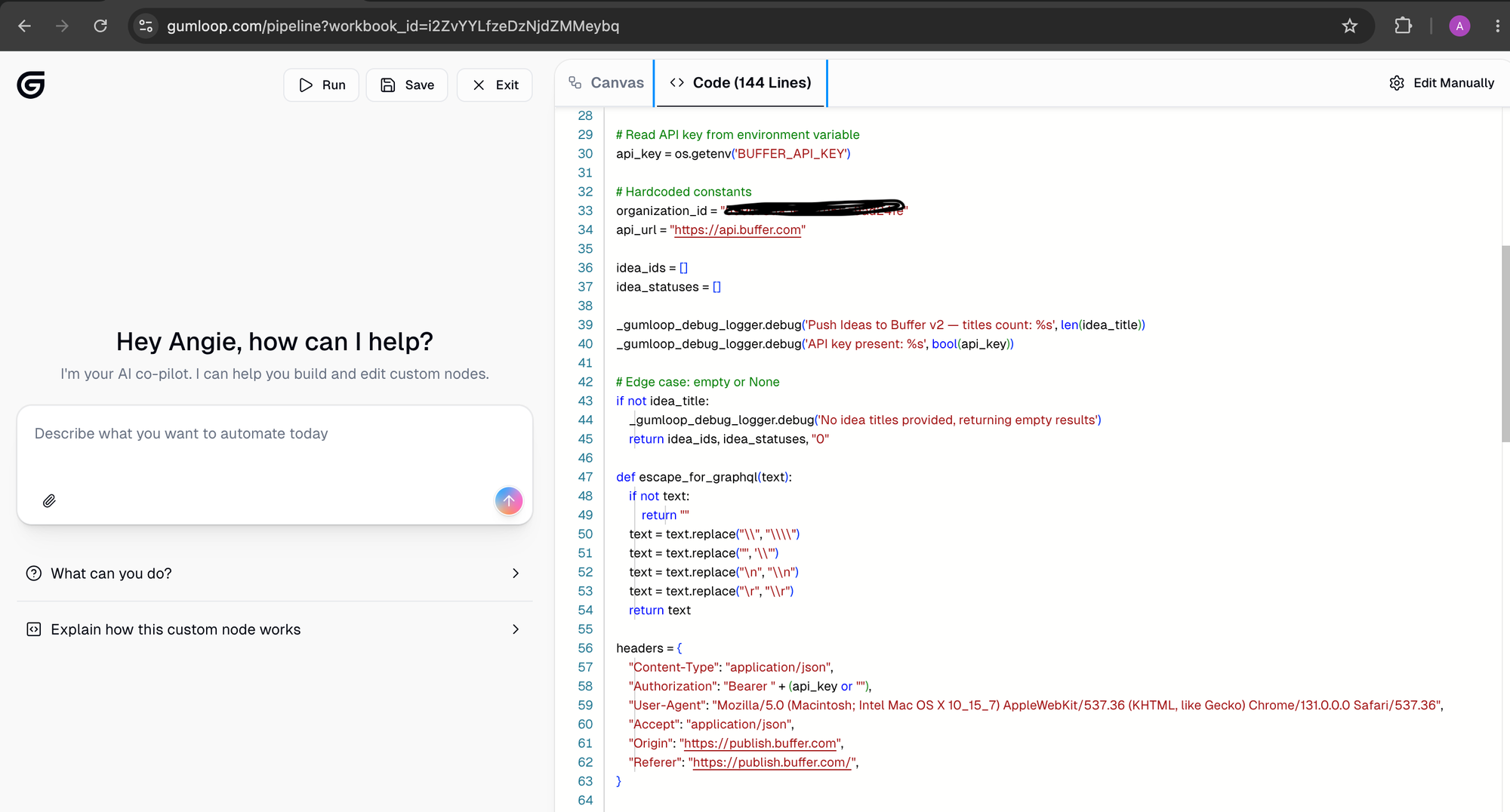
- Publish: The final stage involves the automatic transfer of approved content to Buffer, a social media management platform. Three custom nodes facilitate this handoff, one for creating ideas in Buffer’s "Create" space for promoted themes, and two others for queuing drafted posts for X and Threads. Buffer then automatically spaces these posts across the days, optimizing scheduling without manual intervention. A significant technical hurdle—integrating with Buffer’s API, which is protected by Cloudflare—was overcome by configuring custom HTTP headers to mimic requests from a standard web browser, ensuring seamless data transfer. Upon successful publication, the status (e.g., "Idea Created, X Queued, Threads Queued") is updated in a second Notion database, the "Content Pipeline Log," maintaining a comprehensive audit trail from original question to published post. This detailed logging allows for performance analysis and ensures accountability, crucial for non-profit transparency.
Cultivating an Authentic Voice: Beyond Generic AI
A central concern in deploying AI for content generation is the preservation of an authentic brand voice, especially for a community-focused non-profit. The volunteer meticulously addressed this by training the AI model with specific writing samples—including peer replies in Slack, longer-form posts, and even direct messages—to enable it to discern and replicate natural linguistic patterns.
Beyond the training data, explicit "hard rules" were programmed into the prompt:
- Maintain a simple, direct, and conversational tone.
- Avoid corporate jargon and overly formal language.
- Use emojis sparingly and only when contextually appropriate.
- Strictly limit the use of em-dashes, a punctuation mark observed to be overused by generic AI models.
Furthermore, a crucial self-check mechanism was integrated, allowing the AI to scan its own output for banned patterns and "AI-isms," iteratively refining the drafts until they resonated perfectly with the volunteer’s established voice. This iterative process of sample-matching, rule enforcement, and self-correction was instrumental in achieving a tone that felt genuinely human and consistent with the non-profit’s empathetic communication style.
Transformative Impact and Future Implications
While specific long-term engagement metrics are still being gathered, the immediate impact of the AI pipeline has been profoundly positive, particularly on the volunteer’s workload and the overall community experience. The most tangible benefit has been the dramatic reduction in the 15 to 20 hours previously dedicated to manual community operations. Triage, drafting, and content calendar management are now largely automated, allowing the volunteer to focus solely on the critical human elements of review and approval. This significant time saving directly addresses the core issue of burnout, making the volunteer role sustainable and enjoyable once more.
Moreover, the proactive content strategy has led to a noticeable shift in community dynamics. Deadlines, particularly during peak periods like application rushes for new training rounds, are considerably less stressful. Previously, recurring basic questions would inundate channels; now, many of these are already addressed by publicly available posts. Crucially, the nature of incoming questions has evolved. Instead of repeatedly asking fundamental questions, members increasingly reference existing public posts and pose more advanced, follow-up inquiries. This indicates a robust signal that the content is effectively reaching its intended audience, including the "silent majority" who might not otherwise engage directly in Slack. By moving foundational answers into public view, the non-profit fosters deeper engagement and enables more sophisticated learning.
Beyond individual productivity, the pipeline bolsters the non-profit’s operational resilience. Designed with a low-code approach and an intuitive interface (Gumloop, Notion, Buffer), the system can be managed and refined by non-engineer team members. This democratizes access to advanced automation, ensuring that the critical work of community support and content dissemination does not depend on a single individual’s technical expertise or availability. The organization can now maintain consistent support and content flow regardless of time zones or individual schedules, creating a truly global and asynchronous operation.
This innovative application of AI within a non-profit setting presents a powerful case study for organizations globally. It demonstrates how intelligent automation can not only mitigate volunteer burnout and enhance operational efficiency but also strategically broaden an organization’s reach and deepen community engagement. The success of this pipeline underscores the potential for low-code and AI tools to empower smaller organizations to deliver high-impact services with limited resources, ultimately amplifying their mission to serve more people effectively. The volunteer’s dedication, born from a desire to help every individual seeking to learn and grow, has materialized into a scalable, sustainable model that promises to keep planting seeds of knowledge far and wide, helping those who haven’t yet found the community find answers where they already scroll.
For organizations and developers inspired by this transformative approach, resources are readily available. Buffer’s developer documentation provides comprehensive guides on its GraphQL schema, authentication flows, and quick-start examples. Additionally, the Buffer MCP server documentation details integration with Claude or other MCP-compatible AI agents, offering a roadmap for implementing similar solutions. Support channels, including a dedicated support team and a Discord server, are available for hands-on assistance and community engagement, encouraging further innovation in the space. The overarching message is clear: the future of community management, particularly in the non-profit sector, lies in strategically leveraging technology to enhance human impact, making support more accessible, sustainable, and far-reaching.
Related posts: