Learn how the Instagram algorithm works in 2026, what’s changed, and how to optimize content across Feed, Reels, Stories, and Explore.


In the dynamic landscape of social media, visibility on platforms like Instagram is not merely a matter of posting; it is dictated by sophisticated artificial intelligence (AI) powered ranking systems that determine what billions of users see daily. As of 2026, understanding the intricacies of the Instagram algorithm is more crucial than ever for creators, brands, and businesses aiming to capture audience attention and foster engagement. This comprehensive guide delves into the current operational mechanics of Instagram’s multi-faceted algorithms, highlights recent pivotal changes, and provides expert-backed strategies for optimizing content across the platform’s diverse surfaces.

The Evolving Nature of Instagram’s Algorithmic Control
The notion of a single Instagram algorithm is now outdated. Instead, the platform employs a series of specialized AI-powered ranking systems, each tailored to curate content for specific sections of the app: the main Feed, Reels, Stories, and the Explore page. These systems operate with a singular overarching goal: to maximize user engagement and retention by presenting content deemed most relevant, timely, and personally appealing. The order in which users encounter posts, stories, and short-form videos is a direct result of these algorithms, with content ranking highest appearing first.

Historically, Instagram, like many early social networks, presented content in a chronological order. However, as the platform scaled, reaching hundreds of millions of users by the mid-2010s, this approach became unsustainable. Users often missed significant posts from their closest connections due to the sheer volume of content. In 2016, Instagram officially shifted to an algorithmic feed, prioritizing "moments you care about" over strict recency. This marked the beginning of a continuous evolution, driven by user behavior data and advancements in AI, leading to the highly personalized experience users encounter in 2026. The shift has been met with mixed reactions, with some users and creators expressing frustration over reduced organic reach, while others appreciate the curated experience. Data from analytics firms consistently shows that algorithmic feeds, despite initial resistance, tend to increase overall time spent on platforms, benefiting ad revenue and user stickiness.
Core Principles of Instagram’s AI Ranking Systems

While each section of Instagram utilizes a distinct algorithm, several foundational signals underpin their ranking decisions. These signals are primarily derived from user interactions and preferences, providing the AI with crucial data points to predict future engagement. Key signals include:
- User Interaction History: The frequency and nature of a user’s past interactions with a particular account or content type (e.g., liking, commenting, saving, sharing, watching videos to completion).
- Relationship Strength: How close a user is perceived to be with the content creator, often inferred from direct messages, tagged photos, and mutual interactions.
- Content Relevance: The AI’s assessment of how well a piece of content aligns with a user’s expressed interests, inferred from their past engagement with similar topics, hashtags, and accounts.
- Timeliness: Newer posts generally receive a slight boost, though relevance often outweighs strict recency, especially in the Feed.
- Content Format: The preference of users for specific content formats (e.g., photos, videos, carousels, Reels) plays a role in what is prioritized.
Ultimately, these complex AI systems analyze hundreds of data points in real-time to construct a unique, personalized content stream for every individual user. What appears on one user’s Explore page or Feed will differ significantly from another’s, reflecting their distinct digital footprint and preferences.

The Nuances of Instagram’s Content Surfaces in 2026
Instagram’s strategic deployment of multiple AI systems means that optimization strategies must be tailored to each content surface.
Instagram Feed Algorithm: Balancing Connections and Discoverability
The Instagram Feed algorithm meticulously curates a blend of posts from accounts a user follows and recommended content from accounts they might find interesting. Its primary objective is to predict the likelihood of a user engaging with a post. According to Meta’s transparency reports, Instagram’s AI system for the Feed pays close attention to:
- Information about the Post: Factors such as popularity (likes, comments, shares), metadata (hashtags, location tags), and the type of content (image, video, carousel).
- Information about the Creator: The frequency of interactions a user has with a specific creator, and the overall engagement rate of that creator’s content.
- User Activity: A user’s past interactions, including accounts they follow, posts they’ve liked, and content types they frequently engage with.
- User’s History of Interacting with the Creator: How often a user has commented on, liked, or saved content from a particular account.
Based on these signals, Instagram’s AI prioritizes content that it predicts a user is most likely to "like, comment on, save, or share." Crucially, the algorithm also considers "negative signals," such as how often a user skips a post, explicitly marks it as "Not interested," or rapidly scrolls past it. These negative interactions provide valuable feedback, signaling to the system that certain content or creators should be deprioritized. To prevent monotony, the algorithm also limits successive posts from the same creator and actively blends content from both followed and recommended accounts, aiming for a diverse and refreshing user experience.
Optimizing for the Instagram Feed:
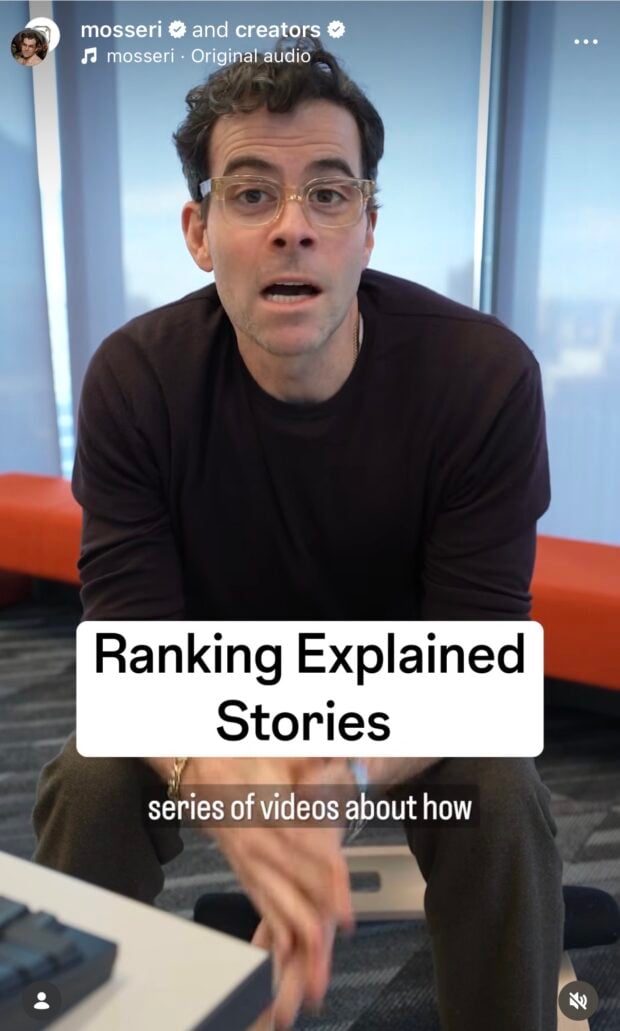
Adam Mosseri, Head of Instagram, emphasizes two main avenues for content to achieve reach: through followers and through recommendations to non-followers. For both, key metrics are "watch time, likes, and shares (or sends)." Marketers are advised to closely monitor engagement rates, average watch time, likes per reach, and sends per reach in their analytics. Eileen Kwok, former Social Marketing Specialist at Hootsuite, recommends actively engaging in comments. Replying to comments, even simple thank-yous, boosts engagement signals. Jason Fung, Marketing Coordinator at Black & White Zebra, suggests including clear calls to action (CTAs) or open-ended questions in captions to encourage interaction. Moreover, conciseness is key; with users scrolling rapidly, content must deliver value quickly. Posts that are easily digestible and immediately engaging are more likely to hold attention and improve ranking.
Instagram Reels Algorithm: The Entertainment Engine
Reels, Instagram’s short-form video feature, operates with an "entertainment-first" lens. Its AI algorithm is designed to predict which videos will be most entertaining to a user, drawing from a vast pool of potential content, then scoring and ordering them. The ranking signals for Reels mirror those of the Feed but are amplified through the lens of video consumption:

- User Activity: Which Reels a user has liked, commented on, saved, or shared, and their interaction with audio tracks or trends.
- Engagement with the Creator: The likelihood of a user engaging with content from a particular creator, based on past interactions.
- Information about the Reel: Audio usage, video quality, and popularity.
- Information about the Creator: The creator’s overall engagement and the quality of their content.
The algorithm predicts the likelihood of a user watching a Reel to completion, liking it, commenting on it, or sharing it. Reels that consistently elicit these high-value interactions are pushed higher in the feed.
Optimizing for Reels:
Mosseri outlines essential best practices for Reels: prioritize entertainment, aim for high-quality video (avoiding watermarks from other platforms), use trending audio, and experiment with creative tools. Experts, including Fung, advise keeping Reels under 90 seconds, despite the platform’s 3-minute limit. Shorter videos significantly increase the chances of a viewer watching to completion, a critical ranking signal. Looping Reels, where the end seamlessly transitions to the beginning, can also artificially extend watch time, a tactic Fung highlights for its effectiveness.

Instagram Stories Algorithm: Fostering Close Connections
Stories, being primarily from accounts a user follows, emphasize the strength of the relationship between the user and the creator. The AI focuses on how close the user is to each creator and how consistently they engage with their content. Key signals include:

- Viewing History: How often a user views stories from a particular account.
- Engagement History: Likes, replies, and reactions to stories.
- Proximity to Creator: Inferred social connections and direct interactions.
Mosseri states that the top ranking factors for Stories are the likelihood of a user tapping into a Story, liking it, or replying to it. Stories that spark direct action or conversation are heavily favored.
Optimizing for Stories:
Fung stresses the importance of consistent posting to maintain visibility in the Stories bar. However, Kwok cautions against overposting; exceeding five story slides can lead to a noticeable dip in views and engagement, as users tend to drop off. Quality over quantity is paramount. Encouraging interaction through polls, questions, quizzes, and link stickers is vital. These interactive elements not only boost engagement signals but also drive traffic and foster community.

Instagram Explore Page Algorithm: The Discovery Hub
The Explore Page is Instagram’s primary discovery engine, predominantly featuring content from accounts a user does not follow. Its algorithm relies heavily on past user behavior to suggest new content. It analyzes what a user has interacted with previously and then sources similar content to test its appeal. The Explore page utilizes the most ranking signals of any Instagram surface, including:

- Post Popularity: Overall engagement metrics of a post (likes, comments, saves, shares).
- User Activity: The types of posts a user has interacted with on the Explore page in the past.
- Creator Engagement: The user’s past interactions with the creator, if any.
- Content Type: The specific formats and topics a user shows interest in.
Optimizing for the Explore Page:
Social SEO is paramount for Explore page visibility. Fung emphasizes the critical need for keyword-rich content in captions, bios, and even alt text. This helps Instagram’s AI accurately index content and present it to relevant audiences. For example, a fitness creator using "beginner arm workout" and "workout for women" hashtags and keywords makes their content discoverable to specific search queries. Furthermore, capitalizing on viral momentum is crucial; Mosseri notes that posting additional relevant content within a day or two of a viral hit can significantly boost the ranking of subsequent posts. Utilizing Trial Reels, which allows creators to test content with non-followers before a broad release, is also an effective strategy for gauging virality potential for the Explore feed.
Key Algorithm Changes and Their Implications for 2026

Instagram’s AI ranking systems are in a constant state of flux, with several significant updates rolled out in late 2025 and early 2026, profoundly shaping content strategies.
Instagram’s "Your Algorithm" Feature:
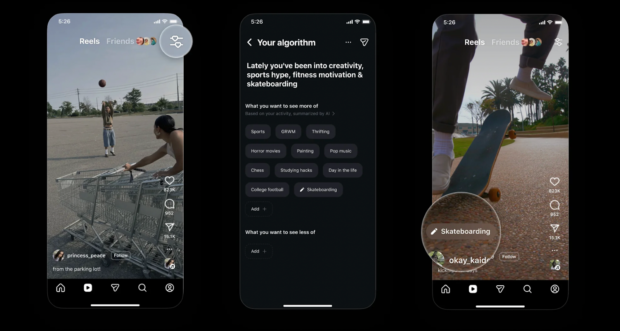
Launched in December 2025, "Your Algorithm" provides users with unprecedented control over their Reels algorithm. Users can review topics Instagram believes they care about, add new interests, or down-rank unwanted subjects.

- Marketer Implications: This shift demands that Reels content precisely matches the actively chosen interests of an audience, moving beyond general predictions. A mismatch, even with well-produced content, can lead to reduced visibility. Content creators must focus on niche relevance and clear thematic alignment.
AI Translations for Reels:
Late 2025 saw the introduction of AI-powered translations for Reels, initially supporting Hindi, Portuguese, English, and Spanish, with more languages anticipated. This feature translates both text and audio.
- Marketer Implications: Mosseri highlighted translations as a potent tool for boosting reach. Clear, concise captions and dialogues now have the potential to transcend language barriers, significantly expanding audience engagement. This opens doors for global content strategies and necessitates attention to clear communication.
Increased Weight on Shares as a Ranking Signal:
Instagram is now placing greater emphasis on shares, aiming to "inspire content that brings people together." A user sharing a video with a friend is seen as a stronger signal of genuine connection than a simple "save."

- Marketer Implications: Eileen Kwok advises social media teams to brainstorm content explicitly designed to encourage sharing. This could include relatable memes, genuinely funny videos, or practical tips that users would naturally forward to their network, fostering authentic community interaction.
Focus on Creativity and Connection:
For 2026 and beyond, Instagram is prioritizing creativity and genuine connection. As AI evolves, the platform is actively rewarding fresh, original content tailored for Instagram, rather than repurposed material from other platforms (e.g., TikTok watermarks).
- Marketer Implications: Kwok notes that "the algorithm will start prioritizing and rewarding content that is original and creative." This means investing in unique formats, pacing, and storytelling native to Instagram. Leveraging user-generated content (UGC), such as customer photos and reviews, is also an effective way to maintain authenticity and drive connection.
Trial Reels:
Introduced last year, Trial Reels allow creators to produce and test a Reel exclusively with non-followers. Mosseri describes it as an excellent way to gauge content performance with a cold audience before a broader release.

- Marketer Implications: This feature is invaluable for A/B testing content ideas, hooks, and formats without risking engagement with an established audience. A strong performance in a Trial Reel provides a green light for wider distribution, optimizing resource allocation.
Teen Restriction Accounts Launch:
In late 2024/early 2025, Instagram rolled out "Teen accounts," which are automatically configured with "more protective teen safety settings."
- Marketer Implications: Jason Fung underscores this as a critical reminder for brands to re-evaluate content for potential harm, especially concerning Gen Z audiences. Content unsuitable for younger demographics could inadvertently affect algorithm effectiveness and brand reputation. Ethical content creation and adherence to platform guidelines are more important than ever.
Broader Impact and Strategic Implications

The cumulative effect of these algorithmic shifts and feature introductions is a more personalized, AI-driven Instagram experience that demands highly adaptive and strategic content creation. For enterprise social teams, the implications are significant:
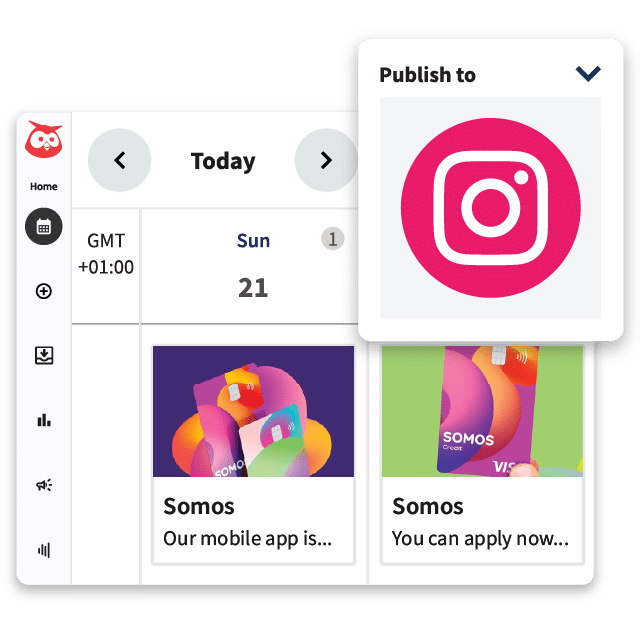
- Data-Driven Content Strategy: Reliance on analytics is paramount. Tools like Perch by Hootsuite, with its "Best Time to Post" feature, become indispensable for analyzing audience data and pinpointing optimal publishing times to avoid "engagement dead zones."
- Audience-Centricity: Content must be deeply aligned with audience preferences, not just what a brand wants to share. The "Your Algorithm" feature for Reels is a stark reminder that user choice now directly influences visibility.
- Authenticity and Originality: The emphasis on "creativity and connection" challenges brands to produce native, high-quality content that feels genuine. Generic or repurposed content will likely suffer in reach.
- Global Reach through AI: AI translations open up new markets, requiring a thoughtful approach to multilingual content and localization.
- Engagement Engineering: Content strategies must explicitly encourage shares, saves, comments, and replies. This means creating valuable, inspiring, or entertaining content that naturally prompts interaction.
- Agile Content Testing: Features like Trial Reels promote an agile approach to content, allowing for experimentation and refinement before full-scale deployment.
In 2026, navigating the Instagram algorithm requires a sophisticated understanding of AI-driven personalization, a commitment to authentic engagement, and continuous adaptation to platform evolution. Brands and creators who embrace these principles will be best positioned to thrive in Instagram’s ever-changing digital ecosystem.
Related posts: