Decoding the Trustworthiness of Big Media Product Recommendations in the Affiliate Marketing Era

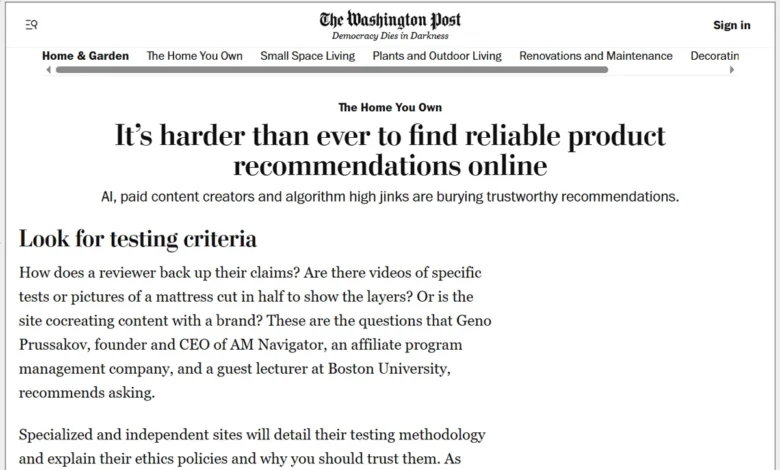
The landscape of digital journalism has undergone a profound transformation over the last decade, shifting from a primary reliance on display advertising to a diversified model that heavily incorporates commerce-driven content. As traditional revenue streams like print subscriptions and banner ads have dwindled, major media conglomerates have increasingly leveraged their established brand authority to monetize consumer intent. This trend has manifested in the ubiquity of online product recommendation lists, "best-of" roundups, and gift guides. While these publications offer a veneer of expert curation, the underlying financial mechanisms—specifically affiliate marketing and placement fees—have raised significant questions regarding the objectivity and reliability of such endorsements. Industry experts, including Geno Prussakov of AM Navigator, have recently highlighted the complexities of this "authority monetization," emphasizing the need for consumer vigilance even when navigating content from historically reputable news organizations.
The Rise of Commerce-Driven Journalism
For many years, the distinction between "church and state"—the editorial department and the advertising department—was a sacred tenet of high-level journalism. However, the economic realities of the 21st century have blurred these lines. Today, nearly every major media house, from The New York Times and The Washington Post to Forbes and CNN, operates a dedicated commerce division. These teams are tasked with creating content that ranks well in search engine results pages (SERPs) for high-intent keywords such as "best cordless vacuums" or "top-rated credit cards."
This shift is not merely a survival tactic but a strategic utilization of "Search Engine Authority." Search engines like Google prioritize established domains with high trust scores. When a legacy media outlet publishes a product review, it often outranks smaller, niche blogs that may have performed more rigorous testing, simply because the media outlet’s domain is deemed more authoritative. This phenomenon has created a lucrative environment where big media can convert their reputation into a consistent stream of affiliate revenue, earning a commission on every sale generated through their links.
Chronology of the Media Monetization Evolution
The transition to affiliate-heavy content did not happen overnight. It is the result of a multi-stage evolution in the digital media ecosystem:
- The Pre-2010 Era: Digital media relied almost exclusively on CPM (Cost Per Mille) advertising. Product reviews were largely the domain of niche hobbyist sites and technical publications like CNET or PCMag.
- 2011 – The Wirecutter Milestone: The launch of The Wirecutter by Brian Lam marked a turning point. It focused on exhaustive testing and clear, affiliate-linked recommendations. Its acquisition by The New York Times Company in 2016 for approximately $30 million signaled to the entire industry that "service journalism" was a viable and necessary business model.
- 2015-2019 – The Expansion Phase: Major publishers began launching dedicated commerce verticals. CNN introduced "CNN Underscored," New York Magazine revitalized "The Strategist," and Forbes launched "Forbes Vetted." During this period, publishers began hiring "Commerce Editors" whose primary KPI was the revenue generated per article.
- 2020-Present – The Saturation and Regulation Era: The COVID-19 pandemic accelerated e-commerce adoption, leading to a surge in product roundups. However, this saturation prompted Google to release several "Product Review Updates" to its search algorithm, aimed at rewarding high-quality, firsthand research over thin, curated lists. Simultaneously, the Federal Trade Commission (FTC) tightened its guidelines on affiliate disclosures, requiring clearer transparency for consumers.
Supporting Data: The Economics of Affiliate Marketing
The scale of the affiliate marketing industry provides context for why big media has pivoted so aggressively toward this model. According to industry reports from Influencer Marketing Hub and Statista, the global affiliate marketing spend is estimated to reach over $15.7 billion by the end of 2024. In the United States alone, affiliate marketing spending has seen a consistent annual growth rate of over 10% since 2010.
For large publishers, the revenue generated from these links is substantial. It is estimated that for some major digital lifestyle brands, commerce-driven content now accounts for 25% to 40% of total digital revenue. This income is derived from several sources:

- Affiliate Commissions: A percentage of the sale price, typically ranging from 1% to 15% depending on the category.
- Placement Fees (Flat Fees): Brands pay a premium to be featured in a specific list or to be ranked as the "top pick."
- EPC (Earnings Per Click) Guarantees: Some publishers negotiate contracts where the advertiser guarantees a minimum return for every click sent to their site, regardless of whether a sale occurs.
The Internal Vetting Process: How Media Outlets Maintain Credibility
Despite the financial incentives, most major media organizations maintain that their editorial integrity remains uncompromised. To preserve their brand’s long-term value, these outlets often implement rigorous vetting processes. According to industry insiders and experts like Prussakov, there are four primary ways these organizations "do their homework":
- Strict Product Selection: Commerce editors often start with a wide pool of products and narrow them down based on historical performance, brand reputation, and preliminary research before any testing begins.
- Hands-on Testing: Many top-tier outlets have invested in physical testing labs. For instance, The Wirecutter and Good Housekeeping employ engineers and specialists to run controlled experiments on products, ensuring that recommendations are based on performance data rather than marketing materials.
- Expert Consultations: When testing specialized equipment, such as medical devices or high-end electronics, publishers often interview independent subject matter experts to validate their findings.
- Rigorous Disclosure Protocols: To comply with FTC mandates and maintain reader trust, reputable sites include clear disclosures at the top of their articles, stating that they may earn a commission from purchases made through their links.
The Conflict of Interest: When Rankings are Influenced by Fees
While vetting processes exist, the reality of the business often introduces a conflict of interest. At times, the ranking of a product is influenced by the financial arrangement with the advertiser rather than the product’s inherent quality. This is particularly prevalent in highly competitive sectors like mattress reviews, software-as-a-service (SaaS), and financial products.
If a merchant offers an "inflated" commission rate or a high "EPC guarantee," their product may receive a more prominent position on a list. In some cases, a superior product from a company that does not offer an affiliate program may be excluded entirely from a "Best Of" list because the publisher cannot monetize the traffic sent to that brand. This creates a "pay-to-play" environment that can mislead consumers who assume the list is an objective ranking of all available options in the market.
Consumer Protection Strategies in a Monetized Market
As the lines between editorial content and advertising continue to blur, consumers must adopt a more analytical approach to online shopping. Experts suggest four critical steps for shoppers to better equip themselves in their buying decisions:
- Scrutinize the Disclosure: Look for the affiliate disclosure. While its presence is a legal requirement, its placement can tell you something about the site’s transparency. More importantly, consider if the site also recommends products that don’t have affiliate links. A site that only recommends "monetizable" products may be biased.
- Evaluate the Testing Methodology: A trustworthy review should clearly explain how the product was tested. Does the article include original photography of the product in use, or does it rely on stock images provided by the manufacturer? Does it list specific metrics and comparison data?
- Cross-Reference Multiple Sources: Never rely on a single "Best Of" list. Compare the recommendations from a legacy media outlet with those from niche, independent reviewers and user-generated platforms like Reddit or specialized forums. Consistency across diverse sources is a strong indicator of a product’s quality.
- Analyze the Consistency of "Top Picks": If a specific brand is ranked #1 across ten different major media sites, it may be because it is truly the best—or it may be because that brand has the most aggressive affiliate program in the industry. Look for outliers and try to understand why one reviewer might disagree with the consensus.
Broader Impact and the Future of Media Recommendations
The implications of this shift extend beyond individual consumer choices. The dominance of big media in the product recommendation space has made it increasingly difficult for independent, small-scale reviewers to survive. This consolidation of "review power" could lead to a less diverse information ecosystem where only the largest brands and the largest publishers thrive.
Furthermore, the advent of Artificial Intelligence (AI) and Search Generative Experiences (SGE) is poised to disrupt this model once again. AI tools can now aggregate reviews from across the web, potentially bypassing the need for consumers to click on a publisher’s link. This could force media companies to innovate further, perhaps moving toward subscription-based "pro" reviews or even more integrated shopping experiences within their own platforms.
In conclusion, while the product recommendations found in big media outlets are often the result of significant research and testing, they are undeniably tied to a complex web of financial incentives. The authority of a brand like The Washington Post or Forbes provides a level of baseline trust, but it does not exempt the reader from the responsibility of critical thinking. As "commerce journalism" continues to be the lifeblood of the modern media industry, the burden of discernment increasingly falls on the consumer to distinguish between an objective recommendation and a sophisticated advertisement.