The Comprehensive History of Social Media: From Early Online Communities to AI-Driven Feeds

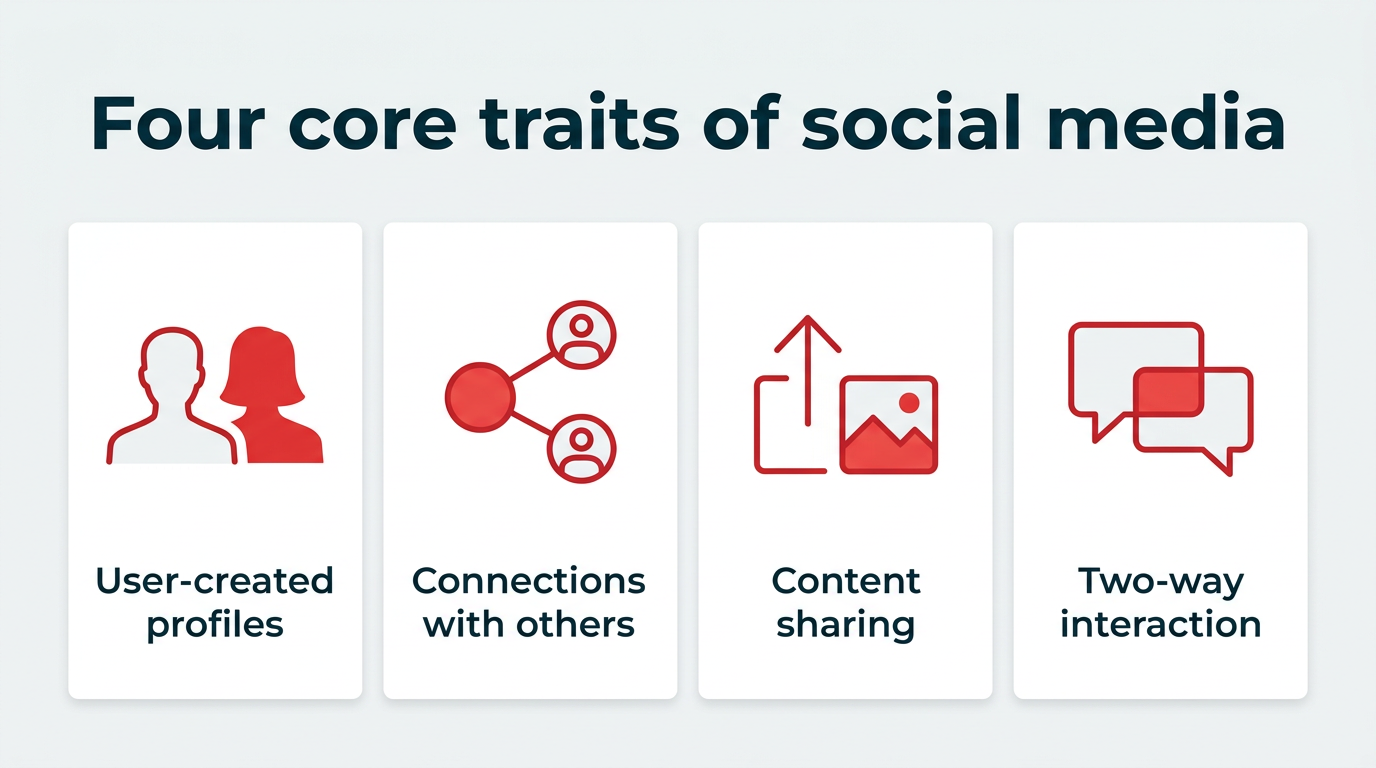
The landscape of human communication has been fundamentally reshaped by social media, evolving from rudimentary online bulletin boards to sophisticated, AI-powered global platforms that connect billions. Defined by the ability for individuals to create profiles, forge connections, and share user-generated content in real-time, social media is less about a single application and more about a set of shared characteristics that distinguish it from mere websites or chat tools. This distinction is crucial when tracing its origins, as the "first" platform depends on where one draws the line in this steady, often rapid, evolution. At its core, social media facilitates persistent online identity, network formation, and the dynamic exchange of information, blurring the lines between personal expression and public discourse, and transforming industries from marketing to politics.
The Genesis of Digital Connection: Proto-Social Platforms (1970s – Early 1990s)

Before the advent of profiles and personalized feeds, the foundational desire for people to connect through networked computers laid the groundwork for modern social media. The 1970s saw the emergence of rudimentary systems that allowed public interaction. The PLATO system, developed by the University of Illinois in 1970, offered features akin to an early social network, primarily within academic circles. More publicly accessible was Community Memory, established in Berkeley, California, in 1973. This pioneering computerized bulletin board system enabled individuals to post and read messages at shared terminals, demonstrating an early appetite for digital communal spaces. These early systems, though text-only and technically demanding, proved a critical point: computers were not merely for calculations but powerful conduits for human interaction.
The 1980s and early 1990s witnessed the assembly of essential building blocks for what would become modern social media. In 1979-1980, Tom Truscott and Jim Ellis launched Usenet, a distributed discussion system often cited as the first open social media application, fundamentally shaping the concept of networked communities. This system allowed users to post messages, known as "articles," to newsgroups, which were then propagated across a global network of servers, enabling discussions on diverse topics. The late 1980s brought Internet Relay Chat (IRC) in 1988, popularizing real-time group text conversations and fostering immediate digital interaction. With the rise of the World Wide Web, GeoCities emerged in 1994, empowering everyday users to construct and share personal web pages, categorized by "neighborhoods" and "cities," fostering a sense of virtual community and personal expression. This era culminated with the widespread adoption of AOL Instant Messenger (AIM) by the late 1990s, making "buddy lists" and "status messages" commonplace, teaching a generation the habits of instant communication and public sharing that would later scale globally.
The Rise of Profile-Based Social Networks (Mid-1990s – Early 2000s)

The late 1990s marked a pivotal shift with the introduction of the first profile-based social networks, establishing the modern model of personal profiles linked to a network of connections. SixDegrees.com, launched in 1997 by Andrew Weinrich, is widely recognized as the inaugural true social media platform. It allowed users to create personal profiles, list their friends, and send messages within their network, attracting approximately 3.5 million registered members before its eventual acquisition and closure in 2000. Its innovation lay in explicitly defining connections, a precursor to the "friend" concept.
The early 2000s saw a burgeoning landscape of similar platforms. LiveJournal, founded in 1999, provided an early blogging and social journaling community, allowing users to share personal updates with selected audiences. Friendster, launched in 2002, initially conceived as a dating site leveraging mutual friends, quickly pioneered mainstream social networking. Its rapid surge in popularity in 2003, however, overwhelmed its servers, leading to performance issues and user migration. This paved the way for MySpace (originally MySpace) in 2003, which quickly became the dominant platform for millions of young users. MySpace’s highly customizable public profiles, often adorned with music, videos, and personal photos, resonated deeply with youth culture, selling to NewsCorp in 2005 when it boasted 25 million users. Concurrently, LinkedIn also launched in 2003, establishing itself as the premier professional networking site, focusing on career connections and development, and notably becoming profitable early by offering premium packages. This period solidified the profile-plus-connections paradigm, setting the stage for the Web 2.0 era.
The Web 2.0 Revolution: Feeds, Sharing, and Global Expansion (2004-2010)
The mid-2000s ushered in the Web 2.0 era, where social media transitioned from a niche interest to a mainstream daily habit for millions. This period was defined by the popularization of real-time feeds, video sharing, and widespread user-generated content. In 2004, Mark Zuckerberg launched "The Facebook" from his Harvard dorm room, initially an exclusive university network. Its rapid growth and eventual open registration saw it shed "The" in 2005, quickly becoming the world’s largest social network.
The year 2005 also saw the launch of YouTube, which quickly revolutionized video sharing. Acquired by Google in 2006, YouTube reached 100 million daily video views, transforming individuals into content creators and giving birth to the social media influencer through its partnership program in 2007. Twitter (originally twttr) took flight in 2006, introducing real-time microblogging with its concise 140-character limit. Co-founder Jack Dorsey’s first tweet, "just setting up my twttr," heralded a new form of immediate, public communication. Its significance was amplified by the community-driven adoption of the hashtag, proposed by Chris Messina in 2007, which allowed for topic tagging and aggregation. Hashtags quickly proved their power in organizing information and mobilizing social and political movements, from #SanDiegoFire to later global campaigns like #Occupy, #BlackLivesMatter, and #MeToo.
Microblogging further expanded with Tumblr’s launch in 2007, blending elements of blogging, YouTube, and Twitter into a unique social journaling experience. This era also marked the global proliferation of social media, with platforms like China’s Sina Weibo (Weibo) launching in 2009, becoming a dominant force in its market after Facebook and Twitter were banned. Location-based social networking also emerged with Foursquare in 2009, allowing users to "check in" to physical locations and earn virtual badges, paving the way for location tagging in future apps.
The Mobile-First and Visual Dominance Era (2010-2016)
The widespread adoption of smartphones fundamentally reshaped social media, making it mobile-first and visually driven. Text updates increasingly gave way to photos, short videos, and live streams as the primary modes of sharing. On July 16, 2010, Instagram launched, quickly captivating users with its photo-sharing capabilities and distinctive filters. Its mobile-first approach and focus on visual aesthetics propelled it to become one of the most downloaded apps globally. Pinterest, launched in 2011 after a closed beta in 2010, offered a unique visual discovery platform, allowing users to "pin" images and ideas to virtual boards, fostering communities around shared interests.
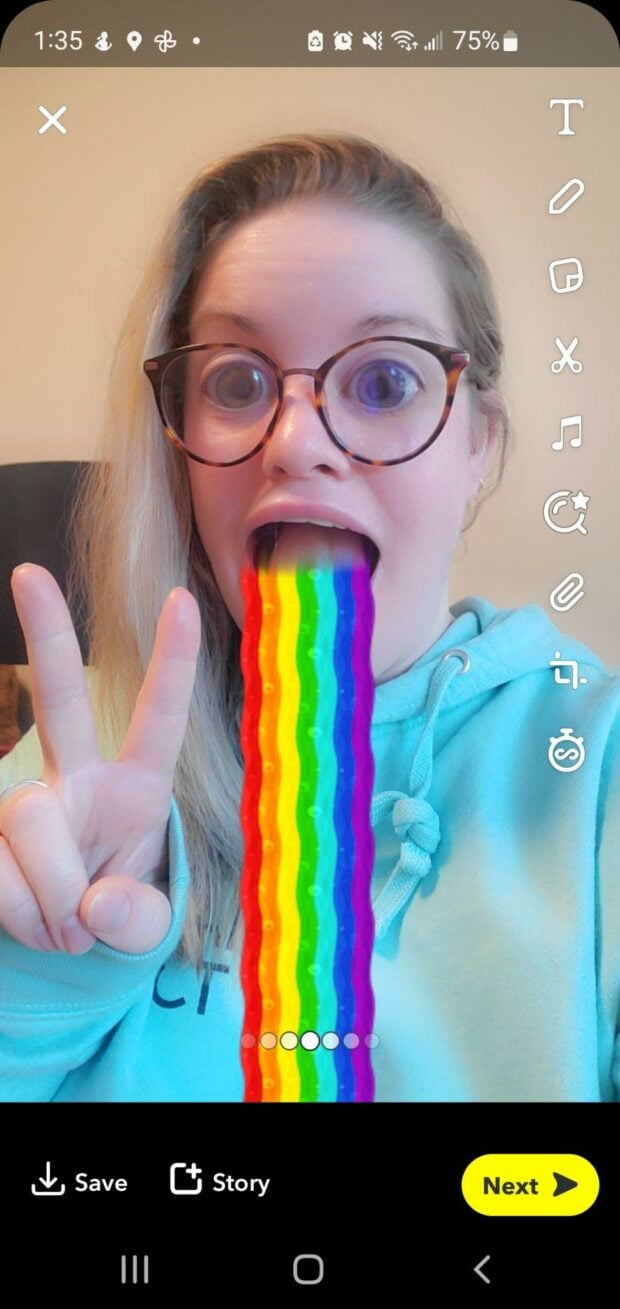
In 2011, Snapchat (initially "Picaboo") introduced ephemeral content, where photos and videos disappeared after 24 hours. This feature, combined with playful filters, resonated strongly with a younger demographic seeking a more private and authentic space away from the burgeoning family presence on Facebook. The year 2012 was monumental for Facebook, as it announced reaching one billion users, a testament to its unparalleled global scale. In the same year, Facebook strategically acquired Instagram for a staggering one billion dollars, solidifying its hold on the visual sharing market.
This period also ignited the "live-streaming wars." Vine, acquired by Twitter before its 2013 launch, popularized six-second looping videos, fostering a distinct genre of internet humor and influencing future short-form video formats, though it eventually faded as larger platforms integrated similar features. Twitch, spun out of Justin.tv, became the dominant platform for live video game streaming, attracting 45 million unique viewers by 2013 before its acquisition by Amazon. Mobile live-streaming surged with Meerkat and Twitter’s Periscope, which was named iOS App of the Year in 2015. The cultural impact of visual sharing was undeniable, epitomized by Twitter declaring 2014 the "Year of the Selfie" after Ellen DeGeneres’s Oscar selfie broke retweet records. By 2016, Instagram integrated "Stories," directly challenging Snapchat’s ephemeral content model and further embedding visual narratives into daily online life.
Reshaping the Landscape: Short-Form Video, Creator Economy, and Data Scrutiny (2016-2022)
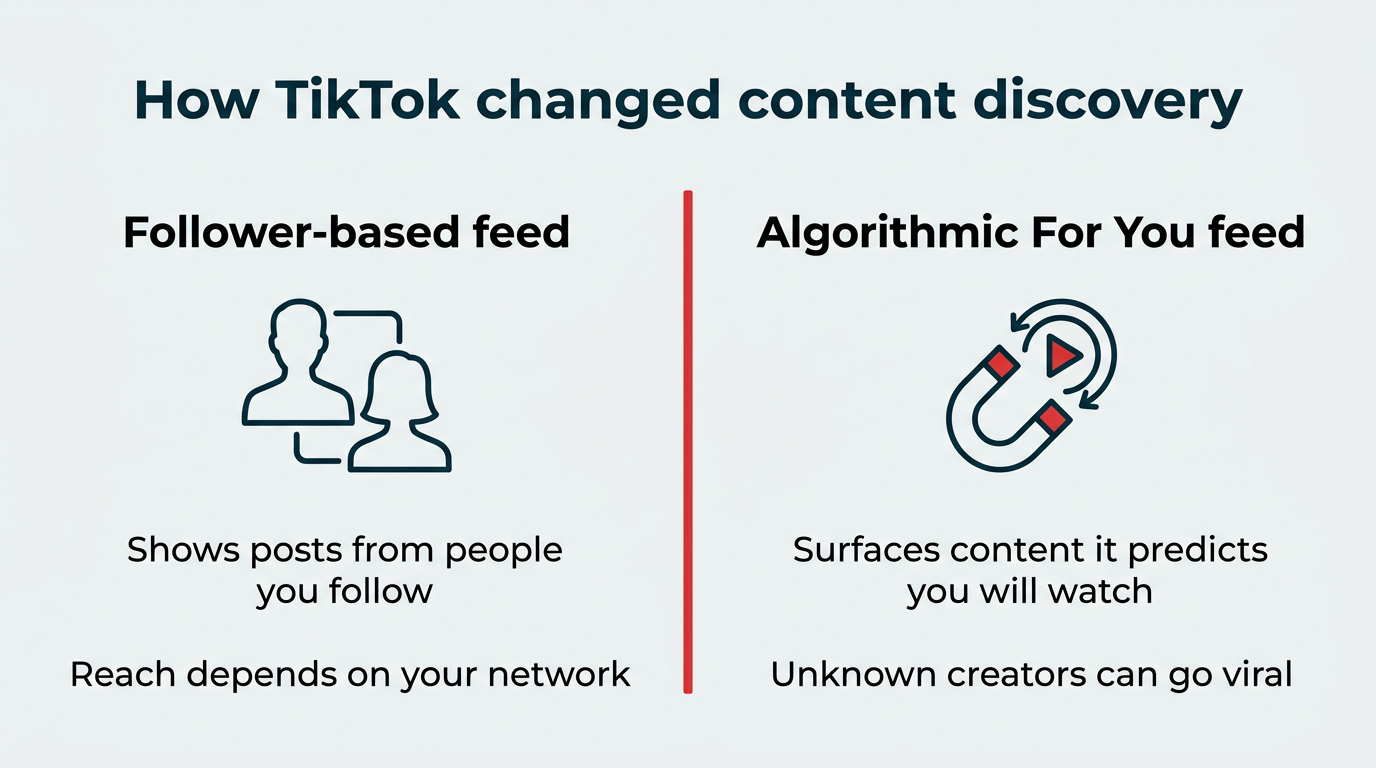
The period from 2016 to 2022 saw social media undergo its most dramatic acceleration, characterized by the meteoric rise of short-form video, the expansion of the creator economy, and a stark reckoning with data privacy. Douyin, launched by ByteDance in China, expanded globally as TikTok in 2017, fundamentally altering content discovery. Unlike previous platforms that prioritized content from followed accounts, TikTok’s "For You" page employed an advanced algorithm to surface highly personalized content, based on predicted user interest, regardless of follower count. This algorithmic shift profoundly influenced global music, fashion, language, and news consumption, making TikTok one of the most culturally significant platforms of the era.
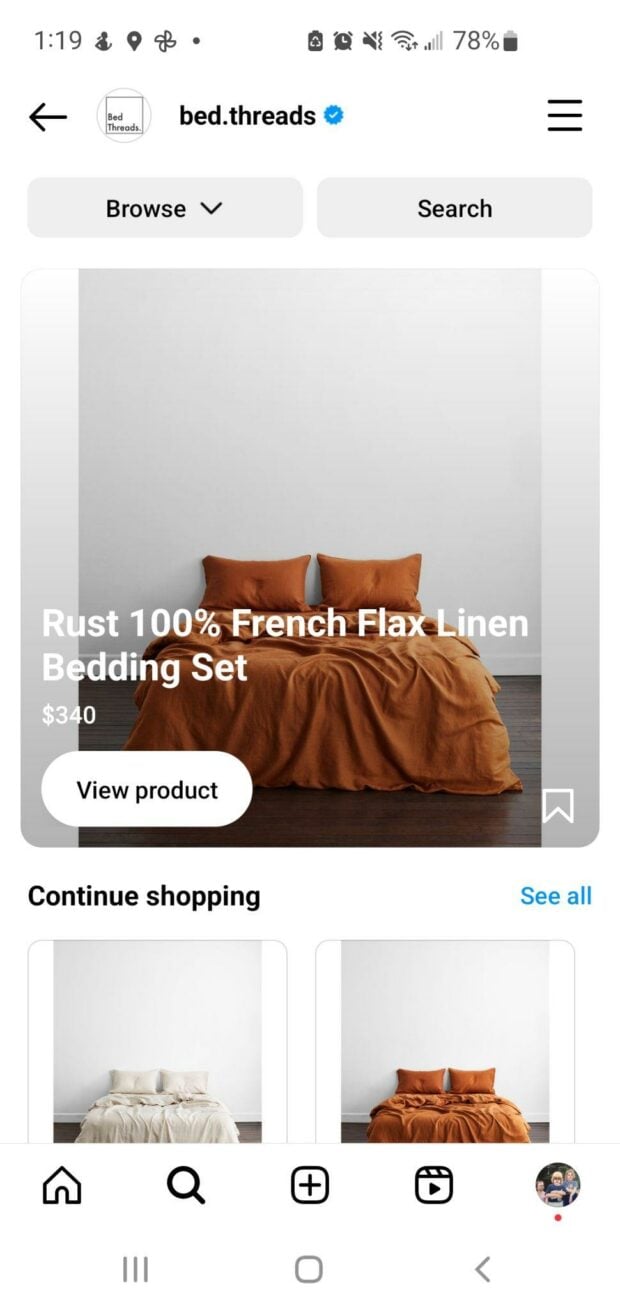
The creator economy flourished, providing new monetization avenues. Patreon, founded by Sam Yam and Jack Conte, allowed users to subscribe to exclusive content from creators, fostering direct fan support. Major platforms also enhanced their creator tools; Instagram launched IGTV for long-form video in 2018 and Reels for short-form video in 2020, while Twitter doubled its character limit to 280 and introduced "threads" for extended narratives. The global pandemic further accelerated the integration of commerce into social experiences. Facebook and Instagram introduced "Shops" in 2020, enabling in-app purchases and marking a significant step in the rise of social commerce. TikTok Shop soon followed, seamlessly blending short-form video entertainment with live shopping capabilities.
This era also brought critical questions about trust and responsibility. The Cambridge Analytica scandal in 2018 revealed that Facebook had allowed a researcher to harvest data from up to 87 million users without consent, leading to CEO Mark Zuckerberg’s testimony before the U.S. Congress and igniting global concerns about data privacy. Further disclosures by Facebook about foreign agent interference in the 2016 U.S. election amplified calls for content integrity and platform accountability. These events firmly placed data privacy, content moderation, and platform governance at the forefront of the social media conversation, prompting increased regulatory scrutiny worldwide.
The Present and Future: Fragmentation, AI, and Decentralization (2022-2026+)
The most recent chapter in social media’s history is defined by platform fragmentation, the rapid integration of artificial intelligence, and a growing push for decentralization and regulation. In 2022, Elon Musk’s acquisition of Twitter, followed by its rebranding to X, triggered significant shifts, including paid verification, visible view counts, and a controversial release of its recommendation algorithm. This period of ownership change and policy adjustments led to advertiser caution and user frustration, creating an opening for new competitors.
Meta capitalized on this opportunity, launching Threads in 2023 as a text-based rival to X, quickly attracting millions of users within days. Concurrently, decentralized platforms like Bluesky experienced rapid growth as users sought alternatives to centralized control. This resulted in a more fragmented social media landscape, where audiences and creators are increasingly distributed across multiple text-based platforms. The future is also being profoundly shaped by AI, which is increasingly integrated for personalized content recommendations, automated content generation, advanced moderation, and enhanced user experiences. This includes features like AI-driven content creation tools, personalized ad targeting, and sophisticated chatbot interactions. Regulatory efforts continue to mount, particularly regarding data privacy, content moderation, and the potential societal impact of platforms like TikTok, which faces scrutiny over data security and algorithmic influence. The concept of the "metaverse" continues to evolve, promising immersive, interconnected virtual worlds where social interaction, commerce, and entertainment converge. Simultaneously, new business models centered around subscription services, creator monetization, and direct-to-consumer commerce are becoming more prevalent.
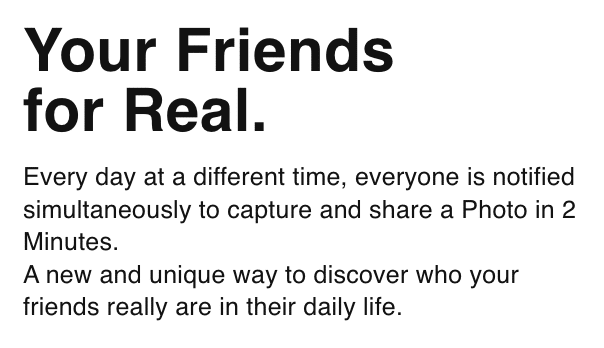
Not all experiments during this period have sustained their initial buzz. Social audio app Clubhouse, which surged during 2020 lockdowns, struggled to maintain relevance as restrictions eased. Similarly, the photo-sharing app BeReal, briefly the most popular social app in the App Store, saw its novelty fade before its acquisition by mobile game maker Voodoo, serving as a reminder that viral success does not guarantee long-term scale.
Social Media’s Transformative Impact and Future Trajectories
Social media has fundamentally rewired communication, shifting from a one-to-many broadcast model to a dynamic, many-to-many conversation. This paradigm shift has empowered billions to create, share, and respond in real-time, profoundly influencing how we consume news, discover products, and form communities. It has given rise to the "attention economy," where platforms fiercely compete for every spare second of user engagement, and fostered "influencer culture," where individual creators command audiences larger than many traditional media outlets. Moreover, it has blurred the traditional boundaries between personal and public life, as a single post can instantaneously reach a global audience.
For businesses, social media has evolved from a peripheral marketing channel to a core strategic function. Marketing, customer care, employee advocacy, and employer branding are now intrinsically linked to social channels, requiring sophisticated tools and strategies to manage at scale. The ability to engage directly with consumers, gather real-time feedback, and measure campaign performance has transformed traditional advertising into an interactive, data-driven discipline.

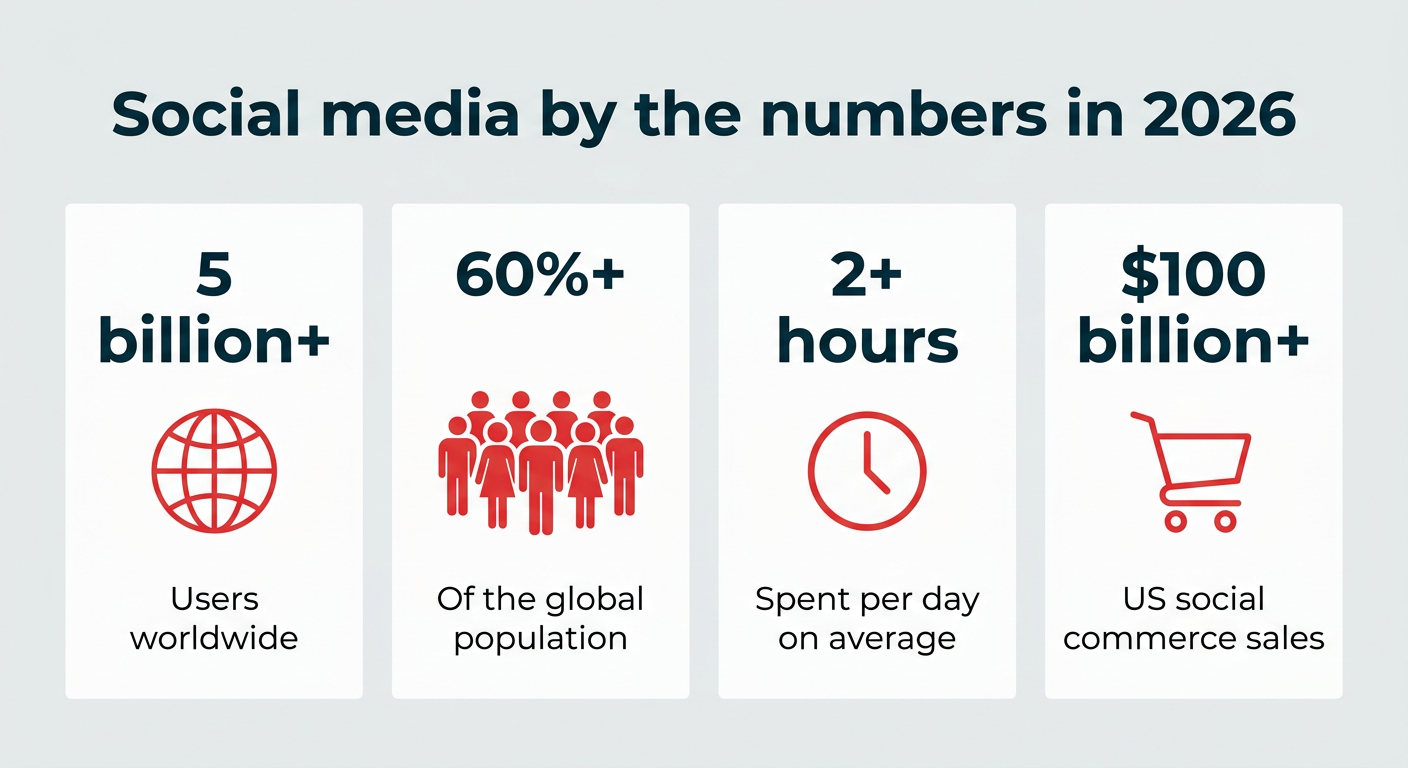
Looking ahead, the history of social media suggests that its evolution will continue to be driven by new formats, innovative business models, and an ongoing negotiation of trust and regulation. Key future trends include deeper AI integration for hyper-personalization and content generation, continued growth of decentralized platforms offering alternatives to centralized control, increased regulatory oversight addressing data privacy and content integrity, and a seamless integration of commerce and creator tools directly into social experiences. For individuals and organizations alike, success in this perpetually evolving digital frontier will depend on a flexible social strategy, early adaptation to new formats, adherence to emerging ethical guidelines, and a commitment to meeting audiences authentically wherever they gather. As of 2026, with over 5 billion people worldwide actively engaging with social media—representing more than 60% of the global population—its enduring significance as a communication channel and cultural force remains undeniable.
Related posts: