The digital publishing industry is experiencing a notable shift in monetization strategies following the recent rollout of Stay22’s retail affiliate program. Traditionally recognized as a specialized artificial intelligence-driven affiliate platform tailored exclusively for travel bloggers and tourism-related websites, Stay22 has officially expanded its technological capabilities to accommodate general retail content creators. This strategic pivot allows publishers across a wide variety of commercial verticals to leverage the company’s automated link monetization software, opening up new revenue streams in an increasingly competitive digital marketplace.
Background and Evolution of Stay22
Founded to streamline the complex process of travel booking monetization, Stay22 initially gained traction by offering algorithmic event-mapping and interactive accommodation maps to tourism websites. The platform utilized artificial intelligence to match travel intent with relevant booking merchants, significantly increasing conversion rates compared to traditional static affiliate links.
Over the years, the company developed sophisticated site-wide integration tools, including automated link insertion and conversion-optimized routing scripts. However, its market reach was fundamentally restricted by its niche focus. Content creators operating outside the travel sector—such as technology reviewers, lifestyle bloggers, and general e-commerce review sites—were unable to utilize the platform’s proprietary technology effectively. Recognizing a broader market opportunity in the wider digital publishing ecosystem, Stay22 leadership authorized the development of a dedicated retail affiliate architecture, culminating in the beta release deployed earlier this month.

Mechanics of the New Retail Affiliate Program
The newly introduced retail program operates through two primary deployment methods designed for seamless integration into existing content management systems.
The first method functions as a conventional affiliate link generator. Publishers can log into the Stay22 dashboard, input specific product or merchant URLs, and generate customized tracking links for use within editorial content.
The second, more transformative method involves a sitewide JavaScript snippet known as the Link Monetization Algorithm (LMA) script. Once embedded into a website’s header or footer, the software operates autonomously behind the scenes. It dynamically converts existing outbound links into monetized affiliate links and strategically injects contextual links where appropriate. The system utilizes machine learning algorithms to route traffic toward the highest-converting retail partners, which reportedly includes several major multinational online retail conglomerates. Because of confidentiality agreements, early adopters have been restricted from publicly naming specific retail partners integrated into the network.
Early Financial Performance and Data
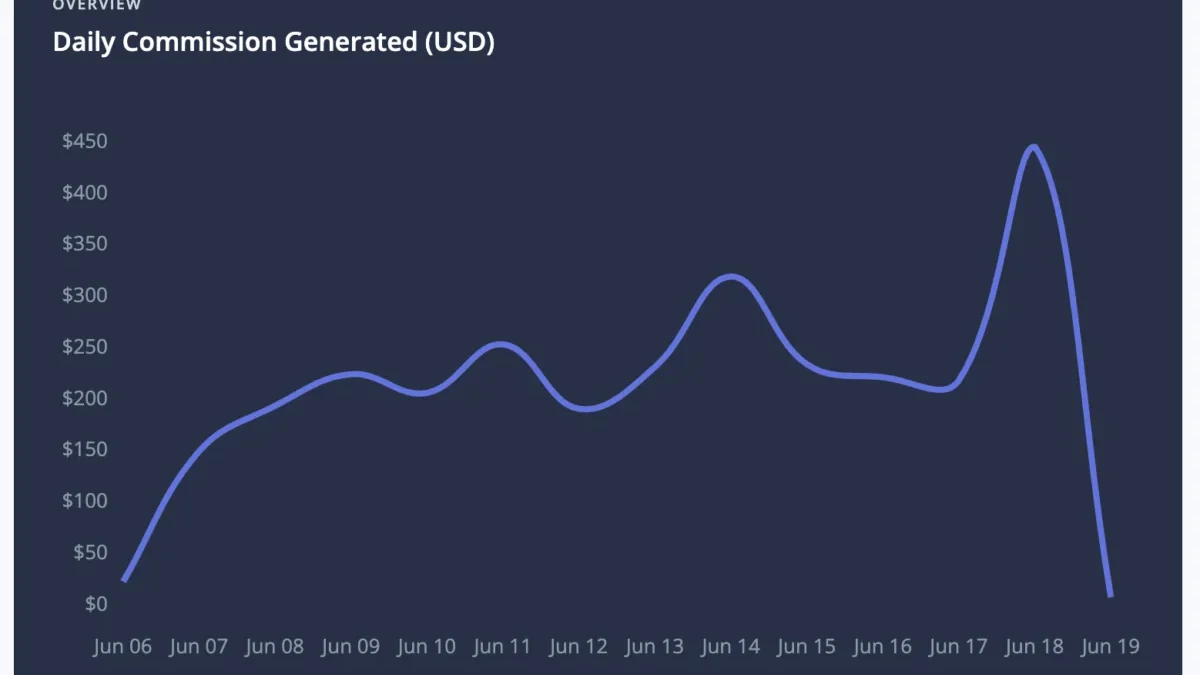
Initial field tests conducted by early-adopter publishers indicate significant revenue acceleration following the deployment of the retail script. Several prominent niche site operators have reported passive daily earnings ranging from $200 to upwards of $4,500 within the first week of implementation.

Crucially, technical evaluations have addressed potential conflicts with existing monetization frameworks, such as programmatic display advertising networks. Publishers running prominent display ad management platforms—including Mediavine and Raptive—have reported that the integration of Stay22’s retail script does not negatively impact advertising revenue per mille (RPM) metrics. Display ad yields have remained stable while total site revenue has experienced a net upward shift, suggesting that contextual retail affiliate integration can coexist harmoniously with programmatic banner advertising.
Technical Limitations and Reporting Infrastructure
Despite the rapid financial gains reported by early users, industry analysts and platform participants have noted certain operational limitations typical of a beta software release. The primary point of friction involves the platform’s reporting dashboard. While Stay22’s legacy travel reporting infrastructure is mature and comprehensive, the newly deployed retail reporting suite remains relatively basic.
Data latency, aggregated metrics, and granular click-through transparency are currently limited compared to established enterprise affiliate networks like Amazon Associates or ShareASale. Stay22 representatives have acknowledged these constraints to early partners, indicating that dashboard enhancements, advanced filtering capabilities, and more detailed analytics are slated for development as the retail program moves out of its initial beta phase.
Industry Implications and Future Outlook
The expansion of Stay22 into the general retail sector reflects a broader trend within the affiliate marketing industry: the convergence of artificial intelligence and automated content monetization. As programmatic ad rates fluctuate and search engine algorithm updates challenge traditional organic traffic models, digital publishers are increasingly turning toward high-yielding affiliate partnerships to diversify revenue streams.

By lowering the technical barrier to entry through automated script deployment, platforms like Stay22 are enabling smaller, independent content creators to monetize large volumes of archival content without manual link-building intervention. If the platform successfully scales its retail infrastructure and refines its reporting tools, it could emerge as a major competitor to established link-optimization networks such as Skimlinks and Sovrn.
For the broader digital publishing community, the development signals a continuing shift toward hands-off, AI-driven monetization models that prioritize user intent and conversion efficiency across diverse content categories. As more publishers test the platform’s capabilities in the coming months, the long-term viability and scalability of automated retail affiliate integration will become clearer across the digital media landscape.