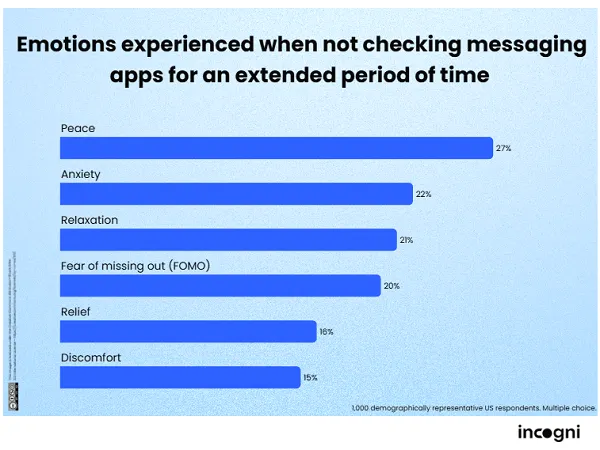
A recent study published by Incogni has illuminated a profound transformation in social media dynamics, signaling a departure from its original premise of social posting and updates towards a landscape dominated by entertainment, algorithmic curation, and short-form content. This significant shift, derived from a survey of 1,000 Americans detailing their evolving social media usage over recent years, reflects broader industry trends and carries substantial implications for users, content creators, and marketers alike.
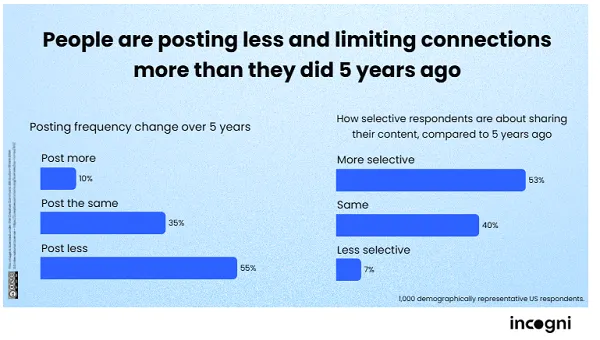
The core finding indicates a marked decline in active posting, with 55% of respondents reporting they post less to social media now compared to five years ago. This aligns with a growing preference for sharing content and updates within more intimate, private direct message (DM) groups, suggesting a retreat from public broadcasting in favor of curated, closed interactions. This trend, however, is not entirely new; historical data has long suggested that a small fraction of users drives the vast majority of public content.
The Retreat from Public Posting: A Decade-Long Trend
The observation that fewer individuals are publicly sharing their lives online is a culmination of trends that have been developing for over a decade. The Incogni study’s finding that 55% of Americans are posting less publicly resonates with earlier analyses of online behavior. As far back as 2006, The Guardian reported on the "90-9-1 principle," a concept suggesting that in most collaborative online communities, approximately 90% of participants are passive consumers (lurkers), 9% contribute occasionally (editors), and only 1% are prolific content creators.
This principle has shown remarkable resilience across various platforms and timeframes. In 2019, Pew Research data revealed a similar concentration of activity on Twitter (now X), where roughly 80% of all tweets were published by a mere 10% of the app’s user base. This enduring disparity underscores a fundamental aspect of online interaction: while platforms aim for broad participation, active creation often remains the domain of a dedicated few. The Incogni study suggests that this proportion may be becoming even more exaggerated, leading to a narrower range of online perspectives being publicly disseminated. This concentration of content creation can contribute to a sense of digital fatigue among those who do post, as maintaining a public persona and generating engaging content can be demanding.
The Burden of Creation: Digital Fatigue and Creator Burnout
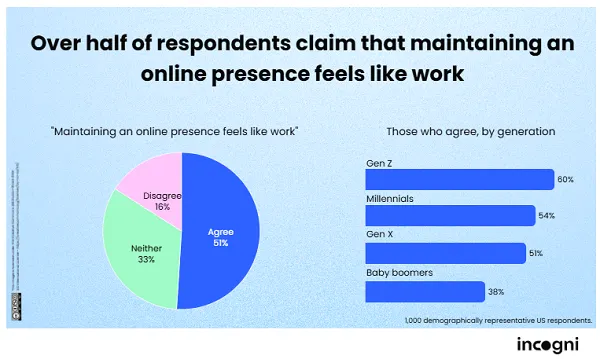
The intensifying pressure on the few active creators is a significant factor contributing to the observed shifts. More than half of the Incogni survey respondents articulated that maintaining a social media presence "feels like work." This sentiment is particularly acute among younger generations, who often harbor aspirations of monetizing their online presence. The meteoric success stories of creators like MrBeast, who has built a vast empire through YouTube, have fostered a perception that online wealth generation is readily achievable by simply pursuing one’s passions.
However, the reality of the creator economy is far more challenging and competitive. Research from Influencer Marketing Hub indicates that over 48% of online creators earn less than $15,000 annually from their digital endeavors. Furthermore, a 2015 TubeFilter study on YouTube revealed that a staggering 95% of all video views were generated by just 5% of active accounts. These figures starkly illustrate the immense difficulty in achieving significant reach and financial success in the crowded digital space.
The constant demand for fresh, engaging content, coupled with the unpredictable nature of algorithmic changes and the pressure to maintain a consistently appealing public image, takes a considerable toll on creators’ mental health. This relentless cycle can lead to burnout, disillusionment, and a feeling that the "passion project" has morphed into an exhausting full-time job with uncertain rewards. The gap between aspiration and reality is a driving force behind the reported digital fatigue and the decline in individual posting.
The Algorithmic Grip: Polarization and Disengagement
Beyond the personal toll on creators, the pervasive influence of algorithms plays a critical role in shaping user experience and contributing to disengagement. Social media algorithms are designed to maximize engagement, often by prioritizing content that elicits strong emotional responses. This incentive structure inadvertently fosters partisan posting and the spread of emotionally charged, often divisive, content. When users interact with such content, it triggers a dopamine-fueled rush of likes, comments, and shares, reinforcing the behavior.
This algorithmic feedback loop has been widely criticized for its role in exacerbating political polarization and creating "filter bubbles" or "echo chambers," where users are primarily exposed to information that confirms their existing beliefs. The constant bombardment with contentious material can lead to increased stress, anxiety, and a general sense of unease. The Incogni report notes that this resulting angst and division have driven more people away from social applications, seeking respite from the often-toxic online environment. The desire for a more harmonious or less demanding online experience contributes to the overall trend of reduced public interaction and a preference for less confrontational forms of content consumption.
The Entertainment Imperative: From Social to Spectacle
While many users report posting less and feeling fatigued, overall time spent on social media platforms has not necessarily decreased. In a seemingly paradoxical trend, Meta, the parent company of Facebook and Instagram, has reported an increase in time spent on its platforms in recent years. This apparent contradiction is resolved by understanding the fundamental shift in how people are using social media. The increase in engagement, according to Meta, is primarily attributable to the increased insertion and consumption of short videos, notably Reels, into user feeds.
This phenomenon underscores the "TikTokification" of social media, where platforms are increasingly prioritizing short-form, highly consumable video content designed for passive entertainment. What began as a platform for sharing personal updates and connecting with friends has evolved into a massive digital entertainment hub. Users are less inclined to create and share their own narratives and more prone to passively scroll through an endless stream of algorithmically curated videos, memes, and viral content. This shift transforms social media from an interactive social space into a digital spectacle, where users are primarily audience members rather than active participants. The ease of consumption, coupled with the addictive nature of short, engaging video clips, encourages prolonged screen time, even if the user is not actively contributing to the content pool.
Implications for Individuals: Mental Health and Digital Well-being
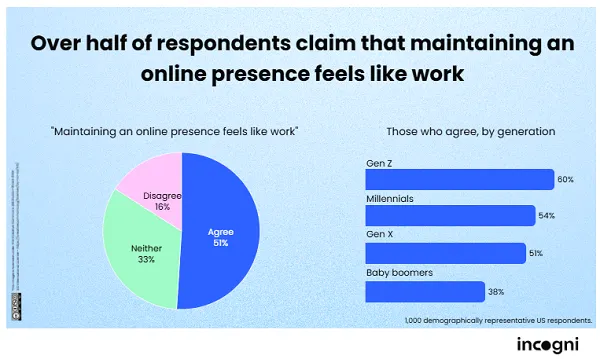
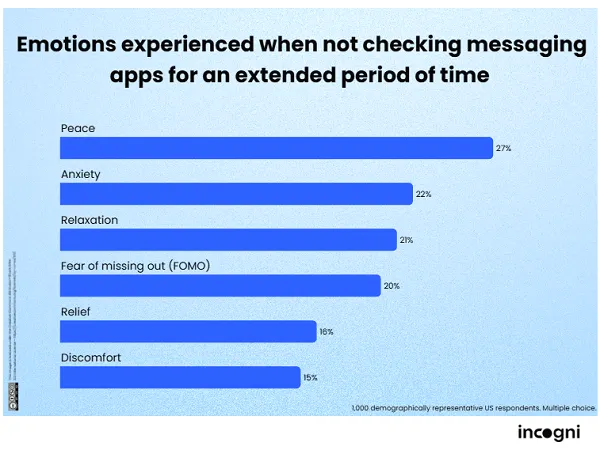
The Incogni study’s finding that people generally feel more relaxed when they take a break from social media and messaging apps is a critical indicator of the platforms’ mental health impact. The constant pressure to perform, the fear of missing out (FOMO), exposure to curated perfect lives, and the divisive content environment all contribute to heightened stress and anxiety levels. A break allows individuals to disengage from these pressures, reconnect with their offline lives, and regain a sense of mental clarity.
This points to a broader societal concern about digital well-being. The addictive design of social media, coupled with the relentless algorithmic push for engagement, has raised questions about its long-term effects on attention spans, cognitive function, and emotional regulation. Digital literacy and the cultivation of healthy online habits are becoming increasingly important for individuals to navigate this evolving landscape without succumbing to its negative aspects. The pursuit of authentic connection, often elusive on public platforms, is increasingly sought in private groups or offline interactions, highlighting a desire for genuine human contact over superficial digital engagement.
Strategic Shifts for Marketers and Businesses
The profound shifts in social media behavior necessitate a strategic re-evaluation for marketers and businesses. The traditional approach of relying on organic reach through user-generated content and broad public posting is becoming less effective. Marketers must adapt their strategies to align with the entertainment imperative and the algorithmic realities of modern social media.
This means a greater emphasis on short-form video content that is inherently engaging and optimized for algorithmic visibility. Brands need to tell their stories succinctly and compellingly within formats like Reels, Shorts, and TikTok videos. Authentic storytelling, often leveraging micro-influencers who command niche, engaged audiences, is becoming more valuable than broad, untargeted campaigns. The challenge lies in creating content that feels native to the entertainment-driven feeds, rather than overtly promotional.
Furthermore, the shift towards private messaging groups for sharing means that traditional public advertising may miss crucial points of influence. Marketers might need to explore strategies that encourage private sharing, word-of-mouth marketing, and community building within closed groups, though this presents significant access and measurement challenges. Understanding audience consumption patterns – whether they are actively seeking information, passively entertained, or connecting with specific communities – will be paramount for effective campaign planning and resource allocation. The metrics of success are also changing, moving beyond mere follower counts to deeper engagement, conversion rates from targeted content, and the quality of interaction within specific communities.
The Future Landscape of Social Interaction
The ongoing transformation of social media suggests a future landscape that could be markedly different from its past. We may see a further bifurcation of platforms: some will solidify their position as pure entertainment conduits, optimized for passive video consumption, while others might pivot to emphasize niche communities and private, authentic interactions. The concept of a single platform serving all social needs appears to be diminishing.
The tension between profitability (driven by advertising and engagement) and user well-being (which often requires less screen time and less divisive content) will continue to shape platform development. Innovations in augmented reality, virtual reality, and the metaverse may offer new forms of interaction, but they will likely contend with the same underlying human desires for connection, entertainment, and avoidance of digital fatigue. The continuous evolution of algorithms and user preferences will ensure that the digital social sphere remains a dynamic and challenging environment for all its participants.
In conclusion, the Incogni study, supported by a wealth of historical and contemporary data, paints a clear picture of a social media ecosystem in flux. The decline in public posting, the rise of creator burnout, the polarizing effects of algorithms, and the dominant role of entertainment have fundamentally altered the nature of online interaction. As users increasingly seek authenticity and relief from digital pressures, and platforms continue to evolve their monetization strategies, understanding these shifts will be crucial for navigating the complex digital future.