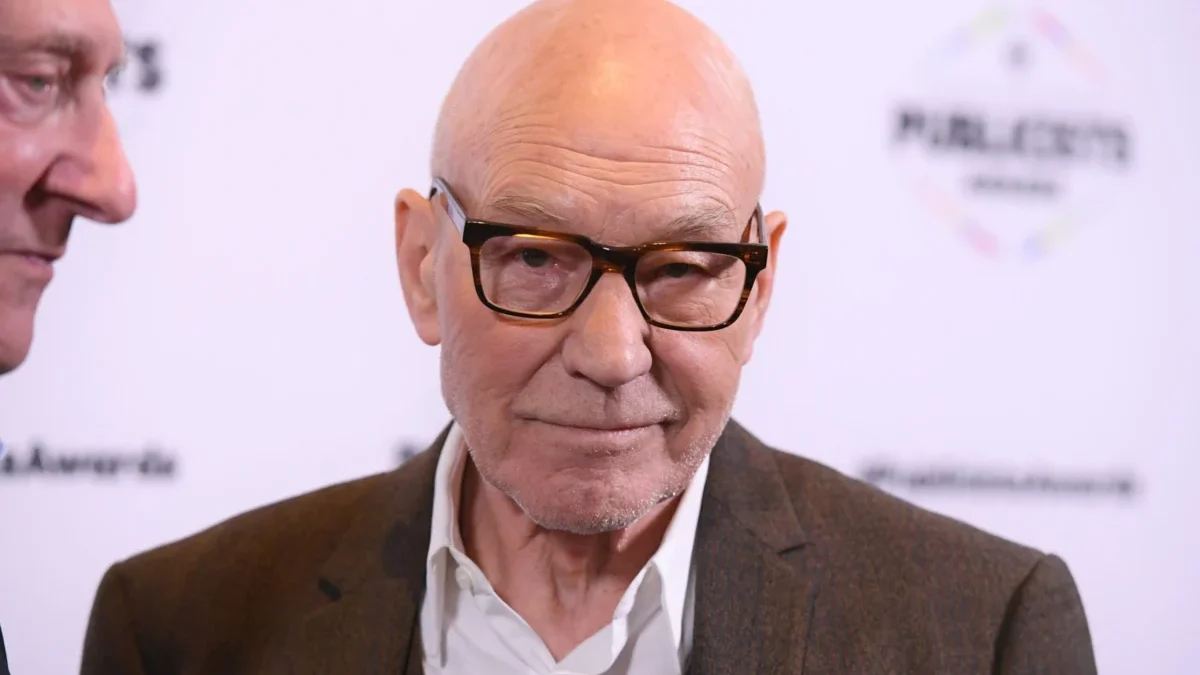
The global entertainment industry is mourning the loss of Sir Patrick Stewart, a titan of the theater and a cinematic icon whose career spanned more than six decades. The classically trained British actor, whose resonant baritone and commanding screen presence redefined science fiction and superhero storytelling, passed away on Wednesday in Los Angeles. His spokesperson, Kelly Bush Novak, confirmed the news, noting that Stewart had been navigating a "brief and poignant journey" with Alzheimer’s disease and Lewy Body Dementia. The diagnoses had not been previously disclosed to the public, marking a final, private act of dignity for an actor who lived much of his life in the spotlight.
A Life Defined by Gravitas and Versatility
Born in 1940 in the working-class town of Mirfield, Yorkshire, Stewart’s path to global superstardom was anything but conventional. Raised in a household devoid of basic amenities—including an indoor toilet—Stewart found his escape early. At the age of 12, he joined an amateur drama group, where he discovered the rhythmic power of Shakespearean verse. His early exposure to the Bard’s work would eventually become the cornerstone of his professional identity.
Following a scholarship to the prestigious Bristol Old Vic Theatre School, Stewart began a long, grueling, and ultimately fruitful tenure with the Royal Shakespeare Company (RSC). Over 14 years, he mastered the canon, portraying legendary figures such as Mark Antony, Henry IV, Shylock, and Oberon. This period was crucial in shaping the discipline and "Shakespearean gravitas" that would later define his most famous roles. His commitment to the stage was unwavering; even at the height of his Hollywood fame, he consistently returned to the theater, performing in Broadway and West End productions such as Samuel Beckett’s "Waiting for Godot" alongside his close friend and frequent collaborator, Sir Ian McKellen.
Chronology of a Storied Career
- 1940: Born in Mirfield, Yorkshire, England.
- 1966: Joins the Royal Shakespeare Company, beginning a 14-year foundational career in theater.
- 1987: Takes on the role of Captain Jean-Luc Picard in "Star Trek: The Next Generation," a role he initially feared would be a career failure.
- 1996: Receives a Grammy Award for Best Spoken Word Album for "Peter and the Wolf."
- 2000: Debuts as Professor Charles Xavier in the blockbuster "X-Men," bridging the gap between high-brow theater and mainstream comic book cinema.
- 2008: Receives a Tony Award nomination for his critically acclaimed portrayal of Macbeth.
- 2010: Knighted by Queen Elizabeth II for his services to drama.
- 2022: Returns to the Marvel Cinematic Universe in "Doctor Strange in the Multiverse of Madness."
- 2026: Final film credit, "The Sheep Detectives," released.
The Picard Phenomenon: Bridging High Art and Pop Culture
When Stewart was cast as Jean-Luc Picard in 1987, the science fiction genre was often viewed as low-brow entertainment. Stewart’s approach, however, was deliberate and academic. He famously treated the script of "Star Trek: The Next Generation" with the same reverence he afforded to Shakespeare. "I should play Jean-Luc as if he were a character in Henry IV," he once wrote in his memoir, Making It So.
This approach elevated the franchise. Over 178 episodes and four feature films, Stewart’s Picard became a symbol of diplomacy, intellect, and moral integrity. His signature catchphrase, "Make it so," became a cultural touchstone, cementing his status as one of the most recognizable faces in the world. Despite his massive success, Stewart remained deeply committed to the craft, establishing the Paramount Shakespeare Company to mentor younger actors, ensuring that the techniques he learned at the RSC would be passed to the next generation.
Beyond the Bridge: Advocacy and Personal History
Stewart’s public persona was often that of a man of unwavering strength, yet his childhood was marked by deep trauma. His father, a former British Army regimental sergeant major, was a perpetrator of domestic violence. In his memoir, Stewart recounted the harrowing nights spent witnessing his father’s brutality toward his mother. These early experiences profoundly shaped his adult life; he became a prominent patron for Refuge, an organization dedicated to supporting victims of domestic abuse. His public discourse on the subject—insisting that violence is always a choice for which the perpetrator is solely responsible—offered a voice to those who had lived through similar circumstances.
Industry Tributes and Legacy
The reaction from his peers has been one of profound grief and admiration. Hugh Jackman, who starred alongside Stewart in the "X-Men" franchise, took to social media to express his loss: "We lost one of the greats of stage and screen today. And, in my book, a tremendous friend and man. I learned so much from him. I will miss you, Patrick Stewart, all of my days."
William Shatner, the original Captain Kirk, echoed these sentiments, noting that Stewart "brought intelligence, grace, and a deep sense of humanity to everything he did." The loss of Stewart follows closely behind the death of fellow "Star Trek" icon Walter Koenig, marking a somber period for the legacy of the franchise.
The Implications of a Multi-Generational Legacy
The death of Sir Patrick Stewart marks the end of a unique era in acting. He was part of a generation of British stage actors who successfully transitioned into the digital age of global blockbusters without sacrificing their artistic integrity. His influence on the "X-Men" and "Star Trek" franchises helped legitimize the superhero and science fiction genres as platforms for complex, character-driven storytelling.
Analysts suggest that Stewart’s death will lead to a surge in interest regarding his theatrical body of work. His ability to balance the rigid, intellectual demands of Shakespearean performance with the populist appeal of the "Emoji Movie" or his comedic turns in "Blunt Talk" showcased a rare, versatile range. His willingness to engage with internet culture—whether through viral memes or his dry, self-deprecating wit on social media—ensured he remained relevant to younger demographics, far beyond the reach of his original television audience.
Personal Life and Surviving Family
Despite the global adoration he received, Stewart remained grounded, often poking fun at his own "heartthrob" status—a title he famously labeled "absurd" after appearing on the cover of TV Guide alongside Cindy Crawford. He found lasting happiness in his later years, marrying singer and songwriter Sunny Ozell in 2013, in a ceremony officiated by his best friend, Sir Ian McKellen. Stewart is survived by his wife, Sunny, and his two children, Sophia and Daniel.
As the industry reflects on the void left by his passing, the focus remains on the standard he set. Whether on the bridge of the USS Enterprise or on the stage of the West End, Patrick Stewart operated with a singular, unwavering commitment to excellence. His life, characterized by a transition from the hardships of a post-war childhood to the heights of international knighthood, serves as a definitive testament to the power of the arts to transform, inspire, and endure. While the starship has reached its final destination, the cultural footprint left by Sir Patrick Stewart will continue to resonate through the countless actors he mentored and the millions of fans who found a sense of morality and wonder in his portrayals.