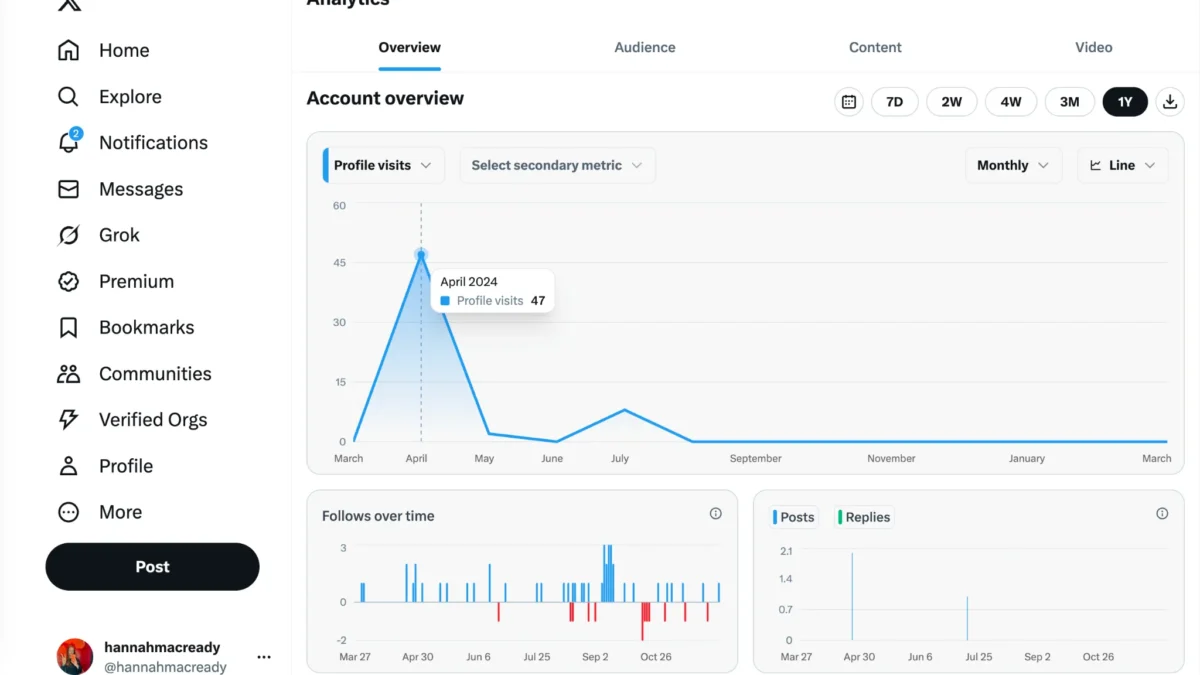
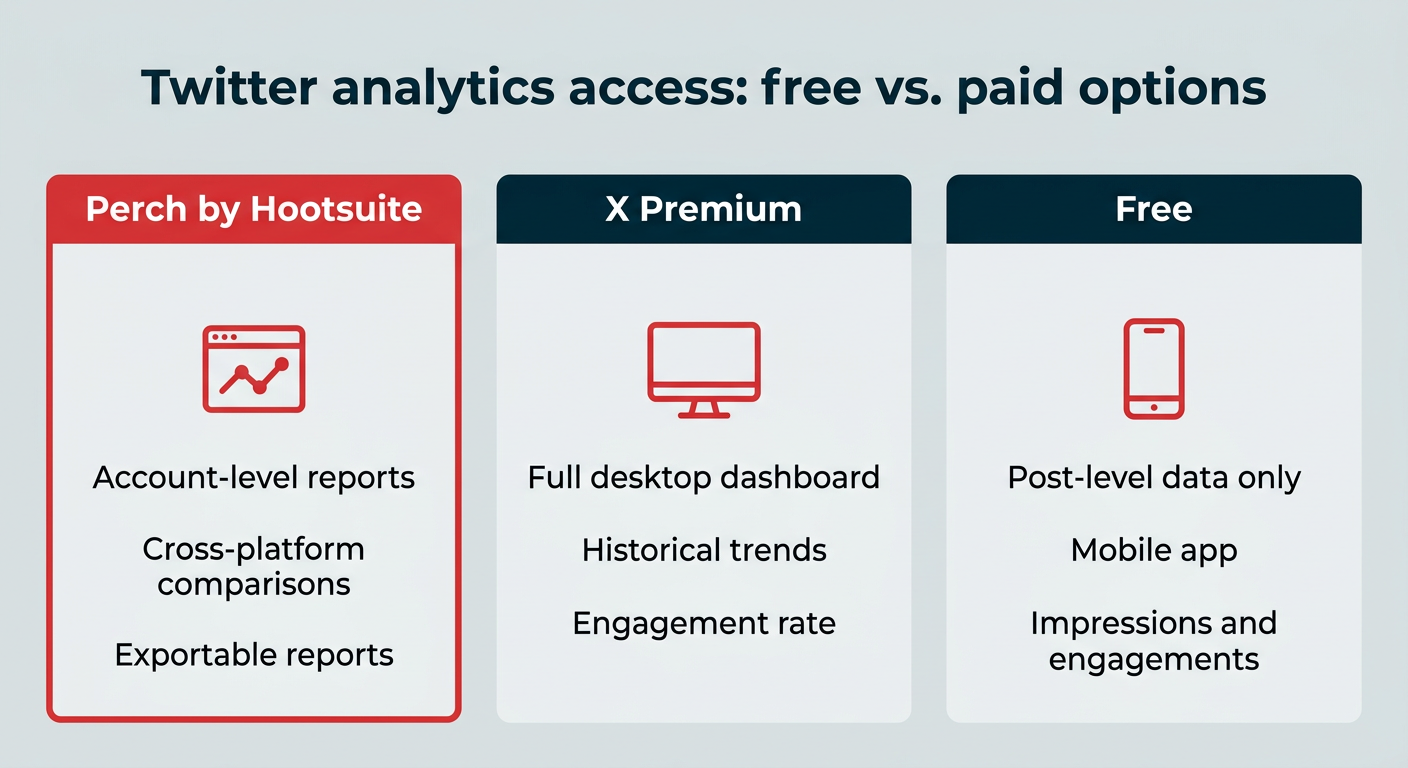
The landscape of social media measurement has undergone a profound transformation, altering how digital marketers, creators, and enterprise organizations access and interpret platform data. X, formerly known as Twitter, has systematically restructured its native reporting infrastructure over recent years, shifting from a universally accessible open analytics model to a tiered ecosystem heavily integrated with its subscription tiers. For the estimated 4.4 million paid subscribers utilizing X Premium as of early 2026, alongside verified desktop users, the native dashboard remains a centralized hub for account-level metrics. Conversely, free accounts face a restricted environment where native reporting is largely confined to post-level insights available exclusively through the mobile application. This architectural shift has redefined how professionals approach social media strategy, forcing a migration toward third-party analytics solutions and a re-evaluation of key performance indicators across the digital marketing sector.

To understand the current state of X analytics, one must examine the chronology of platform modifications that led to the present framework. Following the acquisition of the platform by private ownership, management prioritized monetization strategies that tied advanced features, algorithmic visibility, and comprehensive data tools to the X Premium ecosystem. Historically, any registered account could log into the web-based analytics portal to review long-term follower growth, comprehensive impression tallies, and cross-metric engagement curves over custom date ranges. By late 2024 and extending through 2025, native comprehensive reporting was officially placed behind the subscription paywall. Free users retained the ability to tap individual posts on mobile devices to inspect specific interaction counts, but the macro-level dashboard experience became exclusive to paying members. This policy shift triggered an influx of users seeking alternative reporting mechanisms, such as Hootsuite’s Perch, Buffer, and Later, which aggregate multi-platform performance and bypass the native subscription barrier for unified brand reporting.
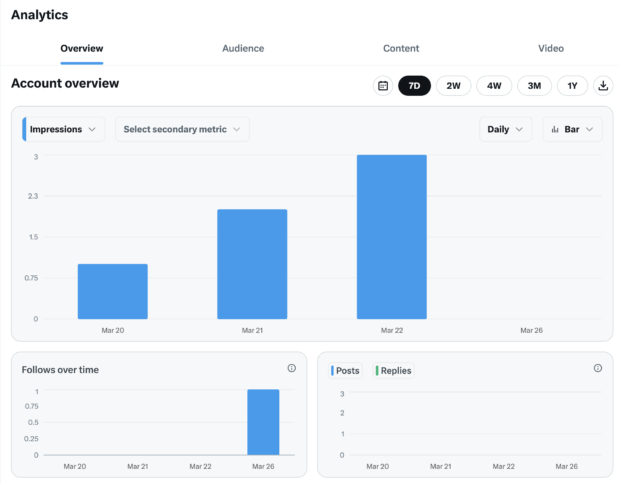
Analyzing performance within this constrained environment requires a strategic focus on metrics that align directly with specific organizational objectives. Industry experts emphasize that tracking every available data point often results in analytical paralysis. Instead, modern social media strategies categorize metrics by specific funnel stages: brand awareness, engagement, community building, website traffic generation, brand perception, and content optimization. Awareness is primarily measured through impressions and unique reach—though organic unique reach is rarely surfaced natively, forcing reliance on impressions as a proxy. Engagement rates, replies, reposts, and likes form the core of community and interaction metrics, while link clicks and profile visits serve as the primary indicators of bottom-funnel interest and website conversion potential. Furthermore, average platform performance metrics have faced downward pressure; studies indicate that average post impressions declined by approximately 5% year-over-year entering 2025, underlining the necessity for tighter copywriting, compelling visual assets, and strategic posting windows.
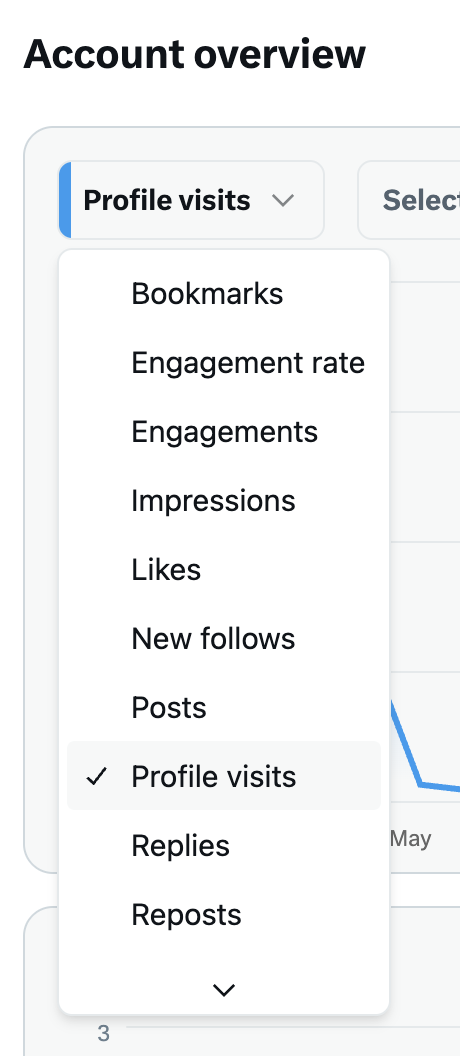
The technical calculation of these metrics remains foundational for accurate benchmarking. The engagement rate on X is derived by dividing total engagements—encompassing likes, replies, reposts, link clicks, profile clicks, and follows—by total impressions, and subsequently multiplying by 100. This methodology contrasts sharply with alternative third-party calculation models that divide engagements by total follower count rather than impressions, producing drastically different percentage outputs. Marketing professionals are therefore advised to standardize a single calculation methodology across their reporting periods to maintain historical data integrity. In addition to standard interaction metrics, the platform’s ad revenue sharing program, which distributes earnings based on verified user engagement within reply threads rather than raw view counts, has introduced a financial dimension to analytics tracking. However, industry analysts consistently caution against treating ad-sharing revenue as a primary core performance metric, recommending that corporate communications teams instead prioritize lead generation, brand lift, and referral traffic.
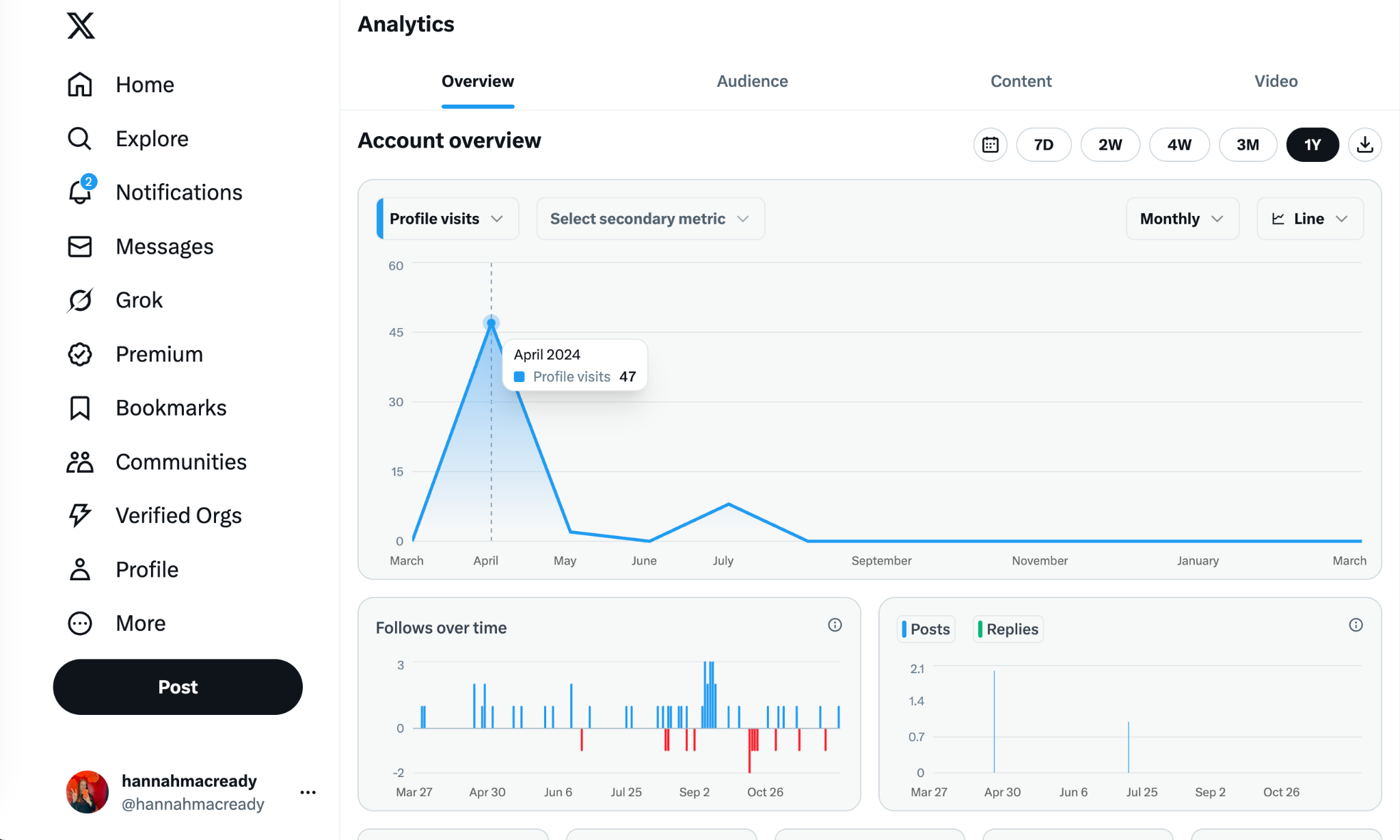
Industry practitioners note that successful social media management in the current climate relies on balancing micro-level tactical adjustments with macro-level trend analysis. Nick Martin, Social Media Marketing Manager at Tipalti, highlights the necessity of zooming out to evaluate weekly, monthly, and quarterly profile trajectories while simultaneously utilizing immediate post feedback to refine creative execution. "The fast feedback from individual post analytics will help me make adjustments so that I can be more successful with my posts in the future," Martin explains, emphasizing a continuous experimentation framework that tests variations in post length, visual inclusion, and structural formats such as threads. Moreover, integrating competitor intelligence via private lists and social listening tools allows brands to benchmark their organic output against industry peers, transforming external analytics into actionable strategic insights.
The broader implications of these analytics shifts extend well beyond the dedicated social media department. Forward-thinking organizations increasingly distribute social analytics insights across cross-functional business units. Customer feedback harvested from post replies and sentiment analysis informs product development roadmaps; competitive intelligence data supports sales enablement teams; and top-performing creative formats guide internal design departments. As social platforms continue to refine their monetization models and data access policies, the ability to synthesize platform-native data with third-party business intelligence tools will remain a critical competency for digital marketers seeking to prove tangible return on investment to senior leadership.