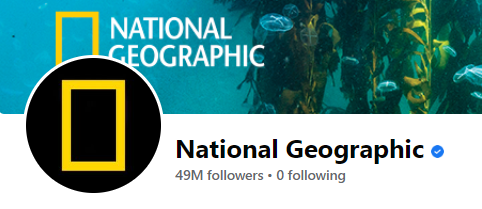
In the modern digital landscape, establishing authenticity and brand credibility on social media is no longer optional for high-profile individuals, creators, and corporate entities. As malicious actors and cybercriminals increasingly deploy sophisticated phishing techniques and fake profile replication to deceive online audiences, platform security measures have evolved in tandem. Among the most critical tools in this defense strategy is the Facebook verification badge—the universally recognized blue checkmark that distinguishes legitimate public figures, global brands, and organizations from imposter accounts.
Securing this credential, however, has historically been perceived as an opaque, highly subjective undertaking. Meta, the parent company of Facebook, maintains rigorous criteria for verification, leaving many eligible applicants uncertain about how to optimize their submissions. To demystify this procedure, industry analysts and platform safety experts have compiled comprehensive guidelines detailing the precise structural, administrative, and strategic prerequisites necessary to maximize the probability of application approval, alongside crucial maintenance protocols to ensure the badge is never revoked.
The Evolution and Definition of Platform Verification

Facebook verification officially debuted in May 2013, adopting a strategy initially pioneered by rival platform Twitter to safeguard high-profile accounts belonging to celebrities, athletes, journalists, and notable political figures. In its early iterations, the feature was strictly reserved for a microscopic percentage of elite accounts. By 2018, the scope expanded to include prominent publisher pages and regional business entities that demonstrated significant public interest. Over subsequent years, Meta progressively lowered the barrier to entry, eventually opening the application process to individual profiles that met specific audience metrics and notoriety thresholds.
Crucially, platform verification must not be confused with alternative recognitions offered by the ecosystem, such as top seller badges, group expert tags, or top fan accolades. The verified badge serves a singular, paramount purpose: confirming that an authentic entity operates the account in question. In the past, Meta utilized gray checkmarks for local business pages and secondary verifications, but those programs have since been deprecated in favor of a streamlined, universally understood blue checkmark system.
Understanding the Mechanics of the Application Process
While initiating a request for verification involves completing a straightforward digital form accessible via a user’s account settings, the evaluation criteria behind the scenes are exceptionally stringent. Applicants must navigate a multi-step preparation phase before submitting their credentials to the platform’s review board.
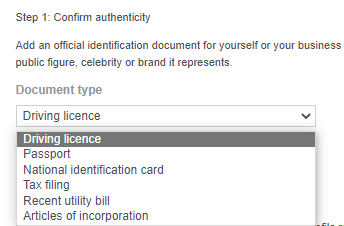
The first operational phase requires users to log into their primary account and designate whether they are seeking verification for a personal profile or a public business Page. For profiles, the process necessitates little more than the accurate profile uniform resource locator (URL). Subsequently, applicants must submit legally recognized documentation to establish their physical identity. Meta accepts a wide array of government-issued identification documents, including state driver’s licenses, official passports, national identity cards, tax filings, recent utility bills, and articles of incorporation for corporate entities. These documents must be scanned and uploaded securely to prevent identity theft and block fraudulent impersonators from acquiring institutional credibility.
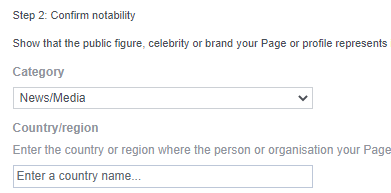
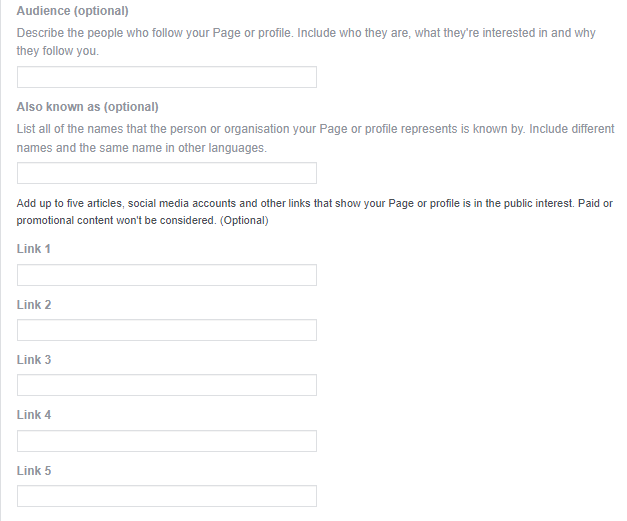
Beyond mere identity confirmation, applicants are legally and structurally required to demonstrate public notability. Meta’s review teams specifically assess whether an account is prominent enough to represent a genuine target for impersonation and public interest. This requires submitting categorical data, regional popularity metrics, target audience demographics, and up to five distinct, independent media references or links to external digital properties that substantiate the applicant’s public standing. Paid or promotional placements are strictly disqualified from consideration, ensuring that notability is derived from organic, credible media coverage rather than artificial amplification.
Once submitted, the review timeline typically ranges from 48 hours to 45 days, culminating in an official notification delivered via email regarding the outcome of the application.
Strategic Best Practices to Enhance Approval Probability
Digital marketing specialists emphasize that algorithmic and human reviewers evaluate applications based on four core pillars: authenticity, uniqueness, completeness, and notability. To ensure compliance with these metrics, entities seeking the blue checkmark should systematically execute several preparatory optimizations well in advance of their submission.
First, comprehensive data hygiene is paramount. Company profiles must feature completely up-to-date administrative details, including verified physical addresses, functional customer service contact telephone numbers, active electronic mail addresses, and consistent operational hours. Discrepancies between the information provided on the Facebook application and external public registries frequently trigger automatic rejections.
Second, the richness of the Page’s “About” section directly impacts review scores. Profiles that comprehensively detail their founding history, corporate mission, executive leadership, and core offerings provide evaluators with undeniable proof of organizational legitimacy. Furthermore, maintaining strict professional standards across all published content is non-negotiable. Pages featuring controversial material, unverified claims, or violations of basic digital etiquette can severely damage institutional credibility, leading evaluators to deny the request.
Third, cross-platform digital synchronization remains a critical validation vector. Brands must ensure that their official websites prominently link back to their Facebook Page, while the Facebook profile must reciprocate by linking directly to the primary domain and verified secondary social media ecosystems, such as LinkedIn, Instagram, or X (formerly Twitter).
Finally, cultivating a genuinely engaged community through organic content distribution, active comment management, and disciplined community relations proves that the account serves a vibrant, active public audience. While follower counts alone do not guarantee verification, sustained engagement rates serve as a powerful indicator of authentic cultural or commercial impact.
Protocols for Maintaining the Verification Badge Long-Term
Securing the blue checkmark represents only the first milestone; retaining it requires ongoing vigilance and adherence to platform policies. Meta reserves the right to revoke verification status under several specific conditions, making post-approval governance a top priority for brand managers.
The most critical technical safeguard against credential loss is the mandatory implementation of two-factor authentication (2FA). Because verified accounts represent high-value targets for international syndicates and sophisticated hackers, securing administrative access via authenticator applications, hardware security keys, or encrypted SMS verification prevents unauthorized takeovers that could lead to immediate platform penalization and badge removal.
Additionally, verified entities must maintain absolute compliance with Meta’s exhaustive Community Standards. While all users are bound by foundational policies prohibiting hate speech, illegal content, and targeted harassment, verified accounts face heightened scrutiny regarding intellectual property rights and privacy violations. When sharing third-party content, cross-promoting media, or engaging in collaborative marketing campaigns, verified pages must meticulously respect copyright laws and image privacy rights. Any systemic breach of these digital guidelines can result in the immediate stripping of the verification status, accompanied by potential account suspension.
Strategic Implications and the Future of Digital Trust
The continued evolution of platform verification highlights a broader transformation within the digital economy: the monetization and institutionalization of trust. As artificial intelligence lowers the barrier for generating convincing deepfakes, synthetic media, and automated bot networks, verified digital credentials serve as essential friction points against widespread consumer deception.
For modern enterprises, public figures, and media organizations, possessing a verified Facebook presence translates directly to improved search visibility within the platform’s internal architecture, higher click-through rates on digital advertising campaigns, and elevated consumer trust during critical purchasing decisions. By systematically aligning digital assets with Meta’s rigorous authentication frameworks, organizations can safeguard their digital equity, protect their consumer base from fraudulent impersonation, and secure a sustainable competitive advantage in an increasingly crowded online marketplace.