The final quarter of 2022 marked a period of intensive transformation for Meta Platforms, as the technology giant rolled out a wide array of new Reels and Groups functionalities, updated advertising interfaces, and stringent brand safety protocols. Throughout the year, digital marketers and advertisers faced a shifting landscape characterized by increased automation, advanced artificial intelligence capabilities, and a more streamlined cross-platform user experience. As the digital marketing community transitions into 2023, these foundational changes dictate a strategic shift toward machine learning-driven campaigns, enhanced community management tools, and expanded virtual reality infrastructure.
Reviewing the evolution of Meta’s ecosystem over the course of 2022 reveals a clear trajectory: the company is aggressively pivoting toward short-form video formats, conversational commerce, and rigorous content moderation standards. This retrospective details the major product launches, policy adjustments, and strategic shifts that defined Meta’s operations from late 2021 through the close of 2022, providing a comprehensive guide for businesses navigating the modern social media landscape.
Chronology of Meta Platforms Growth and Strategic Shifts
Meta’s journey through 2022 was defined by a series of aggressive product integrations and structural reorganizations. The catalyst for many of these changes was the corporate rebrand from Facebook to Meta in late 2021, a symbolic and operational pivot toward the metaverse. This corporate evolution directly influenced product roadmaps across Facebook, Instagram, WhatsApp, and the Oculus virtual reality division.
Throughout early and mid-2022, the company grappled with external pressures, including the financial fallout of Apple’s iOS 14 AppTracking Transparency (ATT) privacy framework. Introduced in April 2021, the ATT framework significantly disrupted traditional ad measurement and attribution models, forcing Meta to heavily invest in automated, machine-learning-centric ad solutions under the Advantage+ umbrella.
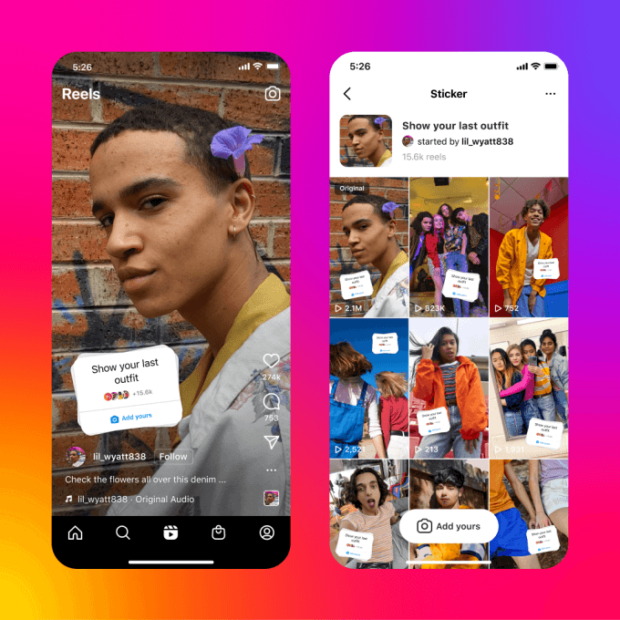
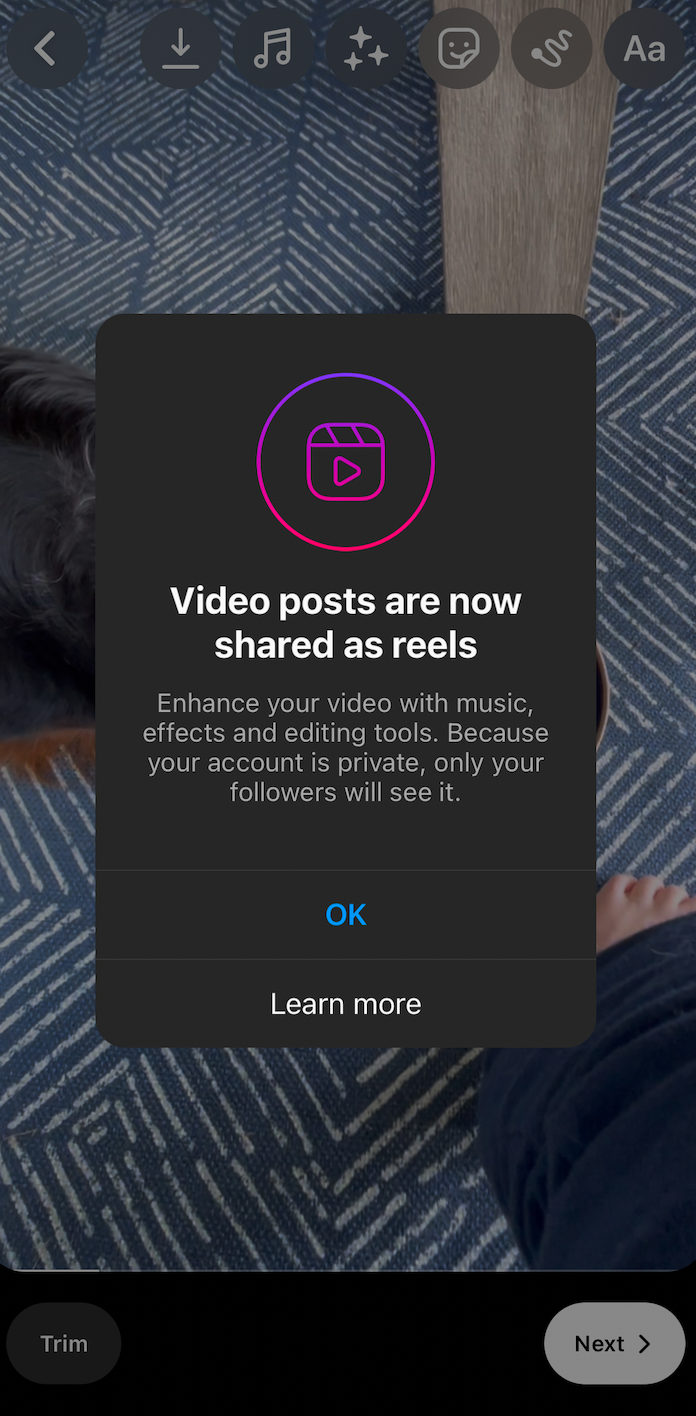
Concurrently, the explosive growth of short-form video platforms necessitated an immediate, company-wide prioritization of Reels. By mid-2022, Meta had integrated Reels across both Facebook and Instagram, merging traditional video formats into full-screen immersive players and introducing third-party API access for comprehensive social media management suites like Hootsuite.
Revolutionizing Advertising with Meta Advantage Suite and Automated Campaigns
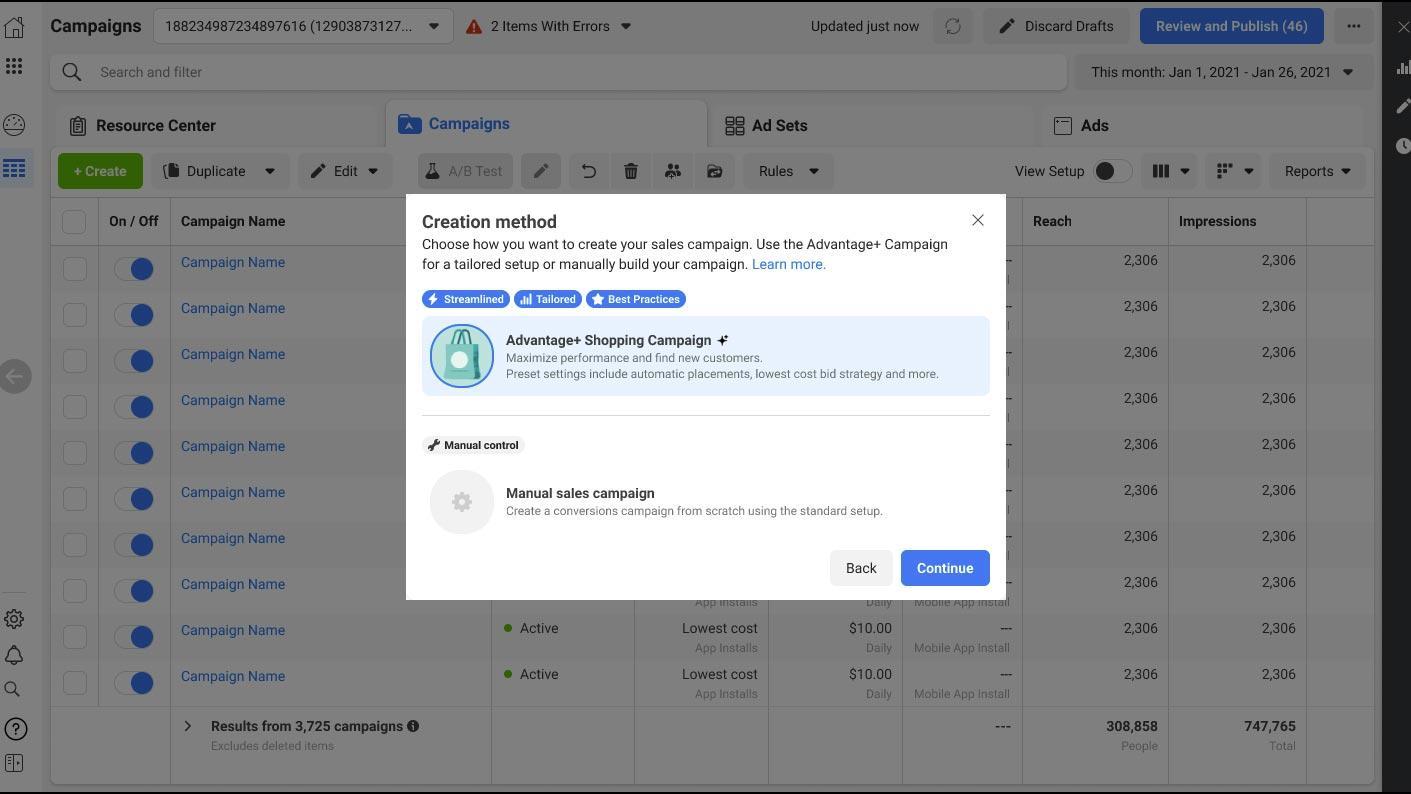
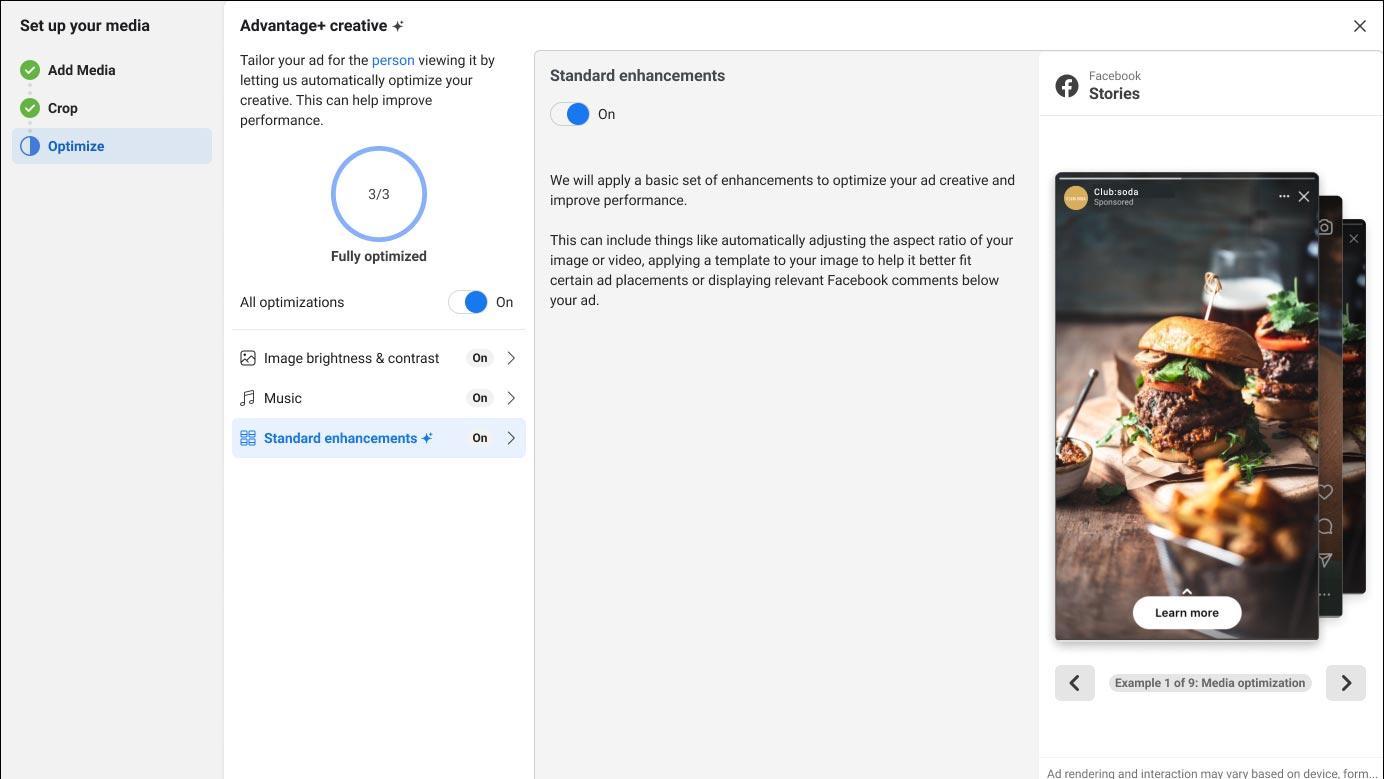
To counteract the loss of granular tracking data resulting from privacy updates, Meta consolidated its automated advertising products into the Meta Advantage Suite. This suite comprises two primary categories: Advantage campaigns, which automate specific targeting and placement tasks, and Advantage+ campaigns, which leverage advanced machine learning to automate the entire ad creation and optimization process.
In August 2022, Meta expanded this suite with the rollout of Advantage+ Shopping campaigns. Internal testing demonstrated that these automated campaigns achieved a 12% lower cost-per-purchase conversion compared to standard, manually configured ads, by simultaneously generating and split-testing up to 150 creative variations. By the fourth quarter of 2022, Meta emphasized a broader push for Advantage+ adoption, encouraging advertisers to rely on automated audience selection and dynamic creative optimizations to maximize return on ad spend (ROAS).

Concurrently, Facebook released extensive advertising best practices backed by internal platform data. These guidelines urged advertisers to simplify account structures, consolidate ad sets, and fully embrace automation to allow Meta’s algorithms sufficient data volume to optimize campaign delivery effectively.
Instagram Empowers Creators and Businesses with Native Scheduling and In-Chat Payments
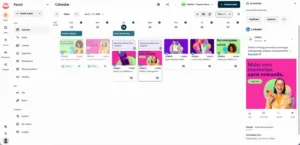
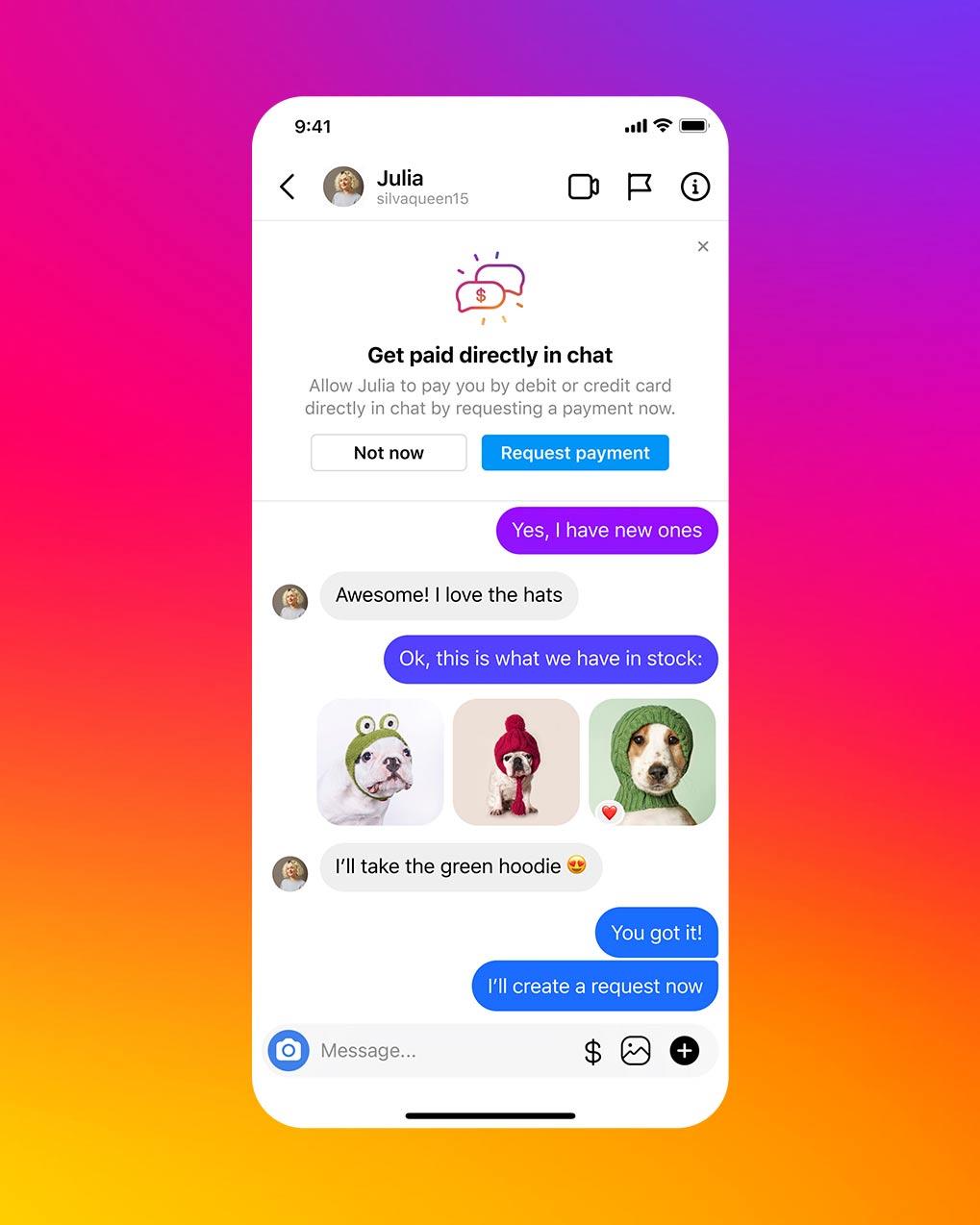
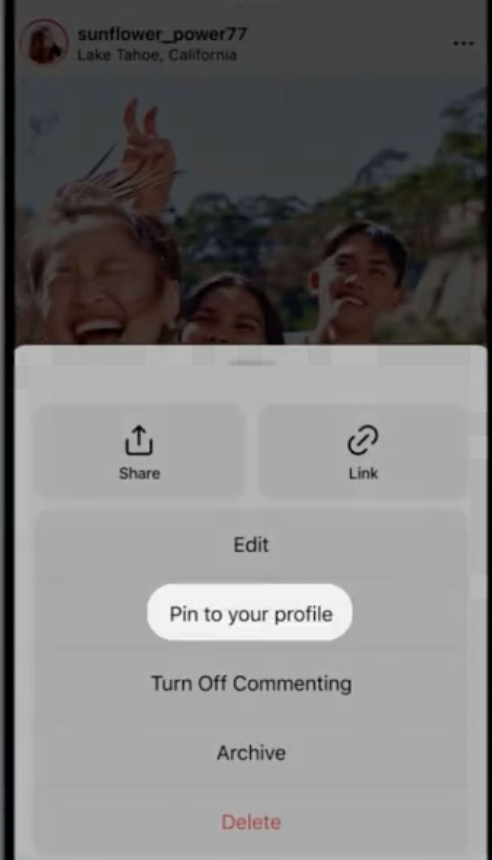
Instagram implemented several major feature updates designed to retain creators and empower small businesses. Recognizing the demand for native workflow tools, Instagram launched native content scheduling for Business and Creator accounts. This feature allowed professionals to schedule Reels, photos, and carousel posts up to 75 days in advance directly within the mobile application, reducing reliance on third-party scheduling software.

Furthermore, Instagram introduced direct payment processing within Direct Messages (DMs). Eligible professional accounts gained the ability to accept invoice payments, negotiate deliverables, and finalize transactions entirely within the chat interface, utilizing secure payment methods including Meta Pay, PayPal, and major credit cards with zero processing fees for chat-based transactions.
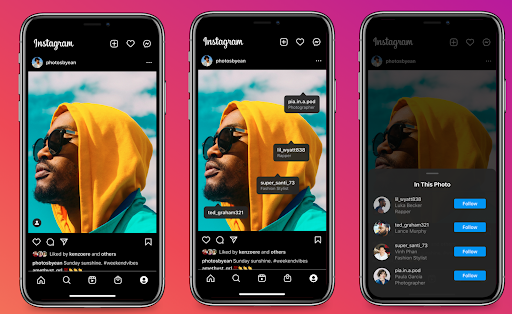
In a move to increase engagement with static content, Instagram also updated feed photo posts to support up to 90 seconds of background music, bridging the experiential gap between traditional photo sharing and Reels. Additionally, the platform expanded its Creator Marketplace, providing brands with advanced filtering tools based on audience demographics and interests to streamline influencer marketing partnerships.
Community Building and Enhanced Moderation in Facebook Groups
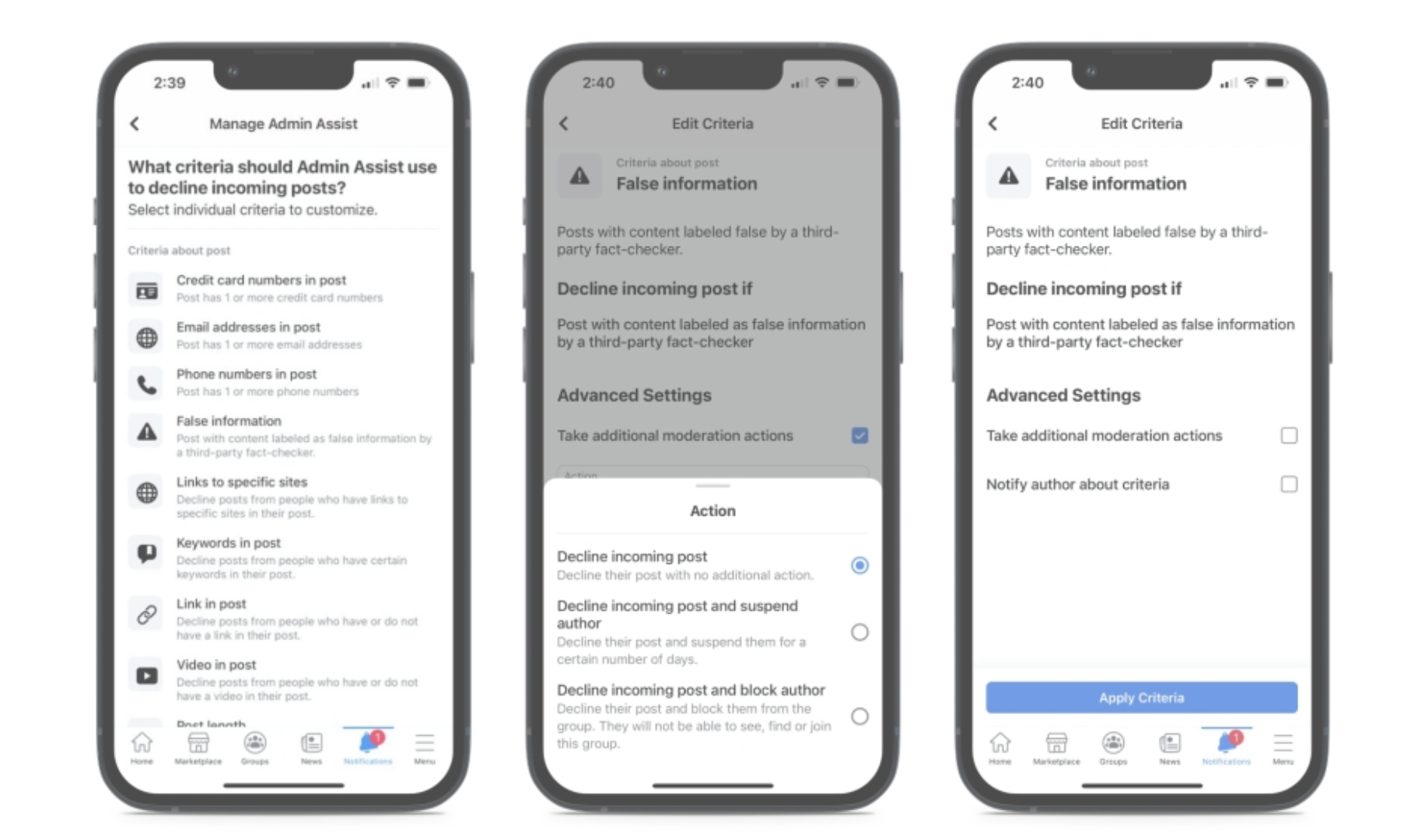
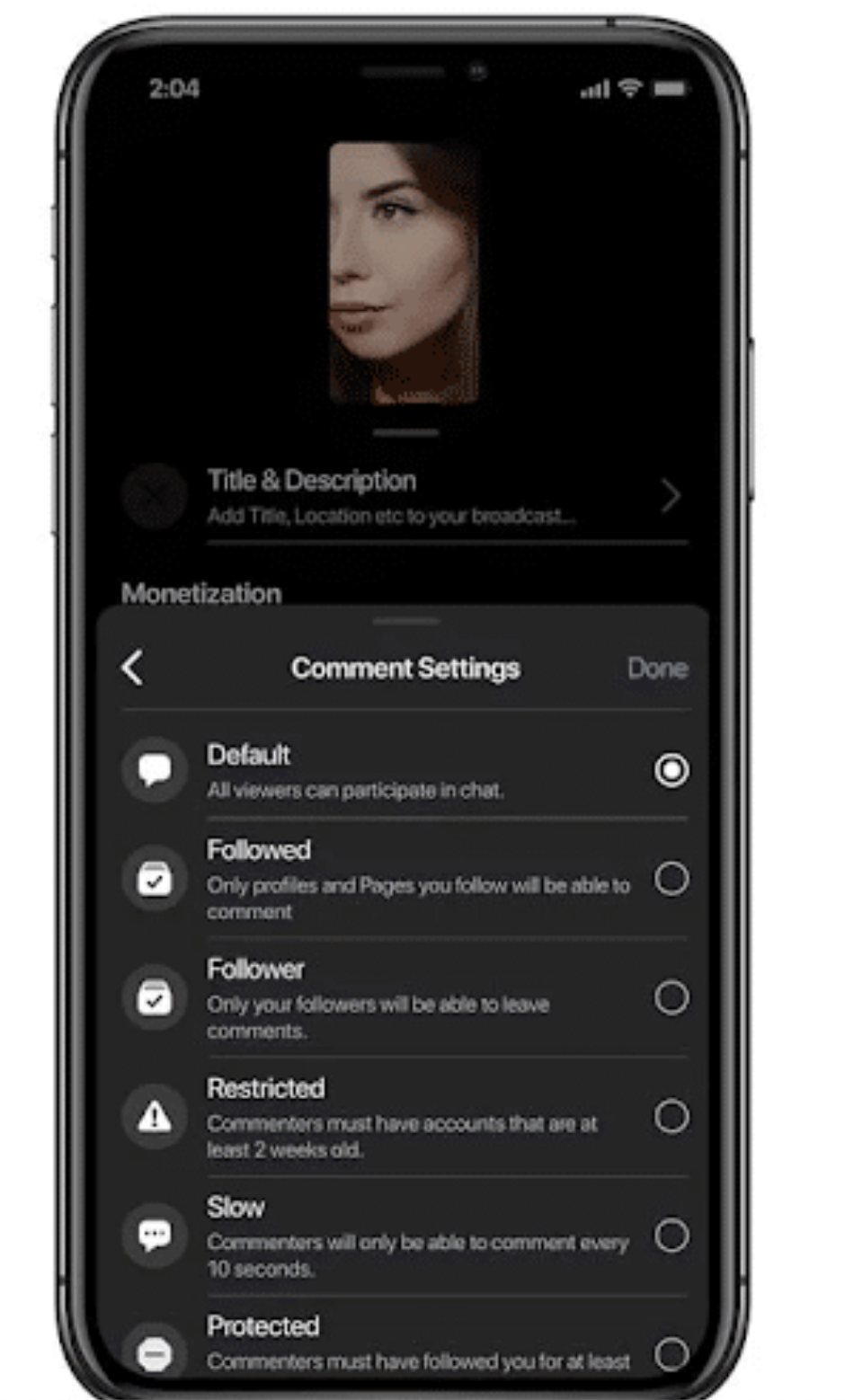
Facebook Groups remained a central pillar of Meta’s community-building strategy throughout 2022. Recognizing the moderation challenges inherent in large online communities, Meta introduced advanced administrative tools, including automated moderation assistants (Admin Assist), keyword blocking, and the ability to block serial offenders along with any newly created alternative accounts.
Subscription-based groups emerged as a viable monetization avenue for creators and brands, offering recurring monthly revenue in exchange for exclusive content and community perks. Meta’s continued algorithmic prioritization of Groups within user newsfeeds underscored the company’s commitment to fostering intimate, niche digital spaces. Industry analysts noted that these tools positioned Facebook Groups as an increasingly attractive environment for B2C and B2B brand engagement, providing a controlled alternative to the broader, public-facing newsfeed.
Brand Safety Milestones and Regulatory Compliance
Brand safety became a critical focal point for Meta as advertisers demanded greater control over content adjacencies. A major milestone was achieved in November 2022 when Meta received accreditation from the Media Rating Council (MRC) for content-level Brand Safety on Facebook. Independent auditors evaluated Meta’s Partner Monetization Policies, Content Monetization Policies, and associated suitability controls applied to Instant Articles and In-Stream video across desktop and mobile platforms.
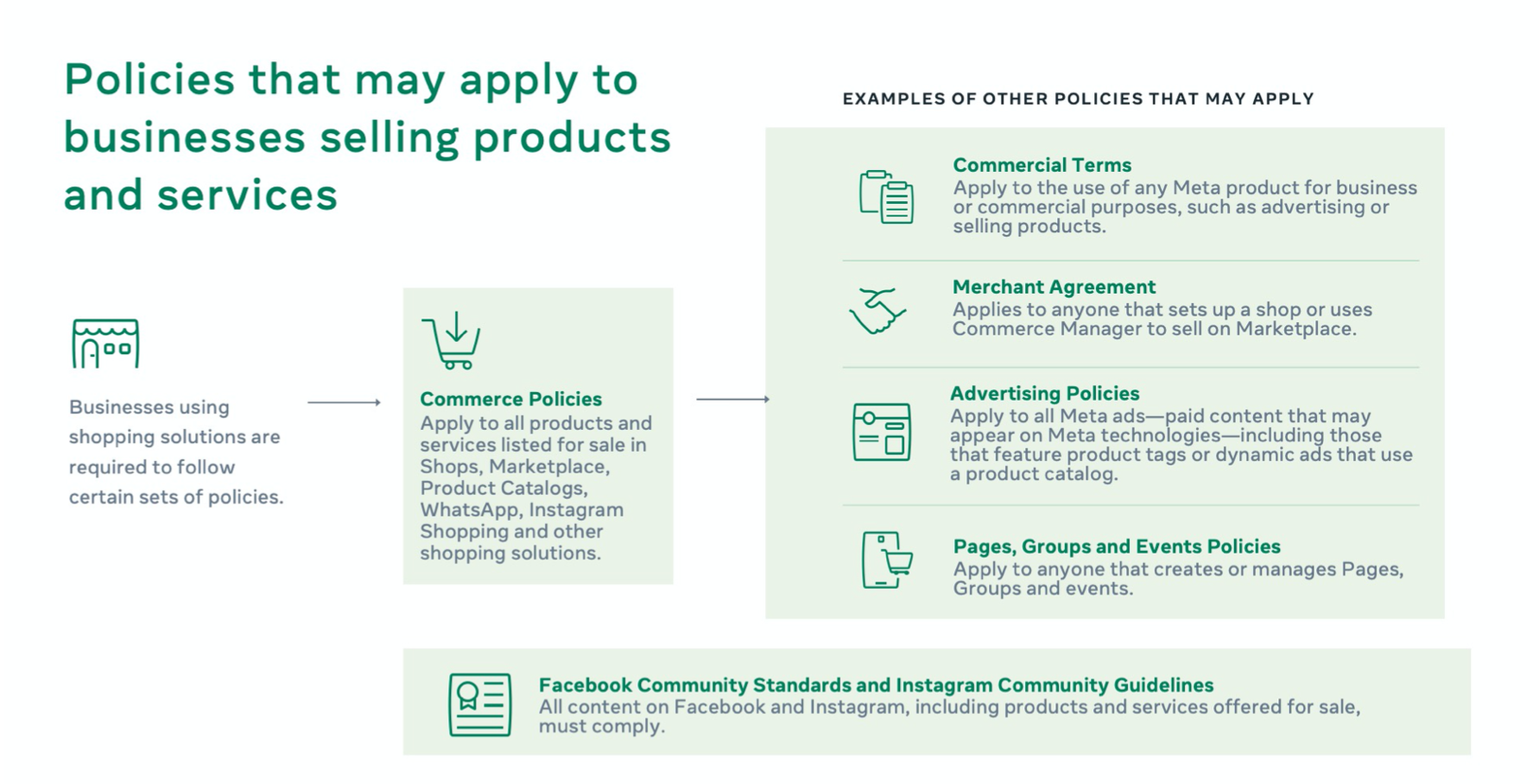
To complement this accreditation, Meta tested content-based inventory filters for Facebook and Instagram feeds, allowing advertisers to align their campaigns with specific brand suitability thresholds. Additionally, Meta introduced the IP Reporting API and enhanced Brand Rights Protection tools within Business Manager, giving intellectual property holders streamlined mechanisms to identify and report copyright infringement, counterfeit products, and trademark violations.
Strategic Outlook and Implications for 2023
As Meta concluded a demanding and transformative 2022, the strategic implications for the digital marketing industry heading into 2023 are profound. The convergence of artificial intelligence, privacy regulations, and shifting consumer consumption patterns necessitates a modernized approach to social media strategy.
Brands operating within the Meta ecosystem must adapt to a paradigm where manual targeting and creative testing are largely superseded by algorithmic optimization. The continued dominance of Reels, the maturation of conversational commerce via DMs and WhatsApp, and the ongoing investments in the metaverse indicate that Meta will continue to favor immersive, video-first, and highly automated environments.
Ultimately, Meta’s comprehensive updates reflect a pragmatic corporate strategy: defending core advertising revenues through advanced machine learning while laying the groundwork for the next generation of digital connectivity. Advertisers who successfully align their strategies with Meta’s automated capabilities and strict brand safety standards will be best positioned to capture consumer attention and drive measurable ROI in the digital economy.