In the fast-paced and high-stakes ecosystem of modern journalism, news organizations face a continuous balancing act between rapid reporting on sensitive political figures and rigorous, long-form investigative journalism that gives voice to the marginalized. A recent review of media practices highlights a stark dichotomy within the industry: while some outlets stumble through ethical oversights and thin sourcing during critical election cycles, others produce courageous, necessary investigations that expose systemic failures in local law enforcement and global conflict zones.
The Milwaukee Journal Sentinel and the Mandela Barnes Controversy
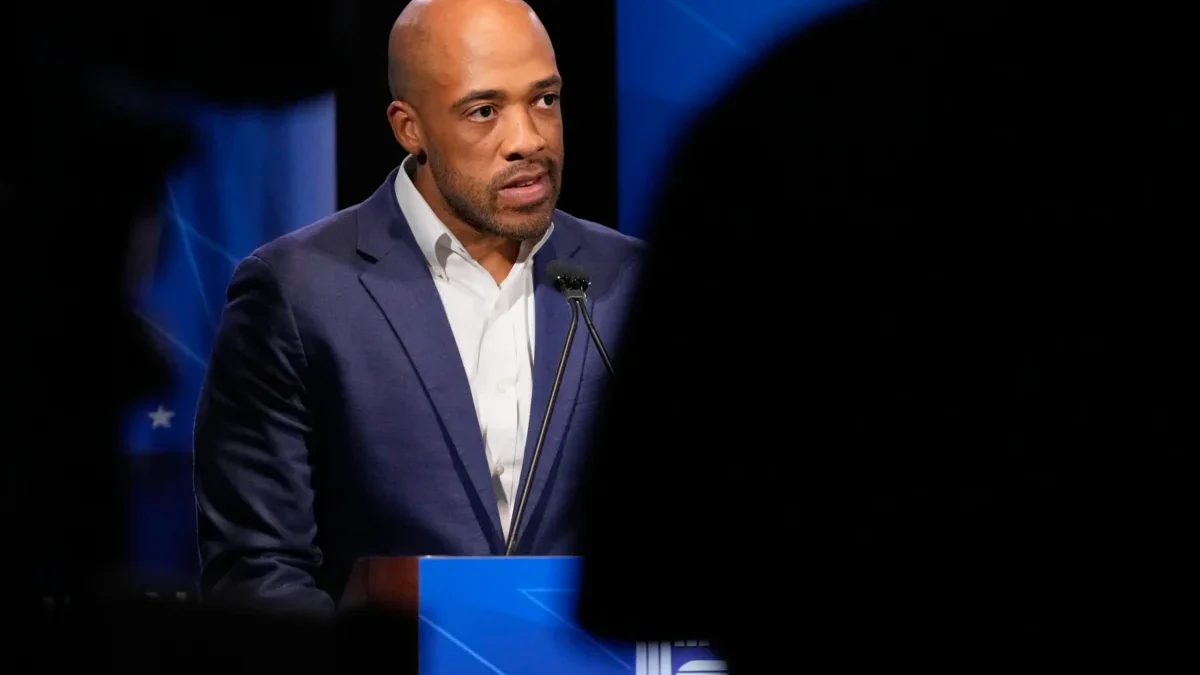
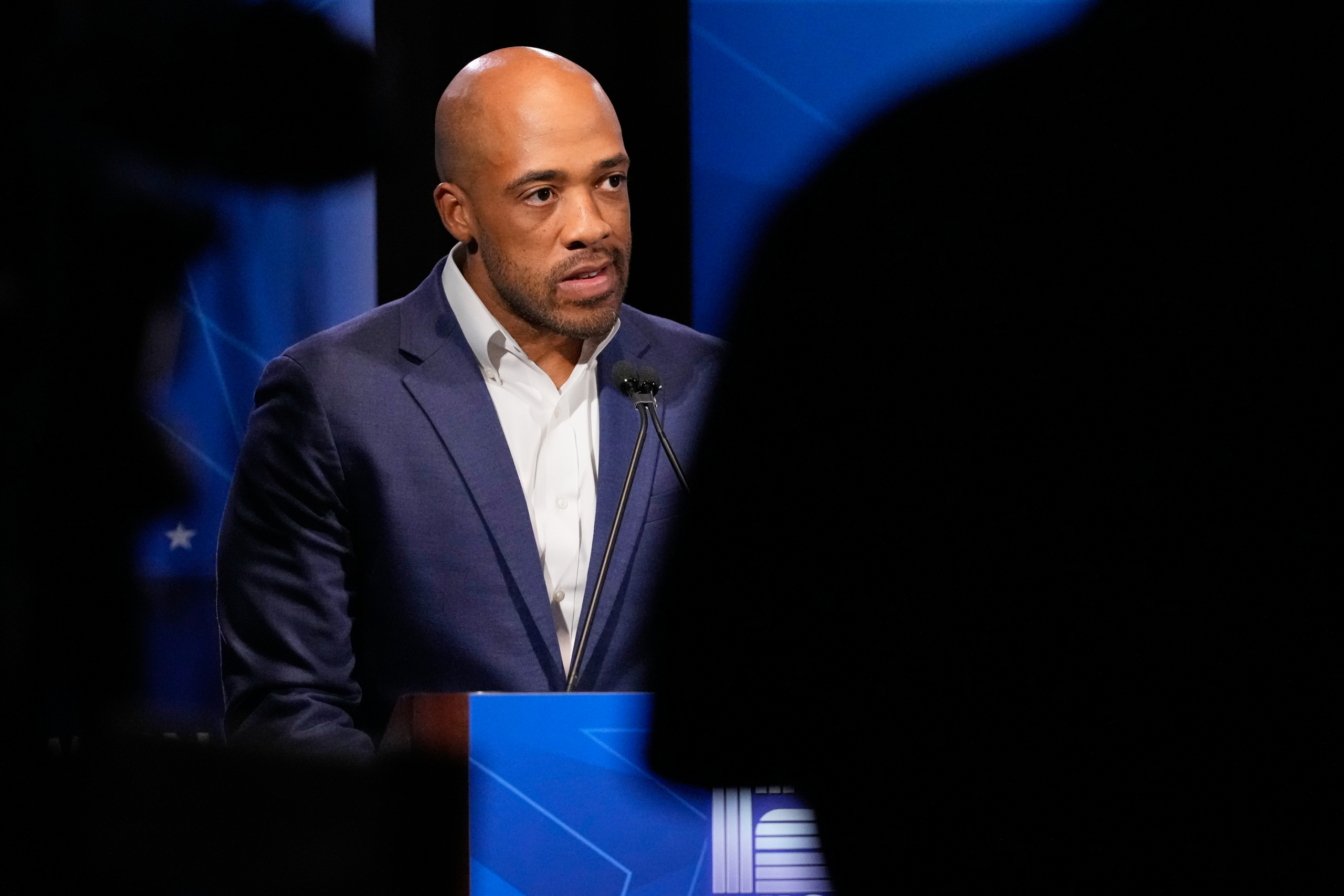
The complexities of political journalism and potential newsroom conflicts of interest were thrown into sharp relief following a contentious episode involving the Milwaukee Journal Sentinel and former Wisconsin Lieutenant Governor Mandela Barnes. The controversy centers on a published report that profoundly impacted a closely contested political race, followed months later by a high-profile defamation lawsuit that uncovered hidden newsroom ties.
Chronology of Events
The timeline of the Barnes affair reveals a compressed sequence of events that ultimately led to legal action:
- July 30: Less than two weeks before a divisive gubernatorial primary election, the Milwaukee Journal Sentinel published an article detailing allegations of inappropriate behavior by Mandela Barnes toward women. The report cited an anonymous, widely circulated memo and three anonymous sources.
- July 30 (Later Same Day): Following the publication of the article and facing sliding poll numbers, Barnes announced he was dropping out of the gubernatorial race, while vigorously denying any wrongdoing.
- August: Media critics, including Bruce Murphy of Urban Milwaukee, began questioning the news value and evidentiary backing of the original Journal Sentinel piece, labeling it irresponsible.
- November 10: Barnes officially filed a 22-page defamation lawsuit against the Journal Sentinel in Milwaukee County Circuit Court. The filing alleged that the newspaper manufactured the appearance of sexual misconduct. Simultaneously, the Journal Sentinel published a response defending its reporting and addressing claims regarding an unbylined reporter.
The Defamation Lawsuit and Newsroom Conflict Allegations
The core of Barnes’s legal complaint, filed by attorney Michael J. Cerjak, introduces a startling allegation regarding internal newsroom ethics. According to the lawsuit, an unnamed reporter who contributed to the reporting phase of the story—though not credited with a byline on the final published piece—had maintained an "intermittent sexual relationship" with Barnes spanning several years, beginning in 2018.
The legal filing asserts that when the Barnes campaign initially alerted the newspaper to this potential conflict before publication, management acknowledged the issue, removed the specific reporter from the assignment, and assured the campaign that other journalists would independently re-report the piece. However, the story ran later that same day, raising critical questions regarding the thoroughness of any secondary reporting cycle. Furthermore, the published article made no mention of the alleged conflict of interest to its readership.
In response to the lawsuit, Greg Borowski, the executive editor of the Journal Sentinel, defended the integrity of the publication process. Borowski stated that the story went through standard editorial and legal reviews and that Barnes was given an adequate opportunity to respond prior to publication. Addressing the conflict-of-interest claim, the paper’s subsequent coverage explicitly noted that the reporter in question "was not involved in reporting or writing the published story," a phrasing that left room for interpretation regarding the reporter’s involvement during earlier phases of the editorial process. Corporate communications representatives from USA Today, the parent network, reiterated these positions when pressed for further clarification, declining to provide additional comments.
Legal Hurdles and Broader Implications
Media analysts evaluating the lawsuit note that Barnes faces a steep legal uphill battle. As a prominent public figure under United States defamation law, he must prove actual malice—that the publication knew the information was false or acted with reckless disregard for the truth. Additionally, while the political fallout was immediate, Barnes’s legal counsel acknowledged that the broader political climate also heavily influenced his decision to exit the race.
Nevertheless, the case underscores vital ethical considerations regarding sourcing standards in pre-election reporting. Relying heavily on anonymous sources and gossamer-thin allegations in the critical window before voters cast ballots can cause irreversible reputational harm, regardless of whether a formal defamation claim ultimately succeeds in court.
Shining a Light on Forgotten Victims: The Silent City Investigation
In stark contrast to the rapid and contested political reporting cycle, investigative journalism can serve as a vital corrective by centering attention on overlooked populations. Ashley Luthern, an investigative reporter for the Milwaukee Journal Sentinel, demonstrated the profound impact of dedicated, long-form accountability reporting through her three-part series titled "Silent City."
Systemic Failures and Vulnerable Victims
Luthern’s investigation, which stemmed from a 2024 tip regarding women murdered in vacant Milwaukee properties, uncovered systemic failures by local law enforcement and the judiciary. Over months of digging led by investigations editor Daphne Chen, the reporting revealed that authorities had missed repeated opportunities to intervene, resulting in a devastating toll: six women murdered and six others sexually assaulted.
A central theme of the investigation was how the justice system frequently marginalizes vulnerable individuals, particularly those struggling with chemical dependency or extreme poverty. In one harrowing case detailed in the series, a woman suffering from drug addiction was sexually assaulted in a basement. Although she managed to escape and contact emergency services, leading to the rapid arrest of the suspect, local prosecutors declined to advance the charges. Their rationale centered on a perceived lack of evidence regarding whether the victim had consented to sexual activity in exchange for narcotics.
"The system had seen her as an unreliable narrator, an imperfect victim and an addict," Luthern wrote.
The consequences of this institutional skepticism were severe. The assailant remained free to commit further violence, ultimately murdering another victim before finally facing prosecution for the initial assault as well. When the surviving victim took the stand to help secure a conviction, her testimony laid bare the psychological scars left by institutional apathy: "This has left a mark on my life. I feel like I am more than a victim, like I’m just a filthy person, and it’s hard for me to sit in front of these people and tell this story."
Reporting from the Frontlines of Global Crises
Journalism also carries profound physical risks when reporters document intersecting humanitarian and security emergencies abroad. A prime example of this hazardous work was delivered by New York Times reporter Declan Walsh and photographer Daniel Berehulak, who chronicled the dual nightmares plaguing the eastern region of the Democratic Republic of the Congo.
Ebola and Armed Conflict in the DRC
Residents in the DRC face an escalating convergence of threats: a resurgence of the deadly Ebola virus alongside violent insurgencies by an arm of the Islamic State known for widespread abductions, mutilations, and executions.

The reporting team captured the human cost of these overlapping crises through interviews with locals like Espérance Kombi, a mother of seven who spent two weeks isolated inside an Ebola treatment ward. Describing the psychological toll of witnessing relentless suffering, Kombi told the Times, "I need a second heart to endure what I’ve seen in there," tapping her chest to emphasize the emotional burden.
The physical dangers faced by the journalistic team were starkly demonstrated during funeral coverage for Moïse Kalindera, a 27-year-old victim of the virus. As mourners gathered, hostility flared among attendees and gravediggers who directed their trauma and anger toward foreign observers. Jeering crowds accused the journalists of introducing the disease to the region, with individuals brandishing tools and simulated weapons before the reporting team was forced to withdraw under a shower of soil thrown from the gravesite. The incident highlighted the immense volatility reporters navigate when documenting public health emergencies in conflict zones.
The Human Cost of Corporate Newsroom Cuts
Navigating institutional instability is not limited to international correspondents; it frequently affects local reporters enduring corporate restructuring. The career trajectory of journalist Michael Brice-Saddler illustrates the resilience required amidst widespread industry layoffs.
While previously employed as a reporter at the Washington Post, Brice-Saddler spent months investigating the plight of Matt Lambert, a homeowner who suffered extensive health problems, legal roadblocks, and nearly $200,000 in legal and engineering fees after purchasing a defect-ridden, mold-infested penthouse apartment for $1.1 million.
Before the investigation could be completed, Brice-Saddler was caught in a wave of sweeping local-news layoffs at the Post driven by corporate cost-cutting measures. Undeterred, he secured a position at the Washington Sun, a move that uniquely positioned him to cover a tragic conclusion to the story: a shooting spree executed by Lambert that resulted in the death of a building manager, injuries to four others, and Lambert’s death by suicide.
Brice-Saddler’s subsequent feature, "What the Logan Circle Shooter Told Me," successfully navigated the delicate journalistic challenge of portraying a complex individual narrative without validating acts of extreme violence, demonstrating the vital role of sustained, institutional reporting even as newsroom structures shift beneath journalists’ feet.
Conclusion
The vast array of reporting evaluated across these prominent news stories demonstrates that the health of contemporary journalism depends entirely on adherence to rigorous ethical standards, transparency, and a willingness to challenge institutional power. Whether analyzing the missteps of a local political scoop, honoring investigations that give voice to forgotten victims of violent crime, or risking personal safety to document global health crises, the Fourth Estate remains an indispensable pillar of an informed society—provided it continually subjects its own practices to the same scrutiny it applies to the world.