In the fast-paced landscape of digital communications, maintaining a consistent, secure, and impactful online presence requires far more than sporadic brainstorming sessions and ad-hoc posting. As enterprise brands scale their digital operations across multiple platforms, regions, and consumer touchpoints, the absence of a structured operational blueprint can quickly lead to brand dilution, compliance failures, and operational burnout. A social media workflow—defined as a repeatable, step-by-step framework governing how a digital team creates, reviews, publishes, and measures content—has therefore become the operational backbone of modern marketing departments.

By implementing structured workflows, organizations are better positioned to protect their brand equity, enforce compliance, streamline resource allocation, and ultimately prove the return on investment of their digital outreach. This comprehensive overview examines the foundational structures, common methodologies, security imperatives, technological tooling, and AI integration strategies required to optimize contemporary social media operations.
The Anatomy of Social Media Workflows: From Basic to Specialized
While organizations vary widely in size, structure, and industry vertical, most marketing departments rely on a suite of interconnected workflows rather than a single, monolithic process. Understanding these distinct pathways allows teams to isolate friction points and apply targeted efficiencies.

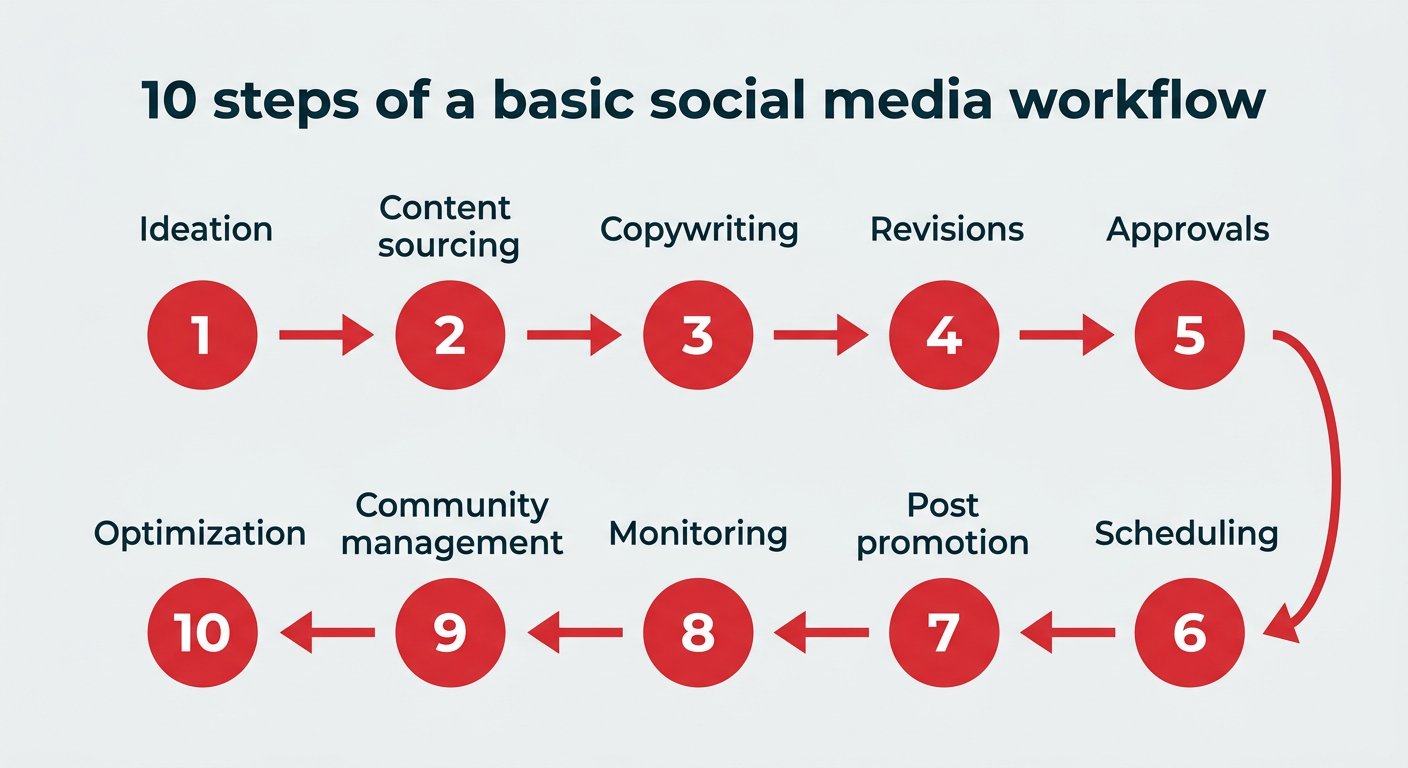
At the core of digital operations lies the basic social media workflow. Serving as the foundation for all subsequent processes, a standard 10-step basic workflow encompasses everything from initial ideation and strategic alignment to copywriting, asset generation, legal review, scheduling, publishing, active community engagement, and post-campaign performance tracking. Establishing this primary sequence ensures that no critical phase of content production is inadvertently omitted.
Complementing the foundational framework is the daily posting workflow, which concentrates specifically on the tactical creation and real-time distribution of platform-specific content. This workflow manages the rapid cadence required by networks like X (formerly Twitter), LinkedIn, and Instagram, allowing teams to maintain a predictable publishing schedule while remaining nimble enough to capitalize on real-time market opportunities.
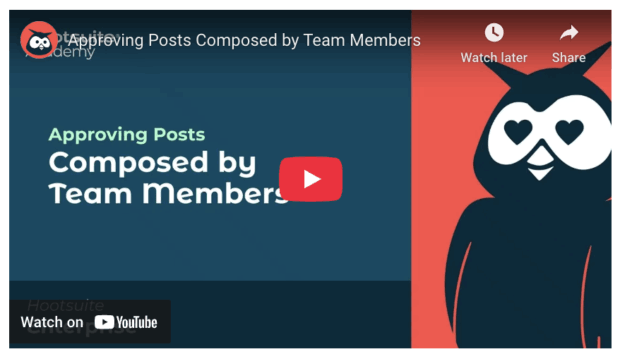
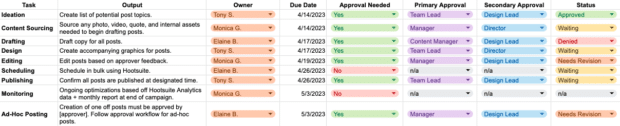
For organizations operating in heavily regulated sectors such as financial services, healthcare, and government administration, the social media approval workflow is arguably the most critical operational safeguard. Navigating strict regulatory environments—such as HIPAA regulations in healthcare or FINRA guidelines in finance—demands rigorous internal review procedures. A formalized approval workflow typically moves content through a multi-tiered validation process: initial drafting, peer or supervisor review, compliance sign-off, and final administrative authorization. This structured gating prevents non-compliant posts from triggering severe legal liabilities, regulatory fines, or catastrophic public relations crises.
To combat creative fatigue and maintain consistency without demanding daily content creation, many modern teams utilize a content batching workflow. This methodology involves conceptualizing, producing, and scheduling batches of multi-format content simultaneously over a designated production cycle. By locking in content calendars prior to production, creators can focus deeply on quality and aesthetic cohesion without the constant pressure of daily deadlines.
Finally, as influencer marketing matures into a primary revenue driver, brands increasingly rely on dedicated influencer collaboration workflows. Treating creator partnerships as structured campaigns rather than isolated transactions ensures that contract negotiation, creative brief distribution, content pre-approval, publishing execution, and performance attribution are handled systematically, making successful campaigns easily replicable.
Strategic Implementation and Operational Governance
Designing an effective social media workflow requires striking a delicate balance between rigid operational structure and creative agility. Too little structure leads to missed deadlines and disjointed messaging, while excessive bureaucracy creates bottlenecks that stifle real-time engagement. To build a resilient workflow, marketing leaders must adhere to several foundational implementation strategies.

Establishing crystal-clear roles and responsibilities is the primary prerequisite for operational success. When accountability is ambiguous, tasks are frequently duplicated, deadlines slip, and critical communications fall through the cracks. Common structural roles include content creators, copywriters, graphic designers, compliance officers, community managers, and designated approvers. While smaller teams may combine several of these responsibilities into single roles, making expectations and accountability explicit prevents internal friction.
Furthermore, teams must conduct a thorough audit of industry-specific compliance requirements before drafting their workflow SOPs (Standard Operating Procedures). Knowing the precise legal boundaries governing data privacy, copyright, financial disclosures, and medical claims ensures that compliance is integrated into the workflow from inception rather than treated as an afterthought.
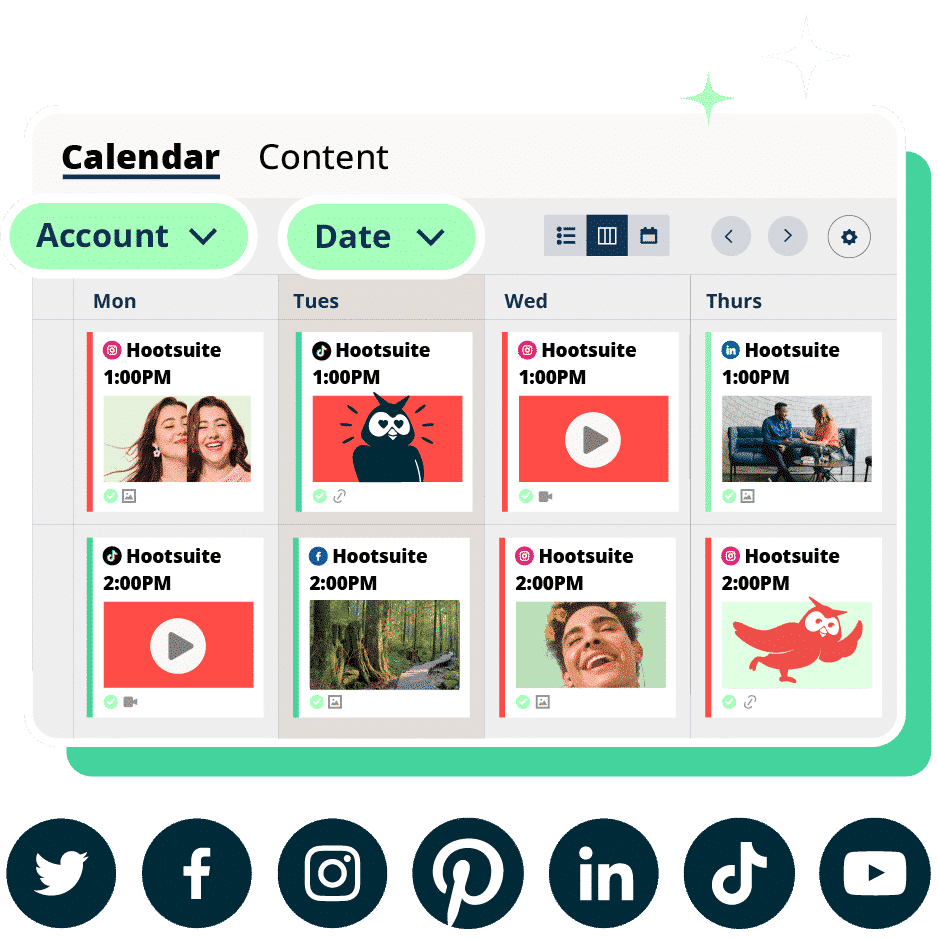
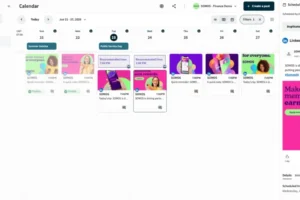
Planning ahead via a centralized social media calendar is another indispensable pillar of operational efficiency. A unified calendar provides stakeholders with comprehensive visibility into upcoming campaigns across all channels, facilitating advanced asset production, cross-channel synchronization, and proactive resource allocation.
Security, Unified Inboxes, and the Role of Artificial Intelligence
As digital networks remain prime targets for cyber threats, enterprise security must be systematically embedded into every stage of the social media workflow. Robust security protocols include enforcing two-factor authentication, restricting credential access exclusively to vetted personnel, and maintaining a transparent chain of command for content approvals. Additionally, regular audits of privacy settings and publishing permissions help mitigate the risk of unauthorized access or brand impersonation.
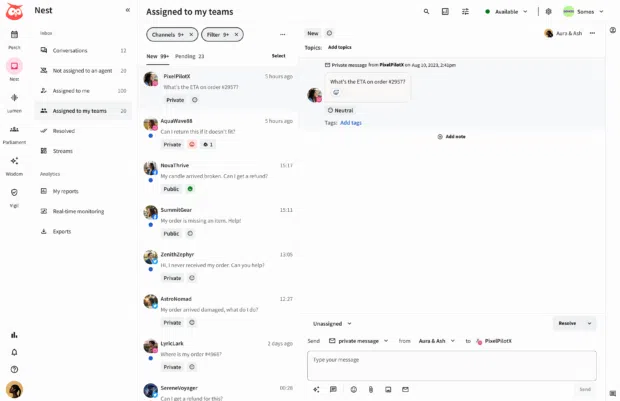
Beyond outbound publishing, modern workflows must account for inbound communications. Managing direct messages, customer service inquiries, and public comments across disparate networks requires a unified social media inbox. Centralizing these interactions allows community management teams to track response times, route specialized inquiries to appropriate departments, and maintain a comprehensive audit trail of customer interactions. Connected automations, such as generative AI chatbots and intelligent message routing, further optimize response efficiency for routine queries.
Speaking of artificial intelligence, machine learning tools have rapidly transitioned from experimental novelties to embedded components across the entire social media lifecycle. AI-driven solutions now routinely assist teams with first-draft copywriting, sentiment analysis, social listening, and automated reporting.
However, industry experts emphasize that increased automation demands heightened governance. Rather than viewing AI as a total replacement for human oversight, enterprise marketing leaders frame AI adoption as a governance challenge. Automated tools can drastically compress production timelines, but final accountability for brand voice, factual accuracy, and regulatory compliance must always rest with a designated human reviewer.
Evaluating Workflow Health and Selecting the Right Tooling
To ensure that operational processes remain effective over time, marketing teams must systematically measure workflow health. Key performance indicators for operational efficiency include average content production turnaround time, approval bottleneck frequency, missed publication deadlines, and employee utilization rates. Periodic quarterly reviews—supplemented by targeted assessments following major campaigns or platform algorithm updates—allow organizations to continuously refine their processes.
To operationalize these workflows effectively, teams frequently rely on dedicated enterprise software. Modern market solutions range from all-in-one social operating systems to specialized project management suites:
- Hootsuite: Designed specifically for end-to-end social media management, Hootsuite offers dynamic content calendars, customizable approval workflows, advanced permission controls, unified social inboxes, and integrated AI-powered listening and analytics tools. Starting at approximately $99 per user per month, it serves as a comprehensive hub for publishing and engagement.
- Google Sheets: A lightweight, highly flexible, and cost-effective option ideal for lean startups and small teams establishing their first manual tracking and approval systems.
- Asana: A powerful project management platform well-suited for campaign planning, deadline tracking, and rules-based task automation, though it requires integration with secondary tools for direct social publishing.
- Notion: An all-in-one workspace that enables teams to consolidate editorial calendars, brand guidelines, SOPs, and collaborative databases into a single, accessible environment.
Ultimately, whether an organization manages its digital presence through advanced social operating systems or lean collaborative documents, the success of any social media workflow hinges on its simplicity, adaptability, and strict adherence to governance. By establishing transparent roles, embedding security and compliance protocols, and leveraging technology to automate repetitive tasks, modern brands can navigate the complexities of the digital ecosystem with confidence and consistency.