The digital landscape is saturated with content, creating an environment where user attention is the most valuable currency. Recent analytics from major publishing platforms indicate that the average reader spends less than 15 seconds on a webpage before deciding whether to stay or navigate away. In this high-stakes environment, the opening line of a blog post or digital article functions as the critical gatekeeper of engagement. While headline optimization has long been the primary focus of digital marketers, recent research suggests that the "hook"—the immediate text following the headline—is the decisive factor in reducing bounce rates and increasing time-on-page metrics.
The Anatomy of Reader Retention
Data from engagement tracking firms, such as Chartbeat and Nielsen Norman Group, consistently show a "cliff" in reader attention immediately after the headline. If the first sentence fails to deliver immediate value or intellectual stimulation, reader drop-off rates often exceed 70%. Professional copywriters and content strategists argue that the primary function of the opening line is not to inform, but to act as a bridge from the headline to the body of the work. This necessitates a shift from passive introductions to active, high-impact prose designed to facilitate reader progression.
11 Proven Methodologies for Audience Engagement
1. The Needs-Based Identification
By framing the opening sentence around a specific, high-friction pain point, authors can immediately validate the reader’s presence. This technique relies on psychological resonance; when a reader feels understood, they are more likely to commit to the proposed solution. Studies in cognitive behavioral marketing demonstrate that identifying a problem early increases the perceived value of the content that follows.
2. The Binary Response Question
The "Yes-Question" technique utilizes a classic sales tactic: securing a micro-commitment. By asking a question that necessitates a "yes" answer, the author aligns their perspective with the reader’s. This alignment creates a psychological contract that makes the reader more receptive to the subsequent arguments or data points.
3. Strategic Curiosity Gaps
Posing an intriguing, non-obvious question is a hallmark of long-form journalism. By presenting a scenario that defies conventional wisdom, the writer creates a "curiosity gap"—a mental void that the reader feels compelled to fill by reading further. This is an effective tool for increasing dwell time, provided the article delivers a substantive answer to the initial query.
4. The Narrative Surprise
An unexpected personal anecdote or a counter-intuitive observation can serve as a "pattern interrupt." In an era of generic AI-generated content, unique storytelling offers a humanizing element. By subverting expectations, the author forces the reader to slow down and process the information rather than scanning it.
5. Analogical Frameworks
Analogies allow writers to translate complex, technical, or abstract concepts into accessible narratives. When an article opens with an analogy, it establishes a mental model for the reader. This pedagogical approach is highly effective in B2B and technical blogging, as it lowers the barrier to entry for complex topics.
6. Assertive Claims and Promises
In professional and thought-leadership writing, clarity is paramount. A bold, verifiable claim sets a professional tone and establishes the author’s authority. However, this strategy carries a caveat: the burden of proof is immediately placed upon the author. Failure to substantiate a bold opening claim results in rapid reader attrition and a decline in site credibility.
7. The Controversy Pivot
While polarizing content is often associated with social media engagement, the calculated use of controversy can also serve professional ends. By challenging industry status quo or common myths, an author can immediately capture the attention of a target audience that is tired of "safe" content. This should be executed with objective data to ensure the discourse remains productive.
8. Visualizing Scenarios
Engaging the reader’s sensory imagination allows for a more immersive reading experience. By prompting the reader to "picture" a specific outcome, the writer moves the content from the intellectual plane to the emotional one. Emotional connection is a significant predictor of social sharing and repeat readership.
9. Leveraging Data-Driven Hooks
Statistics are the bedrock of objective reporting. Starting an article with a startling or significant statistic provides immediate context and proof of importance. For instance, citing that "only 1% of content achieves viral status" provides an immediate frame of reference for an article regarding content strategy.
10. Authority Quotations
Utilizing a well-chosen, relevant quote from an industry expert or historical figure can provide instant legitimacy. This creates a halo effect where the authority of the quoted source is transferred to the article itself. It is a traditional journalistic device that remains highly effective in modern digital formats.
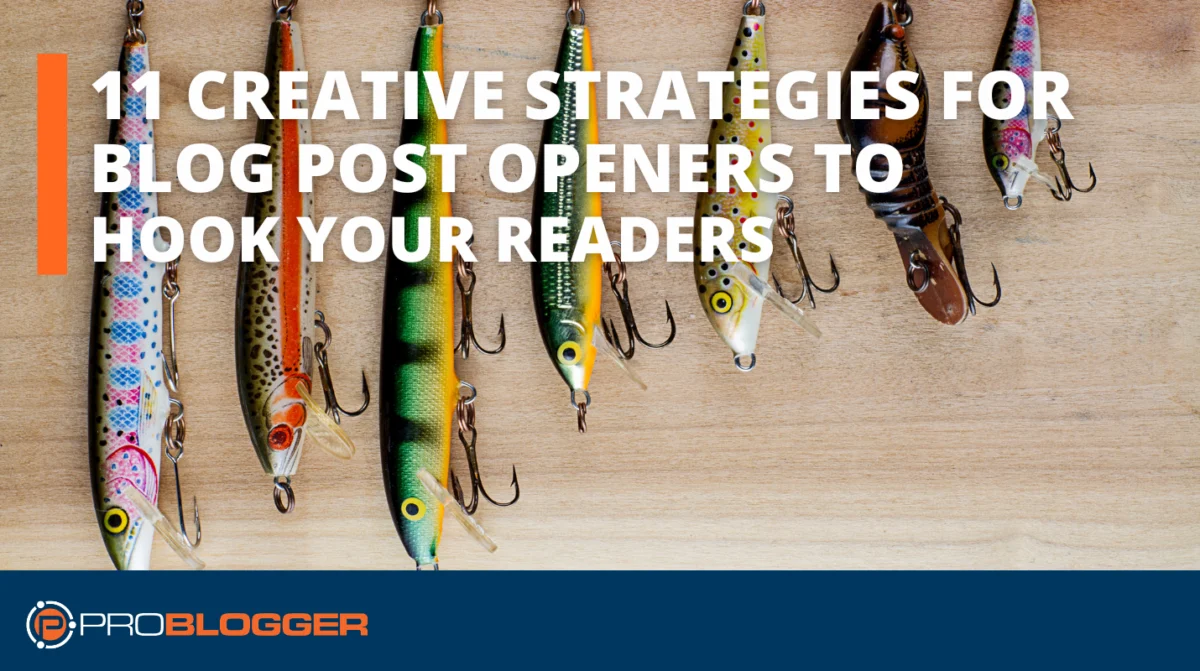
11. Visual-Textual Integration
In modern web design, the opening line is often paired with a hero image. Research indicates that when text and imagery are thematically aligned, the cognitive load required to process the article is reduced, leading to faster engagement. The "image-first" approach is particularly dominant in photography, lifestyle, and design-focused blogs.
The Evolution of Digital Journalism and Engagement
The historical evolution of content consumption has shifted from print-based linear reading to non-linear, scan-based digital reading. In the early 2000s, long-winded introductions were common; today, they are considered a liability. Modern editorial standards demand that the "lead" provide the "who, what, where, when, and why" as efficiently as possible.
Industry analysis suggests that as AI continues to generate baseline content, the premium on human-centric, high-engagement opening lines will rise. Content creators who master the art of the hook are better positioned to retain audiences in an attention-starved digital ecosystem.
Broader Implications for Content Strategy
The cumulative effect of these techniques is a more robust content marketing strategy. When engagement metrics—such as bounce rates, scroll depth, and comments—improve, search engine algorithms (particularly those prioritizing user experience, like Google’s Core Web Vitals) often reward the site with higher rankings. Therefore, the crafting of an opening line is not merely a stylistic choice; it is a fundamental pillar of Search Engine Optimization (SEO) and long-term brand authority.
The most effective approach involves testing. A/B testing different opening lines for the same piece of content can reveal significant insights into audience preferences. For instance, some demographics may respond better to data-driven openings, while others may prefer narrative-led introductions. By applying these eleven strategies systematically, content producers can transform their digital presence, ensuring that every article has the greatest possible chance of being read in its entirety. As the digital landscape continues to evolve, the ability to command attention in the first three seconds will remain the most essential skill in the publisher’s toolkit.