The rapid evolution of digital publishing has necessitated a shift in how creators distribute content, moving beyond traditional self-hosted websites toward integrated social media ecosystems. With over 3.07 billion monthly active users as of 2024, Facebook has transitioned from a mere networking platform into a sophisticated hub for content creators. Establishing a blog-like presence on Facebook—often referred to as a social-first blog—offers an alternative to conventional web development, prioritizing immediate audience engagement and algorithmic visibility.

The Strategic Shift Toward Social-First Blogging
For over two decades, the standard model for blogging involved purchasing a domain, securing hosting, and managing a content management system (CMS) like WordPress. However, the current digital landscape, characterized by high barriers to entry for search engine optimization (SEO) and shifting user behavior, has prompted a pivot. Users increasingly prefer consuming content within the platforms they already frequent.
A Facebook-based blog operates through a dedicated Page, providing a structured environment where creators can publish long-form text, images, and video content. Unlike a personal profile, a Page provides access to professional analytics, advertising tools, and monetization frameworks that are essential for scaling a publication. This approach addresses the "discovery problem" faced by many new websites, as Facebook’s internal distribution mechanisms can surface content to users based on interests rather than just search intent.
Chronology of Platform Monetization
The history of creator monetization on Facebook is marked by a steady progression of features designed to keep content creators within the Meta ecosystem.
- 2017: Facebook launched "In-Stream Ads," allowing creators to monetize video content.
- 2019: The introduction of "Fan Subscriptions" allowed creators to offer recurring revenue models to their most dedicated followers.
- 2020: The expansion of the "Facebook Shop" feature enabled creators and small businesses to integrate e-commerce directly into their pages.
- 2023-2024: Meta overhauled its "Performance Bonus" program, removing previous earnings caps and shifting focus toward engagement-based payouts, signaling a strategic intent to compete directly with platforms like YouTube and TikTok.
Technical Implementation and Page Architecture
The transition from a passive user to an active content creator on Facebook begins with the creation of a dedicated Page rather than relying on a personal profile. A personal profile is capped at 5,000 friends, whereas a Page offers unlimited scalability.
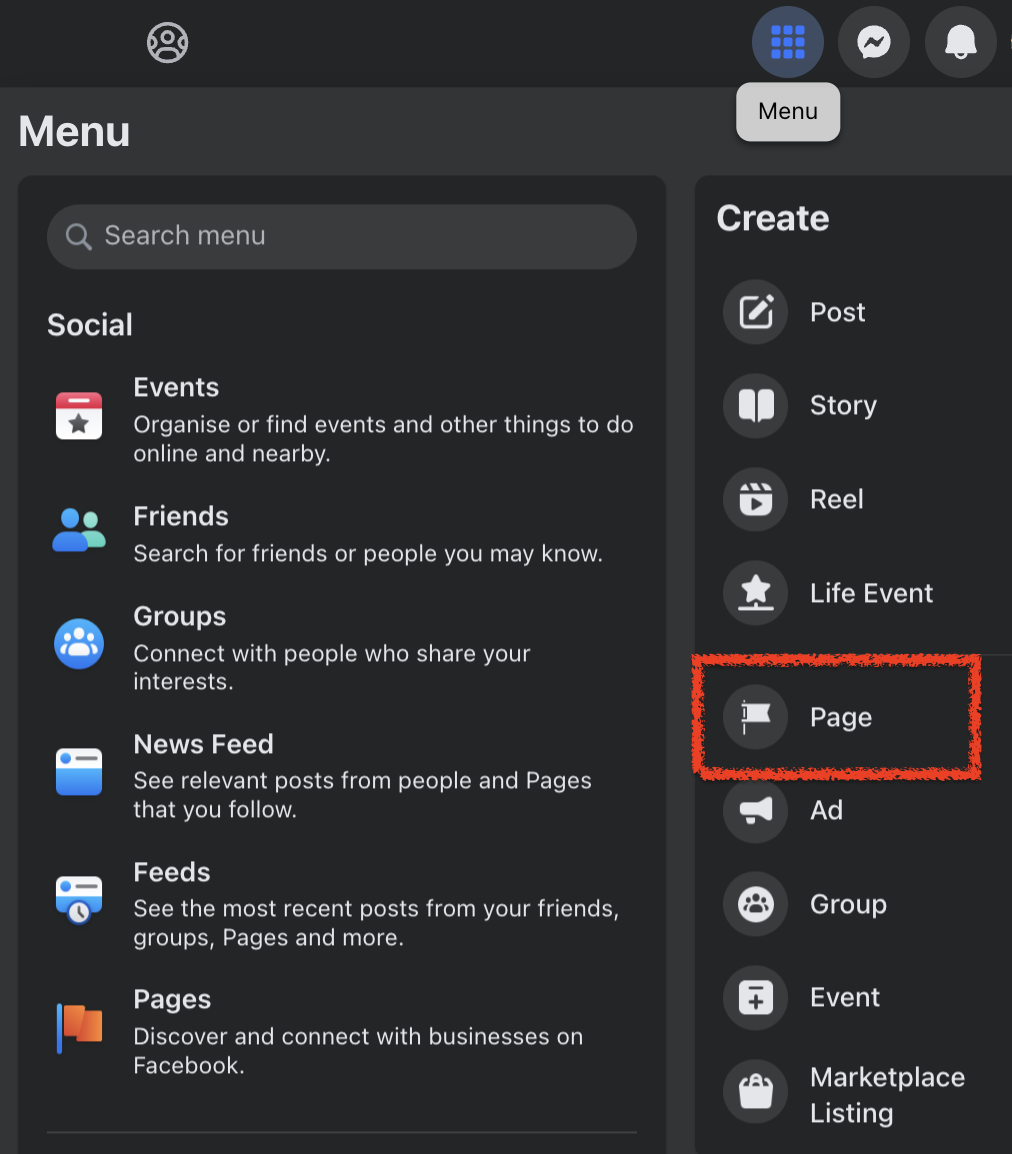
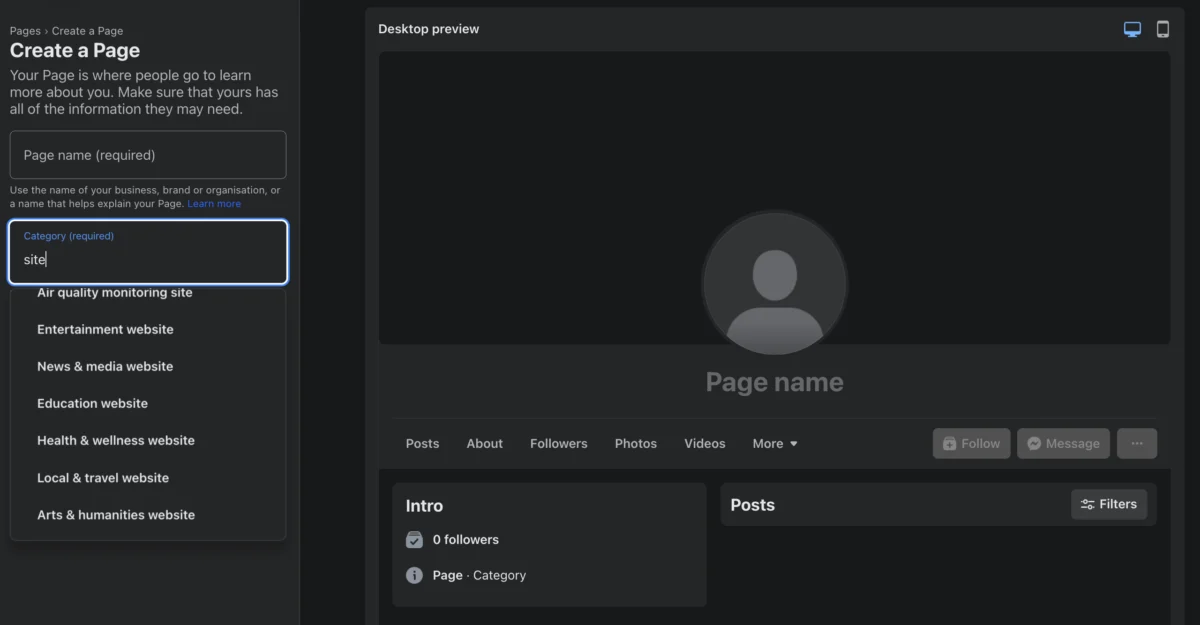
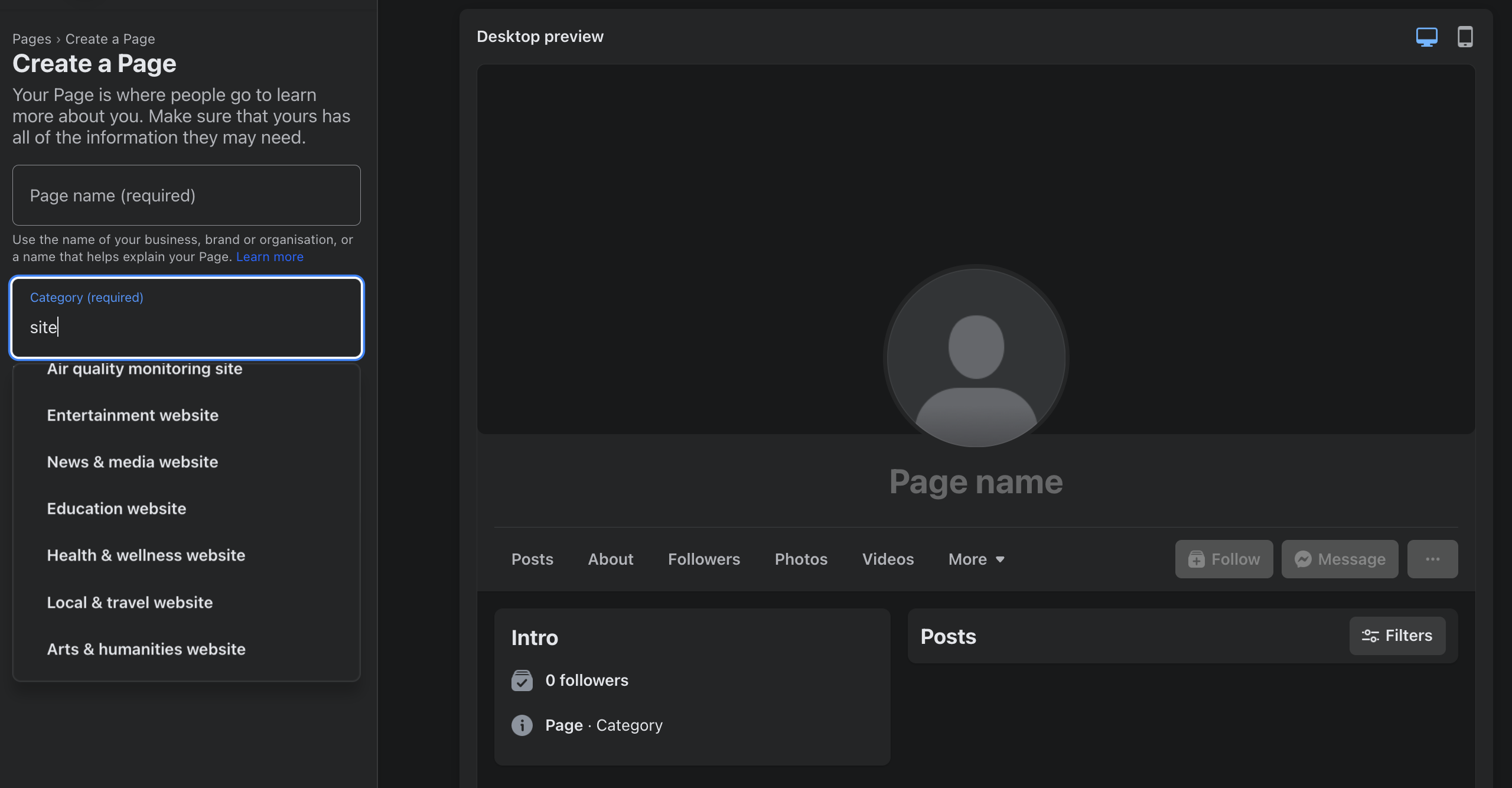
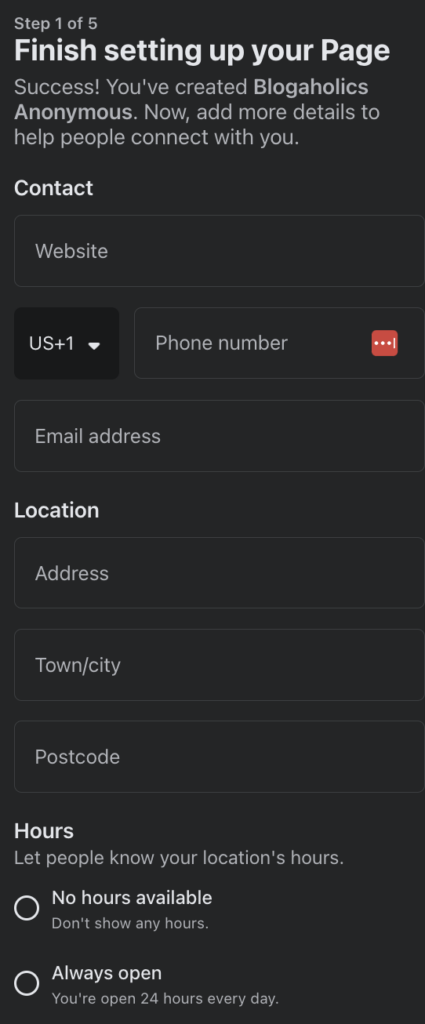
- Page Configuration: Users must navigate to the "Create a Page" interface within the Meta Business Suite. Proper categorization—selecting the "Blogger" or "Media/News" label—is essential for algorithm categorization.
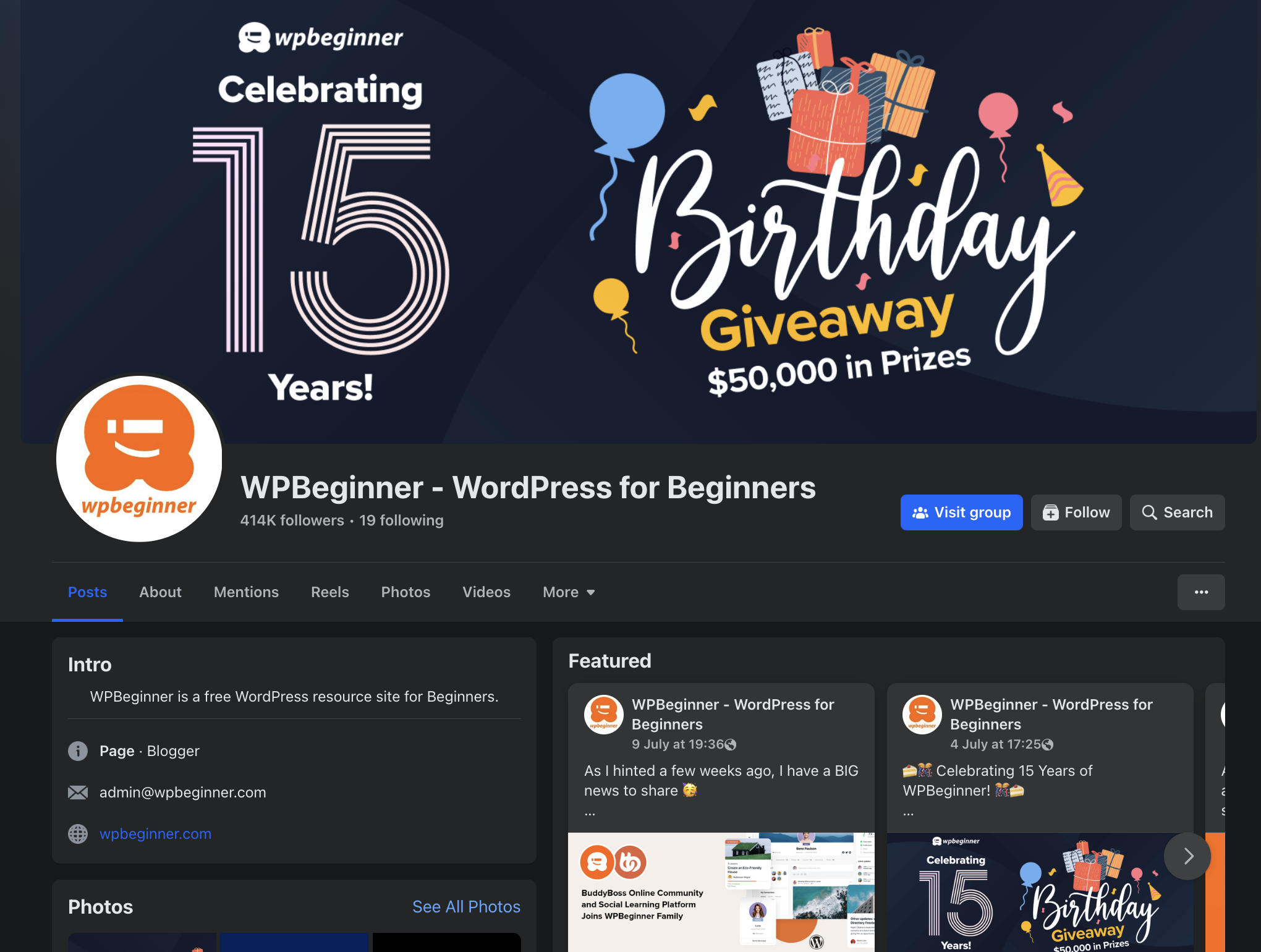
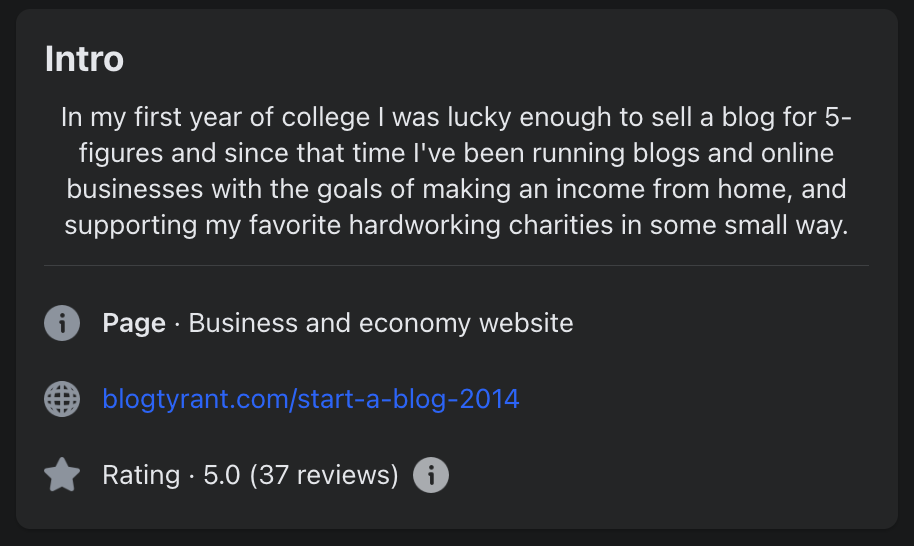
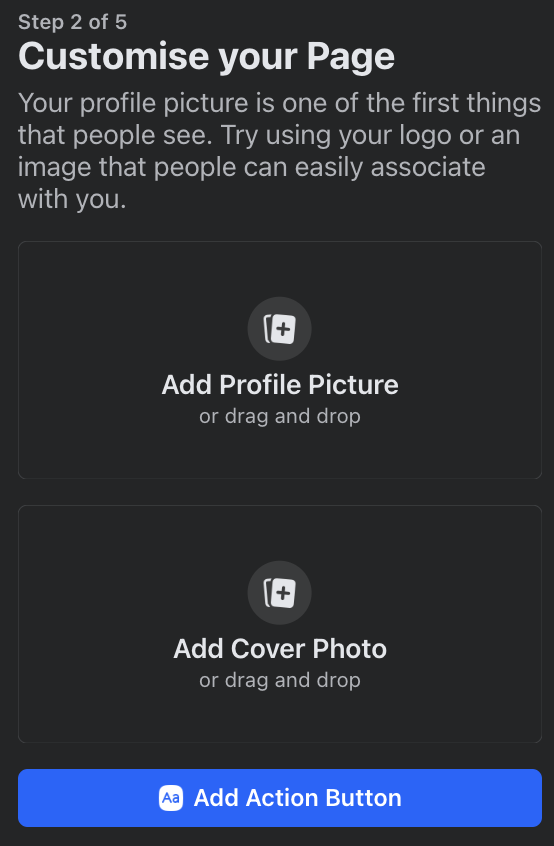
- Identity and Branding: The inclusion of a professional cover photo and a concise, mission-driven bio is the primary touchpoint for potential followers. Industry standards suggest a bio that explicitly defines the niche, providing users with a clear value proposition within the first five seconds of interaction.
- The Vanity URL Transition: A critical operational milestone is reaching 25 followers. Once achieved, the platform allows the creation of a custom vanity URL, which is vital for searchability and brand authority.
- Content Strategy: Modern social blogging requires a hybrid approach. While text-based posts are foundational, the integration of "Facebook Insights" allows creators to analyze which content formats—such as long-form text, short-form video, or interactive polls—generate the highest engagement.
Monetization Frameworks and Revenue Streams
The economic viability of a Facebook blog rests on a diversified revenue model. Relying on a single source of income is considered a strategic risk given the volatility of platform policies.
Direct E-Commerce and Shop Integration
Through the Meta Business Suite, creators can establish a storefront. By utilizing the Catalog Manager, bloggers can sync their inventory with their posts. While digital product sales are currently restricted on the native shop platform, creators often utilize Facebook to drive traffic to third-party secure gateways, effectively using the Page as a top-of-funnel marketing tool.
Affiliate Marketing and Strategic Partnerships
Affiliate marketing remains one of the most accessible entry points. By joining established affiliate programs (such as Amazon Associates or niche-specific networks), creators can insert referral links into their content. Professional best practices dictate full disclosure of these partnerships to comply with Federal Trade Commission (FTC) guidelines regarding endorsements.
In-Stream Ad Revenue
For creators focusing on video content, the Audience Network allows for the automatic insertion of mid-roll ads. This requires adherence to the "Partner Monetization Policies," which emphasize content originality and engagement history. The revenue is calculated based on CPM (cost per mille) metrics, which fluctuate based on viewer demographics and niche relevance.
The Performance Bonus Program
This invite-only program represents the most significant shift in Facebook’s creator economy. It rewards pages based on the volume of comments, shares, and reactions a post receives. Analysis suggests that high-frequency posting of "conversational" content—topics designed to incite debate or discussion—is the most effective way to trigger the algorithm and qualify for these performance incentives.
The Pros and Cons: A Critical Analysis
While the benefits of an integrated platform are clear, there are inherent risks that every creator must weigh.
Advantages:
- Network Effect: Content can go viral through shares, a dynamic that is significantly harder to replicate on a standalone website.
- Direct Interaction: The ability to communicate with followers in real-time through comments and Messenger fosters high brand loyalty.
- Low Barrier to Entry: The lack of upfront costs (hosting, domain registration, development) allows for rapid prototyping of content ideas.
Disadvantages:
- Platform Dependency: The most significant risk is "platform risk." If Facebook changes its algorithm or updates its terms of service, an entire business model can be disrupted overnight.
- Limited Customization: Unlike a self-hosted site, you are subject to Facebook’s UI/UX. You cannot implement custom tracking scripts or unique design elements that are not supported by the platform.
- Ownership Concerns: While creators own their content, they are effectively "renting" their audience. Unlike an email list, which can be exported, a Facebook audience is locked within the platform’s infrastructure.
Broader Implications for the Publishing Industry
The rise of the "Facebook Blog" signals a broader trend in digital media: the democratization of publishing at the expense of platform independence. As search engines like Google become increasingly competitive and saturated, the cost of acquiring traffic through traditional SEO has risen, leading many publishers to treat social platforms as their primary "home" for content.
However, industry experts often advise a "bifurcated strategy." Successful creators typically use Facebook as a powerful acquisition and community-building engine, while simultaneously maintaining a self-hosted website as a "digital fortress." This ensures that while the Page drives traffic and engagement, the core intellectual property and audience contact information (email lists) remain under the creator’s total control.
Ultimately, starting a blog on Facebook is an exercise in balancing reach with risk. For those who prioritize rapid community growth and interactive engagement, it is an unparalleled tool. For those who prioritize long-term asset control, it serves as a critical, albeit auxiliary, component of a larger digital strategy. As the platform continues to refine its monetization tools, the viability of the Facebook-first blogging model will likely continue to expand, provided creators remain vigilant regarding the shifting rules of the digital sandbox they inhabit.