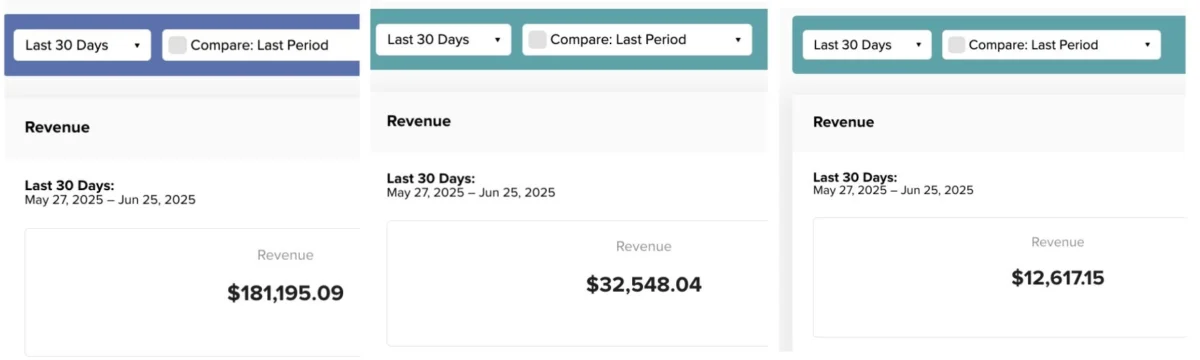
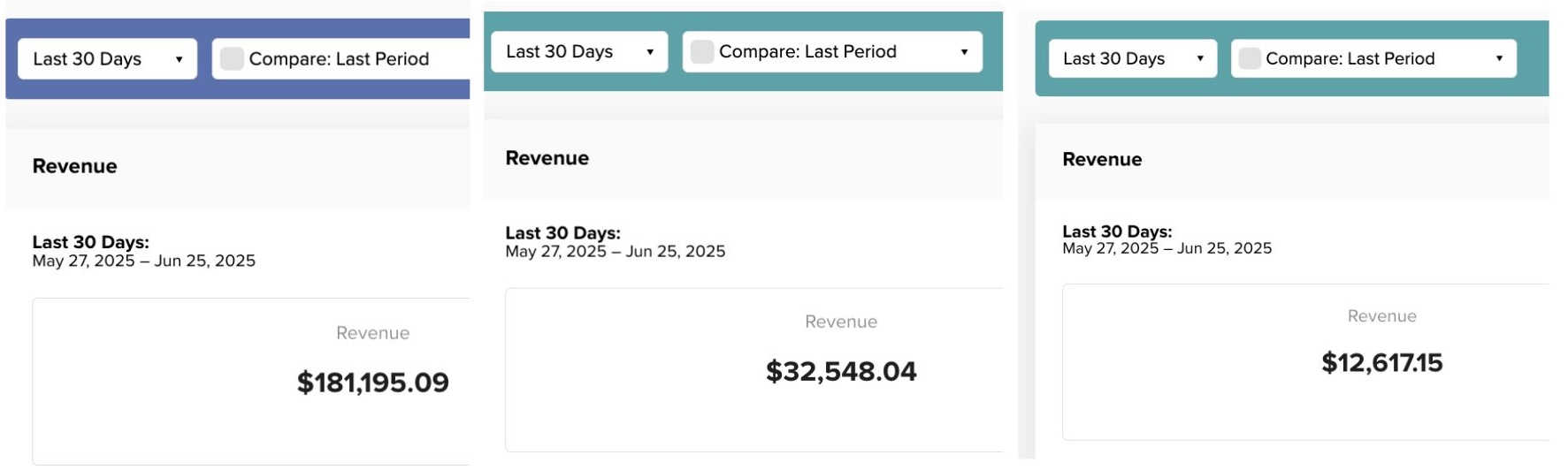
The modern digital publishing landscape has undergone a dramatic transformation over the past several years. For over a decade, building a successful content website meant mastering the intricacies of search engine optimization (SEO), chasing algorithm updates, and competing for the coveted top spots on major search engine results pages. However, shifting algorithms and intense competition have prompted many digital publishers to reevaluate their core traffic strategies. A prominent case study in this evolving industry is digital publisher Jon Dykstra, who has publicly detailed a comprehensive blueprint for generating over $100,000 in monthly net profit across multiple web properties—entirely independent of traditional organic search traffic.
The Strategy Behind Non-SEO Traffic Acquisition
The foundation of Dykstra’s publishing model relies heavily on a diversified traffic acquisition framework. Rather than depending on a single source of visitors, such as Google or Bing, the operational strategy utilizes a combination of social media channels, automated messaging tools, and specialized platforms to drive consistent, targeted traffic to content-rich domains.
According to published operational reports, the infrastructure centers around building high-value content resources that address specific user needs within targeted niches. Once visitors arrive via alternative channels—such as Pinterest or social media automation platforms—the primary objective shifts immediately toward audience retention and direct communication.

The Role of Email Infrastructure and Direct Marketing
A critical component of this publishing model is the prioritization of owned media channels, specifically email newsletters. Industry analysts have long noted that relying solely on third-party platforms leaves digital businesses vulnerable to sudden algorithmic changes. By implementing robust email capture mechanisms across every web property, publishers can establish a direct line of communication with their audience.
In this specific framework, email service providers such as Kit (formerly ConvertKit) are integrated alongside monetization and audience-growth platforms like SparkLoop. This setup allows publishers to scale their subscriber base efficiently while simultaneously creating secondary revenue streams through newsletter sponsorships and referral programs. Industry data consistently shows that owned email lists yield significantly higher conversion rates for affiliate and product promotions compared to transient social media traffic.
Diversified Monetization Streams in Digital Publishing
Modern content monetization extends far beyond traditional banner advertising. While programmatic display advertising networks—such as Mediavine—provide a reliable baseline of passive income once traffic thresholds are met, sophisticated publishers incorporate multiple layers of revenue generation to maximize yield per visitor.
Affiliate marketing plays a major role in this ecosystem. By utilizing comprehensive affiliate aggregation tools like Stay22, publishers can streamline their outbound links and dynamically optimize commissions across numerous retail partners without manually managing dozens of individual brand relationships. Furthermore, integrating paid recommendations within daily newsletters establishes a multi-touchpoint revenue flywheel where users encounter monetization opportunities at various stages of engagement.
Social Media Automation and the Flywheel Effect
A significant driver of the scale achieved in this case study involves advanced social media automation. Platforms like Instagram, Threads, and Facebook are leveraged not merely for brand awareness, but as direct funnels for lead generation. Through automated messaging tools such as Manychat, publishers can engage users who interact with social content, seamlessly guiding them toward email subscriptions and website resources without manual intervention.
This interconnected ecosystem creates what industry experts refer to as a "content flywheel." Traffic driven by social platforms visits the website, where visitors view display ads, engage with affiliate links, and subscribe to newsletters. These subscribers then receive regular updates that drive them back to the site, perpetuating a continuous cycle of engagement and monetization.
Implications for the Digital Publishing Industry

The success of multi-channel, non-SEO publishing models highlights a broader shift in the digital media economy. As search engine referral traffic becomes increasingly volatile due to artificial intelligence integrations and shifting ranking criteria, content creators and media companies are actively diversifying their distribution channels.
The implications of this trend suggest a future where digital publishers operate more like modern direct-to-consumer media brands. By prioritizing first-party data, community building, and automated multi-platform distribution, independent creators can mitigate the risks associated with platform dependency. While building such a system requires navigating complex operational moving parts—including paid acquisition costs, automation workflows, and content production pipelines—the resulting financial stability demonstrates a viable alternative for independent digital entrepreneurs in the current economic climate.