The High Court in London is set to deliver a high-stakes legal judgment next week determining whether a prominent public figure can permanently suppress explosive media investigations detailing allegations of sexual exploitation. The case, which pits individual privacy and severe mental health concerns against the fundamental principles of open justice and public interest reporting, has drawn intense scrutiny from legal experts, media organizations, and mental health advocates alike.
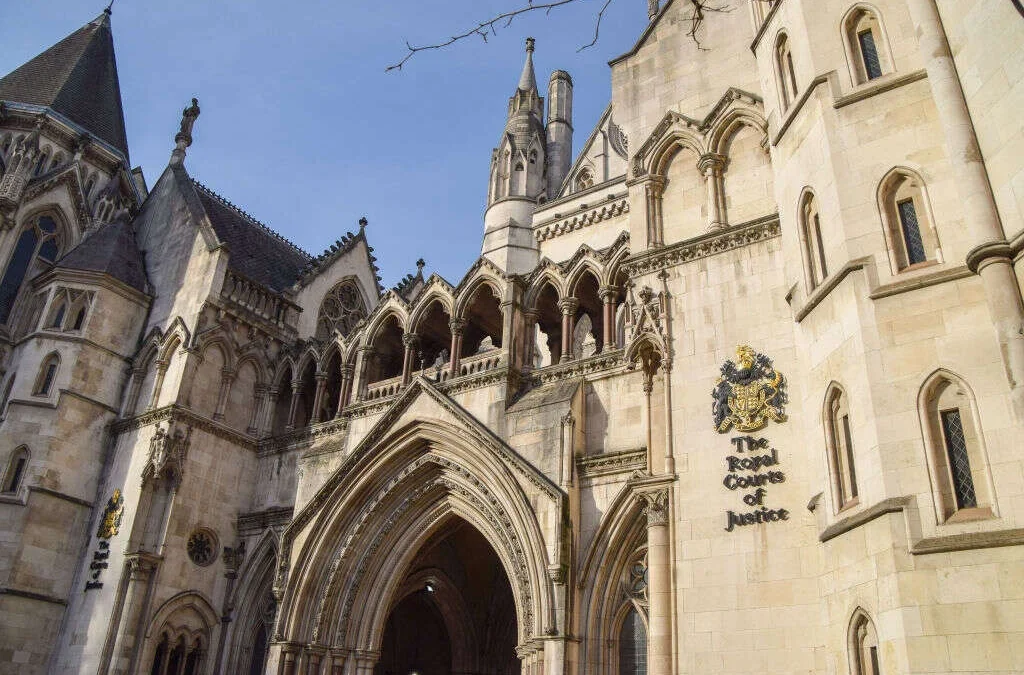
At the center of the legal battle is an unnamed male celebrity—referred to only as the claimant—who has launched a vigorous bid to secure an injunction against two major British media entities: ITN, which produces news programming for prominent networks including ITV, Channel 4, and Channel 5, and Guardian News and Media (GNM). Following a tense, two-day trial at the Royal Courts of Justice, Mr Justice Nicklin announced that he would reserve his decision, aiming to hand down a definitive ruling early next week while interim reporting restrictions remain strictly enforced.
The Nature of the Allegations
During the judicial proceedings, the precise scope of the reporting restrictions and the allegations compiled by journalists were brought to light. Legal counsel representing ITN and GNM revealed that the proposed journalistic output centers on accusations that the claimant systematically abused his status, fame, and professional power over the course of multiple years. According to the defense, the reporting details concerted efforts by the celebrity to contact young women and girls in order to engage in inappropriate and exploitative sexual activities.
Lawyers for the media houses stated that investigative reporters conducted a wide-ranging and rigorous inquiry, speaking with more than 100 individuals. This extensive testimony reportedly includes accounts from friends, former colleagues, and numerous women who have come forward with direct allegations of misconduct.
The claimant, through his legal team, has strenuously denied all allegations of wrongdoing. However, the legal argument for suppressing the story has pivoted heavily away from a simple denial of facts and onto an extraordinary medical and humanitarian claim: that publication of the allegations would trigger an immediate and fatal psychological crisis.
The Mental Health and Suicide Risk Arguments
Representing the unnamed claimant, Sara Mansoori KC argued before the court that publication would have a catastrophic, potentially fatal impact on her client. She asserted that the psychological fallout would drive the celebrity to end his life, noting that the only reason this outcome would not materialize is if he were kept under strict institutional lock and key.
Mansoori pushed back against any suggestion that the mental health claims were being deployed merely as a tactical legal shield to frustrate journalists. Providing stark medical context to the court, she revealed that the claimant has already attempted suicide twice in connection to the unfolding media scrutiny. These attempts resulted in months of hospitalization, involuntary psychiatric detention, and comprehensive medical examinations by more than ten independent medical professionals.
Furthermore, Mansoori emphasized to the court that the gravity of his psychological state has effectively ended his public career, stating explicitly that the claimant "has no intention of returning to public life" regardless of the court’s ultimate ruling.
The Media Defense and Open Justice Principles
In stark contrast, Gavin Millar KC, representing ITN and GNM, urged the court to reject the injunction, framing the application as an unprecedented attempt to weaponize mental health vulnerabilities to suppress matters of vital public interest. Millar argued that establishing a legal precedent where publishers can be permanently silenced simply because the subjects of their investigations are at risk of self-harm would create an unworkable and dangerous standard for British media.
Millar contended that accepting the claimant’s position would effectively "drag judges into assessing the causes of suicidal ideation"—a clinical determination that belongs strictly in the hands of medical professionals rather than the judiciary. He underscored that existing institutional safeguards are already in place to address the claimant’s safety, bluntly submitting to the court that "the obligation falls on the hospital to keep him safe, and that’s that."
Elaborating on the broader public interest, Millar stressed that the forthcoming journalistic reports address a critical societal conversation surrounding systemic abuses of power. He argued that public exposure of powerful men utilizing their status to target vulnerable individuals constitutes a valuable contribution to an ongoing public debate. The media organizations maintain that their investigation was conducted with rigorous journalistic standards, supported by a critical mass of testimony from over a century’s worth of combined personal and professional interactions.
Broader Legal Implications and Precedents
The impending judgment by Mr Justice Nicklin is widely expected to serve as a watershed moment in English media law, particularly concerning the intersection of privacy, freedom of expression, and the human rights framework governing right-to-life provisions under Article 2 of the European Convention on Human Rights (ECHR).
In recent years, courts have increasingly grappled with the balancing act between protecting individuals from severe harm and upholding the public’s right to receive information about wrongdoing by powerful figures. While privacy injunctions (historically known as super-injunctions) have frequently been sought to protect personal medical data, sexual orientation, or marital infidelity, invoking a distinct risk of suicide as the primary legal threshold for suppressing an investigation into alleged sexual misconduct is exceptionally rare.
Legal observers note that if the claimant is successful, it could establish a legal pathway for future litigants with documented psychiatric vulnerabilities to halt investigative reporting. Conversely, a ruling in favor of ITN and GNM would reaffirm the principle that the courts will not easily act as a censor on behalf of the media, provided publishers adhere to standards of responsible journalism and compelling public interest.
Timeline and Next Steps
The legal confrontation reached its climax following months of pre-trial maneuvering and reporting restrictions designed to protect the anonymity of both the claimant and the specific contours of the medical evidence. Following the conclusion of oral arguments on Wednesday, Mr Justice Nicklin acknowledged the urgency demanded by all parties involved.
"The court will have to reserve judgment in this case. I appreciate the urgency," the judge stated from the bench. "I will do everything I can to deliver a judgment next week."
Both legal teams have been instructed to remain on high alert for the formal release of the written judgment early next week. Until the ruling is officially handed down, strict reporting restrictions remain in place, prohibiting the publication of any identifying details regarding the celebrity.
As the legal and media communities await the decision, the case continues to highlight the profound ethical and legal challenges facing modern journalism when investigative reporting collides with acute mental health crises.
Anyone affected by the themes discussed in this article can access confidential support. In the UK, the Samaritans can be contacted for free, day or night, 365 days a year, by calling 116 123 or visiting samaritans.org. International readers can reach out to local emergency services or dedicated mental health support helplines.