The recent security breach involving DebugBear, a prominent Real User Monitoring (RUM) and Core Web Vitals tracking service, has sent shockwaves through the web development and SEO communities. On October 29, 2026, the company confirmed that its DNS records had been compromised at the domain registrar level, allowing threat actors to inject malicious JavaScript into the monitoring scripts used by its clients. This sophisticated supply-chain attack demonstrates the inherent risks associated with third-party dependencies and highlights the vulnerability of even well-integrated performance monitoring tools.
The Anatomy of the Attack
The breach was not a result of a direct compromise of DebugBear’s internal server infrastructure, but rather a targeted redirection of the company’s domain name system (DNS) records. By gaining control over the DNS settings at the registrar level, the attackers were able to point legitimate requests for DebugBear’s monitoring script to a malicious server.
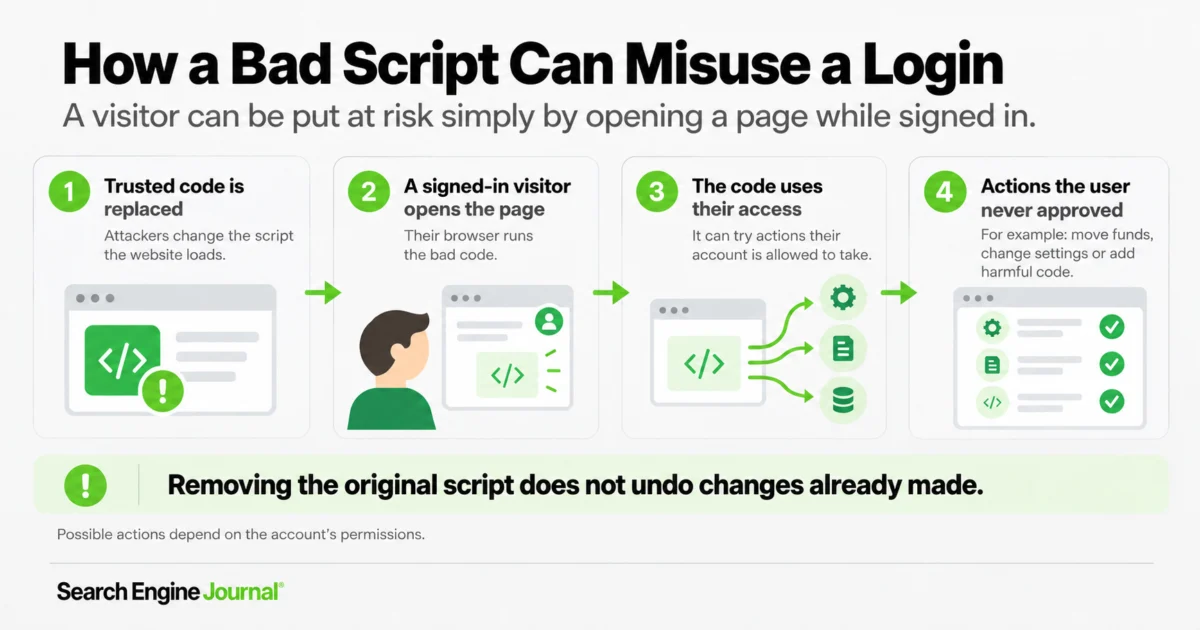
When a user visited a website that had the DebugBear script embedded, their browser would fetch the compromised code from the attacker-controlled endpoint rather than the authentic source. This "man-in-the-middle" approach is particularly dangerous because the script is loaded via the website’s own domain, often bypassing basic security filters that trust established third-party services.
The most notable casualty of this incident was the prediction market platform Polymarket. Security researchers from Hudson Rock identified that the malicious payload delivered to Polymarket users was designed to exploit the elevated privileges of logged-in sessions. By executing within the context of the user’s browser, the script did not need to steal passwords; instead, it piggybacked on the authentication tokens already present in the user’s session to execute unauthorized trades and drain funds from digital wallets.
Chronology of the Incident
The timeline of the event suggests a rapid and highly focused operation:
- October 29, 2026 (Early Morning): DebugBear detected anomalous security activity and confirmed that its DNS records had been hijacked. The company immediately issued an emergency advisory to all customers, urging the removal of its RUM script from all production environments.
- October 29, 2026 (Mid-Day): Cybersecurity analysts at Hudson Rock discovered that the malicious JavaScript was being actively served to visitors of high-traffic platforms, specifically noting the Polymarket incident.
- October 29, 2026 (Late Evening): Polymarket reported a platform outage and confirmed that an unauthorized third-party script had been used to manipulate user wallets.
- October 30, 2026: DebugBear provided follow-up communication via their official X (formerly Twitter) account and LinkedIn page, clarifying that the attack appeared to be highly surgical, with initial indications suggesting it was aimed at a specific high-value client rather than a mass-compromise of all DebugBear users.
- October 30, 2026 (Ongoing): DebugBear reported technical difficulties with its email infrastructure, forcing the company to rely on social media channels to communicate with its client base.
The Danger of Third-Party Dependencies
This incident underscores a growing concern in modern web development: the reliance on third-party scripts. From marketing pixels to performance monitoring tools, the average website loads dozens of external scripts, many of which have full access to the Document Object Model (DOM) of the page.
When a third-party service is compromised, it effectively grants the attacker the same permissions as the legitimate script. In the case of the DebugBear breach, the malicious code acted as an extension of the website itself. Because the script was already trusted by the site’s Content Security Policy (CSP), it could execute actions that the user assumed were authorized by the site owners.
Industry experts have long advocated for the implementation of Subresource Integrity (SRI) hashes and restrictive CSPs to mitigate these risks. An SRI hash allows a browser to verify that the file being fetched from a CDN has not been altered; if the hash of the downloaded file does not match the expected hash, the browser refuses to execute the code. Unfortunately, the dynamic nature of RUM scripts—which are frequently updated to reflect new performance metrics—often makes the strict implementation of SRI challenging, leading many developers to leave these scripts unvalidated.

Impact and Remediation for Site Owners
For businesses and SEO teams that utilize DebugBear, the immediate priority has been the removal of the affected script. However, experts warn that removal is only the first step in a broader forensic process. Site owners are being advised to conduct a thorough audit of their web environments to determine if any unauthorized actions occurred while the malicious script was active.
Beyond removing the code, organizations should consider the following remediation steps:
- Session Revocation: If a site handles sensitive user data, developers should force a global logout for all users to invalidate potentially compromised session tokens.
- Audit Logs: Review server-side logs for any unusual API calls or database entries that coincide with the timeframe of the breach.
- CSP Hardening: Tighten Content Security Policies to explicitly whitelist only the domains and resources that are strictly necessary for the site’s functionality, and avoid "wildcard" domains.
- Credential Rotation: As a precautionary measure, internal teams that had administrative access to the DebugBear dashboard should rotate their credentials, as the attackers may have sought to harvest secondary information during the breach.
Broader Implications for the SEO and Tech Industry
The DebugBear incident serves as a wake-up call for the SEO industry, which heavily relies on RUM tools to track Core Web Vitals and user experience metrics. While these metrics are essential for search engine rankings, the tools used to collect them are now recognized as potential attack vectors.
"The industry has become complacent about the security of third-party monitoring tools," noted a security analyst familiar with the breach. "We prioritize page load speed and performance data, but we often fail to treat these scripts with the same level of security rigor as we do our primary application code. This incident demonstrates that any script capable of reading your page can be turned against your users."
The financial impact on platforms like Polymarket is expected to be significant, but the reputational damage extends to the entire RUM ecosystem. Trust in third-party vendors is now being re-evaluated, with many companies likely to shift toward self-hosted monitoring solutions or more restrictive sandboxing techniques to isolate tracking scripts from user-sensitive operations.
Future Outlook
As of early November 2026, DebugBear continues to work with security partners to resolve the DNS issues and restore their full suite of services. The company has maintained transparency regarding the scope of the incident, reiterating that no evidence exists of a broader compromise of their internal systems or customer data stores.
For site owners, the lesson is clear: in an era where digital supply chains are increasingly complex, security must be a continuous, proactive process. The reliance on external providers for SEO and performance monitoring is a necessity in a data-driven market, but it must be balanced with robust security architectures that assume any external dependency could, at any moment, become a point of failure.
The incident also signals a potential shift in how search engines and browser vendors approach script security. Future updates to web standards may include more advanced, built-in protections against script-based supply chain attacks, ensuring that even if a vendor’s DNS is hijacked, the browser remains a safe environment for the end-user. Until such protections become universal, the responsibility remains firmly with the site administrators to verify, audit, and secure every line of code that their users’ browsers are forced to execute.