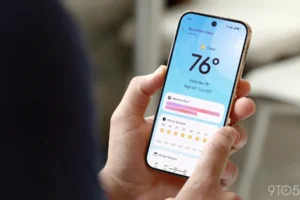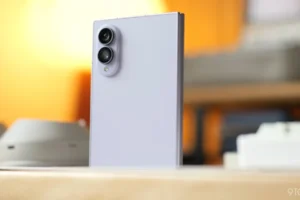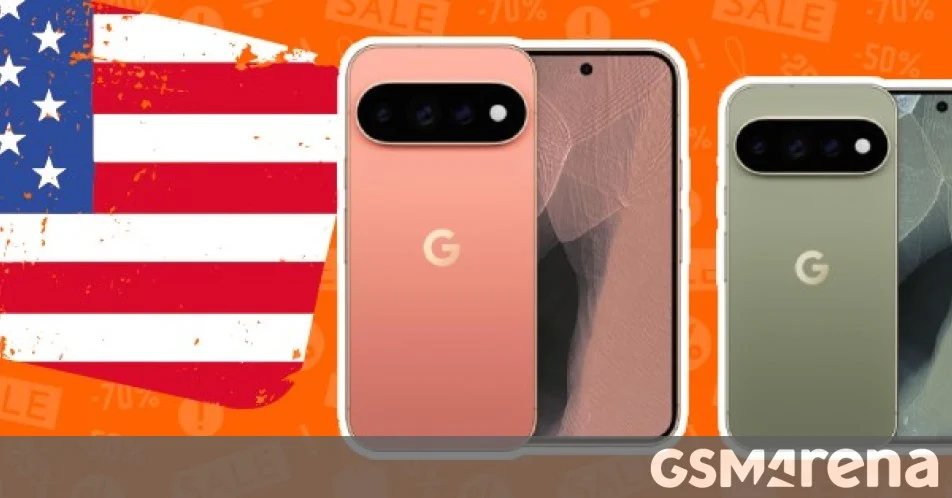
The United States smartphone market has long been characterized by a rigid duopoly, with Apple’s iPhone and Samsung’s Galaxy series commanding the overwhelming majority of consumer interest and retail shelf space. Google’s entry into the flagship space with the Pixel 11 series was intended to serve as a high-performance, software-integrated alternative to this entrenched status quo. However, upon its initial release, the Pixel 11 series faced significant criticism regarding its pricing strategy. With a retail price point $100 higher than its predecessor, the Pixel 10, the base model and its Pro variants were positioned in a premium bracket that tested the price sensitivity of even the most loyal Android enthusiasts.
The $1,100 price tag for a 12/256GB Pixel 11 Pro raised questions about Google’s ability to compete directly with established flagship titans. Yet, the current Black Friday promotional window has fundamentally altered the value proposition of these devices. Through aggressive discounting via major retailers like Amazon, the financial barriers that initially hindered the Pixel 11’s market penetration have been significantly lowered, effectively forcing a recalibration of how consumers view the Google hardware ecosystem.
Chronology of the Pixel 11 Market Entry
The trajectory of the Pixel 11 series began with a high-profile launch that emphasized AI-driven camera capabilities and refined silicon performance. Despite positive reviews regarding software optimization, the market reaction was tepid due to the elevated MSRP. Analysts noted that the premium pricing strategy was a bold move in an inflationary environment where consumers were increasingly opting to hold onto their existing devices for longer cycles.
Throughout the third quarter, reports indicated that while the Pixel 11 series saw steady interest from existing Google hardware users, it struggled to capture market share from the Samsung Galaxy S-series. The transition into the fourth quarter marked a pivotal shift as retailers and carriers moved to clear inventory ahead of the holiday season. The Black Friday sales period, which has become the primary catalyst for annual device adoption, has now emerged as the most significant event in the Pixel 11’s short commercial lifecycle.
Breakdown of Current Promotional Offers
The current promotional landscape for the Pixel 11 series is structured to maximize incentive for both new adopters and upgraders. The price reductions are not merely cosmetic; they represent a significant shift in the device’s accessibility.

- Google Pixel 11 Pro: This model has seen a direct price reduction of $350. When combined with trade-in valuations that offer an additional $300 in credit, the net cost to the consumer is lowered to a level that significantly undercuts the entry price of rival flagships.
- Google Pixel 11 Pro XL: The larger, high-performance variant is currently subject to a $400 discount, with trade-in incentives reaching up to $325. This aggressive pricing brings the XL variant into a competitive range for users seeking large-screen mobile computing experiences.
- Vanilla Pixel 11: Positioned at $700 for a 12/256GB configuration, this unit represents the entry-level flagship experience. While it is priced only $50 below the discounted Pro model, consumers are increasingly weighing the benefits of the Pro’s LTPO (Low-Temperature Polycrystalline Oxide) display technology and superior telephoto lens array, which are absent in the standard model.
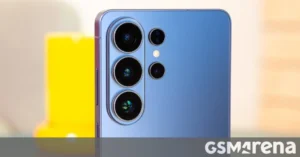
Comparative Analysis: Pixel 11 Pro XL vs. Galaxy S26 Ultra
The rivalry between Google and Samsung remains the most critical subplot in the Android ecosystem. The Galaxy S26 Ultra continues to maintain a lead in raw performance metrics and specialized hardware features, such as the integrated S Pen and proprietary display privacy technologies. These features cater to a specific segment of power users who prioritize productivity and display versatility.
However, independent benchmarking and user experience evaluations suggest that the Pixel 11 Pro XL has successfully closed the gap in areas that matter most to the average consumer: computational photography and software fluidity. In recent comparative analyses, the Pixel 11 Pro XL demonstrated superior image processing in low-light conditions and a more intuitive, streamlined user interface. While Samsung remains the leader in hardware specifications and multitasking capabilities, Google’s strategy of leveraging its proprietary tensor processing and machine learning models provides a distinct competitive advantage in the "smart" functionality of the device.
Supporting Data and Market Implications
The broader implications of these aggressive Black Friday discounts extend beyond simple inventory management. By lowering the entry price, Google is effectively subsidizing the acquisition of new users into the Google hardware ecosystem. This is a critical move, as the long-term value of a smartphone user lies not in the initial hardware purchase, but in their subsequent engagement with services—such as Google One, YouTube Premium, and the broader Google Play ecosystem.

Industry data suggests that once a user adopts a specific flagship ecosystem, the "switching cost"—the effort and financial loss associated with migrating to a different operating system—remains high. Therefore, these holiday deals are essentially a long-term play for customer retention. If Google can sustain this user base through the next fiscal cycle, it will have successfully eroded the "walled garden" effect that has historically protected Apple and Samsung.
Official Stance and Consumer Sentiment
While Google has not released specific internal sales figures for the Pixel 11 series, spokespeople for the company have consistently emphasized that their goal is to provide a "pure Android experience" that integrates seamlessly with AI services. Retail partners have noted that the traffic volume for the Pixel 11 landing pages during the initial days of Black Friday exceeded projections, indicating that the pricing strategy was indeed the primary friction point for potential buyers.
Consumer sentiment, as reflected in online forums and tech-focused discussion boards, suggests that the market was waiting for this exact moment. The consensus among reviewers is that while the Pixel 11 series may not have been a "value buy" at full MSRP, the current discounted rates make the devices some of the most compelling options available in the premium Android market today.

The Role of Trade-Ins in Modern Retail
The prominence of trade-in credits in this promotional strategy reflects a broader trend in the US smartphone market. As the cost of flagship devices has climbed past the $1,000 threshold, the secondary market for used phones has become essential to liquidity. By offering $300 to $325 in trade-in value, Google and its retail partners are incentivizing the circulation of hardware, ensuring that older devices are retired and replaced by current-generation technology.
This circular economy model is beneficial for both the manufacturer and the consumer. For the consumer, it provides an immediate discount that mitigates the pain of the high initial cost. For the manufacturer, it ensures that the user remains within their ecosystem, even if the device being traded in is a legacy model from a competing brand.
Strategic Outlook for the Coming Year
Looking ahead, the success of the Pixel 11 series during this holiday season will likely dictate Google’s product roadmap for the Pixel 12. If the current volume of sales confirms that consumers are highly responsive to price points between $700 and $850, Google may adjust its future MSRP strategies accordingly.

The duopoly of Apple and Samsung remains robust, but the Pixel 11’s performance during this promotional period highlights the fragility of that dominance. As long as Google continues to iterate on its camera software and AI capabilities, it provides a unique value proposition that cannot be replicated by hardware specifications alone. The holiday season of 2026 will be remembered not just for the discounts offered, but as a turning point in the competitive landscape of mobile technology, proving that even the most established players must remain agile in the face of shifting consumer expectations and aggressive market entries.
In conclusion, the Google Pixel 11 series has transitioned from an overpriced flagship to a highly competitive market contender overnight, thanks to the tactical application of Black Friday incentives. For the consumer, the choice between the standard, Pro, and Pro XL variants now comes down to specific feature requirements rather than just price, signaling a healthy, more competitive market that benefits the end-user. As the tech industry watches these figures, it is clear that the fight for the US smartphone market is far from over, and the Pixel 11 has firmly entrenched itself as a key protagonist in that ongoing narrative.