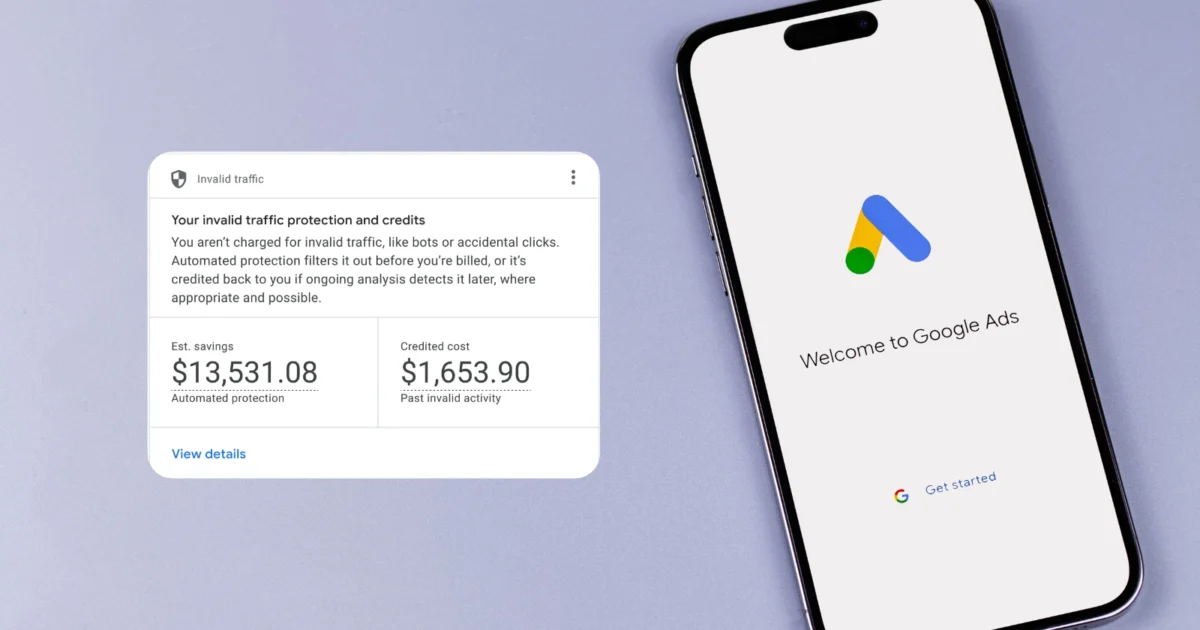
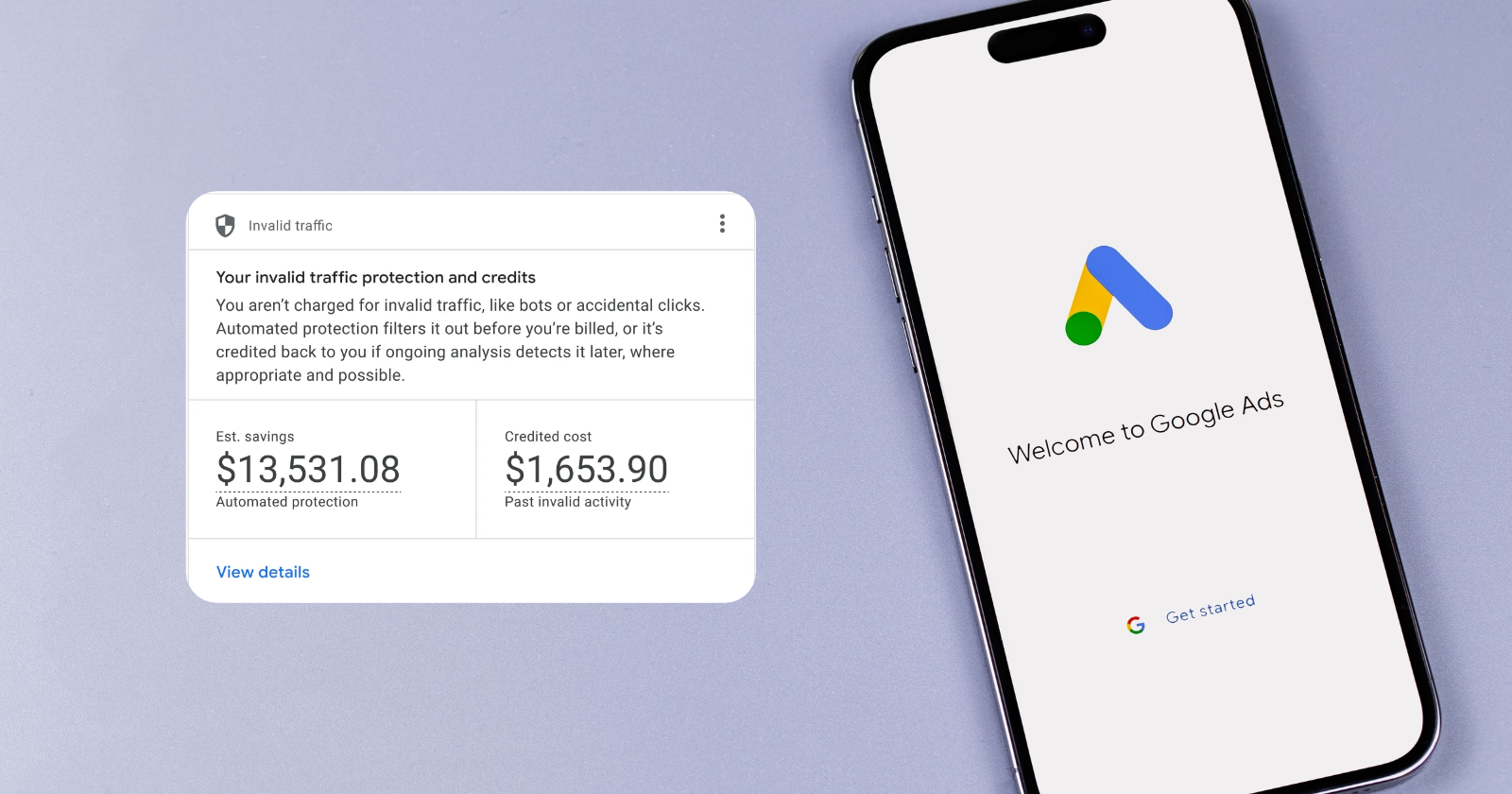
Google has officially launched a new Invalid Traffic Overview Card within the Google Ads platform, marking a significant shift in how the search giant communicates the efficacy of its automated fraud detection systems. By centralizing data that was previously scattered across disparate billing statements and campaign-level reports, the company aims to provide advertisers with a clearer picture of the resources saved through proactive filtering of bots, accidental clicks, and malicious traffic. This global rollout, which began in mid-November 2026, extends to Google Ads accounts and is fully integrated into Search Ads 360, reflecting a broader effort by Google to address long-standing advertiser concerns regarding transparency and the fiscal impact of non-human traffic.
The Evolution of Traffic Monitoring
For years, the digital advertising industry has grappled with the persistent challenge of "invalid traffic"—a catch-all term for clicks or impressions that do not result from genuine user interest. This includes sophisticated bot networks, automated scraping tools, and inadvertent user errors. Google has historically utilized a multi-layered approach to mitigate this, relying on proprietary automated systems combined with periodic manual audits to scrub such interactions before they reach an advertiser’s final invoice.
Despite these efforts, the lack of granular, real-time reporting on these filtered activities has been a point of friction for performance marketers. Previously, advertisers seeking to quantify the volume of invalid traffic had to navigate between campaign-specific performance reports and monthly financial statements, often leaving a disconnect between technical performance metrics and budgetary reconciliation. The introduction of the Invalid Traffic Overview Card addresses this gap by consolidating these figures into a single, accessible dashboard.
Mechanics of the New Reporting Tool
The new feature is positioned on the Google Ads Overview page under the Campaigns tab. It functions as a diagnostic tool that categorizes invalid traffic into three distinct reporting segments, offering a more nuanced view of how advertising budgets are protected.
By clicking the "View details" button, users gain access to a longitudinal trend chart that tracks invalid activity on a day-by-day basis, complemented by a campaign-specific table. Perhaps the most significant addition is the inclusion of "estimated savings." While advertisers could previously track the frequency of invalid clicks, the platform historically stopped short of providing a dollar-value equivalent of the savings generated by Google’s defensive systems. Now, the dashboard assigns a financial estimate to the traffic prevented, allowing marketers to visualize the direct fiscal benefit of Google’s security infrastructure.
Maintaining Financial Integrity: The Billing Paradox
A critical technical distinction in this rollout is the separation between "pre-billing" filters and "post-billing" adjustments. Google Ads locks standard campaign metrics at the conclusion of each month to ensure alignment with financial invoices. Consequently, if Google identifies a surge of invalid activity after a billing cycle has closed—and subsequently issues a credit—those adjustments do not retroactively alter the Cost or Cost-Per-Acquisition (CPA) metrics displayed in the main campaign tables.
To bridge this gap, Google has introduced the "Invalid Activity Credit: Search & PMax" report within the platform’s Report Editor. This tool serves as the definitive source for reconciled data, providing ten detailed columns, including "Adjusted cost" and "Adjusted cost / conv." The data is retroactively mapped to the original dates of the campaign, ensuring that advertisers can accurately calculate their true ROI without the distortion caused by post-hoc credit applications. This allows for a more precise alignment between CRM data and advertising spend, a necessity for firms operating with tight margins.
Industry Context and Official Communications
The announcement, spearheaded by Google Ads Liaison Ginny Marvin, was detailed in the November 2026 edition of the Ads Decoded newsletter. Marvin emphasized that the majority of invalid traffic is caught before it ever appears on an invoice, reinforcing the narrative that Google’s automated systems are highly effective at neutralizing threats in real-time.
From an industry perspective, this move is seen as a proactive response to increasing pressure from major brands and agencies for greater "black box" visibility. By providing a window into the volume of filtered traffic, Google is effectively defending its platform against accusations of systemic negligence regarding ad fraud. However, the move also serves to set expectations: by quantifying what is caught, Google implicitly acknowledges that there is a limit to detection capabilities, thereby shifting the responsibility of "lead quality" onto the advertiser.
Implications for Campaign Strategy
While the new card provides valuable transparency, it introduces new challenges in interpretation. Advertisers must exercise caution when evaluating the "estimated savings" figures. A campaign with a massive daily budget will naturally show higher estimated savings compared to a smaller, niche campaign. Therefore, the data should not be used as a primary metric for determining the quality of an ad network or a specific placement. Instead, it serves as a baseline for understanding the robustness of the protection systems currently in place.
Furthermore, there is a clear demarcation between "invalid traffic" and "low-quality leads." As Marvin noted in her documentation, Google’s systems are designed to detect technical anomalies—non-human interactions, bot signatures, and fraudulent click patterns. They are not, however, designed to judge the intent of a human user. An ad may receive a perfectly valid click from a real person who chooses not to convert, or who fills out a form with low-intent data. Consequently, the new tool will not resolve the common frustration of "fake" leads, which often stem from legitimate traffic sources.
Data-Driven Analysis and Future Outlook
For organizations that rely heavily on lead generation, this tool acts as a starting point rather than a comprehensive solution. The recommendation for sophisticated advertisers is to cross-reference the data from the Invalid Traffic Overview Card with their internal Customer Relationship Management (CRM) systems. If a disparity exists between the "invalid traffic" reported by Google and the "junk leads" identified by a sales team, the issue likely resides outside the scope of click-fraud detection—pointing toward targeting parameters, landing page design, or offer relevance.
As the industry moves toward a future where automated, AI-driven traffic becomes the norm, the battle against bot activity will likely escalate. Google’s commitment to providing this level of granularity suggests a long-term strategy of "co-management," where the platform provides the security infrastructure, but the advertiser retains the duty of qualitative analysis.
Conclusion
The rollout of the Invalid Traffic Overview Card is a positive, albeit incremental, step toward greater transparency in the Google Ads ecosystem. By providing a centralized, actionable view of invalid activity and the subsequent financial impact, Google has empowered advertisers to make more informed decisions about their spend. However, as the limitations of these reports regarding lead quality become apparent, the responsibility returns to the marketer to integrate this data into a broader, holistic view of performance. Moving forward, the effectiveness of this tool will be measured by how well it helps advertisers distinguish between technical traffic fraud and the broader, more complex challenge of maintaining high-quality conversion funnels in an increasingly automated digital landscape.