Have you ever experienced the unsettling sensation of walking into a room and sensing that you were the subject of a conversation that stopped the moment you entered? For modern brands, this is not merely a feeling; it is a daily operational reality. Consumers are constantly discussing products, debating features, and sharing recommendations across platforms like Instagram, TikTok, and Reddit. However, the vast majority of these conversations occur without tagging the brand, effectively rendering them invisible to traditional social media management dashboards.
This disconnect has necessitated a pivot from simple social media monitoring to the more sophisticated practice of social listening. While monitoring is the reactive process of responding to direct inquiries, social listening is the proactive analysis of the broader, unfiltered digital discourse. It allows organizations to move beyond the echo chamber of their own followers and gain a comprehensive view of how they are perceived in the marketplace.
The Distinction Between Monitoring and Listening
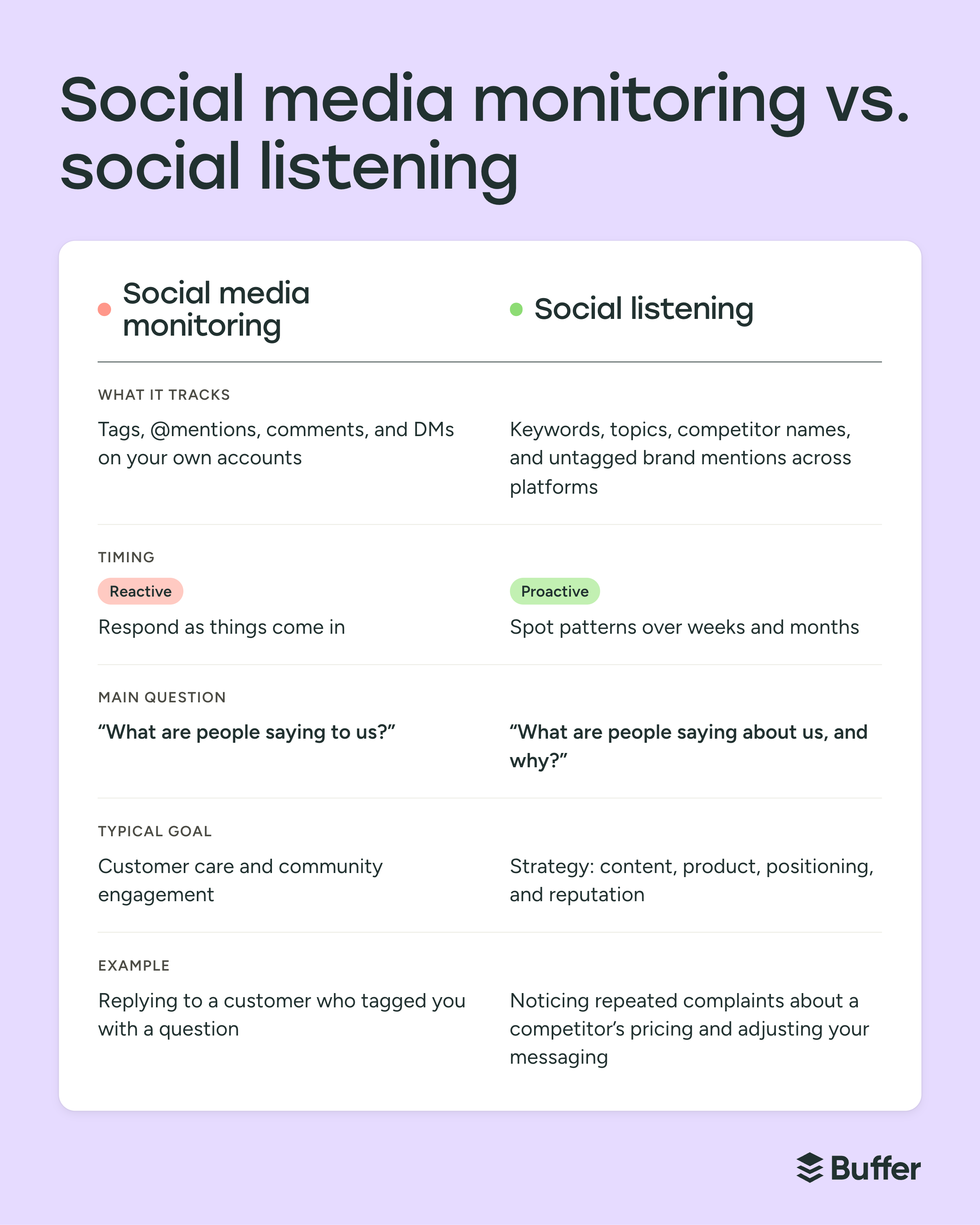
In the corporate communications landscape, the terms "social monitoring" and "social listening" are frequently conflated, yet they serve fundamentally different functions. Social media monitoring is the baseline of digital customer service. It involves tracking direct mentions, tags, and private messages on owned accounts. The primary objective is responsiveness; it is a tactical necessity for maintaining brand sentiment and addressing individual customer grievances in real-time.

Social listening, by contrast, is a strategic endeavor. It involves the aggregate analysis of keywords, industry-wide topics, and competitor activities across the digital ecosystem. If monitoring asks, "What are people saying to us?", listening asks, "What are people saying about us, and why?" By analyzing patterns over weeks or months, companies can identify emerging trends, systemic product failures, or shifts in consumer behavior before they manifest in bottom-line revenue.
The Evolution of Consumer Insight
The shift toward social listening represents a maturation of data-driven decision-making. Historically, businesses relied on surveys and focus groups—expensive, time-consuming methods that often produced biased results. Social listening provides a real-time, ethnographic look at consumer sentiment in its most natural state.
For instance, consider the case of the beverage industry. When consumers began experimenting with the viral trend of adding tea bags to lemon-lime sodas on platforms like TikTok, the parent company of Sprite identified this organic consumer innovation through social listening tools. By analyzing the sentiment and the frequency of the trend, the brand was able to fast-track the development of "Sprite + Tea." This move was not based on internal brainstorming, but on a direct synthesis of consumer-led R&D.
Similarly, in the activewear market, Cassey Ho of Popflex Active famously utilized social listening to address a recurring, persistent complaint regarding "dropped shoulder" designs in women’s athletic jackets. By aggregating these complaints, she was able to develop a product that specifically addressed the identified pain point, transforming a source of frustration into a unique selling proposition.
A Strategic Framework for Implementation
For organizations looking to institutionalize social listening, the process should be structured into five distinct phases: goal setting, internal data auditing, keyword architecture, tool integration, and actionable synthesis.
Step 1: Setting Concrete Objectives
Listening without a goal is merely data accumulation. Brands must define whether they are looking to inform product development, monitor competitive positioning, or mitigate reputational risk. Clear goals allow for the creation of specific key performance indicators (KPIs) that align with overall business strategy.
Step 2: Leveraging Internal Feedback
The most cost-effective starting point for any social listening strategy is the organization’s own existing comment sections and direct messages. These channels are often treasure troves of actionable intelligence that go uncatalogued. By utilizing centralized social media management platforms—such as Buffer—to aggregate these communications, teams can identify recurring themes or frequently asked questions that indicate potential gaps in product documentation or customer support.
Step 3: Keyword and Topic Architecture
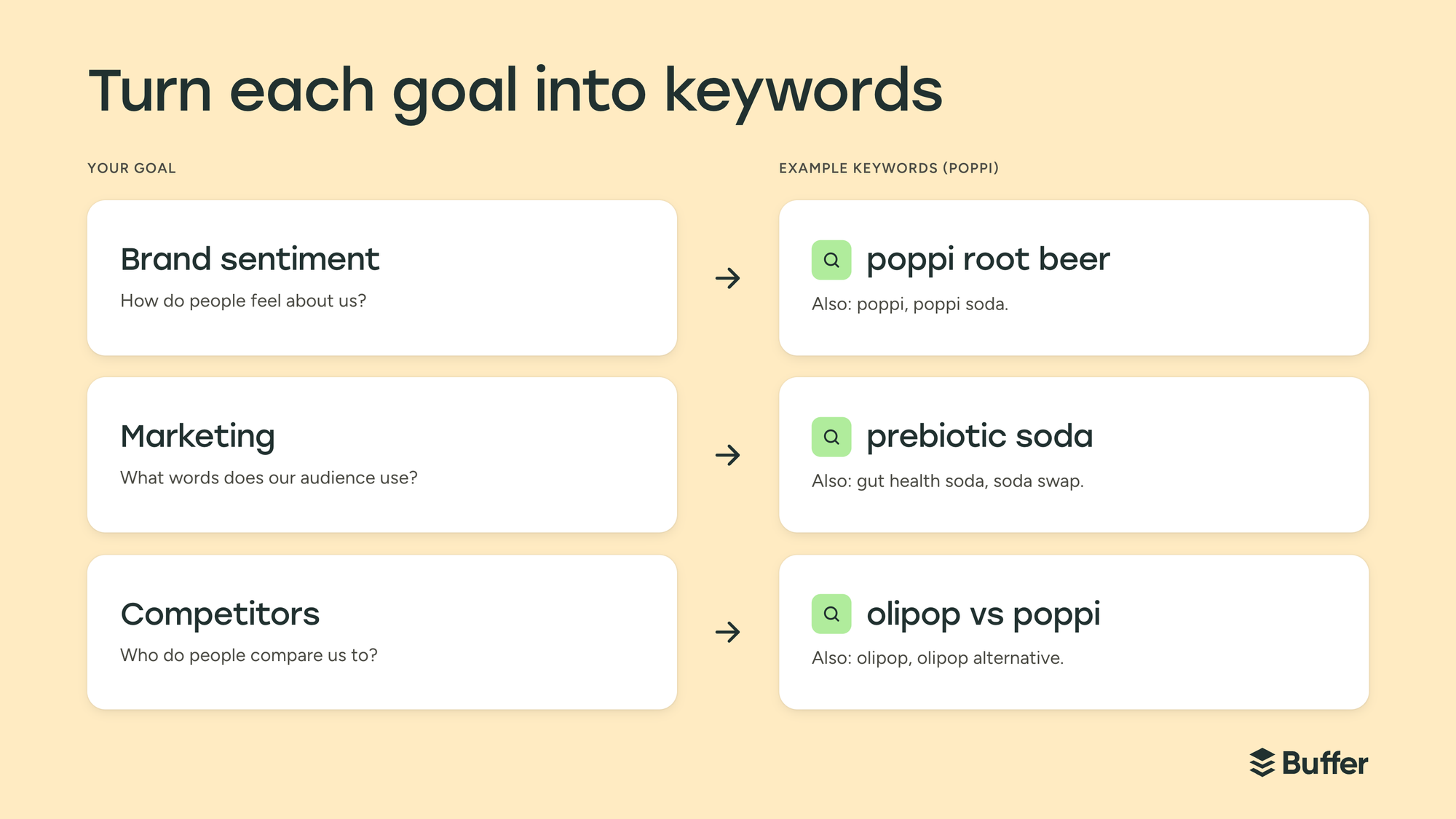
Once internal channels are optimized, the focus must shift to broader industry monitoring. This requires the selection of high-intent keywords, competitor names, and, crucially, common misspellings of the brand name. Industry-specific forums, such as dedicated subreddits, often provide the most candid feedback. For example, a skincare brand monitoring its own name on Reddit would likely find more nuanced, honest reviews in r/SkincareAddiction than on a curated corporate Instagram feed.

Step 4: The Role of Technology
As the volume of social data scales, manual monitoring becomes impossible. Dedicated social listening tools—such as Brandwatch, Sprout Social, or Meltwater—are essential for automating the collection, filtering, and sentiment analysis of global mentions. These platforms typically function by collecting public posts, filtering out noise (such as bot activity or irrelevant mentions), and providing an analytical dashboard that visualizes sentiment over time.
Step 5: Synthesizing Data into Strategy
The final, and most critical, step is the transition from data to decision. Software can flag a surge in negative sentiment, but it cannot explain the nuance of why that surge is occurring. This is where human analysis remains indispensable. If a brand notices a recurring complaint about a product, the action taken should be cross-functional—informing the product team for potential redesigns, the marketing team for clarifying messaging, and the customer support team for improved crisis management.
Real-World Success: Turning Feedback into Action
Several major brands have demonstrated the efficacy of this loop. Grillo’s Pickles, after identifying a consistent narrative on social media that their lids were leaking and difficult to open, redesigned their packaging to a twist-off mechanism. The change was a direct response to customer sentiment and resulted in immediate positive reception.
Crayola similarly utilized social listening to identify nostalgia-driven demand for retired colors. By tracking the volume of requests on social media, the company successfully launched a "reunion" campaign that re-introduced eight classic colors, aligning their product roadmap with fan desires.
Tree Hut’s experience with their "Cinnamon Dolce" scent offers a masterclass in scaling niche feedback. After observing years of social media requests for the product to be available year-round and in new formats, the company expanded the line and eventually integrated the product into their Super Bowl marketing strategy.
The Broader Implications for Corporate Governance
Social listening is fundamentally about de-risking the future. In an era where a single viral post can alter the trajectory of a brand’s reputation, the ability to "eavesdrop" on the market is a competitive advantage. It allows for crisis prevention; by identifying a negative conversation before it reaches a tipping point, companies can step in, address the concern, and often turn a detractor into a loyal advocate.
Furthermore, as consumers continue to prioritize authenticity and responsiveness, the gap between brands that listen and brands that broadcast will only widen. Social listening transforms the audience from a passive recipient of advertising into an active participant in the product lifecycle.
While the prospect of analyzing the entire internet may seem daunting, the most effective strategies begin at home. By mastering the art of listening to the existing community, organizations can build the necessary muscle memory to track broader industry trends. The ultimate goal of social listening is not just to hear what is being said, but to translate that intelligence into the kind of agility that defines market leaders. By integrating this practice into the core of their business model, companies can ensure that they are not just reacting to the market, but actively participating in the evolution of their industry.