The Japanese rice market, historically a bastion of stability and self-sufficiency, has experienced a dizzying transformation that has baffled agricultural economists and policymakers alike. In the span of just two years, the nation has careened from a debilitating, politically damaging shortage in 2024 to a record-breaking surplus by 2026. This sudden oscillation, which forced the government to intervene twice—first by releasing emergency reserves and later by buying back excess supply to prevent price collapse—serves as a stark case study on the fragility of food security in an era of rapid climate change and shifting global trade dynamics.
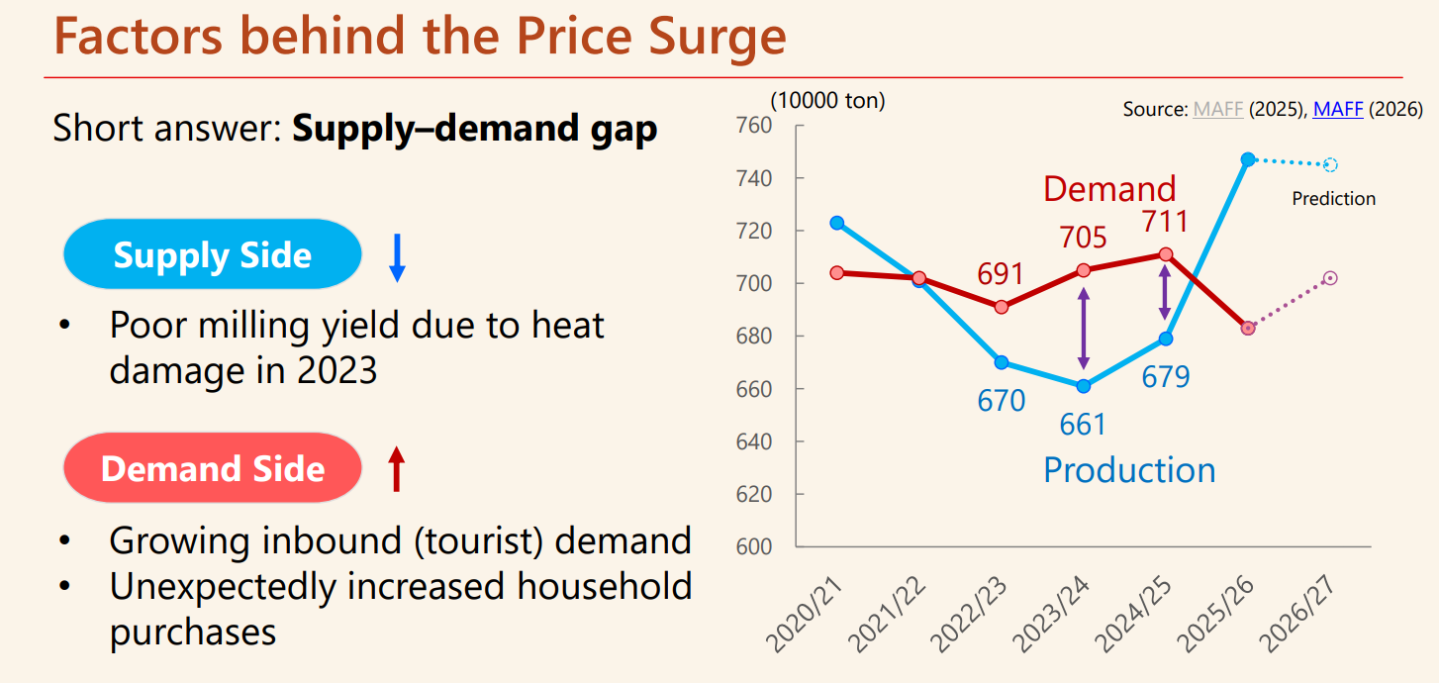
The crisis began in 2023, when extreme heat waves and persistent drought conditions ravaged rice paddies during the critical grain-filling stage. The impact on production was immediate and severe, significantly reducing the yield of top-grade, sellable rice. This environmental stressor acted as the primary catalyst for a national supply chain disruption. As private rice stocks plummeted from an annual average of approximately 2 million tons to a precarious 1.5 million tons, the scarcity hit consumers and businesses hard.
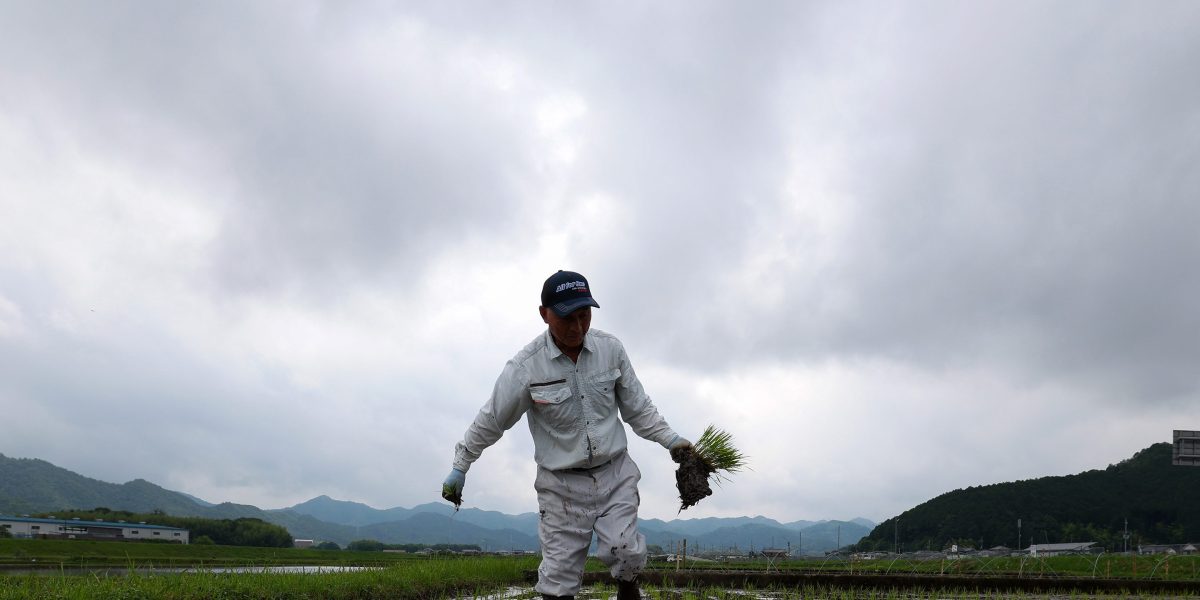
The scarcity was exacerbated by two concurrent factors: a post-pandemic surge in tourism that boosted domestic demand for rice-heavy menus, and a series of public earthquake warnings that prompted widespread "panic buying." The result was a dramatic spike in costs. Data analyzed by Ryosuke Inoue, a visiting fellow at the CSIS Japan Chair in Washington, D.C., indicates that a standard five-kilogram bag of rice, which typically retailed for roughly ¥2,000 ($13) in early 2024, surged to a peak of ¥4,300 ($27) by 2025. The political fallout was swift, culminating in the resignation of a government minister as public frustration mounted over the administration’s slow response in tapping into the national emergency reserve system.
A Chronology of the Volatility
The timeline of this agricultural instability highlights the lack of a buffer in Japan’s food supply.
- Summer 2023: Intense heat and drought conditions negatively impact rice yields across major agricultural prefectures, setting the stage for the coming shortage.
- Early 2024: Retail prices begin to climb as supply chain opacity masks the true severity of the stock decline.
- Mid-2025: The shortage reaches its zenith. The government, under intense public pressure, releases emergency rice reserves for the first time since the system’s inception in 1995.
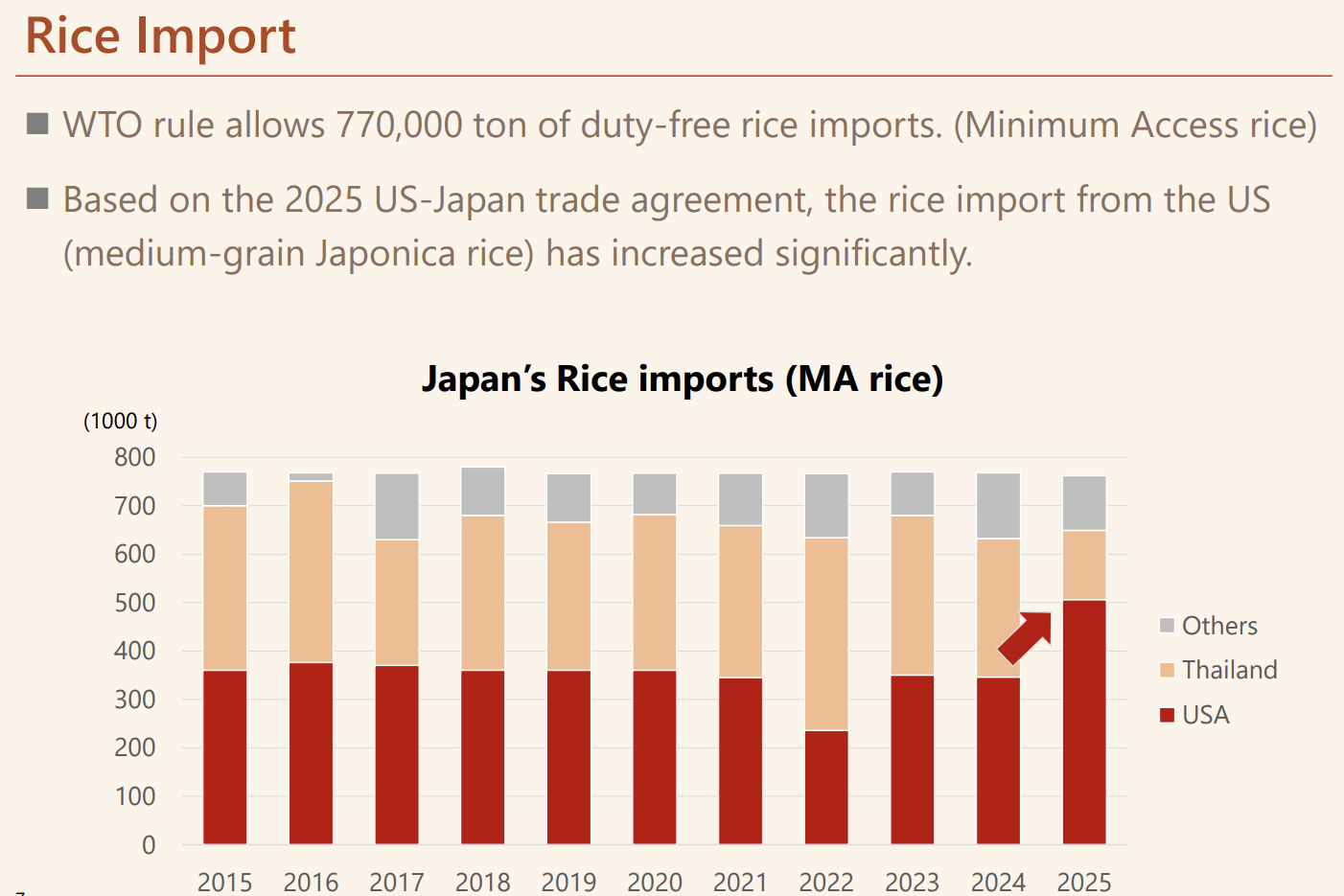
- Summer 2025: Amidst the domestic crisis, diplomatic tensions rise as U.S. officials, including President Donald Trump, criticize Japan’s restrictive import policies, leading to a trade deal that mandates a 75% increase in U.S. rice imports.
- Late 2025–Early 2026: Japanese farmers, incentivized by the high market prices, drastically ramp up production.
- Mid-2026: The market shifts from deficit to surplus. Private stocks rebound to 2.43 million tons, causing prices to fall toward ¥3,300 ($21).
- Late 2026: The Japanese government initiates a buy-back program for 210,000 tons of rice to stabilize the market and replenish drained reserves.
The Structural Opacity of the Market
A critical issue highlighted by the 2024–2026 cycle is the inherent lack of transparency in Japan’s rice distribution network. Despite being a highly advanced economy, Japan’s agricultural supply chain remains remarkably decentralized and difficult to monitor in real-time. According to Inoue, many distributors prioritize profit maximization, and there is a profound lack of visibility regarding how rice moves from the farm gate to the dinner table.
This opacity meant that when the 2024 supply shock hit, regulators were effectively operating in the dark. They lacked the granular data necessary to implement a calibrated response, leading to a delayed reaction that exacerbated the price spike. Furthermore, the reliance on a domestic-focused model meant that when domestic production faltered, there was no immediate, efficient mechanism to balance the market through international trade without creating significant political friction.
International Trade and the "Sticky" Rice Dilemma
The Japanese rice market is unique in its focus on short-grain, high-stickiness varieties that are culturally essential. Consequently, the country has long maintained protectionist policies to support its aging domestic farmer population. However, the 2025 trade negotiations with the United States forced a recalibration of this stance.
When the U.S. demanded greater market access during the height of the 2025 shortage, the Japanese government was caught in a "political trap." It needed the grain to appease consumers, but increasing imports risked undermining the domestic agricultural lobby, which has been a traditional political powerhouse in Japan. The resulting 75% increase in U.S. rice imports represents a historic shift in trade policy, creating a long-term dependency on American supply that will continue to influence market prices through 2027 and beyond.
The Demographic and Geographic Challenge
The volatility of the past two years is not solely the result of weather or bad policy; it is compounded by a profound demographic crisis. Japan’s rice farming sector is currently maintained by an aging workforce, with an average farmer age of 67.7 years. Only 1.2% of the sector is comprised of individuals under the age of 30.
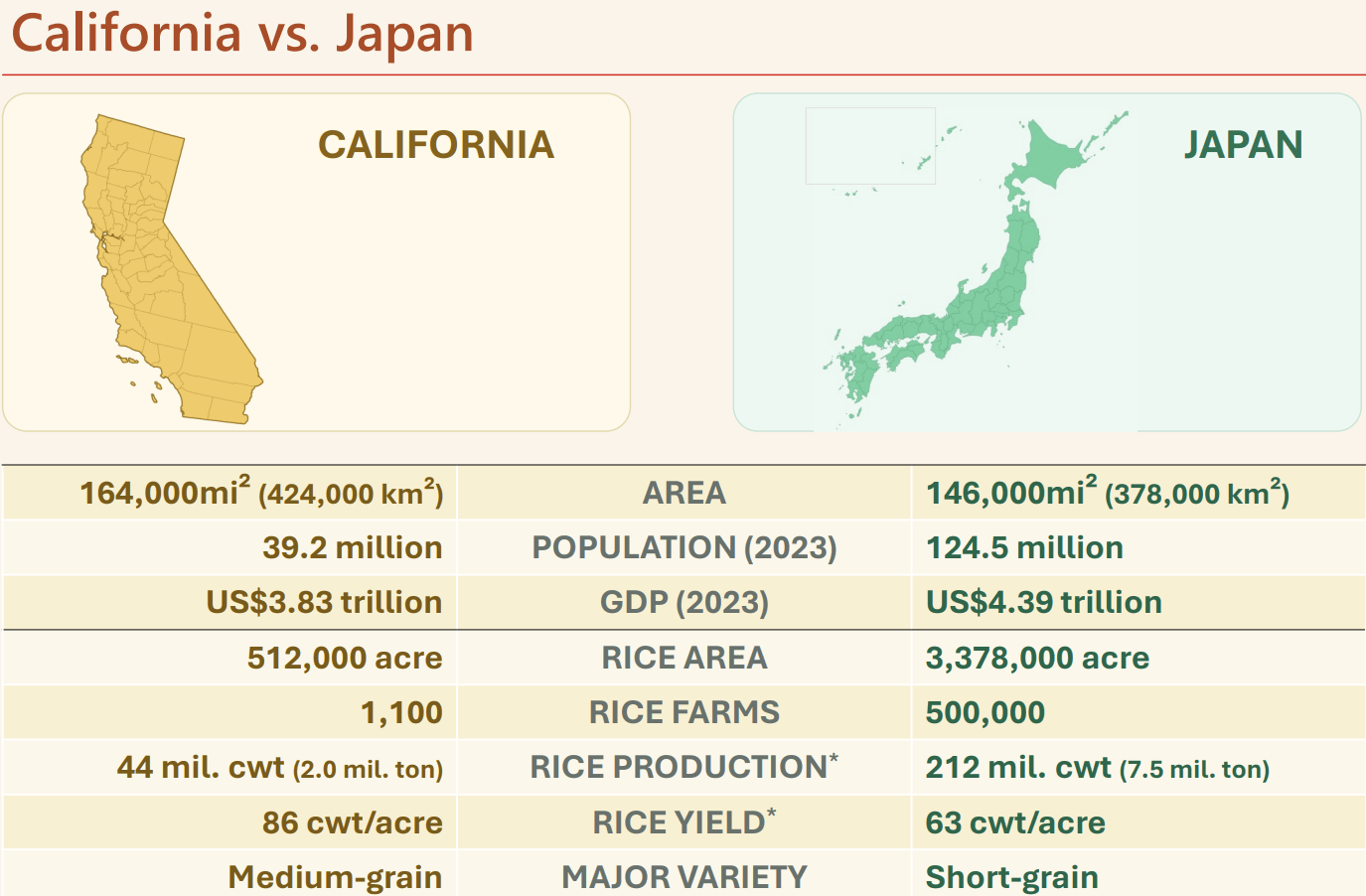
This demographic decline is coupled with the physical realities of Japanese topography. Unlike the expansive, flat, and highly mechanized rice farms of California, where 1,100 farms cultivate over 500,000 acres, Japan’s 500,000 farms are spread across 3.4 million acres, often in mountainous, difficult-to-reach terrain. When an elderly farmer retires, the land is often abandoned rather than consolidated, as the terrain is unattractive to large-scale, modern agricultural operators. This permanent loss of arable land creates a "shrinking floor" for national production, making the country even more vulnerable to future weather-related shocks.
Toward a New Agricultural Safety Net
To mitigate future boom-and-bust cycles, experts like Inoue are advocating for a fundamental change in how the government manages agricultural risk. The proposal centers on adopting a system similar to the U.S. Price Loss Coverage (PLC) program. Under this model, the government would provide financial support to farmers only when market prices dip below the cost of production—estimated at approximately ¥2,800 per five kilograms.
By allowing the market to function more freely while providing a safety net, Japan could potentially avoid the heavy-handed production caps that have historically led to supply inefficiencies. While a similar policy was attempted in 2011, it was abandoned before it could be tested. Given the current climate reality—where record-breaking heat is becoming an annual expectation—the consensus among observers is that the current, rigid system of administrative management is no longer sustainable.
The Outlook: Climate as a Constant Variable
The looming threat of climate change remains the most significant variable in Japan’s agricultural equation. Meteorologists have noted that the heat patterns observed between 2023 and 2025 are not anomalies but part of a long-term trend. While the adoption of heat-tolerant rice varieties is growing, they currently account for less than 20% of total plantings.
The transition to these more resilient crops will take years, and the financial burden of this shift will likely fall on the shoulders of the very farmers who are already struggling to maintain their operations. As Japan navigates its current surplus, the government’s challenge is to balance the need for short-term price stabilization with the long-term imperative of climate adaptation. The 2024–2026 cycle has demonstrated that without a more robust, data-driven approach to distribution and a modernized agricultural policy, Japan’s rice market will remain hostage to the unpredictable whims of a warming planet. The lessons learned from this period of extreme volatility will likely dictate the country’s food security strategy for the coming decade.