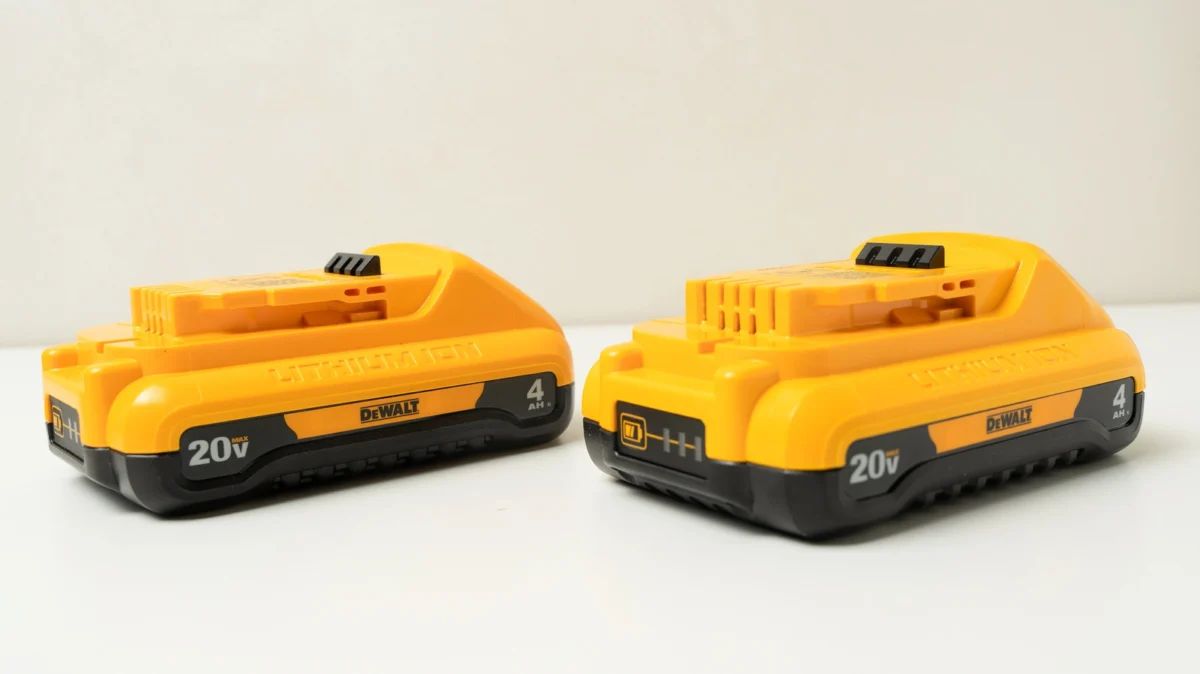
DeWalt has solidified its standing in the global power tool market by maintaining a rigorous standard for engineering and durability. Since its acquisition by Stanley Black & Decker, the brand has successfully navigated the transition toward cordless technology, primarily through its proprietary 20V MAX battery ecosystem. This platform has become a gold standard for professional contractors and dedicated home improvement enthusiasts alike. However, the ecosystem’s closed nature—designed to ensure safety and performance through brand-specific communication protocols—has created a secondary market for third-party manufacturers. As users look to expand their tool kits without the premium price tag associated with professional-grade gear, a growing number of "tool-only" devices have emerged that are specifically engineered to interface with the DeWalt 20V battery architecture.
The Evolution of the 20V Ecosystem
The rise of the 20V MAX line represented a significant pivot for DeWalt. By moving away from older nickel-cadmium technology to lithium-ion, the company enabled smaller, lighter, and more powerful tools. The timeline of this transition began in earnest around 2011, when the 20V MAX system was first introduced to compete with the evolving demands of construction sites. Over the last decade, the platform has grown to encompass hundreds of tools, from heavy-duty impact drivers to specialized lawn care equipment.
The economic incentive for third-party manufacturers is clear: millions of DeWalt batteries are already in circulation. By engineering tools that can accept these batteries, companies can offer specialized equipment at a fraction of the cost of the major brands. These manufacturers often focus on niche tools or utility-grade devices that fill gaps in the official DeWalt catalog, providing a viable alternative for the budget-conscious consumer.
Understanding Compatibility and Risks
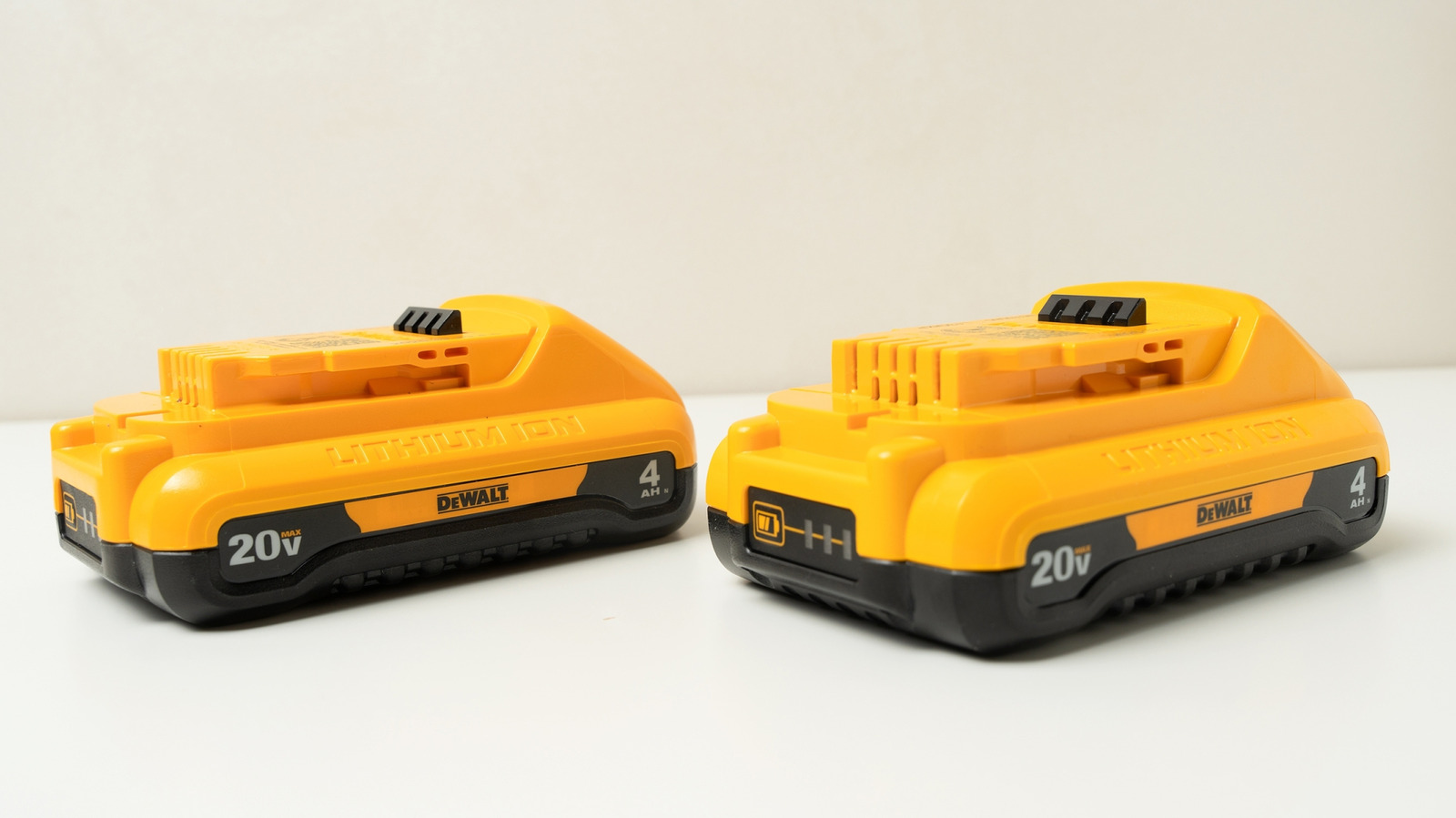
While these tools provide versatility, users must approach them with a degree of technical awareness. DeWalt’s official batteries feature internal "smart" circuitry designed to prevent overheating, over-discharging, and short-circuiting. When a user slots a genuine DeWalt battery into a non-branded tool, the protection circuitry remains on the battery side; however, the tool itself may lack the sophisticated communication handshake required for optimal performance.
Industry analysts often note that while these third-party tools offer significant utility, they are typically manufactured for residential or light-duty use. Professional contractors often prioritize official branding to ensure warranty coverage and safety compliance on regulated job sites. Nonetheless, for the DIY market, the trade-off is often acceptable, provided the user recognizes that these tools are generally not intended for the same high-cycle, high-stress environments as their original equipment manufacturer (OEM) counterparts.
Analyzing the Top Third-Party Alternatives
1. Cordless Mini Chainsaws
The mini chainsaw has become a staple in the suburban landscaping market, bridging the gap between manual loppers and heavy-duty chainsaws. The DEJUNPIOOL cordless mini chainsaw, priced at approximately $59.99, exemplifies the value proposition of the third-party market. Weighing under three pounds and featuring an eight-inch chain, it is designed for precision pruning and light limbing.
Technically, the integration of a brushless motor in such a compact unit is a notable advancement in low-cost manufacturing. These tools often feature automatic oiling systems and tool-free tensioning, mimicking the convenience features of high-end brands. The primary advantage here is the immediate access to power; by leveraging an existing DeWalt 20V battery, the user gains a portable, highly maneuverable tool without the $100+ investment typically required for an official equivalent.
2. Cordless Hedge Trimmers
Givilo’s cordless hedge trimmer represents another segment where third-party innovation meets practicality. With a 20.4-inch dual-action blade and a rotating 180-degree handle, this tool targets the ergonomics of hedge maintenance. Priced near $67, it offers features such as blade tip protection and an integrated oil reservoir.
The inclusion of an overload protection system is a critical, though often overlooked, feature in these third-party units. It suggests that manufacturers are increasingly cognizant of the potential for battery strain when using high-demand motors. By providing a platform that can handle up to 0.75-inch branches, the Givilo unit serves as a viable, low-cost solution for residential landscaping maintenance.
3. High-Intensity LED Work Lighting
Lighting solutions are perhaps the most popular category for battery-powered third-party tools. The Anblivabl 6000 lumen LED work light demonstrates how generic manufacturers can iterate quickly. By offering two-pack options and integrated USB-A ports, these lights effectively turn a standard power tool battery into a multifunctional emergency power bank.
The implications for job site safety are significant. Reliable, portable lighting is a necessity for construction work in low-light conditions. While these lights may lack the ruggedized housings of industrial-grade equipment, their affordability allows users to place multiple light sources around a workspace, increasing overall visibility and safety at a lower cost than a single professional-grade floodlight.
4. Cordless Brad Nailers
The ADOTOCAM cordless brad nailer provides an entry point into finish carpentry for DIYers. Priced at $79.99, it uses a standard 18-gauge brad nail and offers features like tool-free depth adjustment and integrated LED lighting.
Historically, cordless nailers were considered a luxury due to the complexity of the internal drive mechanism. The shift toward more accessible, battery-compatible versions has been a major boon for home renovation projects. While users should remain mindful of the tool’s impact rate and duty cycle, it represents a substantial evolution in the accessibility of professional-style finish work.
5. Portable Vacuum Cleaners
The TRONYAN cordless vacuum cleaner addresses the need for portability in shop cleanup and vehicle maintenance. At $42.99, the unit offers a 93-watt motor and modular attachments. Its ability to transition from a handheld vacuum to a stick-style configuration makes it versatile for a variety of cleaning tasks.
From an engineering perspective, these vacuums represent the "utility" end of the spectrum. They are not intended for heavy-duty industrial dust extraction, but rather for quick, convenient cleanup. The fact that they can utilize the same 2.0 Ah or 5.0 Ah battery as a heavy-duty drill is a testament to the versatility of the underlying 20V battery platform.
Broader Implications and Future Outlook
The proliferation of tools compatible with the DeWalt 20V system signals a shift in consumer behavior. As battery technology becomes a commodity, the value is increasingly shifting toward the "host" device. For DeWalt, this creates a complex scenario: while their battery system is being used by more devices than ever before—potentially increasing brand loyalty—the company faces pressure to innovate rapidly to keep its own tool offerings competitive against these low-cost alternatives.
For the consumer, the availability of these third-party tools offers a democratization of technology. It allows for the completion of specialized tasks that were previously cost-prohibitive. However, the responsibility for safety and longevity shifts toward the user. Proper care, such as monitoring battery temperature during prolonged use and ensuring the use of genuine DeWalt chargers, remains the best practice for protecting one’s investment.
As we look toward the future, it is likely that the "open-system" versus "closed-system" debate will continue. However, as long as the 20V architecture remains the standard, the market will continue to see an influx of creative, budget-friendly tools that expand the utility of the workshop. Whether for a professional contractor needing a niche tool or a weekend DIYer looking to complete a project, these third-party options have carved out a permanent, and increasingly significant, niche in the modern hardware landscape.