The final quarter of 2022 marked a period of intensive transformation for Meta Platforms, as the tech giant rolled out a sweeping suite of features across Facebook and Instagram designed to reshape social media marketing, advertising automation, and content creation. Throughout late 2022, marketers navigated the introduction of advanced Reels functionalities, expanded Facebook Groups management tools, streamlined advertising interfaces, and vital brand safety milestones. As digital advertisers transition into 2023, the overarching strategy across Meta ecosystems emphasizes greater reliance on machine learning, robust automation suites, and a more integrated cross-platform experience.
Advancing Advertising Efficiency and Best Practices
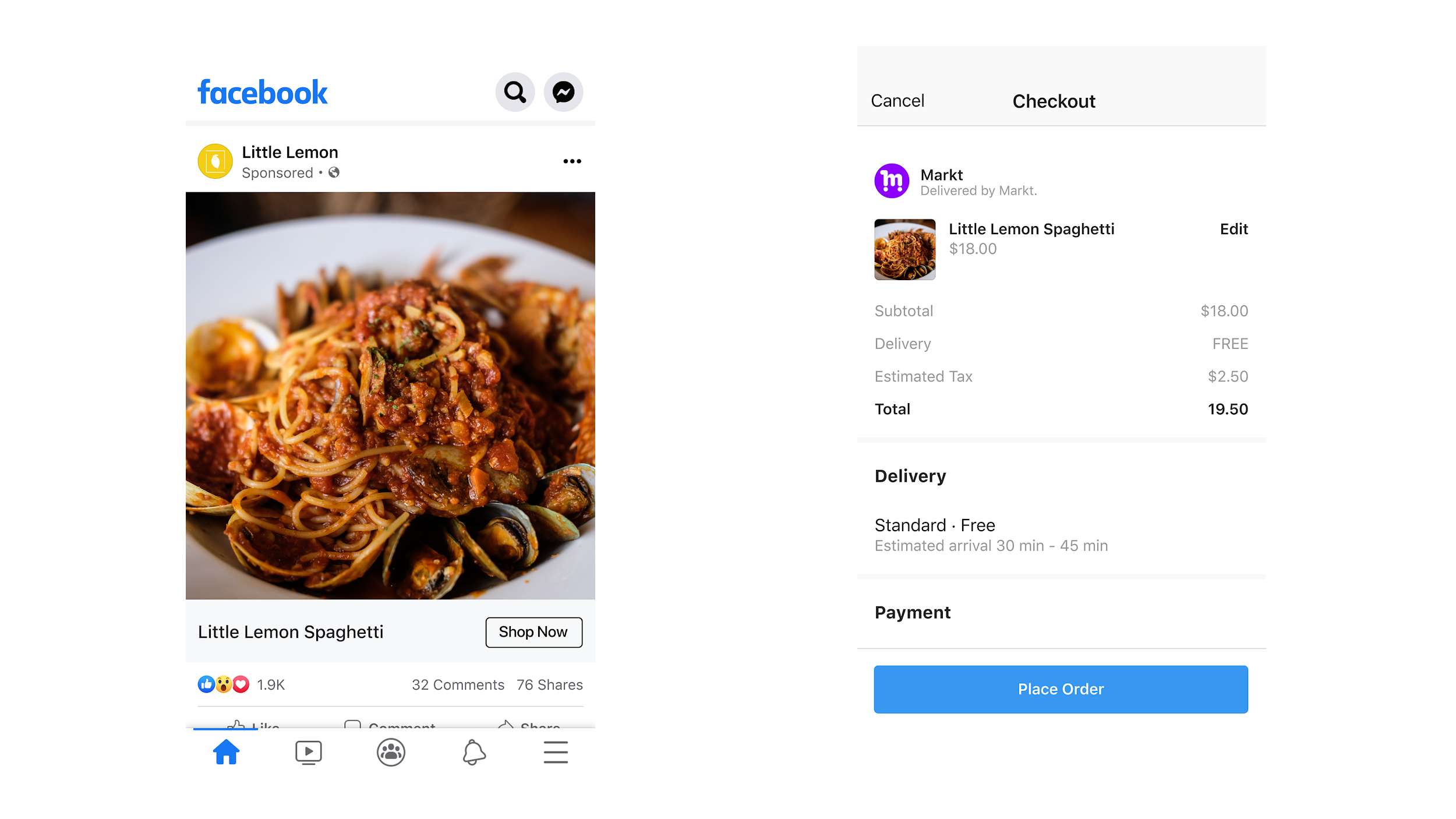
Navigating the ever-shifting landscape of Facebook Ads frequently challenges digital marketers attempting to decipher the optimal balance between performance and ad spend. To provide clarity, Meta periodically releases empirical guidance backed by internal platform data to maximize return on investment (ROI). In December 2022, the company published a comprehensive report outlining critical advertising essentials aimed at supercharging campaign ROI. These best practices reflect the growing dominance of algorithmic delivery systems and automated bidding strategies.
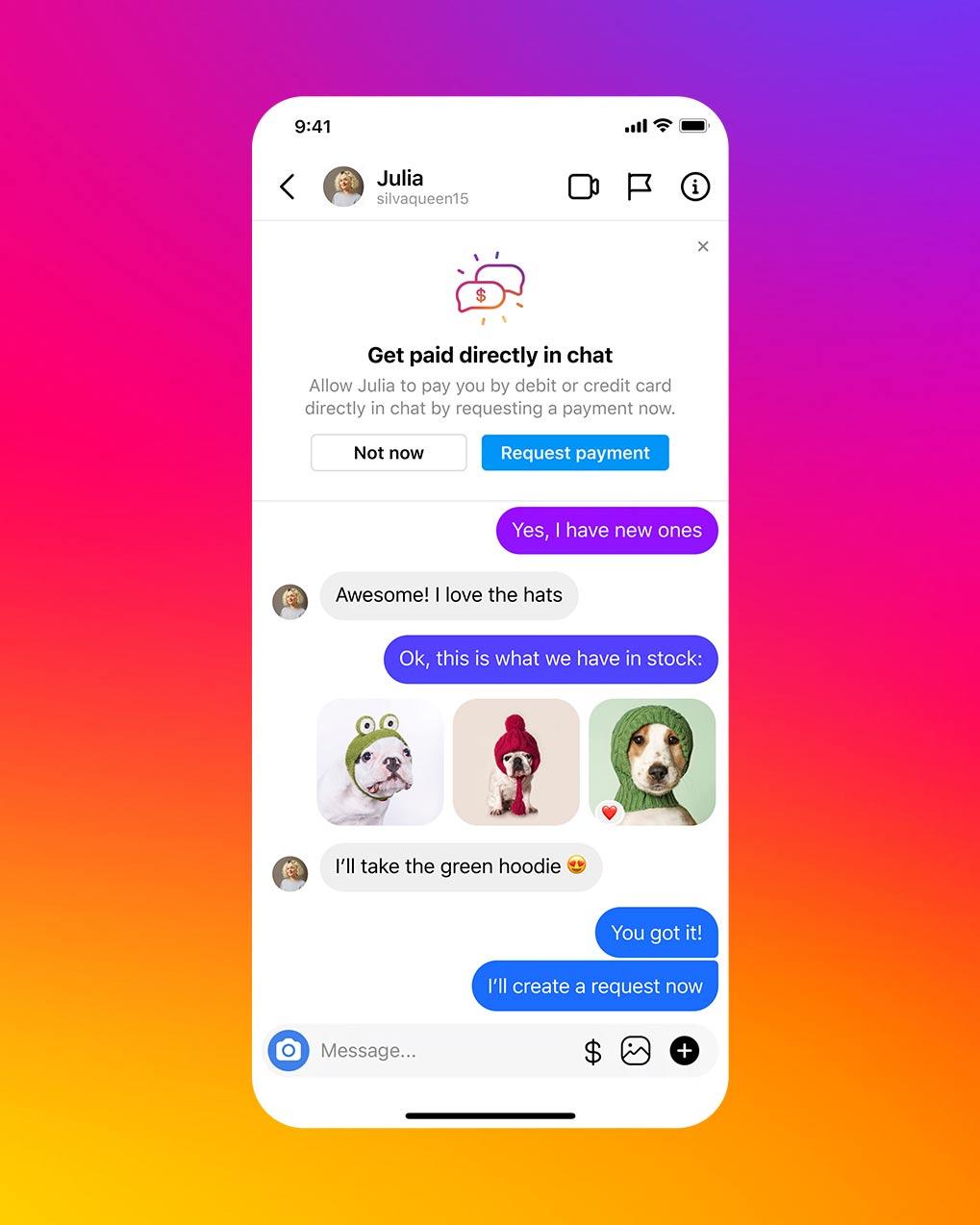
Concurrently, Meta has heavily promoted its Advantage+ automated ad suite, which leverages sophisticated machine learning models to reduce manual optimization burdens. By streamlining creative variations and audience targeting, Advantage+ campaigns—particularly Advantage+ Shopping campaigns—have demonstrated significant cost-efficiency. According to Meta’s internal testing, these automated shopping campaigns yielded a 12% lower cost-per-purchase conversion rate compared to traditional ad setups, signaling a permanent industry shift toward algorithmic campaign management.
Instagram Native Content Scheduling and In-Feed Music
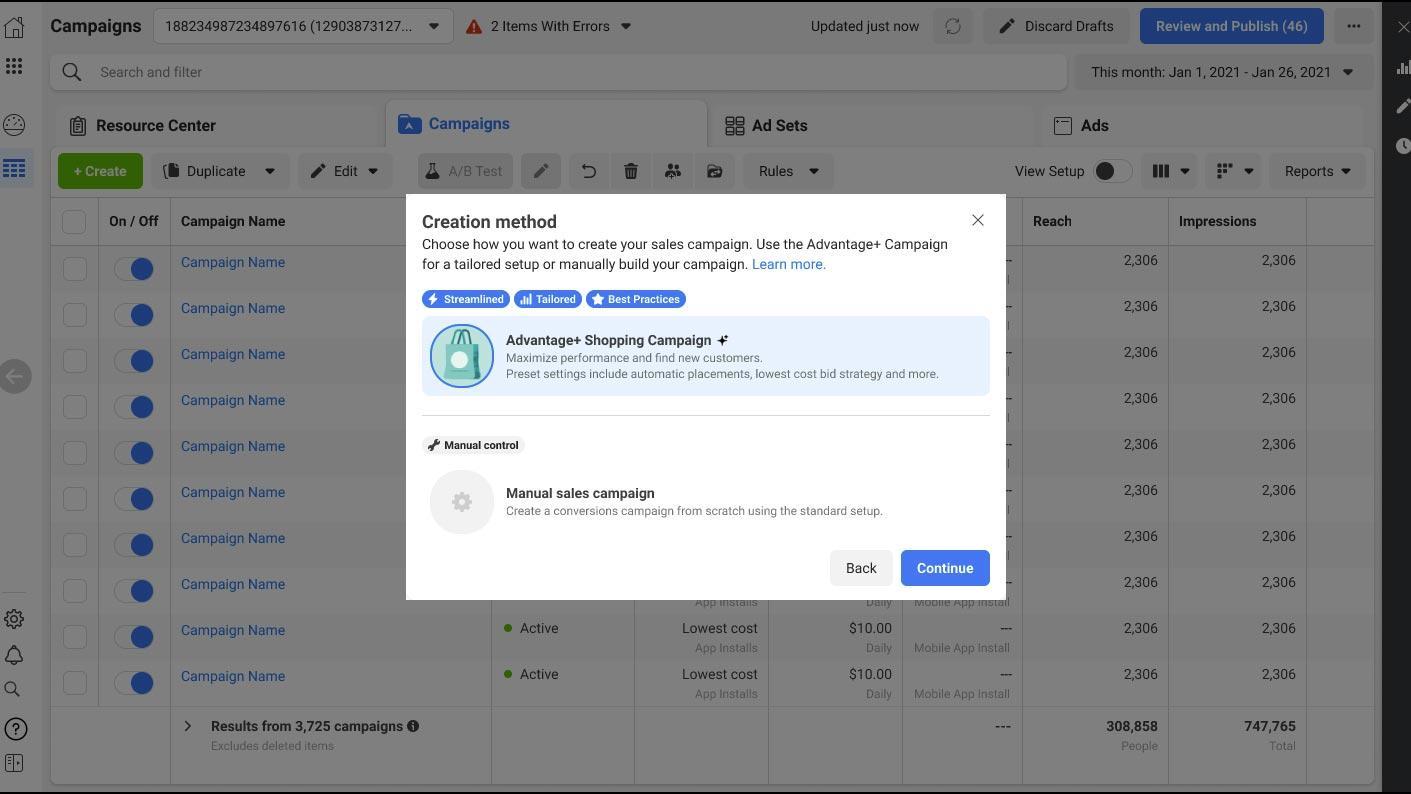
For years, social media managers relied on third-party software or desktop-only interfaces to plan and queue Instagram content ahead of time. In a major usability upgrade for mobile-first operators, Instagram introduced native content scheduling directly within the mobile application. Business and Creator accounts can now schedule Reels, photos, and carousel posts up to 75 days in advance without leaving the app.
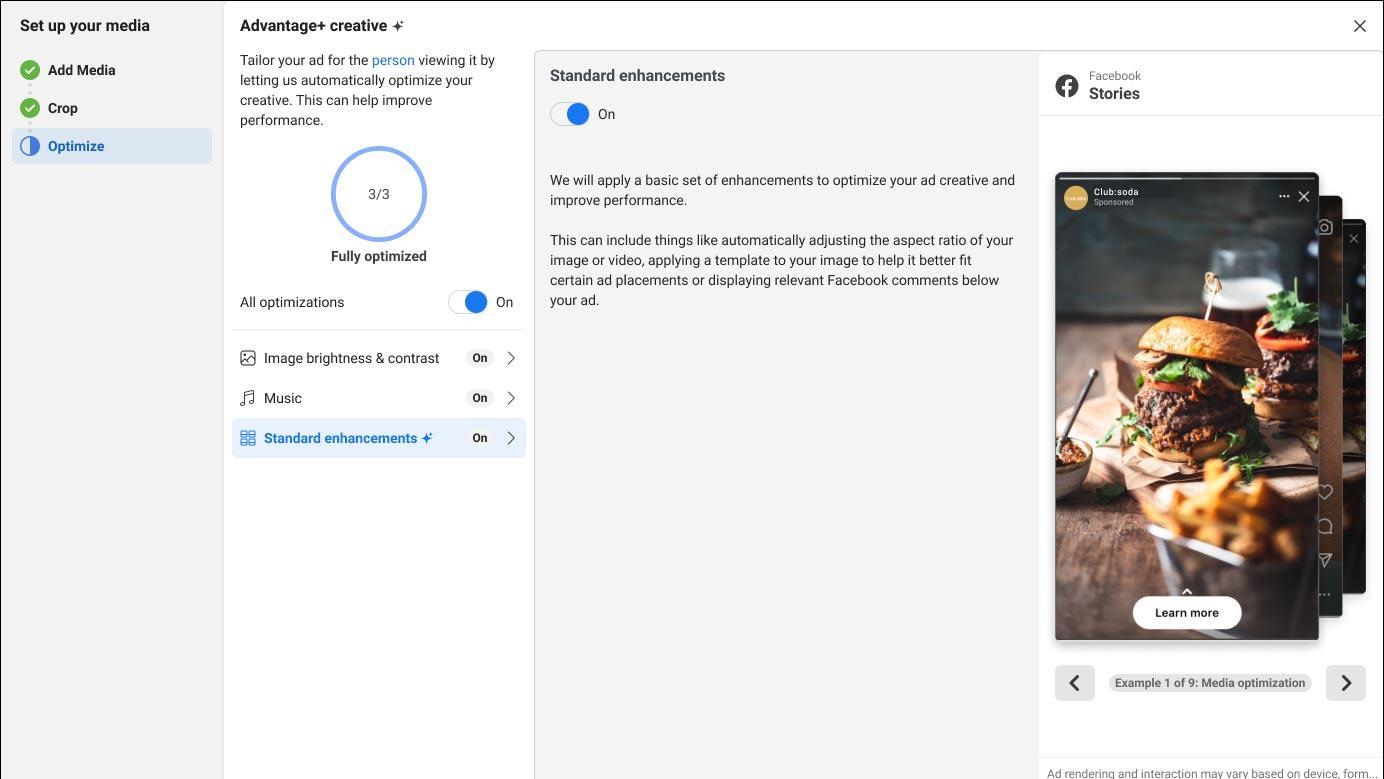
To access the feature, users navigate to "Advanced settings" on the final publishing screen before a post goes live, select a designated date and time, and manage scheduled assets via the professional dashboard drop-down menu. However, certain limitations remain: advanced interactive elements such as product tagging, cross-posting to Facebook, and direct post-boosting are unavailable for pre-scheduled content and must be applied dynamically upon publication.
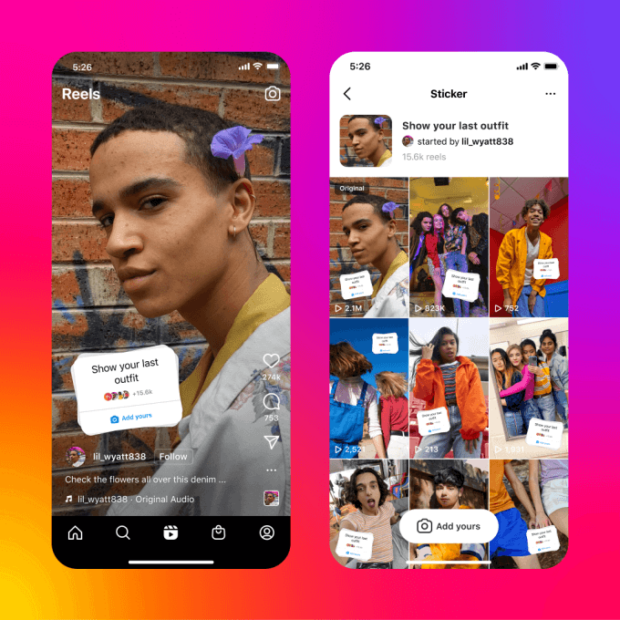
In addition to scheduling, Instagram expanded its audio capabilities by allowing users to attach up to 90 seconds of licensed music directly to standard in-feed photo posts. This feature bridges the creative gap between static photography and short-form video, offering brands an immersive auditory tool to capture audience attention.
Broadening Brand Safety and Intellectual Property Protections
As digital ad fraud and brand adjacency risks remain top priorities for global enterprises, Meta achieved a major regulatory milestone in late 2022. The company secured accreditation from the Media Rating Council (MRC) for content-level brand safety on Facebook. Independent auditors rigorously reviewed Meta’s Partner Monetization Policies, Content Monetization Policies, and associated suitability controls across Instant Articles and In-Stream video formats.

To complement this accreditation, Meta initiated tests for content-based inventory filters across both Facebook and Instagram feeds, granting advertisers granular control over the context in which their ads appear. Furthermore, to combat rising intellectual property theft, Meta launched a dedicated IP Reporting API integrated with the Graph API. This interface allows original content creators and brand rights holders to efficiently report copyright infringements, counterfeit goods, and unauthorized impersonations via Business Manager.
Strategic Outlook and Industry Implications for 2023
Looking forward, industry analysts anticipate several key trends to dominate Meta’s ecosystem throughout 2023. Short-form video remains the undisputed core of Meta’s engagement strategy; Reels continue to drive massive traffic and consumption across both Facebook and Instagram, prompting ongoing integration of e-commerce and direct monetization tools.

Concurrently, Facebook Groups are projected to attract increased corporate investment as brands seek authentic, community-driven environments to foster consumer loyalty. Subscription-based models within Groups provide creators and businesses with predictable recurring revenue streams, shifting the social media monetization paradigm away from purely ad-driven models.
Finally, Chief Executive Officer Mark Zuckerberg’s continued multi-billion-dollar investment in the Metaverse underscores Meta’s long-term bet on virtual and augmented reality infrastructure. Despite sluggish initial commercial adoption of hardware like the Quest headsets, enterprise solutions such as Horizon Workrooms and continued developer support signal that spatial computing remains central to Meta’s foundational vision for the future of digital connectivity.