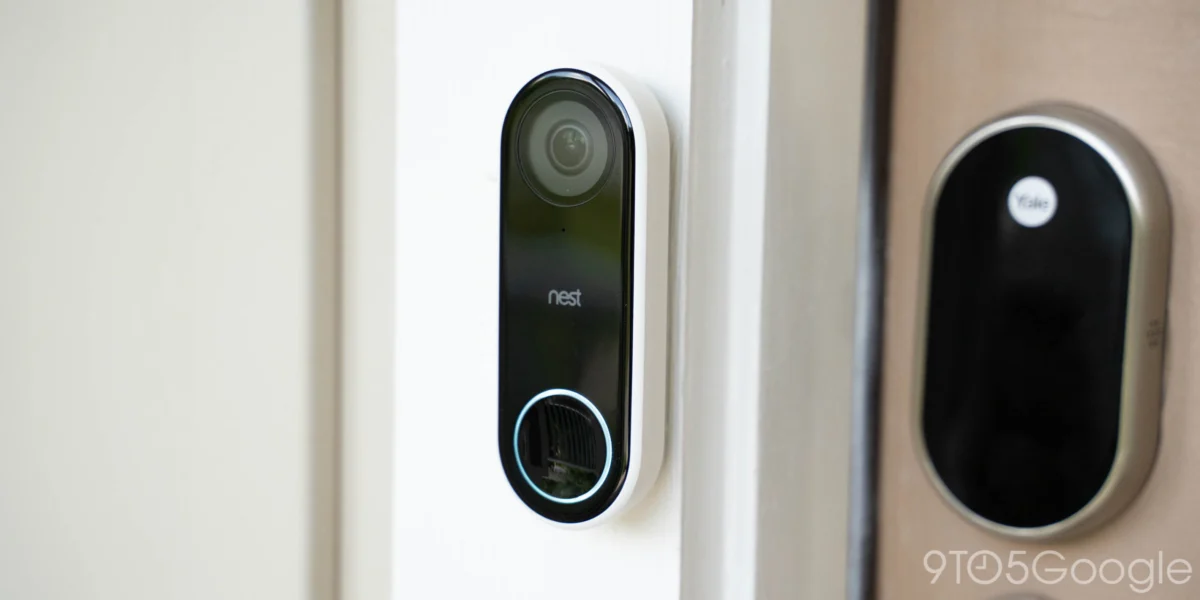
The smart home ecosystem, long touted for its seamless integration and reliability, is currently experiencing a significant disruption affecting owners of the original Nest Doorbell, colloquially known as the "Nest Hello." Over the past several days, a surge of user reports across community forums and social media platforms has highlighted a persistent failure in the Google Home app, where the live video feed from these legacy devices fails to load or display correctly. While the doorbell continues to function in other capacities, the inability to access real-time video surveillance has left many homeowners concerned about the security and functionality of their premises.
The Scope of the Disruption
The current technical failure is primarily concentrated on the "Nest Doorbell (wired, 1st gen)," a device that set the industry standard for smart doorbells upon its release. While reports remain focused on this specific hardware, there have been sporadic, though less frequent, mentions of similar connectivity issues affecting other first-generation Nest camera models. This suggests that the issue may not be isolated to a single piece of hardware but could potentially stem from a backend update or a compatibility conflict within the Google Home software infrastructure.
Despite the loss of the live video feed, users have noted that the device remains partially operational. Crucially, motion detection alerts and doorbell presses are still being transmitted to Nest Hub displays and mobile devices. This nuance is vital: the communication bridge between the doorbell and the smart home hub is functional, but the data stream required to render high-definition video is being interrupted. This decoupling of features points toward a sophisticated software-level error rather than a complete hardware failure.
Chronology of Events
The timeline of this disruption appears to trace back to late October 2026, a period that coincides with a firmware update deployed by Google to its legacy Nest hardware lineup.
- Late October 2026: Google initiates a firmware push intended to update older Nest devices, aiming to maintain compatibility with modern software standards.
- Early November 2026: Shortly following the deployment of these updates, the first anecdotal reports of "live view" failures begin appearing on Reddit and official Google Support forums.
- Mid-November 2026: The frequency of reports spikes significantly. Users report that despite attempting standard troubleshooting steps—such as power cycling the device, resetting Wi-Fi configurations, and reinstalling the Google Home app—the live stream remains inaccessible.
- Present Day: The issue persists without an official acknowledgement or patch from Google. Community frustration is mounting as users find themselves without the primary feature for which the device was purchased.
The Technical Debate: WebRTC and Migration
A prominent theory circulating among technical-savvy users and independent observers concerns Google’s transition to WebRTC (Web Real-Time Communication). WebRTC is an open-source project that allows web browsers and mobile applications to communicate in real-time without the need for internal plugins.
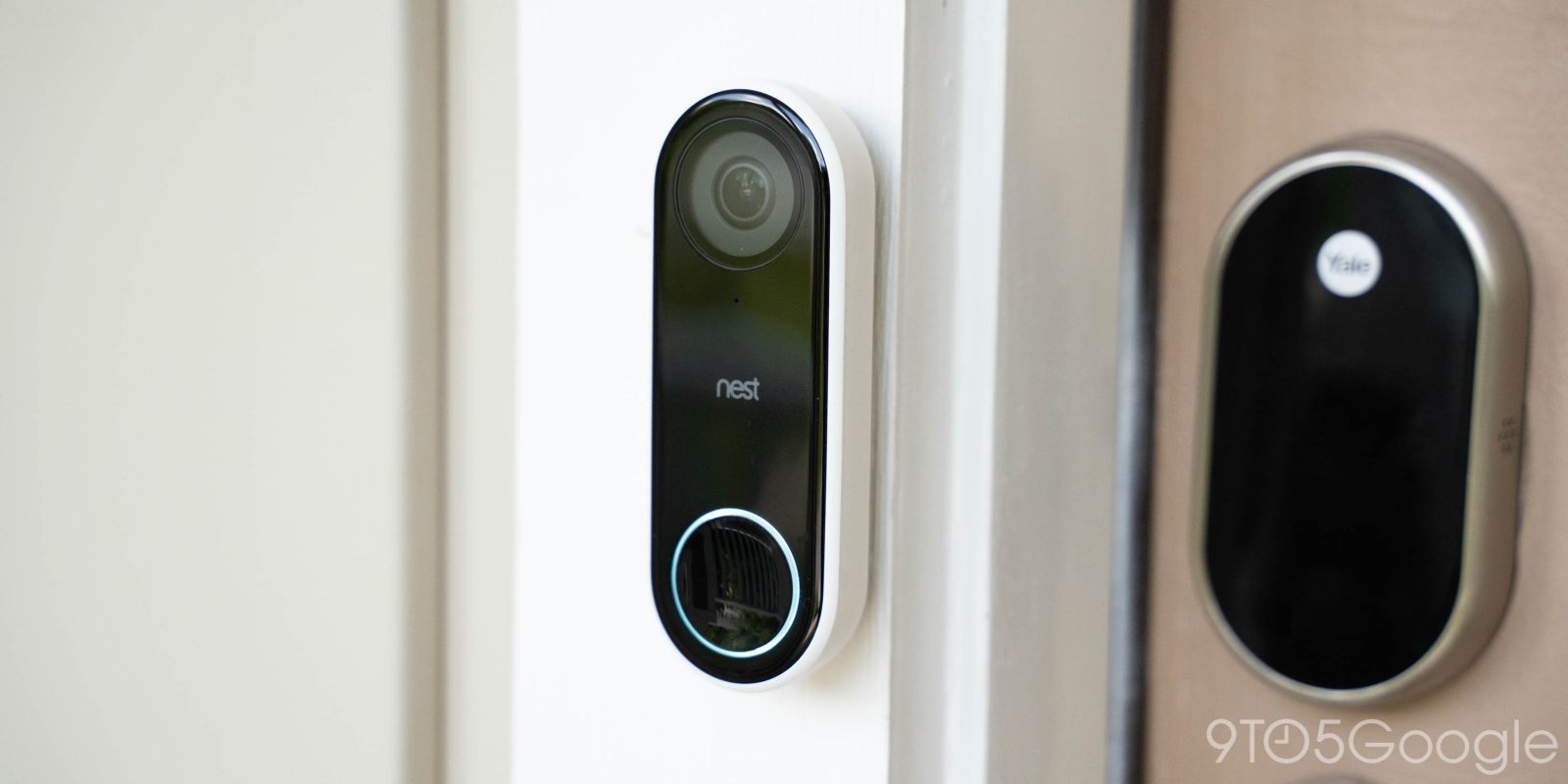
As Google continues to migrate legacy "Nest" brand features into the more unified "Google Home" ecosystem, the underlying protocols for video transmission are being updated. Some observers suggest that the legacy hardware of the first-gen Nest Hello may be struggling to handshake correctly with the updated WebRTC-based architecture now utilized by the Google Home app. While this theory is logical, it remains speculative. Attempts by users to force compatibility through network-level workarounds have, for the most part, proven unreliable, reinforcing the notion that the issue is locked behind Google’s proprietary server-side software.
Broader Implications for the Smart Home Industry
The situation highlights a critical challenge in the smart home sector: the "planned obsolescence" or "forced migration" of hardware. As manufacturers evolve their software platforms, legacy devices are often left in a precarious position. For a product like the Nest Hello, which was marketed as a high-end, long-term security investment, the inability to provide basic features like a live video feed undermines consumer trust.
The reliance on cloud-based processing for these devices means that users are effectively beholden to the manufacturer’s server-side stability. Unlike traditional hardware, which operates independently, these smart devices are essentially "rented" features that function only as long as the parent company maintains the backend infrastructure. When that infrastructure changes—as it did in late October—the user has no recourse other than to wait for an official patch. This incident serves as a case study in the risks associated with cloud-dependent home security.
Analysis of Official Response and Communication
To date, Google has maintained a position of silence regarding the specific cause of the live view outage. While standard troubleshooting documentation—such as clearing app caches or checking network bandwidth—has been pushed to affected users via automated support channels, there has been no formal statement addressing the widespread nature of the problem.
This lack of transparency has led to a fragmented support experience. Users are forced to rely on community-sourced information to navigate the issue. In the professional world of IoT (Internet of Things), the absence of a proactive "known issue" status on the company’s support dashboard is often perceived as a lack of prioritization, especially when the issue affects a significant portion of the install base.
What Affected Users Can Do
While awaiting an official response, users are advised to document their issues through the official Google Home support channels. Providing specific feedback, including device model numbers and the exact version of the Google Home app, assists engineers in diagnosing the scope of the problem.

Some users have reported success by reverting to older versions of the app, though this is not a recommended long-term solution due to potential security vulnerabilities. Others have found that accessing the feed via a web browser—if supported—occasionally bypasses the app-level error, though this is not a universal fix.
Looking Ahead: The Future of Legacy Support
The current crisis underscores the necessity for clearer lifecycle policies for smart home hardware. As companies like Google, Amazon, and Apple continue to iterate on their smart home platforms, the gap between new features and legacy hardware support will inevitably widen.
For the Nest Hello, which has served as a cornerstone of many smart homes for years, this incident is a defining moment. Whether Google chooses to issue a firmware "hotfix," provides a bridge solution, or chooses to deprecate the feature permanently will determine the long-term sentiment of its user base.
As of this writing, the situation remains fluid. The technical community continues to monitor the performance of the Google Home app, and stakeholders are looking for a clear communication path from the company. Until a fix is deployed, the "live view" feature remains a casualty of the ongoing software migration, leaving countless smart home setups incomplete.
In the broader context of the tech industry, this disruption serves as a stark reminder of the complexities involved in maintaining legacy hardware within a rapidly evolving, cloud-integrated environment. As IoT ecosystems grow more sophisticated, the responsibility of the manufacturer to provide seamless transitions for older devices becomes as important as the innovation of new ones. For now, the owners of the first-gen Nest Doorbell are left waiting for a restoration of the functionality that once made their homes feel just a little more secure. The silence from Google is, for many, the most concerning aspect of the entire ordeal, as it leaves the future of their home surveillance systems hanging in the balance. Whether this will be resolved in the coming days remains to be seen, but for the time being, the community remains in a state of watchful waiting, documenting every failed attempt to view their own front porches.