The 50th episode of The Sideload, the flagship podcast from 9to5Google, marks a significant milestone in the publication’s coverage of the mobile technology landscape. Hosts Will and Daniel, joined by guest contributor Nick Sutrich, utilize this landmark edition to dissect the increasingly fragmented state of the global smartphone market. The discussion centers on three primary pillars of industry transformation: the divergence between North American and international hardware releases, the shifting competitive landscape following the decline of OnePlus’s market dominance, and the technological convergence blurring the lines between high-end mobile devices and dedicated handheld gaming consoles like the Steam Deck.
The North American-Global Hardware Divide
For over a decade, the smartphone industry has grappled with the "regional exclusivity" problem. Manufacturers frequently release high-performance hardware, unique form factors, and aggressive pricing models in Asian and European markets that never make the transition to North America. This divide is not merely a logistical oversight but a strategic decision based on carrier-locked ecosystems and specific consumer preferences in the United States.
Historically, the U.S. market has been dominated by a duopoly of Apple and Samsung, facilitated by carrier subsidies and long-term financing plans. This environment has made it difficult for brands that lack massive marketing budgets to penetrate the "retail shelf space" dominated by these two giants. As a result, many Chinese OEMs—such as Xiaomi, Vivo, and Oppo—have prioritized markets where consumers are more accustomed to purchasing unlocked, SIM-free devices. The implications for the consumer are profound: the best, most innovative hardware often remains geographically siloed, leaving North American users with a homogenized selection of flagship devices that rarely deviate from established design norms.
The OnePlus Effect and Market Volatility
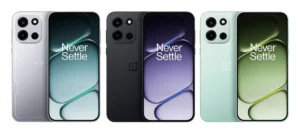
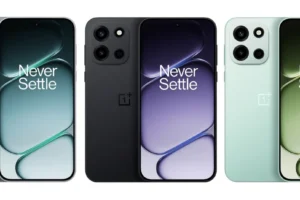
A critical segment of the 50th episode explores the shifting competitive landscape post-OnePlus. Once regarded as the "flagship killer," OnePlus established its brand identity by offering high-end specifications at a fraction of the cost of mainstream competitors. This disruption forced legacy manufacturers to re-evaluate their mid-range and premium product stacks.
However, as the company moved toward a more traditional corporate structure and deeper integration with Oppo, its market position has shifted. The vacuum created by OnePlus’s transition has left a void in the "value-flagship" segment. Independent analysis suggests that as OnePlus retreats from its original disruptive model, consumers are finding fewer options that bridge the gap between budget handsets and $1,200 flagships. This volatility in the mid-range market has allowed other players, including Google with its "A-series" and various iterations of Samsung’s Fan Edition (FE) devices, to capture displaced market share. The discussion highlights that without the pressure of a true, aggressive budget-flagship challenger, the overall pace of hardware innovation—and the pressure to keep pricing competitive—may begin to stagnate.

Convergence: Smartphones as Portable Gaming Powerhouses
Perhaps the most provocative topic addressed in this milestone episode is the potential for modern smartphones to replace dedicated gaming handhelds. The rise of the Steam Deck and the ASUS ROG Ally has demonstrated a significant consumer demand for high-fidelity, portable PC gaming. Yet, as mobile chipsets (such as the latest iterations of the Qualcomm Snapdragon 8-series and Apple’s A-series silicon) continue to achieve parity with console-grade hardware, the question arises: why carry two devices?
The technical barrier is no longer the hardware, but the ecosystem and software optimization. While mobile devices now possess the raw graphical processing power to rival dedicated handhelds, the disparity in game library availability and control inputs remains a hurdle. However, the integration of advanced cooling solutions, high-refresh-rate OLED panels, and console-to-mobile porting initiatives suggests a future where a single smartphone device, when docked or paired with modular controllers, can serve as a legitimate primary gaming console.
The AI-Driven Shift in Interactive Entertainment
The discussion concludes with a sober assessment of how Artificial Intelligence is currently influencing the software and gaming sectors. The participants express concern regarding the "AI-choking" effect, where the over-reliance on generative models in game development may lead to a homogenization of content.
Data from the gaming industry indicates a surge in the use of AI for procedural generation, non-player character (NPC) dialogue, and asset creation. While these tools can reduce development cycles, there is a mounting concern among industry analysts that they also dilute the creative vision and artistic cohesion of modern games. The panelists suggest that as AI becomes a standard tool in the developer’s toolkit, the marketplace may see an influx of content that is technically proficient but lacks the "soul" or narrative depth of human-authored titles. This tension between efficiency and creativity is set to be one of the most defining narratives of the next five years in the tech sector.
Industry Context and Future Outlook
The broader implications of these discussions point to a market in transition. Since the inception of the smartphone boom in 2007, the industry has moved through phases of rapid hardware iteration, software maturation, and, more recently, a stabilization of form factors. We are currently in an era of incremental upgrades, where the "wow factor" of a new device is increasingly tied to AI capabilities and software ecosystem lock-in rather than revolutionary hardware leaps.
For the consumer, the takeaway from the 50th episode of The Sideload is clear: the choice of a smartphone is becoming less about the device itself and more about the ecosystem and geographic access. As companies like Google and Samsung continue to pivot toward AI-integrated services, the hardware becomes a vessel for software-as-a-service (SaaS) models. This shift, while convenient, raises questions about long-term hardware longevity and the ability of users to maintain privacy in an increasingly data-hungry mobile environment.

Supporting Data and Market Trends
Recent market reports from IDC and Counterpoint Research highlight that global smartphone shipments have shown signs of modest recovery after a multi-year slump. However, the growth is primarily concentrated in the premium segment (devices priced above $600). This indicates that consumers are holding onto their devices for longer periods—now averaging 30 to 36 months—and are choosing to invest in more durable, high-performance hardware when they finally do upgrade.
The growth of the gaming-phone niche, while small compared to the total addressable market, is outpacing the growth of standard smartphones. With the expansion of cloud gaming services and the proliferation of high-speed 5G networks, the reliance on local hardware for high-end gaming is diminishing. This further supports the argument that the smartphone is becoming the ultimate "all-in-one" device, provided that OEMs can balance thermal management, battery longevity, and price-to-performance ratios.
Conclusion and Listener Engagement
As The Sideload reaches its 50th episode, the show continues to serve as a vital forum for technical discourse in the Android community. By bridging the gap between enthusiast-level hardware analysis and the broader implications of tech-industry trends, the podcast provides a necessary counterpoint to the marketing-heavy messaging often found in official manufacturer press releases.
The podcast remains supported by partners such as NordVPN, reflecting the growing consumer interest in digital security and privacy—a theme that remains inseparable from the conversation regarding modern mobile hardware. For listeners and readers looking to engage with these topics, 9to5Google continues to provide a centralized hub for community discussion through their official forums and dedicated editorial coverage.
As the industry moves toward 2026, the intersection of hardware, gaming, and artificial intelligence will likely define the next generation of mobile computing. The topics raised in this milestone episode—the regional silos of technology, the evolution of the mid-range market, and the integration of AI—will undoubtedly remain at the forefront of the technological conversation for years to come.