The landscape of digital content creation has undergone a significant transformation over the past two decades. What began in the late 1990s as simple, chronological "web logs" has evolved into a sophisticated ecosystem where personal websites serve as professional portfolios, engines for personal branding, and viable income-generating assets. As of 2024, the barrier to entry for establishing a digital footprint has lowered substantially, thanks to advancements in content management systems (CMS) and simplified hosting infrastructure.

The Evolution and Current State of Personal Blogging
The fundamental definition of a personal blog—a website where an individual chronicles their thoughts, expertise, and experiences—remains consistent, yet its utility has expanded. Industry analysis suggests that while social media platforms dominate quick-form consumption, personal blogs remain the primary domain for long-form, evergreen content. Data indicates that websites with consistent blog updates generate 67% more leads than those that do not, reinforcing the blog’s role as a cornerstone of modern digital authority.

Historically, blogging required significant technical acumen. The early 2000s saw the rise of platforms like Blogger and LiveJournal, which allowed non-technical users to publish content. The subsequent dominance of WordPress—which now powers over 40% of the internet—standardized the practice of self-hosting. This shift allowed creators to move away from the restrictive terms of service of third-party social media platforms, effectively granting them full ownership of their digital assets and audience data.

Strategic Framework for Launching a Blog
Establishing a successful personal blog requires a systematic approach that balances creative expression with technical infrastructure. Experts categorize the launch process into six critical phases: niche selection, hosting procurement, platform installation, design, content strategy, and long-term maintenance.
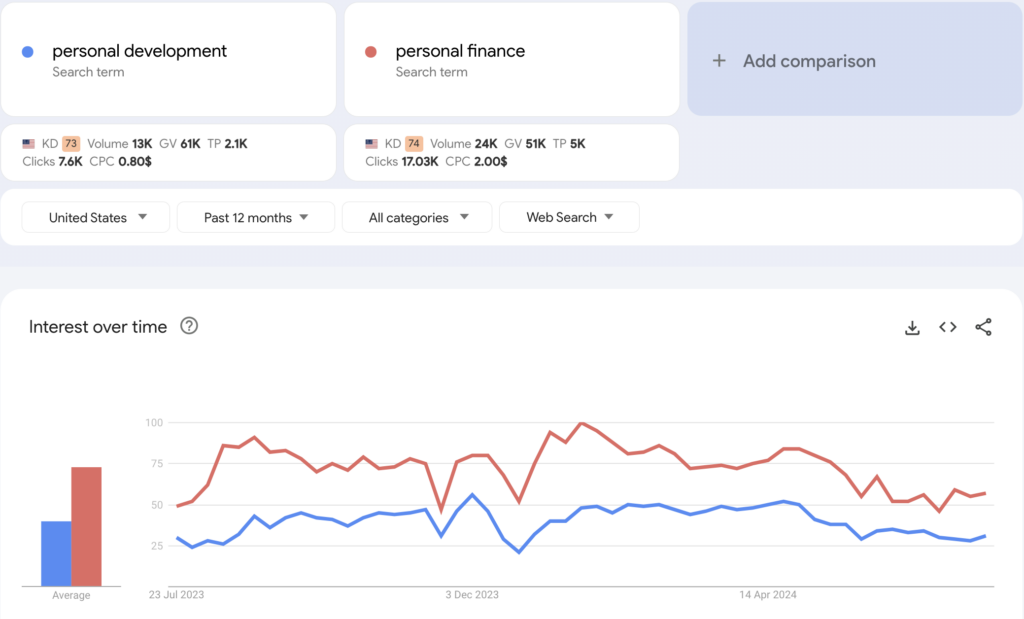
1. Niche Identification and Market Analysis
The initial phase involves selecting a niche that balances personal passion with market viability. A common pitfall for new bloggers is the "broad scope" error, where the content lacks a specific target audience. Analysts recommend using tools like Google Trends and keyword research software (e.g., Semrush or Ahrefs) to validate that there is sufficient search volume for a chosen topic. A niche should be narrow enough to establish authority but broad enough to sustain a multi-year content calendar.

2. Infrastructure: Hosting and Domain Architecture
The technical foundation of a blog rests on the choice of hosting and domain name. Industry standards dictate that a self-hosted WordPress.org site provides the most control, SEO compatibility, and monetization flexibility. While there are numerous providers, the selection criteria typically focus on server uptime, site loading speeds, and customer support. The domain name acts as the brand’s digital real estate; strategic advice often favors brandable names over personal names to increase the future liquidity and saleability of the website.

3. Design and User Experience
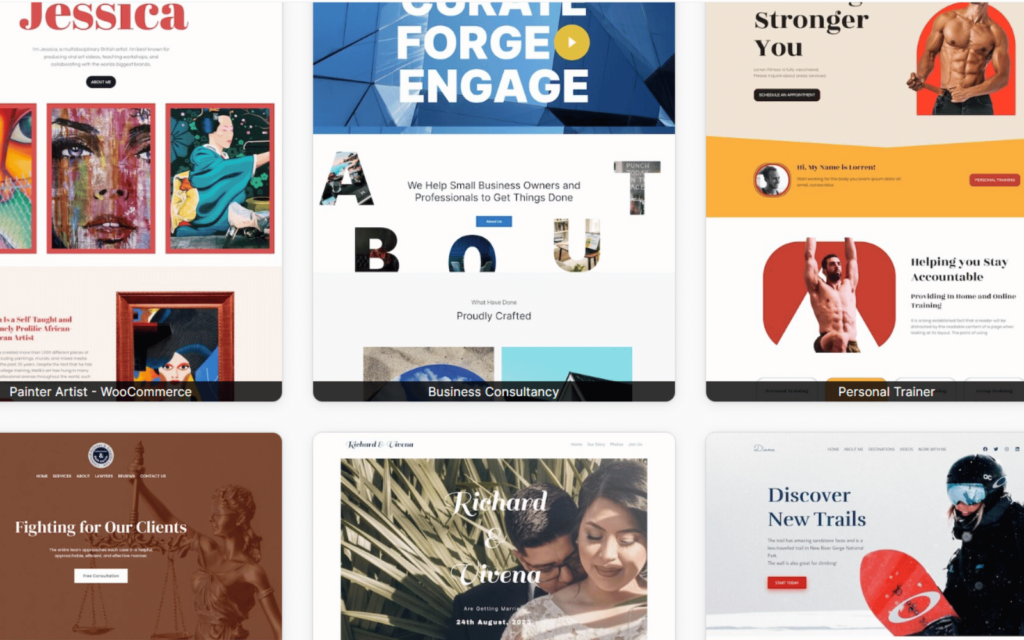
Design is no longer just about aesthetics; it is a critical component of search engine optimization (SEO) and user retention. Modern web development allows for "no-code" design through drag-and-drop builders like SeedProd, which enable creators to build responsive, mobile-optimized layouts without deep knowledge of CSS or HTML. As mobile traffic currently accounts for over 55% of all web traffic globally, ensuring a responsive design is an essential technical requirement.
Essential Components of a Professional Blog
A functional blog must include a standard set of pages to ensure credibility and legal compliance. These include:
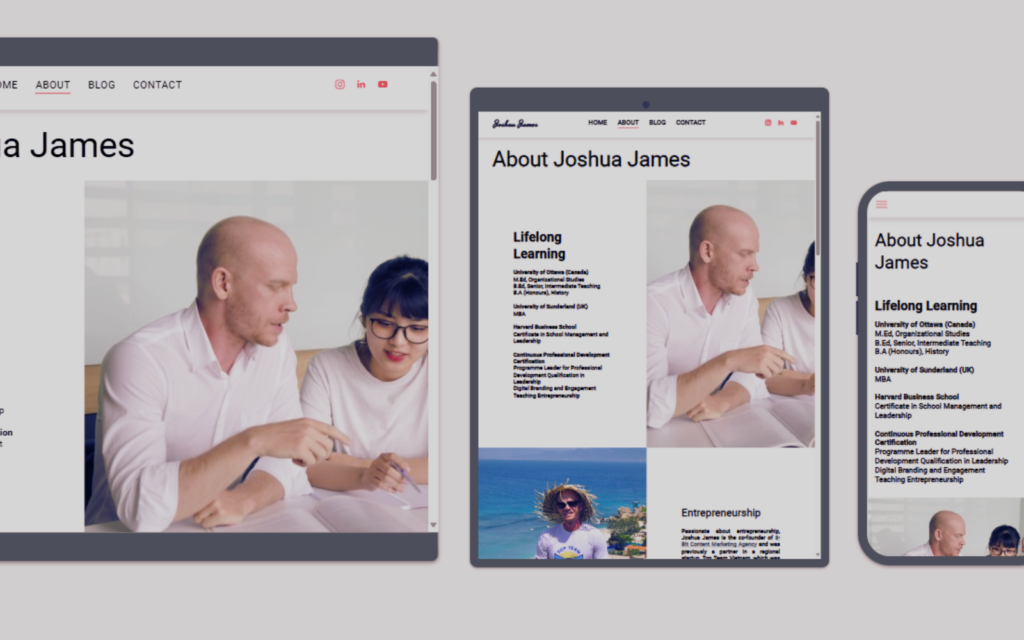
- About Page: This acts as the narrative anchor, establishing the author’s credentials and the blog’s core mission.
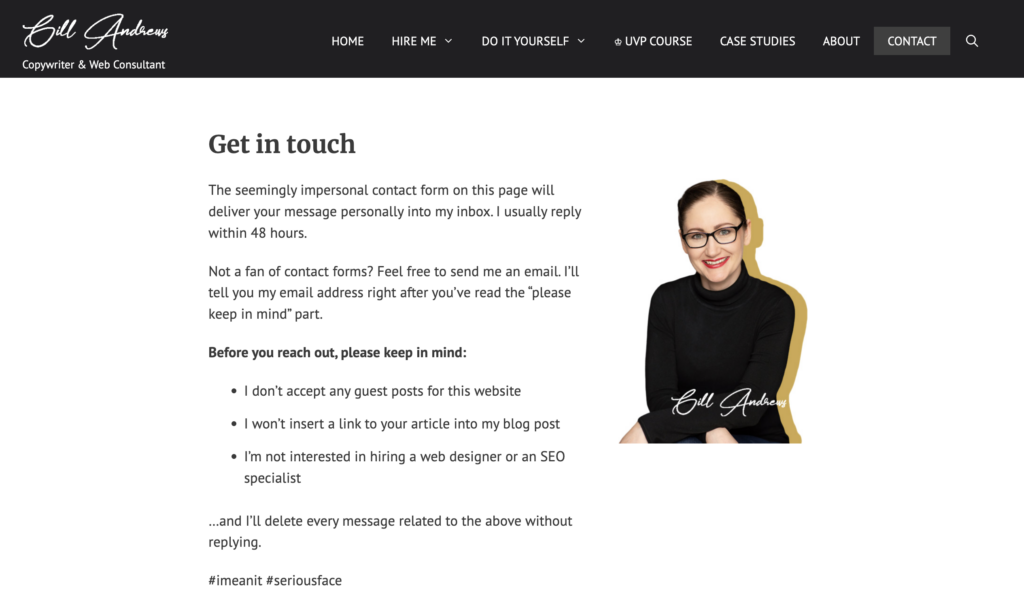
- Contact Information: Facilitates networking and potential partnership opportunities.
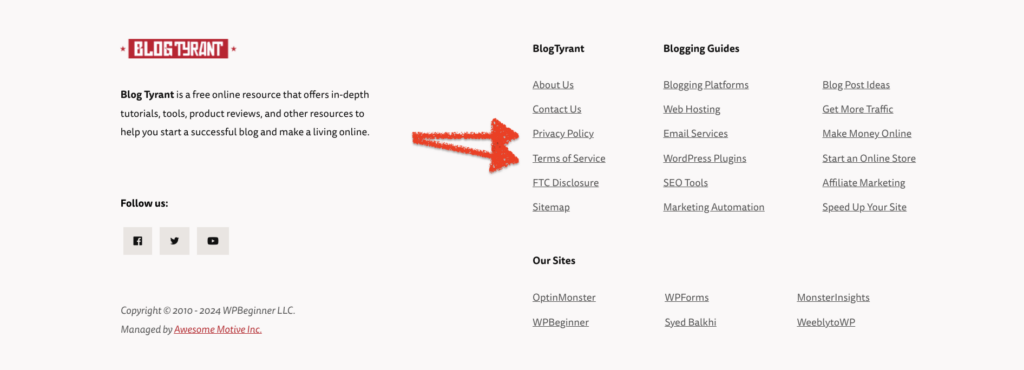
- Privacy Policy and Terms of Service: These are mandatory for compliance with global regulations such as GDPR (General Data Protection Regulation) and CCPA (California Consumer Privacy Act), particularly if the blog utilizes tracking cookies or collects user data.
- Search and Archive Functionality: Improves site architecture, allowing users to navigate historical content efficiently, which increases average session duration.
Content Strategy and SEO Integration
The longevity of a blog is determined by its content strategy. Successful creators follow an "editorial calendar" approach, ensuring a consistent posting cadence—typically ranging from weekly to bi-weekly.
From an SEO perspective, content must be structured to address specific user queries. This involves:
- Keyword Optimization: Integrating relevant terms naturally within the text.
- Formatting for Readability: Utilizing H2 and H3 subheadings, bullet points, and short, punchy paragraphs to cater to mobile users.
- Visual Assets: Incorporating high-quality images, infographics, and data-driven charts to break up text and increase engagement metrics.
Monetization Models: Direct vs. Indirect Income
The economic model of blogging has matured beyond simple banner advertisements. Revenue is now typically generated through a hybrid approach:
- Direct Monetization: This includes affiliate marketing (earning commissions on referred sales), the sale of digital products (e-books, online courses, templates), and display advertising via networks like Google AdSense or premium ad management services.
- Indirect Monetization: Many professionals view their blog as a "business card." A well-maintained blog can lead to consulting gigs, speaking engagements, or professional hiring opportunities. For business owners, the blog serves as an organic traffic funnel, reducing reliance on paid advertising costs.
The Impact of Artificial Intelligence
The emergence of Generative AI tools (such as ChatGPT, Claude, and Perplexity) has fundamentally altered the blogging workflow. While these tools can assist with research, outlining, and drafting, industry analysts caution against relying on AI for final output. Search engines, particularly Google, prioritize "E-E-A-T" (Experience, Expertise, Authoritativeness, and Trustworthiness). Content that lacks a human perspective—specifically personal experience or unique insights—is increasingly penalized by search algorithms. The consensus among content professionals is that AI should be used as a force multiplier for productivity rather than a wholesale replacement for human expertise.

Broader Implications and Future Outlook
The trajectory of personal blogging remains robust despite the fragmentation of the internet across various social platforms. The value of a personal blog lies in its status as a "platform of ownership." Unlike an audience built on X (formerly Twitter) or Instagram, where algorithm changes can diminish reach overnight, a blog’s email list and direct traffic provide a stable, long-term asset.

Looking ahead, the integration of voice search, hyper-personalized content feeds, and the continued professionalization of the "creator economy" suggest that personal blogs will remain a vital tool for individual and professional development. For the modern creator, the blog is not merely a hobby; it is a scalable digital enterprise that requires the same level of discipline, strategy, and commitment as any traditional business venture. By maintaining high editorial standards, prioritizing user experience, and adapting to technological shifts, individual bloggers can secure a sustainable and influential place in the digital landscape.