The Problem of Digital Anonymity
In the current digital landscape, the barrier to entry for blogging is negligible. According to recent industry benchmarks, there are over 600 million blogs worldwide, accounting for more than 40% of the internet. With such high saturation, technical optimization is no longer a competitive advantage; it is merely a baseline requirement. Analysts suggest that the "missing ingredient" in struggling blogs is the failure to establish a parasocial connection. Readers are increasingly seeking authenticity in an era of AI-generated content and commoditized information. Personality-driven branding allows creators to transform their platforms from mere information repositories into trusted, relatable sources.
Strategic Personalization: An Analysis of Top Performers
To understand how successful creators bridge the gap between technical execution and reader connection, one must analyze the methodologies of top-tier bloggers who have successfully humanized their digital presence.
Visual Narrative and Human-Centric Imagery
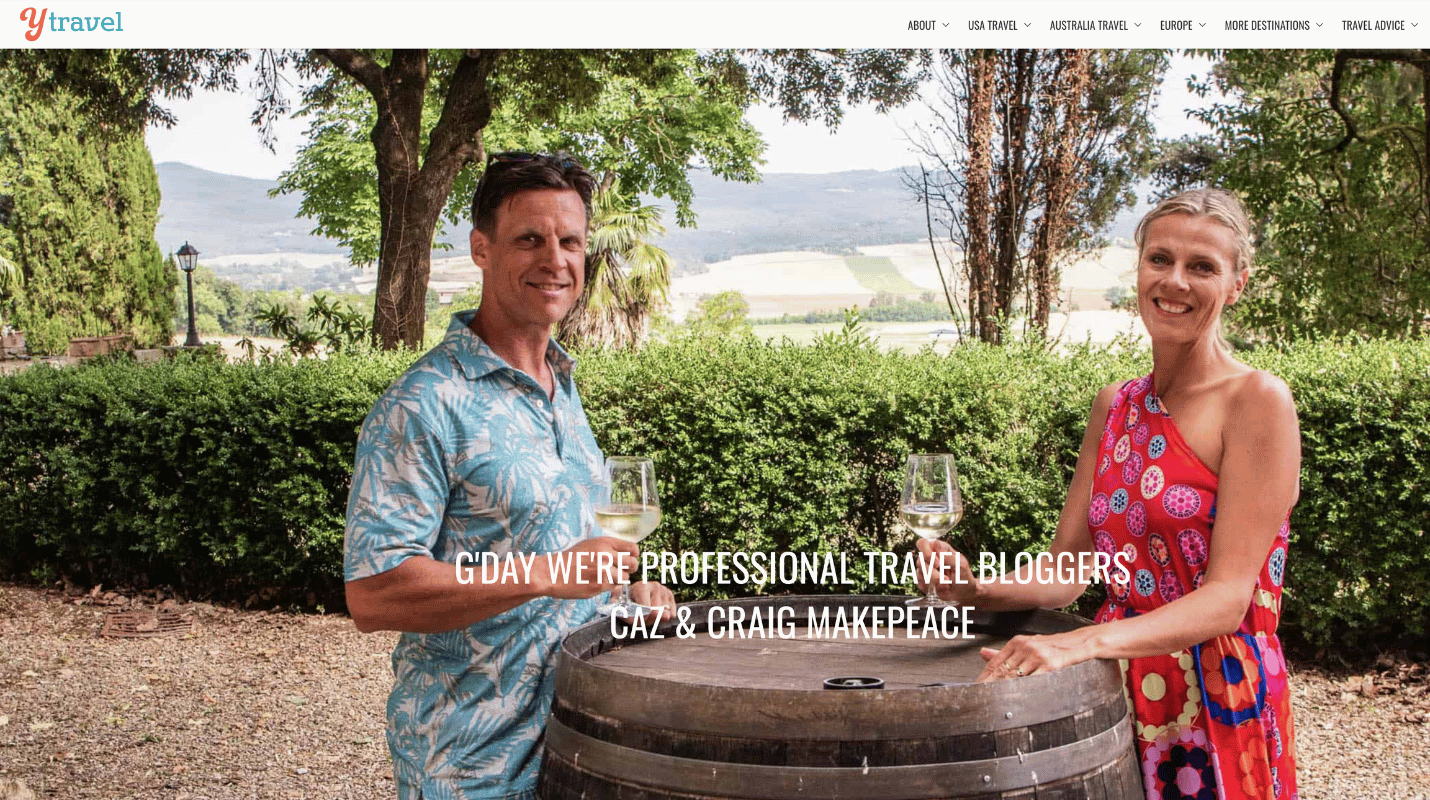
The use of high-quality, personal photography is a hallmark of successful travel and lifestyle blogging. For instance, Caz and Craig of YTravel have built their brand identity around their family experiences. Their approach moves beyond the stock photography common in the travel niche, opting instead for authentic, emotive imagery that documents their journey. From a data perspective, content featuring human faces and personal narratives sees a 30% to 50% higher engagement rate on social media platforms, as visual storytelling fosters a sense of trust and familiarity before a reader even engages with the text.
The Architecture of Individual Identity
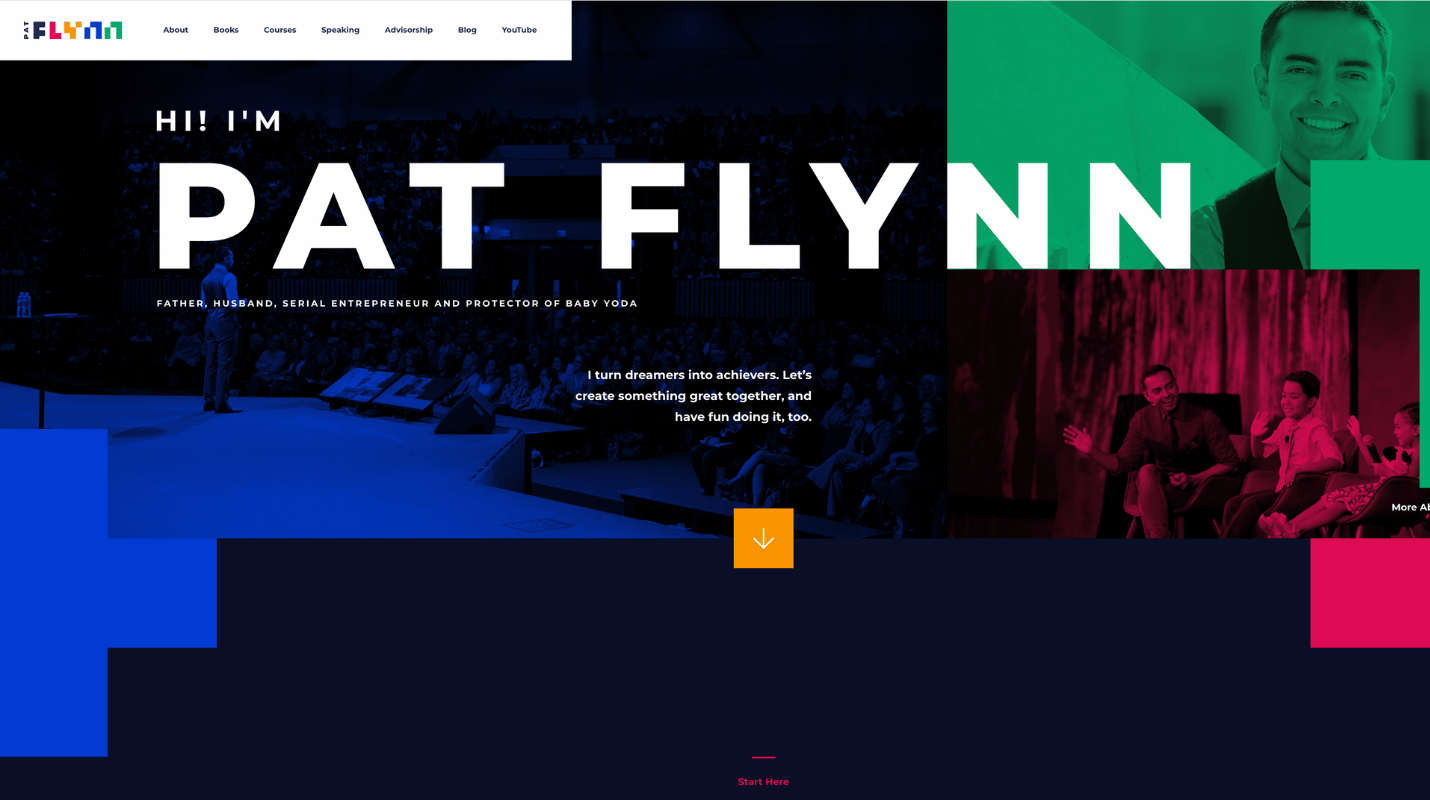
Successful bloggers often utilize their homepages as a billboard for their personal values and identity. Pat Flynn of Smart Passive Income is a case study in effective identity signaling. By clearly articulating his roles—"father, husband, serial entrepreneur"—and incorporating self-deprecating or niche-specific humor, he immediately narrows his target audience while simultaneously deepening his connection with those who resonate with his worldview. This strategy serves a dual purpose: it acts as a filter to repel uninterested parties and as a beacon for high-intent, loyal followers.
Linguistic Branding and Tonality
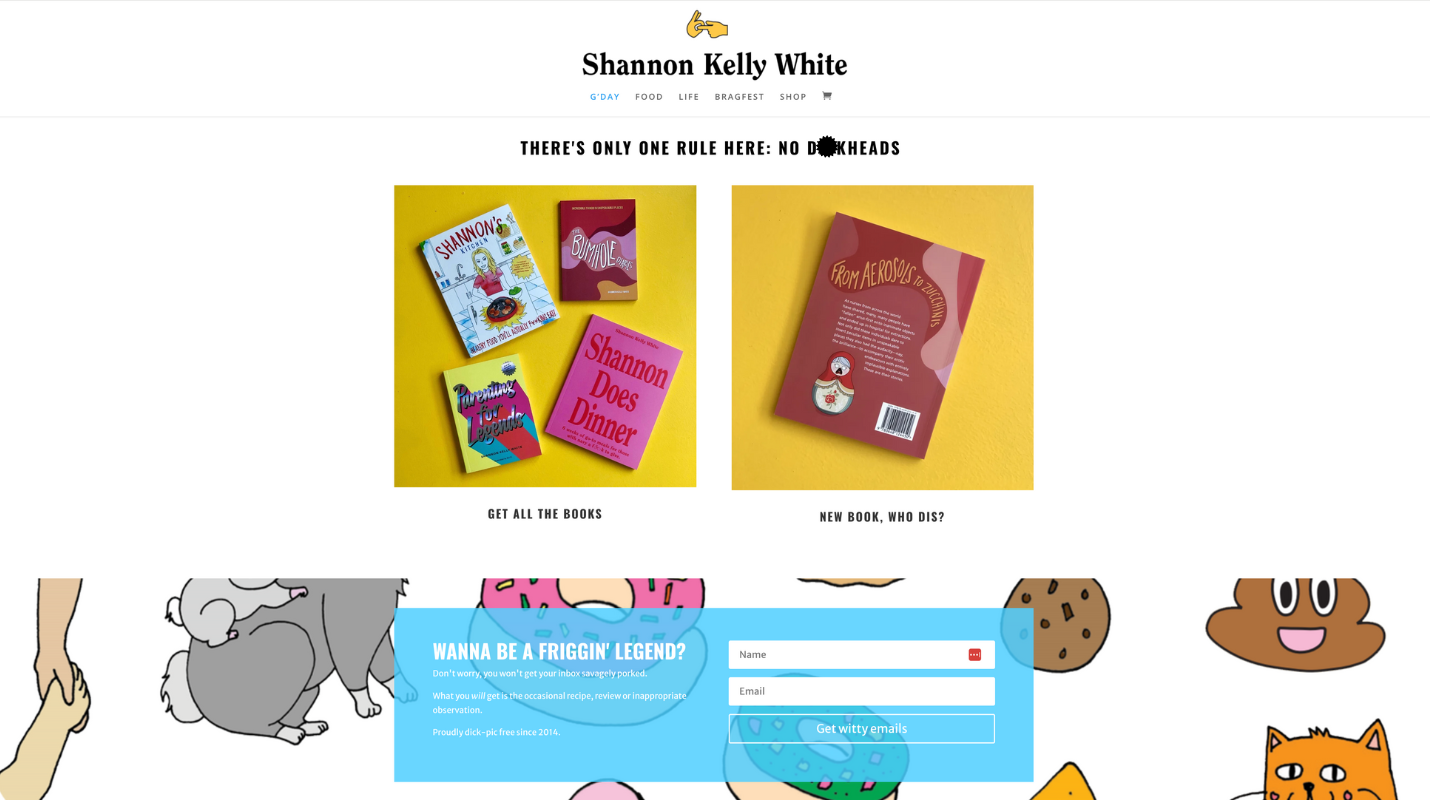
The adoption of a distinct, consistent, and occasionally polarizing voice is a powerful tool for brand differentiation. Shannon Kelly White demonstrates how intentional linguistic choices, including the use of candid or "salty" language, can create a tribal effect among readers. While such strategies carry the risk of alienating a portion of the general public, they cultivate an exceptionally strong, dedicated core audience. Data on reader sentiment shows that audiences value consistency in tone; a blog that speaks with a unified, authentic voice is perceived as more authoritative and trustworthy than one that attempts to cater to a generic, neutral audience.
Visual Identity and Symbolic Representation
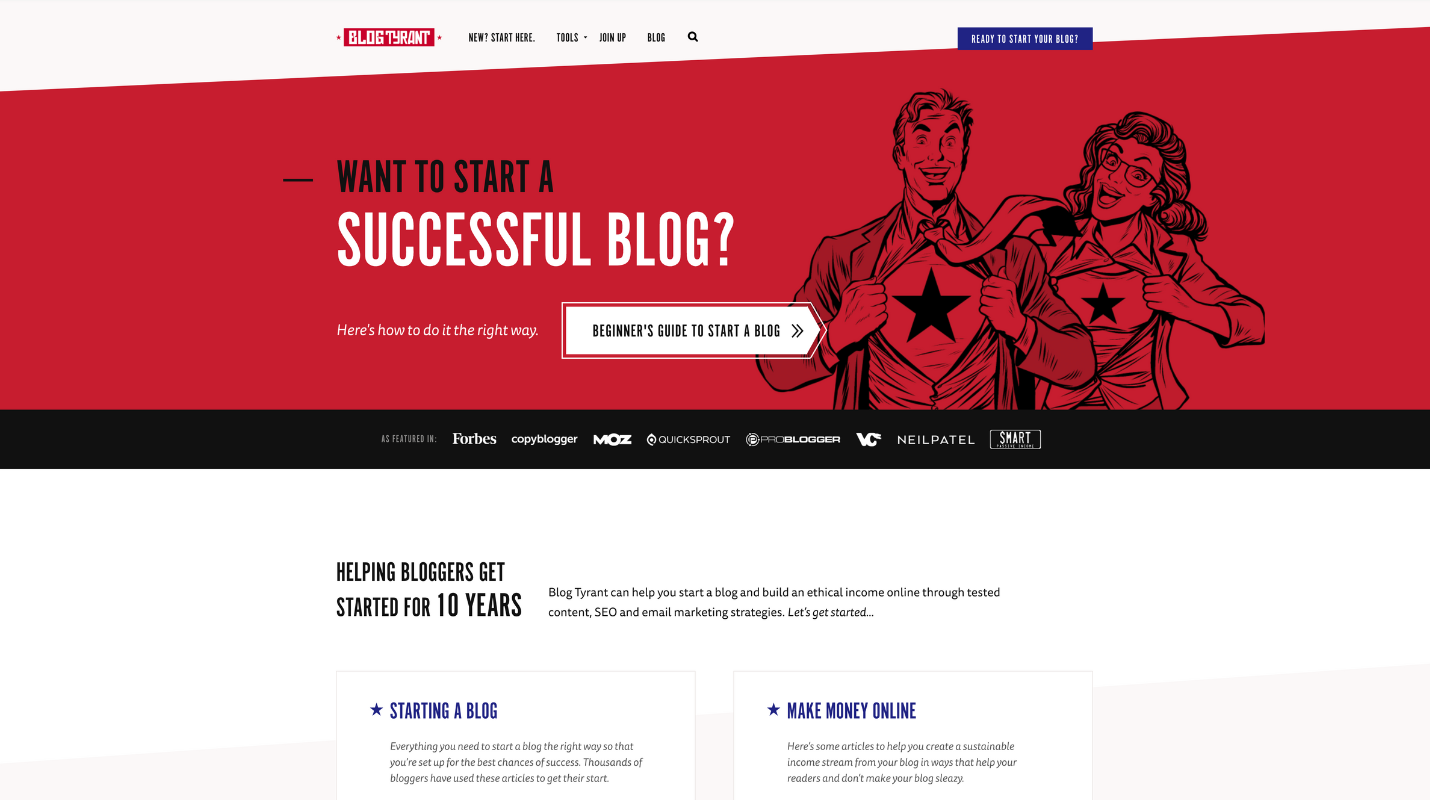
The integration of custom illustrations and iconography is another strategy for creating an indelible brand mark. Ramsey of Blog Tyrant utilizes a consistent superhero avatar throughout his web design and marketing assets. This creates a visual shorthand that users associate with his specific brand of expertise. By using consistent visual cues, bloggers lower the cognitive load for their audience, making the brand instantly recognizable across disparate platforms, from newsletters to social media feeds.
The Role of the "About Page" as a Conversion Tool
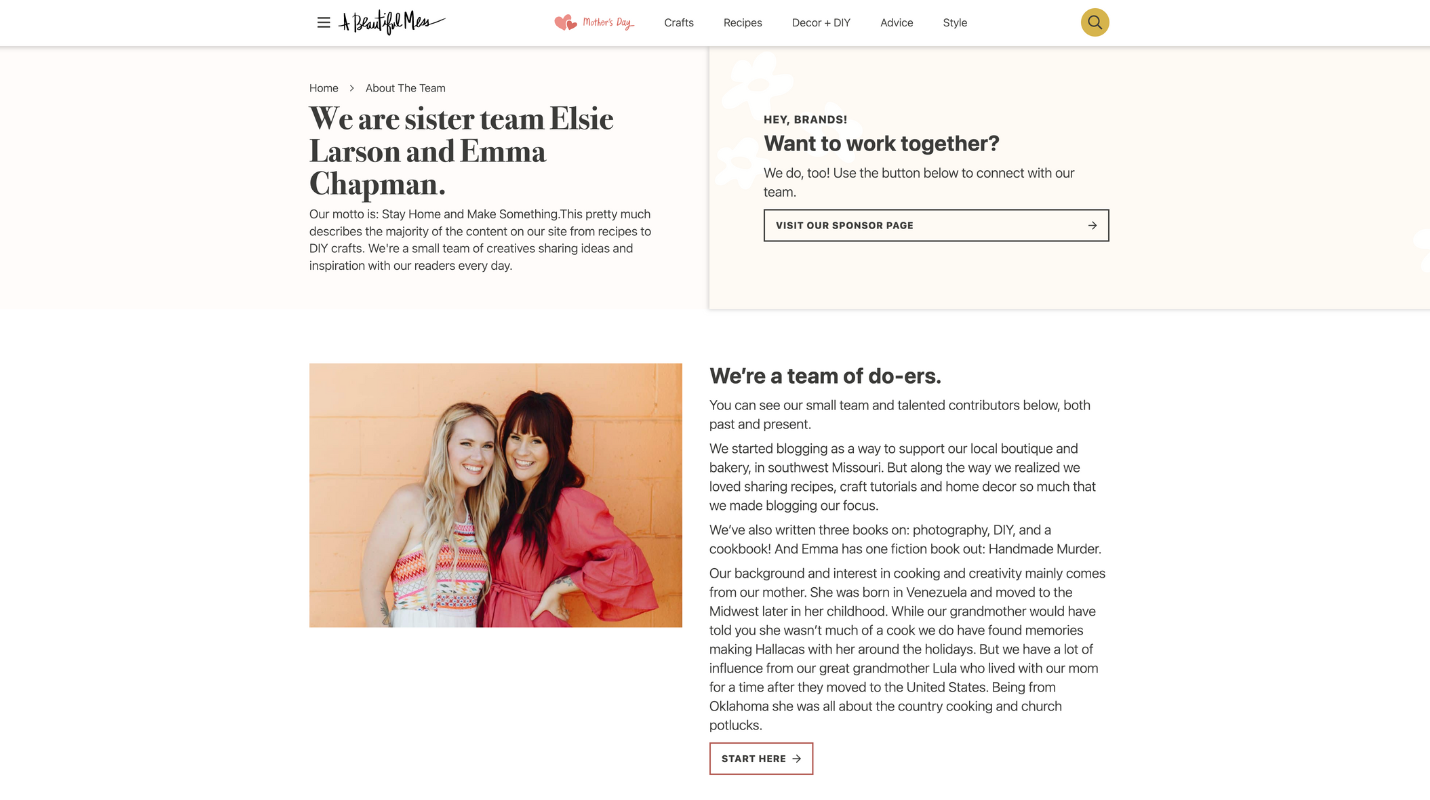
Often neglected, the "About" page is frequently the second or third most visited page on a professional blog. Research indicates that users who visit the "About" page are significantly more likely to subscribe to a mailing list or purchase a product. Successful entities like A Beautiful Mess understand this, using high-quality visual identity and concise, punchy biographies to humanize the business. A well-crafted "About" page provides the essential context required for a reader to transition from a casual visitor to a member of a community.
Cross-Platform Brand Synchronicity
Maintaining a consistent brand image across multiple digital touchpoints is vital for scalability. Chris Ducker provides an example of this consistency by ensuring that headshots and branding elements remain uniform across his blog, Twitter, Facebook, and LinkedIn profiles. In terms of digital marketing, this is known as omni-channel consistency. When a user sees the same professional, smiling headshot on multiple platforms, it reinforces the legitimacy of the brand and ensures that the transition from a social media post to a long-form blog article feels seamless rather than disjointed.
The Psychological Impact of Color and Design
Color psychology plays a non-trivial role in how audiences perceive and interact with a brand. Jadah Sellner’s approach to site design highlights how a cohesive color palette can influence reader mood and retention. When the colors of the site elements match the color palettes of the images and the creator’s own visual identity, it creates a subconscious sense of harmony. Studies in web design have shown that a cohesive color scheme can increase the time spent on a page by up to 20%, as the visual environment feels curated and intentional.
The Necessity of Brand Statements and Clear CTAs
For professional blogs, the "Call to Action" (CTA) and brand statement serve as the primary navigational tools for potential clients. James Schramko’s SuperFastBusiness highlights the importance of immediate clarity. By explicitly stating who the service is for and what problem it solves, he minimizes bounce rates. Similarly, Kelly Exeter’s strategy of utilizing direct, actionable language removes the ambiguity that often plagues smaller blogs. When a reader knows exactly what to expect and what action to take, conversion rates for newsletters and services increase by an average of 15% to 25%.
Defining the Audience Through Self-Selection
Finally, the most sophisticated personalization strategy involves defining the reader for them. Emily of Puttylike utilized the term "Multipotentialite" to categorize a specific personality type. By providing a framework for her audience to identify themselves, she created a sense of belonging. The use of interactive tools, such as the "Are You a Multipotentialite?" quiz, serves as a high-conversion lead magnet that turns anonymous traffic into a segmented, active email list.
Broader Implications and Future Outlook
The transition from generic blogging to personality-centric content creation is not merely a stylistic preference; it is an economic imperative. As the digital ecosystem becomes increasingly crowded, the ability to signal authenticity will become the primary driver of audience growth.
Future industry analysis suggests that the most successful bloggers will be those who balance technical SEO requirements with a human-first approach. By implementing these 10 strategies—visual storytelling, identity signaling, consistent tonality, symbolic branding, optimized "About" pages, cross-platform consistency, color theory, clear value propositions, decisive calls to action, and audience self-segmentation—bloggers can effectively move beyond the noise and build sustainable, high-impact digital platforms. The evidence is clear: the modern reader is not looking for a robotic delivery of facts; they are seeking a human connection.