The recent Android Dev Summit 2026, held in late October, served as the primary stage for Google to articulate its long-term hardware and software strategy regarding the burgeoning Googlebook ecosystem. While the industry has spent the better part of 2026 observing the rollout of initial Googlebook-powered laptops, the company’s formal announcement regarding the inclusion of detachable form factors marks a significant pivot in how Google intends to bridge the gap between mobile-first computing and traditional desktop productivity.
The Evolution of the Googlebook Form Factor
The announcement made during the developer keynote on Wednesday confirms months of speculation and industry leaks. Google’s current strategy for Googlebook revolves around a "unified computing experience," where the operating system scales dynamically across varying hardware constraints. Currently, the ecosystem is heavily skewed toward traditional clamshell laptops, which have dominated the initial launch lineup.
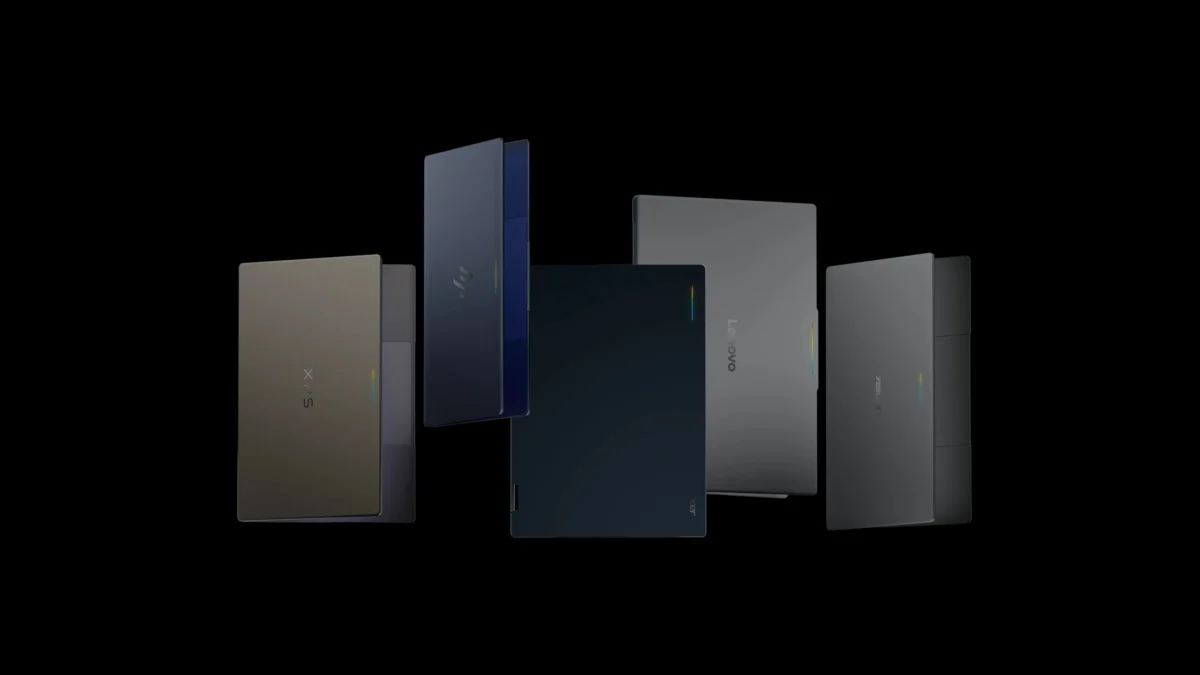
At present, the market is populated by five primary devices, with only the Acer Googlebook 14—a 2-in-1 convertible—offering a departure from the standard laptop configuration. The Acer device, priced at $899, supports tent, tablet, and laptop modes, yet the current implementation of Googlebook OS reveals that the transition is still in its infancy. While individual applications are capable of rendering in portrait orientation for tablet usage, the core UI elements—including the app tray, the desktop homescreen, and the multitasking Overview—remain strictly locked to landscape orientation. This limitation underscores the engineering challenges Google faces as it attempts to move beyond the clamshell paradigm.
Chronology of the Googlebook Transition
The roadmap for Googlebook has moved with notable speed throughout 2026. Following the initial unveiling of the platform, the industry saw a wave of hardware partners testing the waters with standard laptop designs.
- Early 2026: Initial rumors of a unified OS capable of spanning mobile and desktop architectures begin to circulate.
- July 2026: Significant leaks emerge concerning Lenovo’s development of a detachable Googlebook tablet. The leaked specifications detailed a device featuring a dedicated kickstand, a magnetic detachable keyboard, and a unique "Glowbar" notification system integrated near the camera module.
- October 28, 2026: The Android Dev Summit takes place, during which Google provides a formal roadmap confirming that detachables are the next major focus for the OS.
- Late 2026/Early 2027 (Expected): Industry analysts project the formal release of the first detachable hardware, likely led by the Lenovo device previously identified in industry supply chain reports.
Analyzing the Detachable Shift
The shift toward detachables is not merely a hardware trend but a strategic response to the evolving demands of the professional and educational sectors. By adopting a detachable form factor, Google is attempting to solve the "productivity-portability dilemma." Clamshell devices provide excellent keyboard stability but often fail to provide the tactile, touch-first experience required for creative tasks or digital media consumption.

The inclusion of a kickstand and detachable keyboard implies that Googlebook OS is being optimized for a "chassis-agnostic" approach. From a software development perspective, this requires the OS to detect hardware states instantaneously—transitioning from a windowed desktop environment to a touch-optimized UI the moment the physical keyboard is detached.
According to sources close to the development team, the "Glowbar" feature mentioned in earlier leaks is expected to be a staple of the detachable line. This feature acts as a visual status indicator, providing notifications or system alerts without requiring the user to wake the main display, a design philosophy borrowed from premium smartphone aesthetics and applied to the tablet category.
The Android vs. Googlebook OS Dichotomy
Perhaps the most pressing question following the announcement is the future of the high-end Android tablet market. For years, Google has iterated on Android to make it more tablet-friendly, introducing features like taskbars and improved split-screen multitasking. However, with the introduction of Googlebook OS—which offers a more robust, desktop-class windowing system—a bifurcation in the product portfolio appears inevitable.
Industry observers suggest a dual-track strategy:
- Android Tablets: Likely to remain the preferred OS for consumer-grade tablets, media consumption devices, and budget-friendly hardware where a lightweight, app-centric experience is prioritized.
- Googlebook OS: Positioned as the premium, productivity-focused platform. As the company continues to iterate on the desktop-like features of Googlebook OS, it will likely replace Android in the "Pro" tablet space, competing directly with high-end devices like the iPad Pro or Windows-based tablets.
Technical Hurdles and Market Implications
The transition to a detachable form factor is not without its technical obstacles. The current limitation that forces the homescreen and app tray into landscape mode is a clear indicator that the "desktop" layer of the OS is still tethered to traditional laptop-style logic. To succeed, Google must refine its responsive design framework so that the OS feels native regardless of the physical orientation of the screen.
Furthermore, the integration of specialized hardware like the Lenovo "Glowbar" suggests that Google is willing to allow OEM-specific hardware enhancements within the Googlebook ecosystem. This mirrors the fragmented but highly innovative landscape of the Android smartphone market, where manufacturers differentiate themselves through unique hardware features rather than just specifications.

Broader Industry Impact
The implications for the broader hardware ecosystem are substantial. As Google pushes the Googlebook brand into the detachable space, existing laptop manufacturers—many of whom have struggled to find a foothold in the premium tablet market—may find a new avenue for growth. By decoupling the keyboard, Google is essentially creating a new category of "Professional Googlebooks" that can replace the traditional laptop for office workers and students alike.
Economically, the $899 price point of the current Acer model indicates that Googlebook hardware is targeting the mid-to-high-end segment. The introduction of a detachable device, which often requires more complex hinges, magnetic connectors, and specialized sensors, will likely command a similar or premium price point.
Final Outlook
As of late 2026, the Googlebook project has successfully established its initial footprint in the clamshell market. The forthcoming transition to detachable devices will be the true test of the platform’s versatility. If Google can successfully bridge the gap between the desktop-class multitasking required for work and the fluidity expected of a tablet, it may well disrupt the dominance of traditional operating systems in the ultra-portable computing space.
The Android Dev Summit has provided a clear roadmap: the future of Google’s computing vision is not limited to a single form factor. Instead, the focus has shifted toward a fluid, hardware-aware OS that can adapt to the needs of the user, whether they are typing on a physical keyboard or interacting with a touch-screen tablet. With the expected launch of the Lenovo detachable, the industry will soon see if the software can keep pace with the ambitions of its hardware partners. As the platform matures, the interplay between the OS and these evolving hardware configurations will define the next decade of personal and professional computing.