The modern digital advertising landscape is increasingly saturated, forcing brands to compete fiercely for consumer attention across social media feeds, email inboxes, and dedicated landing pages. Industry data indicates that over 22% of internet users actively utilize ad blockers, frequently citing ad fatigue as a primary driver. In this competitive environment, the definitive boundary between a high-performing marketing campaign and a costly failure often rests on a single element: the call to action (CTA). When executed with precision, a CTA successfully guides a potential customer from passive observer to active participant, whether that transition involves purchasing a product, subscribing to a newsletter, or downloading a whitepaper. Conversely, an uninspired or ambiguous prompt results in immediate dismissal as users scroll past without engagement.
Anatomy and Evolution of the Modern CTA
Historically, marketing prompts were rudimentary, relying on straightforward commands such as "Buy Now" or "Click Here." Over time, consumer psychology research and digital marketing experiments have transformed the CTA from a generic hyperlink into a sophisticated psychological trigger. At its core, a call to action is a strategic text prompt designed to inspire a target audience to execute a specific, measurable behavior.

Modern marketing campaigns utilize various iterations, ranging from brief, two-word directives to descriptive sentences designed to alleviate decision fatigue. By providing clear behavioral direction, marketers help consumers navigate complex digital environments. Furthermore, incorporating psychological catalysts—most notably a sense of urgency—has been proven to elevate conversion rates significantly.

While conventional advertising strategies typically highlight a single, prominent CTA, contemporary digital campaigns frequently employ a strategic hierarchy consisting of primary and secondary actions. This multi-tiered approach accommodates varying levels of consumer intent, allowing casual browsers to engage with lower-friction offerings, such as reading an article, while high-intent prospects move directly toward transactional actions.

Strategic Frameworks for Crafting Compelling CTAs

Developing a high-converting CTA requires adherence to established copywriting principles and behavioral frameworks. Because digital advertisements are subject to strict character limits and fleeting user attention spans, brevity and strength are paramount.

Industry standard practices recommend initiating a CTA with a strong action verb, followed by an adverb or a specific subject. For instance, pairing the verb "Download" with the modifier "now" creates a direct command that reduces cognitive load. Digital marketing professionals categorize effective CTA verbs by their primary campaign objectives:

- Ecommerce campaigns rely on transactional verbs such as Buy, Shop, Order, Reserve, Save, Add to Cart, and View.
- Software-as-a-Service (SaaS) conversions utilize action words like Try, Get Started, Subscribe, and Sign Up.
- Non-profit organizations focus on community engagement terms including Donate, Commit, Volunteer, Adopt, Give, and Support.
- Newsletter acquisition and community building prioritize verbs such as Subscribe, Join, and Sign Up.
- Promotional giveaways and lead-generation efforts leverage compelling terms like Download, Get, Grab, Claim, and Take Advantage Of.
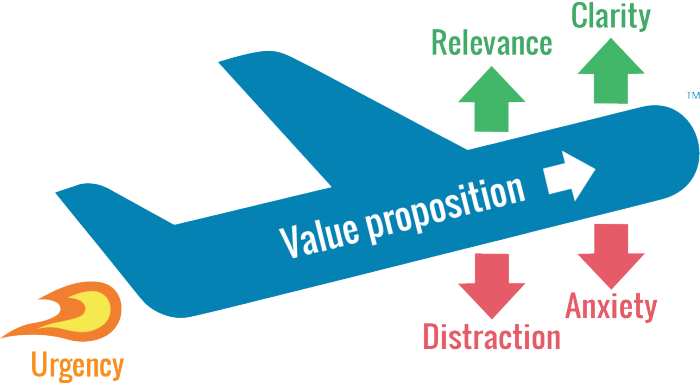
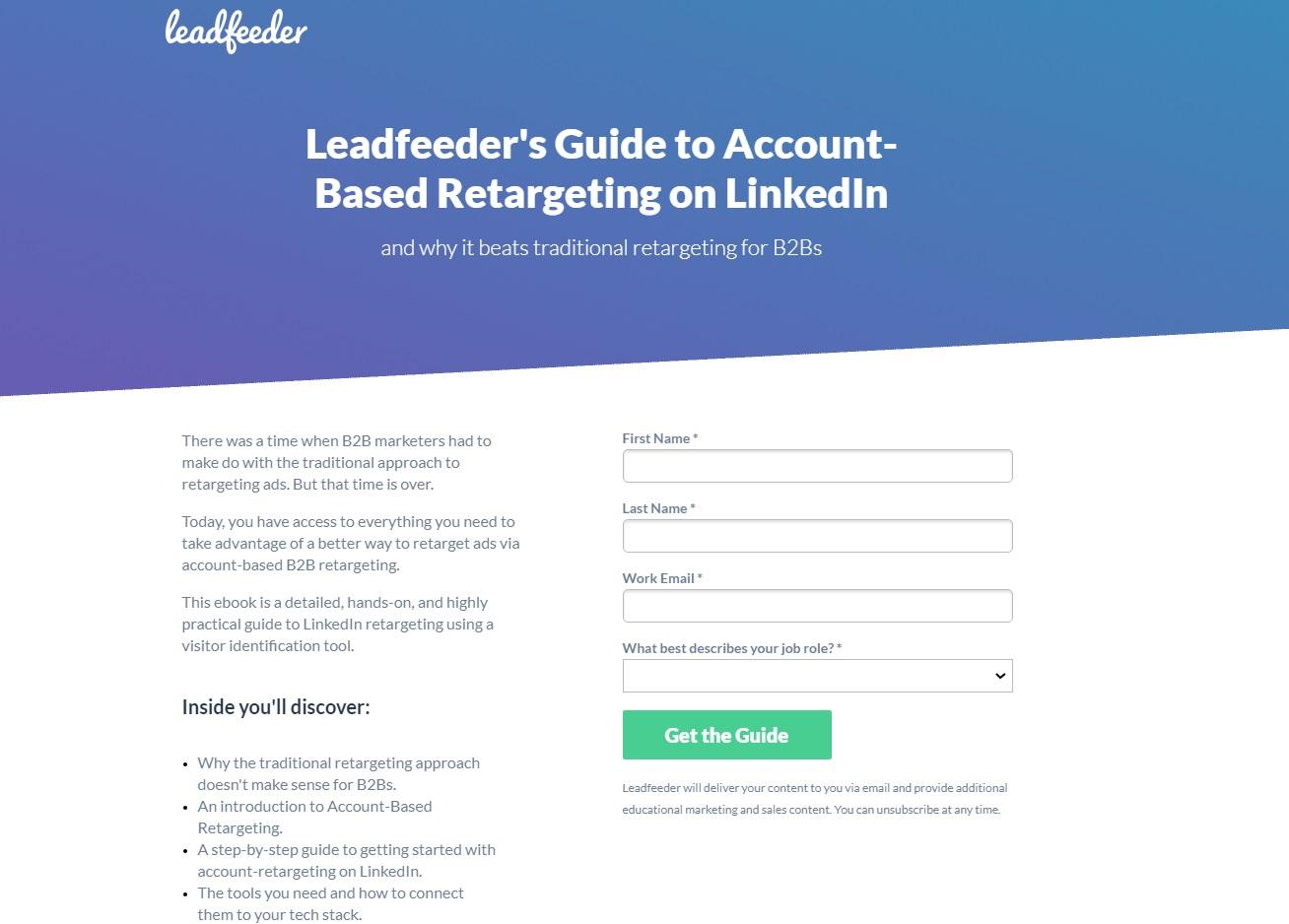
To evaluate the strength of a proposed prompt, digital strategists frequently reference the LIFT Model, a conversion rate optimization framework that assesses six key factors: value proposition, relevance, clarity, urgency, anxiety, and distraction. Within this framework, a phrase like "Download this ebook now" addresses multiple psychological drivers: "Download" establishes relevance, "this ebook" ensures clarity, "now" introduces urgency, and the complete phrase reinforces the overarching value proposition.

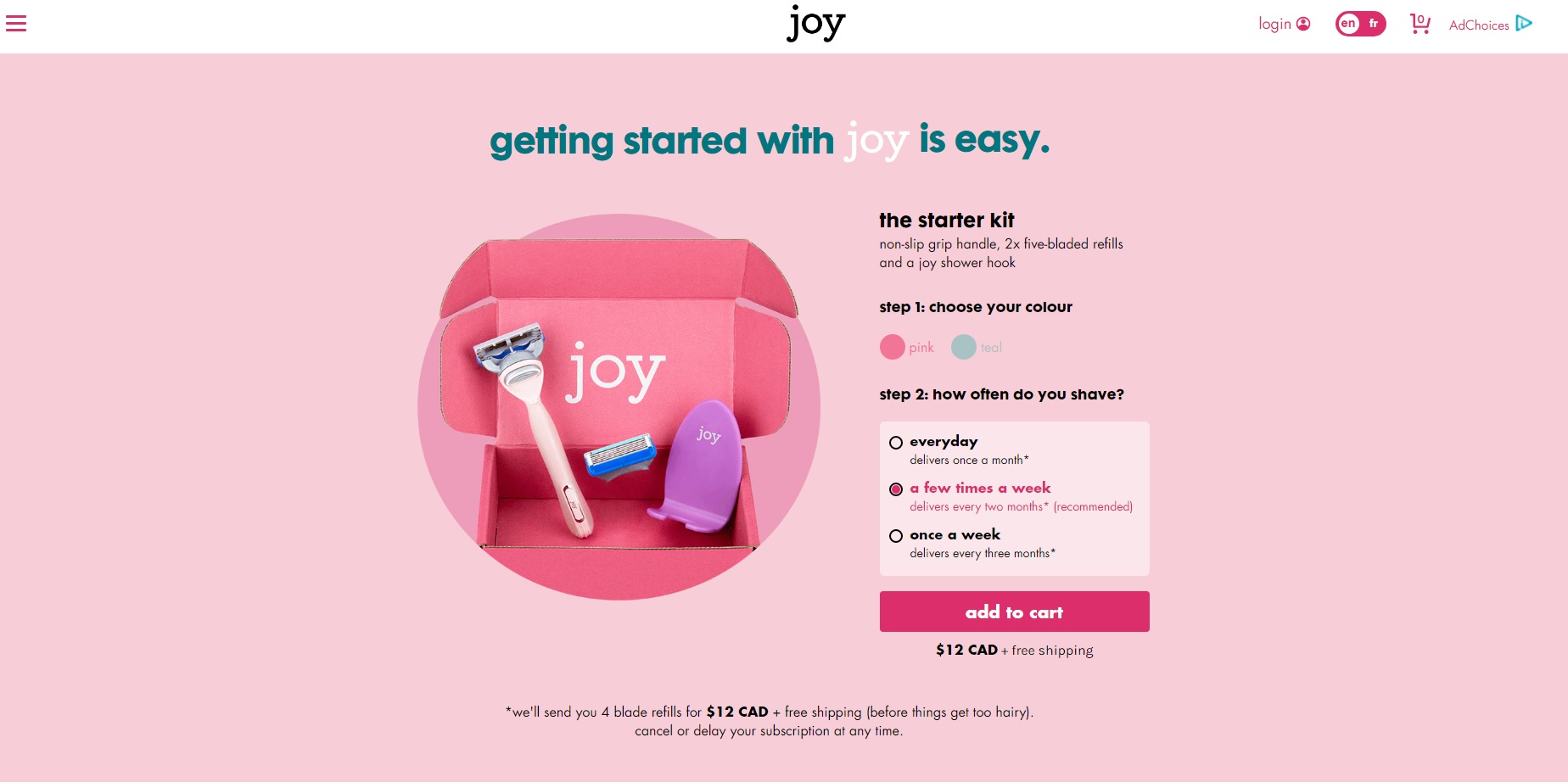
Beyond standard industry terminology, brands increasingly leverage sensory language and emotional triggers to foster deeper connections. Longer, customized CTAs that incorporate emotional modifiers can evoke specific moods or personal resonance. For example, wellness applications and direct-to-consumer brands regularly experiment with creative verbs and personalized phrasing, transforming standard administrative actions into engaging experiential touchpoints.

The Quantitative Impact of Clickable CTA Buttons

While plain-text hyperlinks remain functional across blogs and email newsletters, empirical data overwhelmingly demonstrates the superiority of interactive, clickable CTA buttons. Digital marketing research indicates that incorporating distinct, visually prominent CTA buttons can dramatically increase conversion rates across various platforms.

A prominent case study conducted by digital analytics researchers revealed that integrating a standardized CTA button into article templates boosted overall content conversions by 83% while increasing ecommerce transactions by 22%. Additional industry findings from prominent copywriting organizations confirm that styling a text prompt as a button rather than a plain hyperlink yields an average conversion rate increase of 45%.
Platform-Specific Best Practices and Empirical Evidence

Different digital environments necessitate tailored approaches to CTA implementation. Marketers must align their tactical execution with the specific user behaviors associated with each channel.
Facebook Ads and Social Media Integration
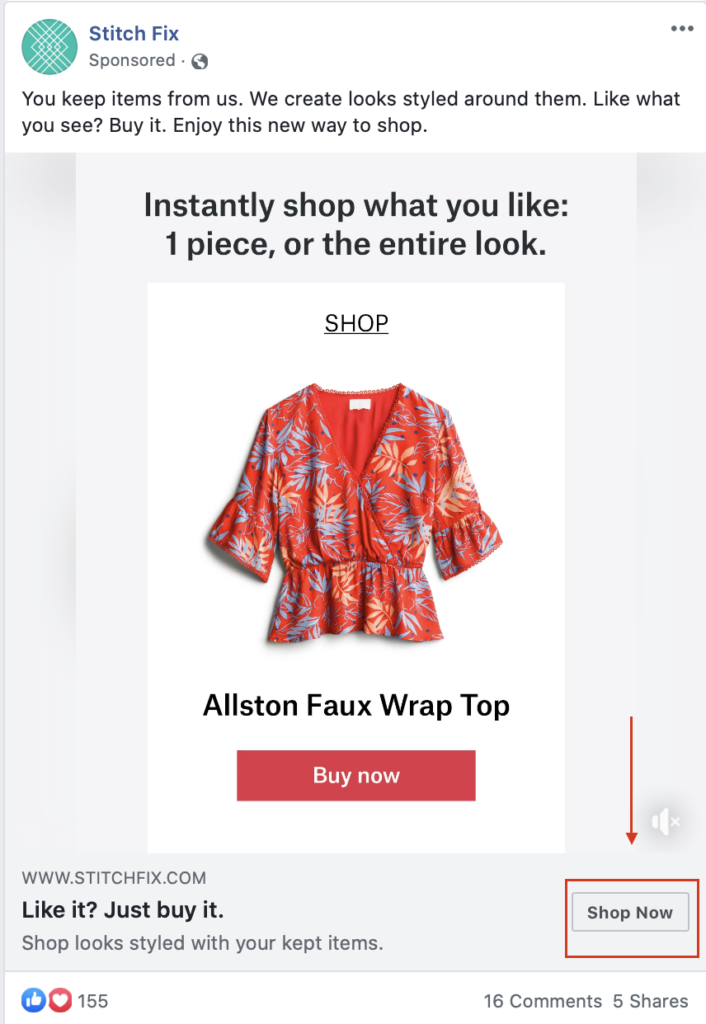
Social media advertising platforms, particularly Meta’s ecosystem, have long incorporated native, clickable CTA buttons into their ad interfaces. Options such as "Shop Now," "Learn More," "Download," and "Sign Up" allow advertisers to reinforce their primary messaging.
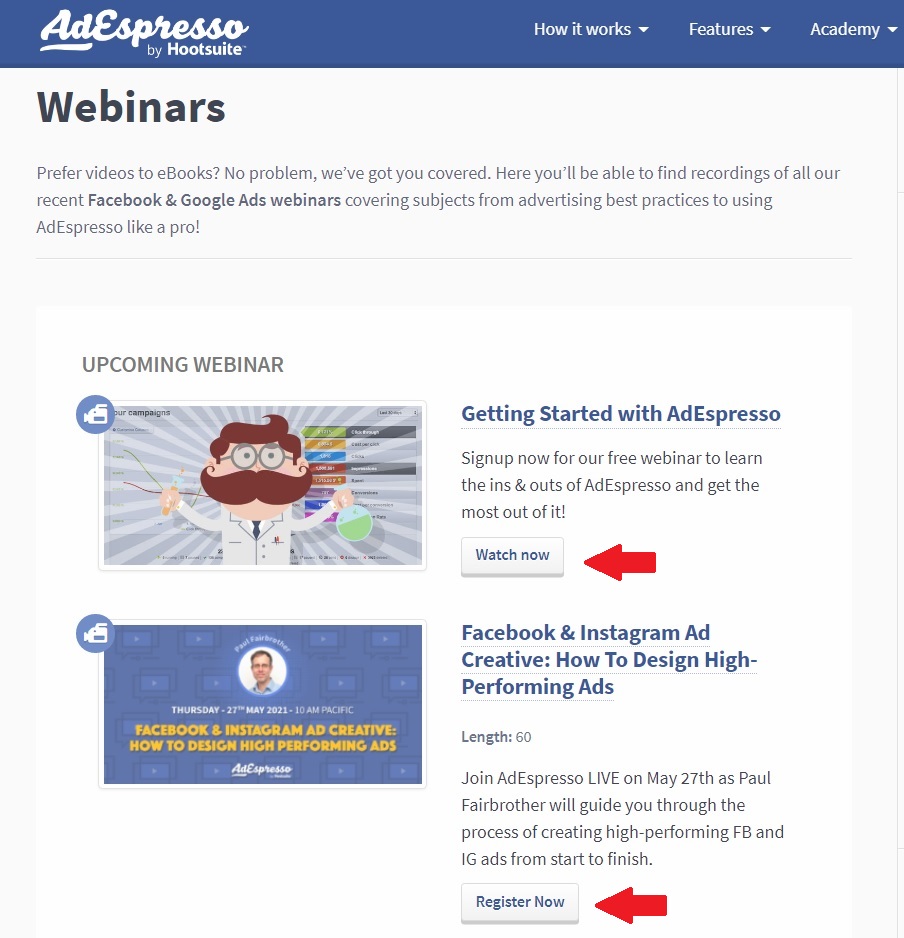
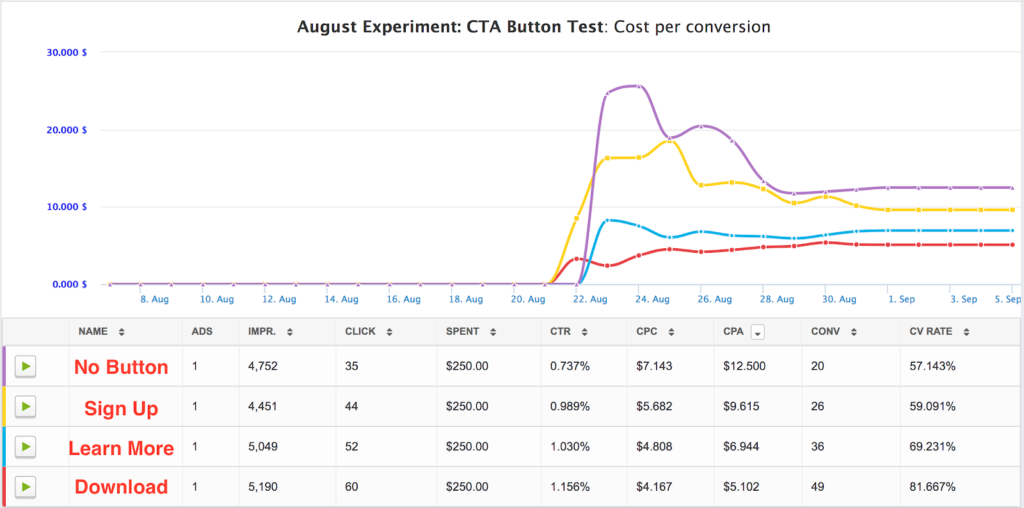
The financial implications of selecting the correct button are substantial. In a controlled split-testing experiment involving a $1,000 advertising budget, digital marketing platform AdEspresso evaluated the performance of various Facebook Ad CTA configurations. The results demonstrated a stark variance in cost efficiency: the top-performing button ("Download") generated 49 conversions at an average cost of $5.10 each. In contrast, the control group utilizing no button at all achieved only 20 conversions, with the acquisition cost more than doubling to $12.50 per conversion. This empirical evidence underscores the financial necessity of utilizing automated split-testing engines to identify optimal button configurations and automatically eliminate underperforming variations.
Landing Pages and Website Optimization
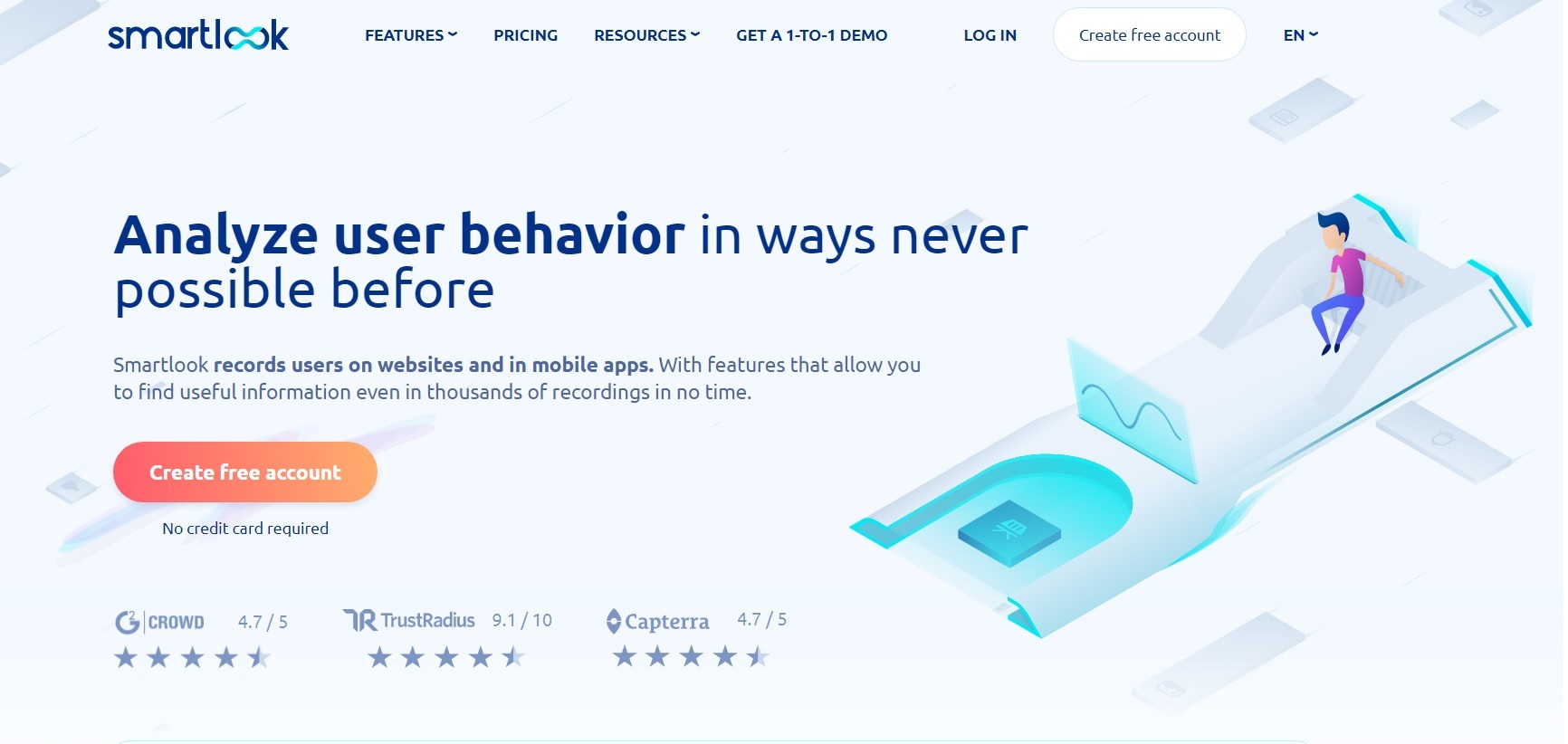
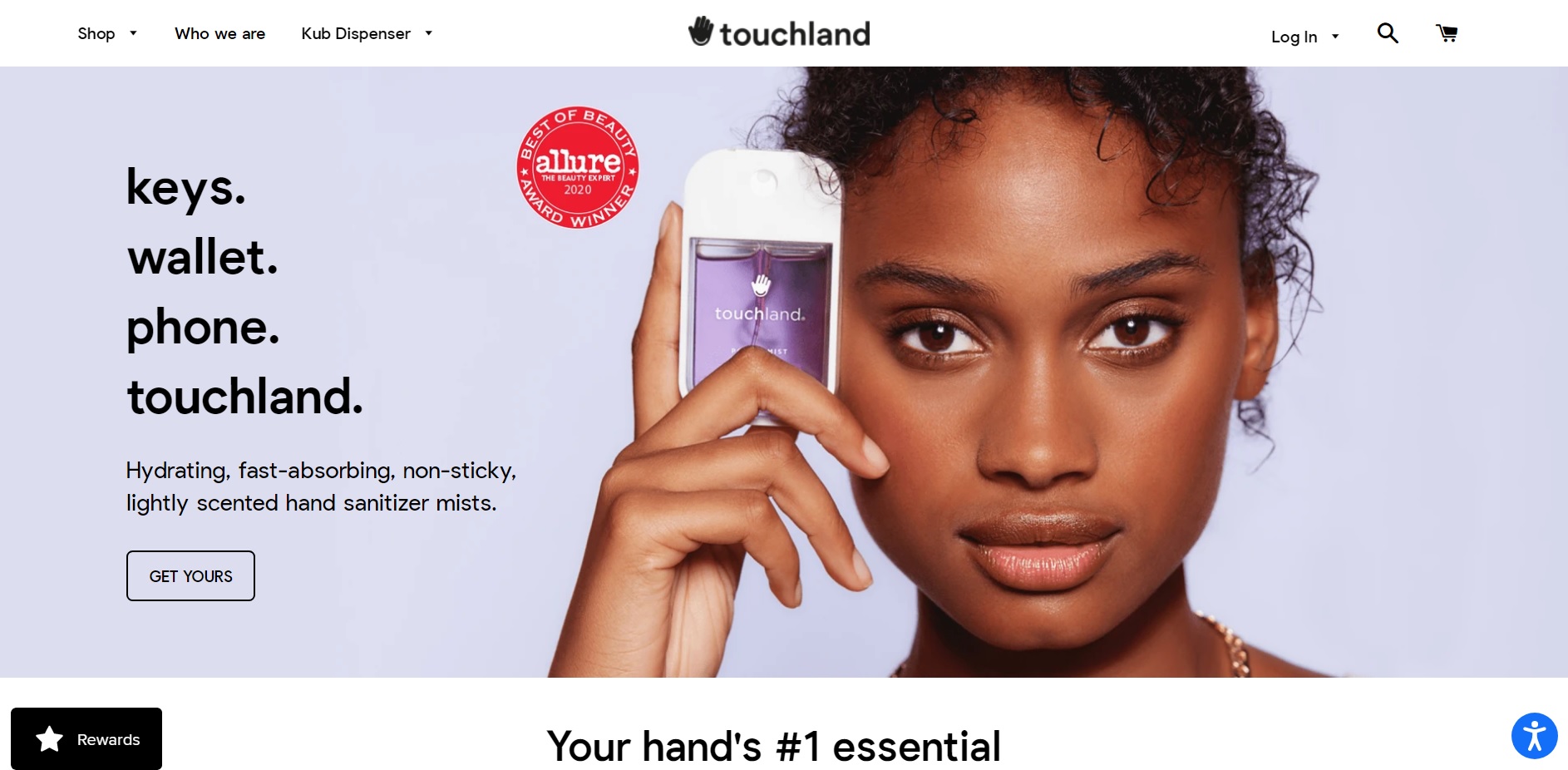
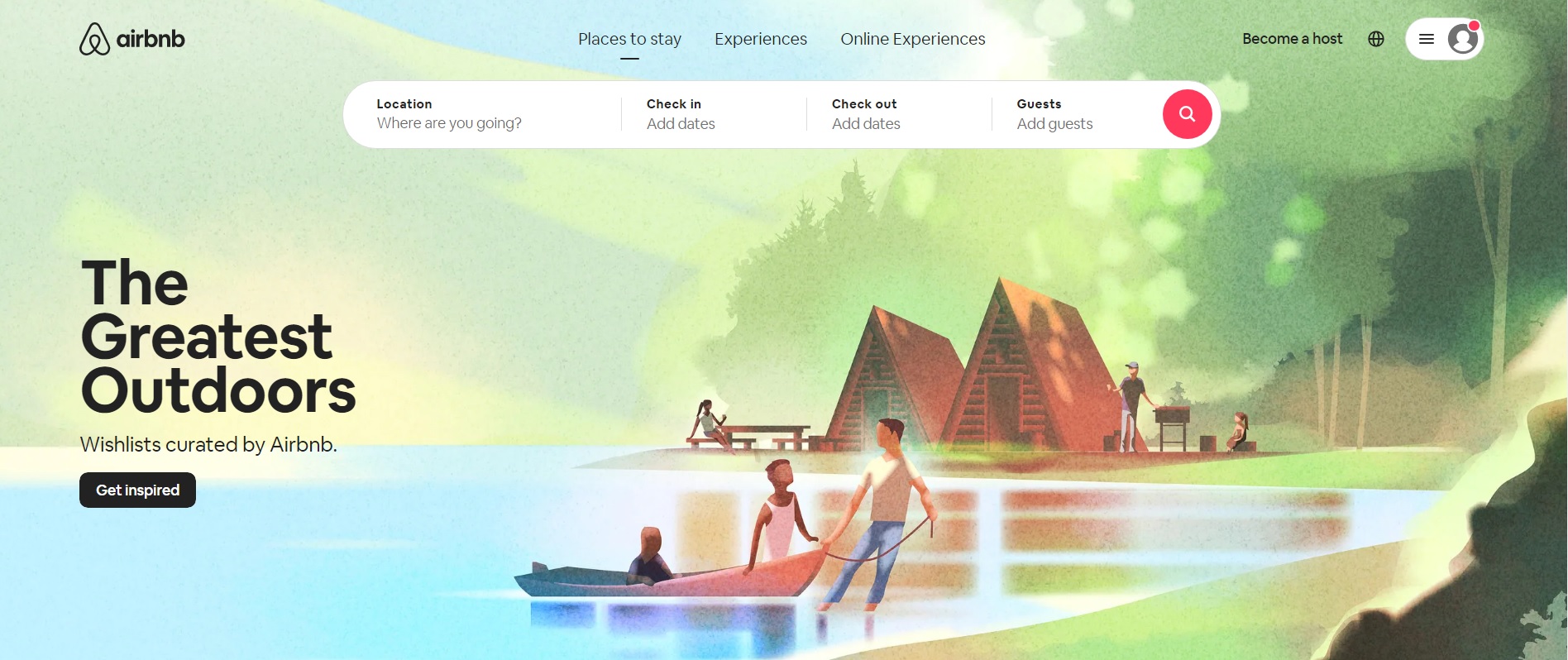
On dedicated landing pages and corporate homepages, the visibility and contextual relevance of a CTA dictate its success. High-converting web pages typically adhere to strict design principles: placing primary CTAs "above the fold" to ensure immediate visibility without requiring scrolling; utilizing high-contrast color schemes that make the button stand out against the background; maintaining a minimalist design aesthetic that eliminates competing visual distractions; and pairing the button with a concise, compelling value proposition.
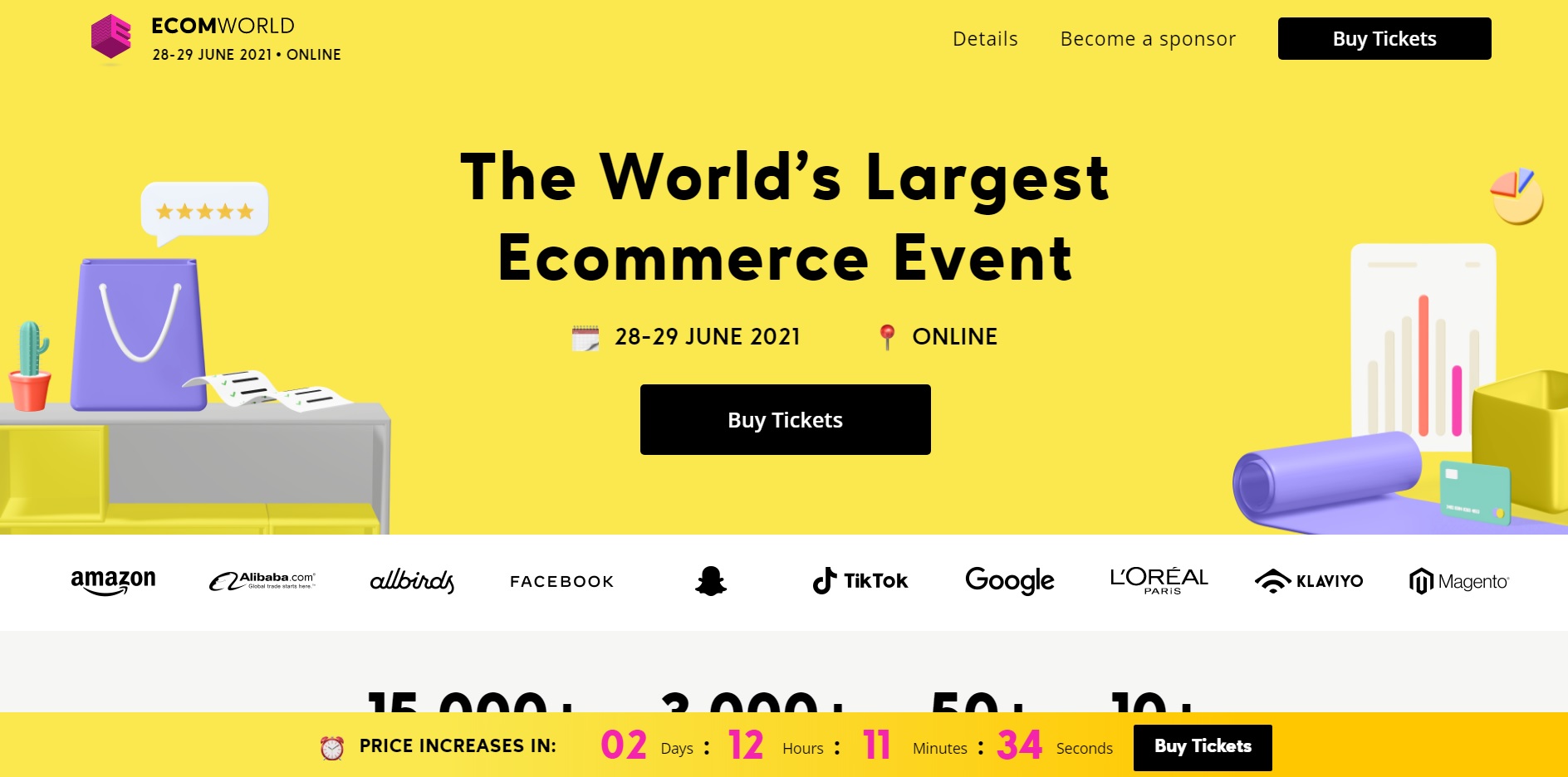
Because digital consumer behavior is inherently dynamic, reliance on static design assumptions is insufficient. Marketing teams increasingly rely on continuous optimization methodologies, utilizing conversion rate optimization software to execute A/B testing on button color, placement, and micro-copy.
Implications for Digital Marketing Strategy
As digital channels become increasingly crowded, the strategic formulation and rigorous testing of calls to action represent critical competencies for modern marketing professionals. Moving beyond generic terminology and embracing data-driven optimization allows organizations to lower acquisition costs, enhance user experience, and maximize the return on investment across paid campaigns, email marketing, and organic web traffic. By treating the CTA not as an afterthought, but as the foundational pivot of the consumer journey, brands can effectively navigate the challenges of modern digital engagement and drive sustainable conversion growth.