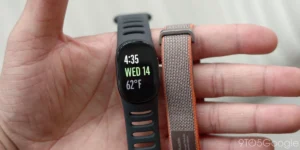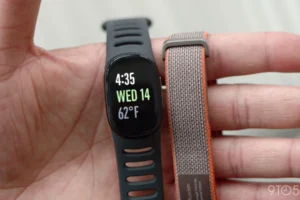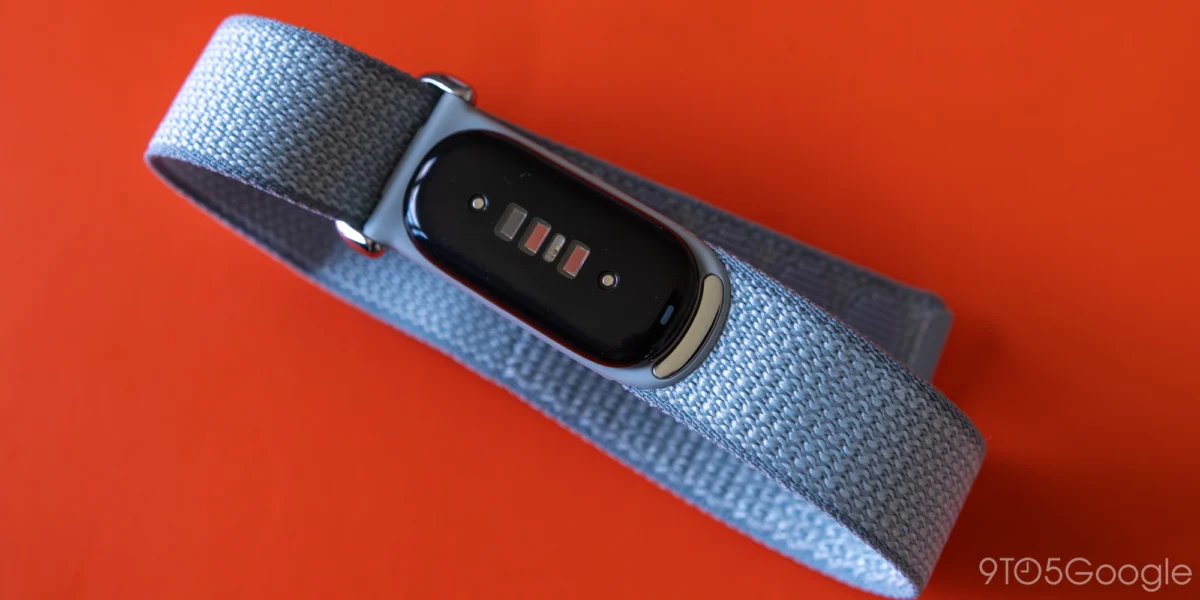
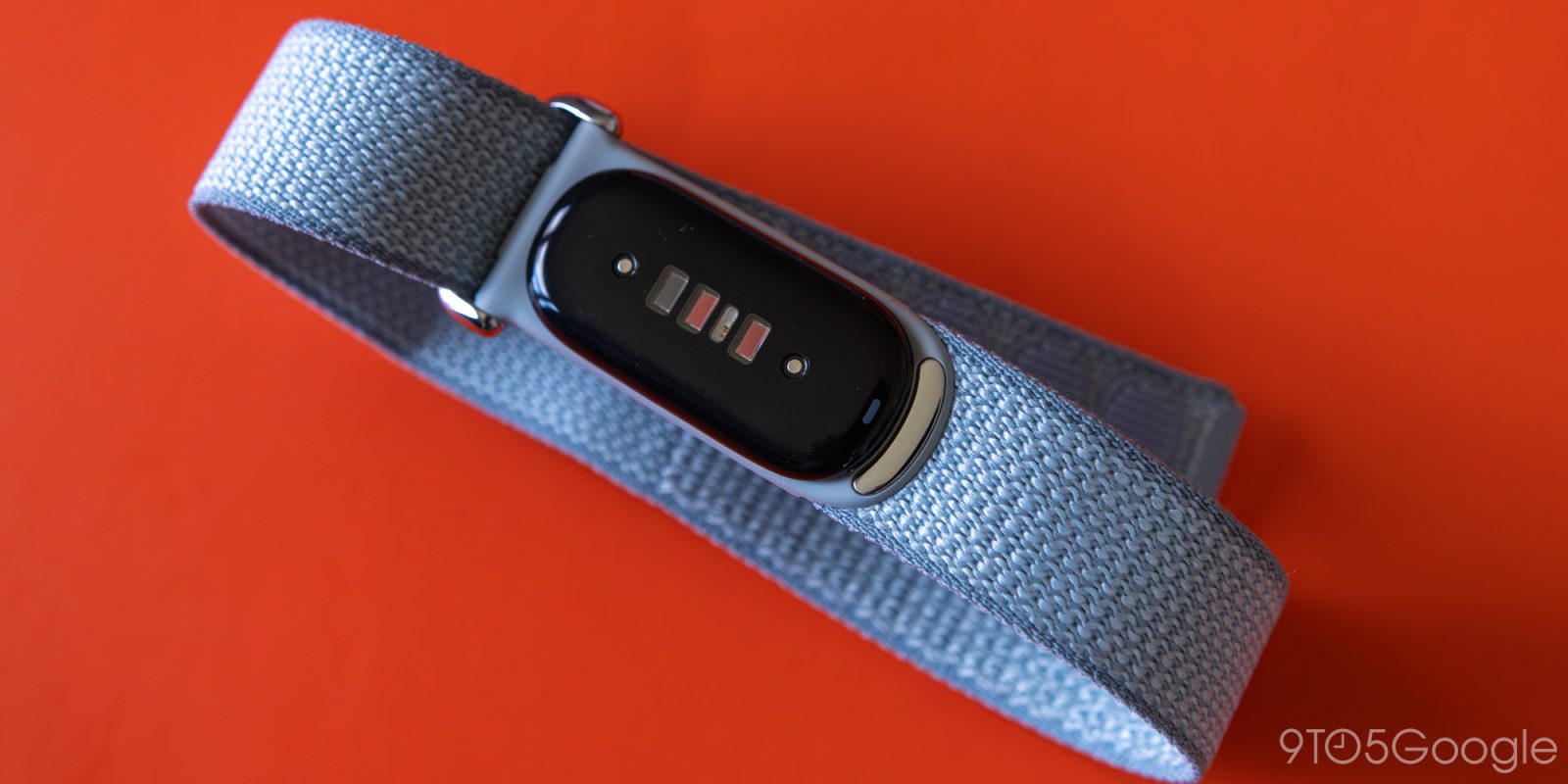
The release of Google Health version 5.11 marks a significant milestone in the ongoing integration of Fitbit’s wearable technology ecosystem with the broader Google Health platform. Rolling out throughout this week, the update introduces substantial enhancements to automatic activity detection, advanced health monitoring tools, and refined sleep analysis algorithms. These features are specifically designed to bolster the utility of the latest hardware, including the Fitbit Air and the Pixel Watch series, as Google continues to push the boundaries of what consumer-grade wearables can offer in terms of actionable health insights.
Enhanced Automatic Activity Detection
At the core of the 5.11 update is a sophisticated overhaul of the "Improved Automatic Activity Tracking" system. Historically, wearable devices have struggled with the nuance of differentiating between high-intensity interval training, casual movement, and static rest. Google’s latest update aims to minimize these discrepancies by refining the sensor fusion algorithms that process heart rate, accelerometer, and GPS data simultaneously.
This feature is immediately available for the Fitbit Air, as well as the Pixel Watch 3, 4, and 5. Furthermore, the upcoming Fitbit Edge, slated for its commercial launch on October 27, will arrive with these capabilities fully integrated out of the box. By streamlining how the device recognizes and categorizes physical exertion, Google is attempting to provide a more frictionless user experience, removing the need for manual session logging that often leads to incomplete data sets for casual users.
The Expansion of Health Guardian Capabilities
Perhaps the most notable addition for power users and those managing chronic health conditions is the introduction of "Health Guardian" features, available exclusively to Google Health Premium subscribers. These features represent a strategic pivot toward proactive, rather than reactive, health management.
Specifically, the update enables the tracking of blood pressure and insulin resistance trends. While consumer wearables have long tracked heart rate and blood oxygen levels, the inclusion of trend analysis for blood pressure and insulin sensitivity marks a sophisticated step forward. These tools are designed to identify long-term patterns, which are often more clinically relevant than isolated, single-point measurements. According to the release notes, users who configure these trackers now can expect their first comprehensive trend report at the beginning of November.
This development aligns with broader industry trends where major technology firms are increasingly partnering with medical researchers to bridge the gap between "wellness trackers" and "clinical diagnostic tools." While these devices remain classified as consumer electronics rather than medical devices, the depth of data provided offers a critical baseline for users to share with their healthcare providers during routine consultations.
Refined Data Visualization and Nomenclature
The 5.11 update also brings a necessary consolidation of terminology within the Google Health application. The term "blood glucose" has been officially rebranded as "Glucose" across the entire interface. While this may seem like a minor cosmetic change, it represents a wider effort by Google to unify its data streams.
Accompanying this nomenclature change are significant updates to the charts and graphs within the application. These visualizations have been re-engineered to be more intuitive, allowing users to better visualize the relationship between their glucose levels, caloric intake, and physical activity. By presenting complex metabolic data in a more digestible format, the update aims to lower the barrier to entry for users who may find health data interpretation overwhelming.
Sleep Tracking and Circadian Analysis
Sleep tracking has become a primary pillar of the Fitbit experience, and version 5.11 addresses previous user feedback regarding the accuracy of wake detection and the difficulty of editing sleep logs. The updated algorithms are designed to provide a more precise timestamp for when a user drifts off and when they wake, utilizing enhanced movement and heart-rate variability (HRV) analysis.
Furthermore, the new "nap editing" functionality acknowledges the reality of modern sleep patterns. Users can now easily adjust or annotate short periods of rest that the device might have misidentified as either light sleep or inactivity, ensuring that the "sleep score" remains accurate over the course of a full 24-hour cycle.
Contextualizing the Google Health Evolution
The timeline for this update follows a busy period of development for Google’s wearable division. Since the acquisition of Fitbit, Google has been steadily migrating legacy Fitbit infrastructure into the Google Health ecosystem. The October 2026 update follows a series of incremental improvements released throughout the summer, which focused on battery optimization and UI stability.
The rapid iteration cycle—with major updates arriving on a near-monthly basis—underscores the competitive nature of the wearable market. With rivals like Apple and Samsung also prioritizing advanced health metrics, such as non-invasive blood pressure and glucose estimation, Google’s move to lock these high-value features behind a Premium subscription serves a dual purpose: it incentivizes long-term platform loyalty while providing the recurring revenue necessary to fund the heavy R&D required for health-tech innovation.
Industry Implications and Market Analysis
The integration of blood pressure and insulin resistance monitoring into a wrist-worn device is, in many ways, the "holy grail" of current wearable technology. While it is crucial to emphasize that these tools are intended for informational purposes and should not replace professional medical diagnosis, the implications are profound.
For the healthcare industry, the availability of longitudinal data sets—collected by patients over weeks or months—could revolutionize the efficiency of primary care. Instead of relying on a single blood pressure reading taken in a potentially stressful clinical environment (the "white coat effect"), physicians may soon have access to a broader, more representative set of data points captured in the patient’s natural environment.
However, this transition is not without challenges. Critics and privacy advocates have raised concerns regarding the handling of sensitive health information. Google has maintained that the data processed through its Health Guardian features is encrypted and kept separate from its advertising profiles, yet the scrutiny remains high. As the company continues to expand its footprint in the medical space, the transparency of its data usage policies will likely be just as important as the accuracy of its sensors.

Deployment and User Availability
The rollout of Google Health 5.11 is currently underway. iOS users were the first to receive access via the App Store, while the Android rollout is occurring in waves to ensure system stability across the fragmented ecosystem of smartphones. For users of the Pixel Watch 3, 4, and 5, as well as the Fitbit Air, the update is being delivered as an over-the-air (OTA) push notification.
For potential customers, the upcoming launch of the Fitbit Edge on October 27 is particularly significant. By shipping with the 5.11 firmware, the Edge will offer the most polished version of the Google Health software to date. It is widely expected that the hardware will feature updated biometric sensors capable of fully utilizing the new Health Guardian analytics, potentially setting a new benchmark for the mid-range wearable market.
Looking Toward the Future
The 5.11 update is not merely a collection of bug fixes; it is a clear indicator of Google’s long-term strategy for the Fitbit brand. By focusing on deep health integration and predictive analytics, Google is positioning its wearables as essential components of personal health management.
Looking ahead, industry analysts anticipate that future iterations of the Google Health platform will move toward predictive health alerts, where the software might proactively warn a user of potential health deviations based on historical data patterns. While such features would require rigorous regulatory approval and further technological maturation, the foundation laid by this week’s update suggests that the roadmap is firmly in place.
As of October 2026, the convergence of hardware, software, and data science within the Google Health ecosystem has reached a new peak. For the average user, these tools offer a newfound level of control over their daily health metrics. For the broader health tech industry, the update serves as a reminder that the integration of wearables into the standard of care is no longer a speculative future, but an active, ongoing development that is reshaping the relationship between technology and personal wellbeing.
As users begin to receive their first reports in November, the effectiveness of these new tools in improving actual health outcomes will be closely monitored by both the tech industry and the medical community. For now, the focus remains on the seamless adoption of these features and the continued stability of the platform as it integrates these complex new capabilities into the daily lives of millions of users globally.