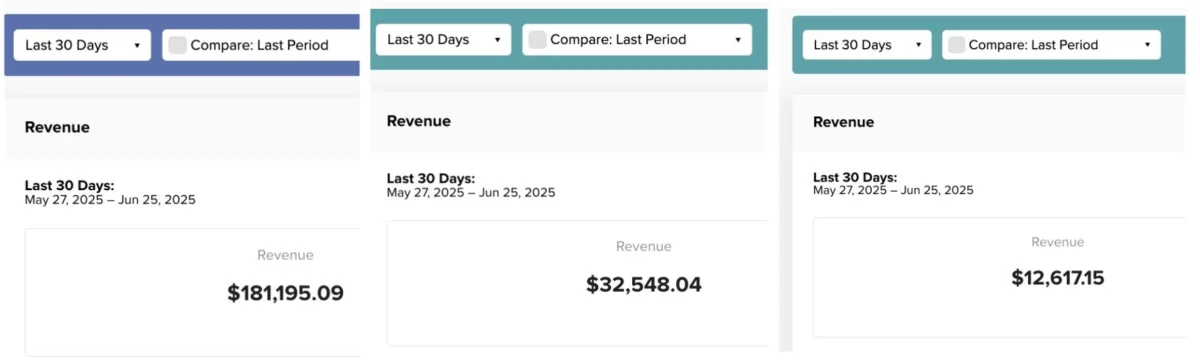
The digital publishing landscape has undergone a profound structural shift over the past several years, driven by continuous algorithmic volatility from major search engines like Google. For decades, traditional search engine optimization (SEO) served as the primary conduit for independent digital publishers seeking to monetize web traffic through display advertising and affiliate marketing. However, recent shifts toward zero-click search results, artificial intelligence-generated summaries, and frequent core algorithm updates have severely eroded organic visibility for independent content creators. Against this backdrop of declining reliance on conventional search traffic, veteran digital publisher Jon Dykstra has detailed a resilient multi-platform monetization blueprint that generates in excess of $100,000 in monthly net profit across a portfolio of three distinct content domains.
The Genesis of the Non-SEO Publishing Model
The blueprint developed by Dykstra is the culmination of more than 18 months of intensive market testing, tracking, and refinement. Having spent over a decade building niche websites reliant on traditional search traffic, Dykstra faced the same vulnerability that plagued thousands of independent web publishers when organic traffic fluctuations threatened baseline revenue streams. Recognizing that over-reliance on a single traffic acquisition channel posed an existential risk to digital publishing businesses, he pivoted away from traditional SEO dependency in late 2023.
The resulting strategy relies on a diversified traffic acquisition framework—primarily utilizing visual and social discovery engines like Pinterest alongside automated social media engagement tools—coupled with aggressive email list building and high-yield monetization platforms. Rather than competing for top positions on crowded search engine results pages, the model focuses on capturing audience attention at the point of discovery and cultivating direct, owned channels of communication through email newsletters.
The Mechanics of the Content Empire

At the core of the multi-domain revenue model is a commitment to creating authoritative, high-value resources within specific consumer niches. Abandoning the high-volume, low-quality publishing strategies historically associated with content farms, the approach prioritizes depth and utility. The objective is to establish each property as the definitive resource for consumer queries within its respective vertical, fostering user retention and repeat visits.
However, recognizing that attracting visitors is only the initial phase of the publishing lifecycle, the operational framework places heavy emphasis on conversion optimization. Industry data consistently indicates that a vast majority of first-time website visitors depart without returning unless actively engaged. To mitigate audience attrition, Dykstra’s operational model mandates the immediate deployment of robust email capture mechanisms upon launching any new property.
Utilizing modern email service providers such as Kit (formerly ConvertKit), publishers are encouraged to deploy multiple lead magnets, content upgrades, and subscription prompts across every article. This structural focus transforms transient web traffic into a permanent, owned subscriber base. From an operational perspective, building an email list acts as an insurance policy against third-party algorithmic changes, ensuring that the publisher maintains a direct line of communication with their audience regardless of shifts in social media policies or search engine indexing rules.
Diversified Monetization: Beyond Traditional Display Ads
The financial viability of the multi-domain network rests upon a diversified revenue stack that blends passive display advertising with affiliate marketing and newsletter sponsorship programs.
Display advertising serves as the foundational revenue layer. By partnering with premium ad management networks such as Mediavine, publishers with sufficient page-view volumes can monetize passive eyeballs effectively. Once traffic thresholds are met, automated display ads generate consistent daily revenue without requiring ongoing manual intervention.
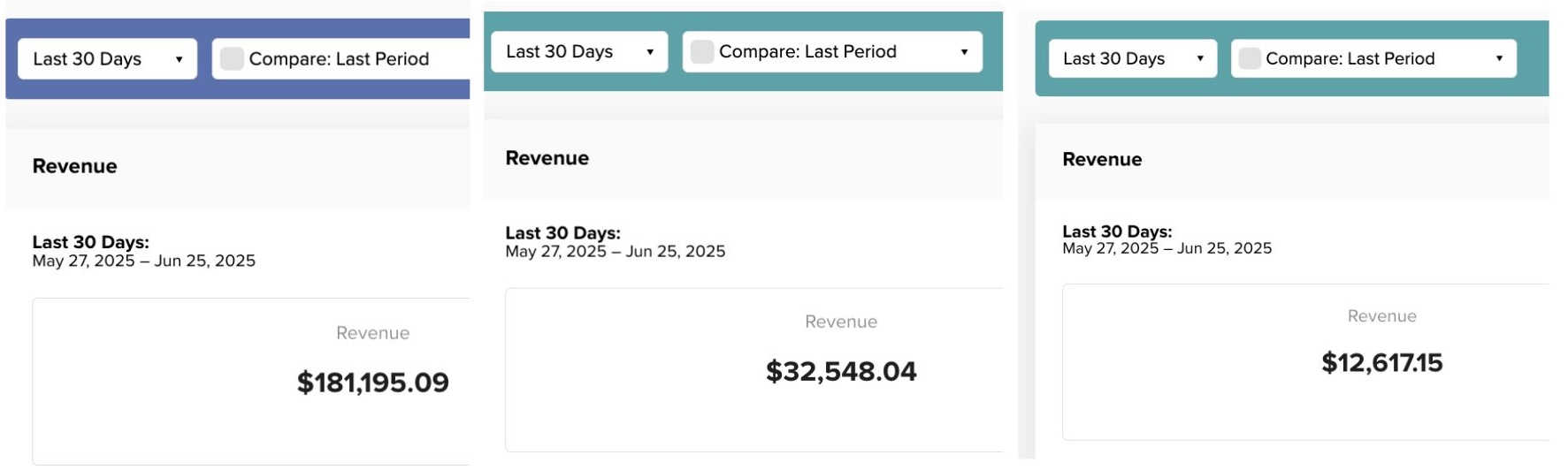
To maximize earnings per visitor beyond standard display inventory, the model incorporates advanced affiliate marketing frameworks. Rather than managing fragmented relationships with dozens of individual merchants, the strategy leverages sitewide affiliate platforms like Stay22. These intelligent affiliate tools automatically analyze user intent and optimize link placement to route traffic to the highest-converting retail partners, thereby maximizing commission yields across the entire domain portfolio without increasing friction for the reader.
Furthermore, the email newsletter functions as an independent profit center rather than merely a communication channel. By implementing monetization frameworks popularized by industry leaders like Scott DeLong, publishers can integrate sponsored placements, direct product offerings, and automated referral monetization networks such as SparkLoop into their daily dispatches. This creates a multi-layered revenue flywheel where subscribers continually cycle back through the ecosystem, interacting with ads, affiliate links, and secondary subscription offers at every touchpoint.
Traffic Acquisition and Automated Social Growth
To feed the revenue flywheel, the publishing system utilizes a deliberate mix of visual search engine optimization and automated social media funneling.
Pinterest is leveraged as a primary traffic source due to its unique position as a visual search engine characterized by high consumer purchase intent. Utilizing specialized analytics and scheduling tools such as PinClicks, publishers identify commercial search trends and distribute targeted visual assets that direct high-intent buyers back to the primary web properties.
Simultaneously, the model harnesses automated conversational tools like ManyChat across platforms such as Instagram, Facebook, and Threads. By automating direct message interactions triggered by user comments, publishers can scale subscriber acquisition efficiently. When a user engages with social content, automated workflows deliver immediate value while capturing email addresses, functioning essentially as a 24-hour digital sales team.

The Flywheel Effect and Business Implications
The structural advantage of this six-figure monthly model lies in its compounding network effect. Traffic arrives from decentralized sources—primarily Pinterest and social platforms—and lands on content-rich web pages. Visitors generate immediate revenue through display ads and affiliate link clicks while simultaneously being funneled into the proprietary email database. Daily newsletter broadcasts drive readers back to the web properties, generating secondary waves of ad impressions and affiliate conversions, while SparkLoop integrations cross-promote additional newsletters to monetize list growth further.
Concurrently, automated social media acquisition channels continuously inject new prospective readers into the top of the funnel. This self-reinforcing cycle insulates the business from single-point-of-failure vulnerabilities, such as sudden search engine penalties or platform policy shifts.
Industry Analysis and Broader Market Context
The success of multi-channel publishing models like the one detailed by Dykstra highlights a broader evolution within the digital media industry. As traditional search-driven publishing faces margin compression due to rising competition and technological shifts, independent creators are increasingly treating digital properties as comprehensive media brands rather than mere SEO-dependent blogs.
Market analysts note that diversification—specifically the shift toward owned media assets like email lists and direct-to-consumer funnels—represents the most viable path forward for independent publishers seeking long-term financial stability. By decoupling revenue generation from search engine whims, creators can build resilient digital assets capable of sustaining six-figure monthly incomes while maintaining operational independence.