The economic landscape of seasonal event planning has shifted significantly as inflationary pressures impact consumer spending on convenience foods. With the price of a standard bag of fun-size candy ranging between $5 and $10—a commodity that often disappears within minutes at social gatherings—host households are increasingly seeking alternatives that offer greater yield and nutritional substance. By leveraging pantry staples, dollar-store baking supplies, and bulk-purchase strategies, it is possible to curate an entire menu of Halloween-themed refreshments for the same cost as a single bag of mass-produced confectionery. This report analyzes 17 cost-effective recipes, the strategic procurement of ingredients, and the broader implications of shifting toward home-prepared seasonal entertaining.
The Economics of Seasonal Consumption
Market analysts have noted that "fun-size" candy products often represent some of the highest price-per-ounce ratios in the grocery sector. When hosts rely solely on pre-packaged treats for party sustenance, they are essentially paying a premium for marketing and convenience. Transitioning to homemade treats—such as snack mixes, baked goods, and creative savory items—allows for a significant increase in the volume of food provided to guests while maintaining a strict budget.
A strategic approach to this transition involves a dual-pronged methodology: utilizing versatile ingredients that can be repurposed across multiple recipes, and timing purchases to capitalize on end-of-season clearance cycles. Data suggests that households that plan their menus around shared base ingredients, such as chocolate melting wafers, pretzels, and cereal squares, can reduce their overall expenditure by approximately 30% compared to those who purchase specialized, pre-made items.
Categorizing Value-Driven Halloween Fare
Savory and Substantial Offerings
For hosts looking to provide more than just sugar, savory options provide essential balance. The "Mummy Hot Dog"—comprising hot dogs wrapped in crescent dough—remains a staple of low-cost, high-impact catering. At an estimated cost of $6 to $9 for a batch of eight, these items serve as a viable alternative to more expensive catering or delivery services. Similarly, "Mini Mummy Pizzas," using English muffin halves and string cheese, serve to address the common "takeout tax" issue, where convenience-driven last-minute ordering significantly inflates party budgets.
The Versatility of Snack Mixes
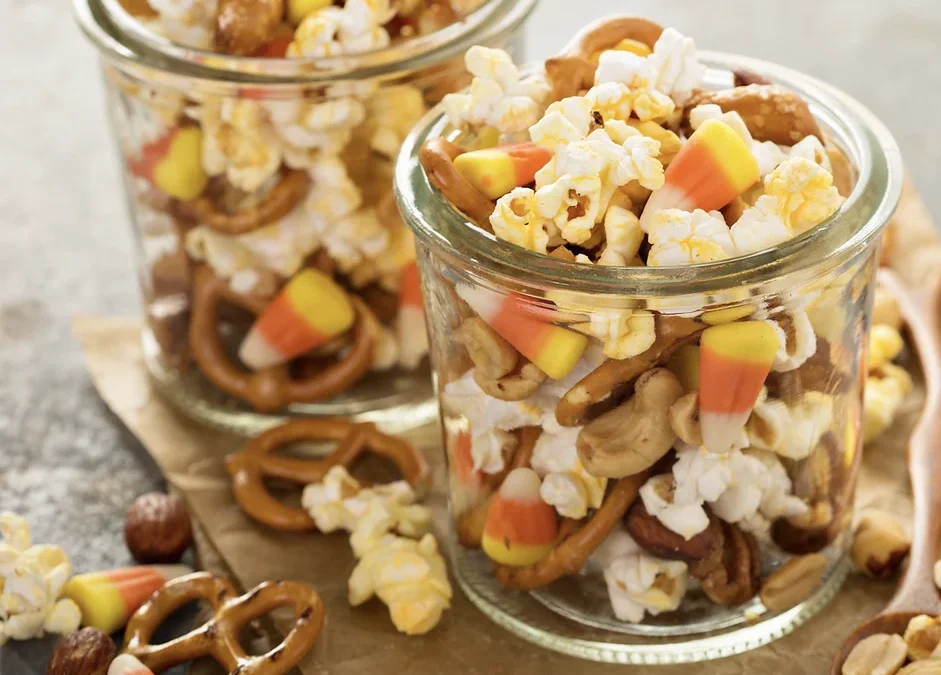
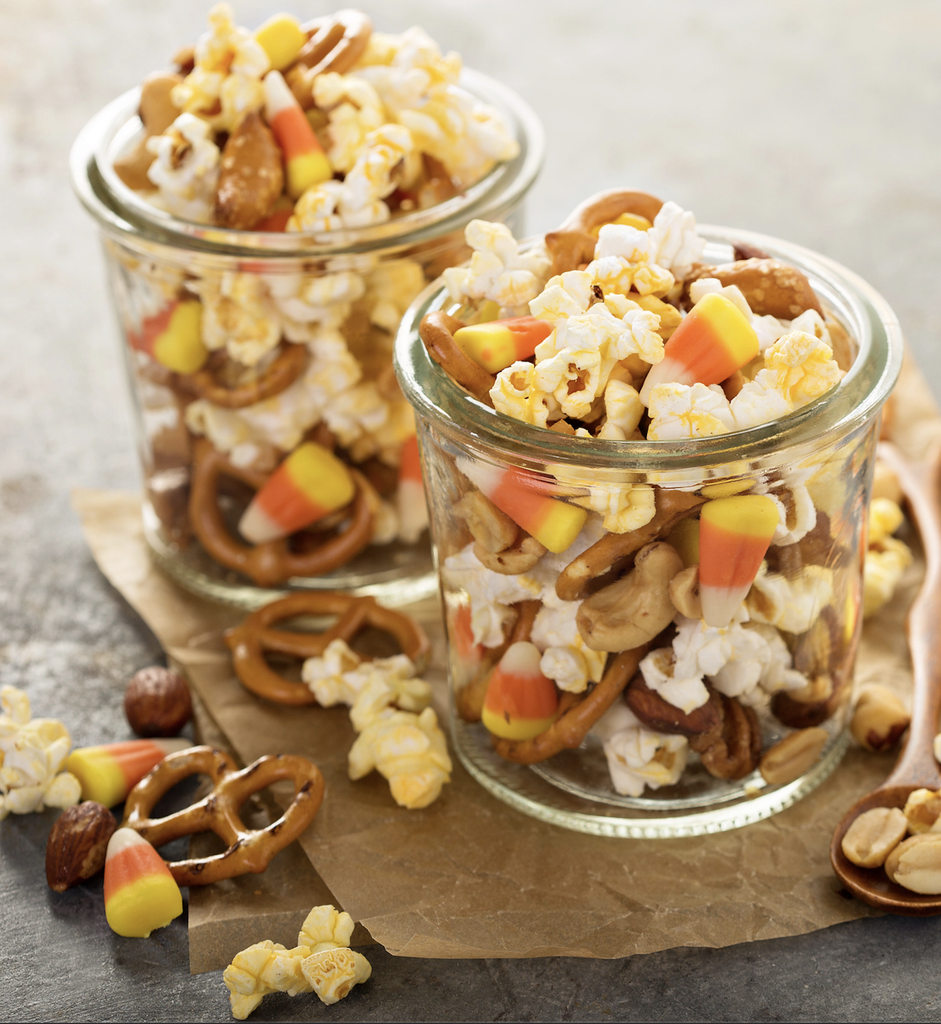
Snack mixes, such as "Candy Corn Trail Mix" and "Monster Munch," represent the pinnacle of cost-efficiency. By combining shelf-stable pantry items like popcorn, pretzels, peanuts, and cereal squares with smaller portions of seasonal candy, hosts can generate large quantities of food for under $10. These items are particularly effective for crowd management, as they can be pre-portioned to prevent excessive consumption and minimize waste.
Confectionery and Creative Baking
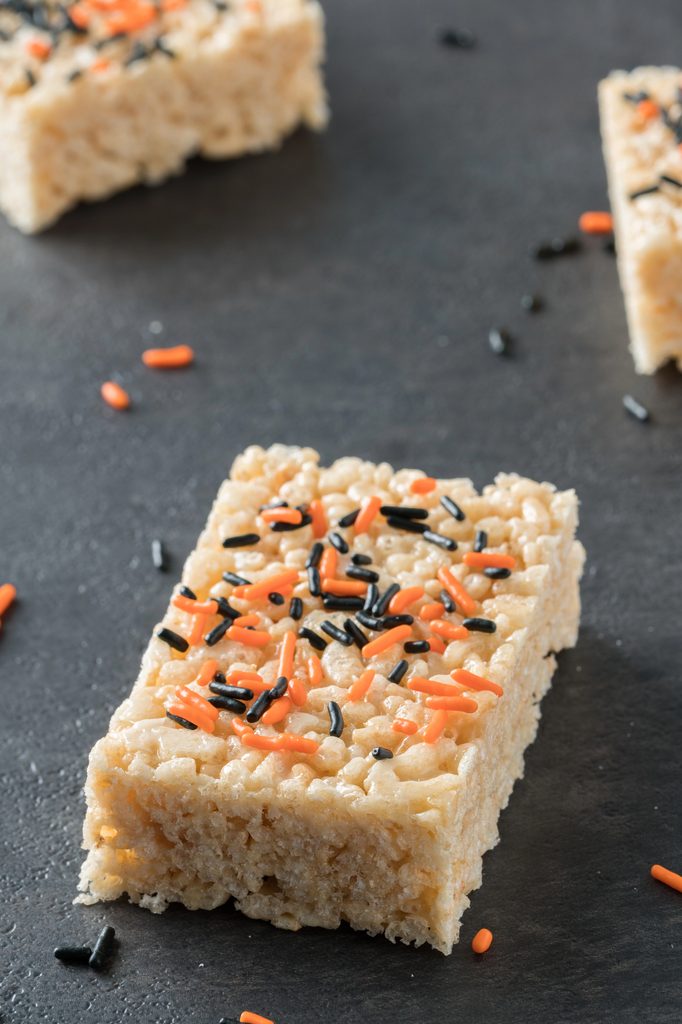
The list of budget-friendly items also includes "Spiderweb Chocolate Bark," "Monster Crispy Rice Treats," and "Crispy Rice Pumpkins." These items rely on the manipulation of basic ingredients like marshmallow, butter, and cereal. By using food coloring to alter the appearance of standard, inexpensive goods, hosts can achieve a high aesthetic value—often referred to as the "presentation premium"—without the associated costs of artisanal or pre-decorated bakery products.
Chronology of Preparation and Efficiency
Effective party planning requires a structured timeline to ensure food quality and cost minimization.
- Two Weeks Prior: Audit pantry for staples (flour, sugar, oil, salt). Purchase non-perishable bulk items like chocolate chips and pretzels.
- One Week Prior: Identify seasonal specialty items (candy eyeballs, themed sprinkles). Purchasing these in larger, non-seasonal packaging often yields a lower unit cost than buying small individual containers.
- 24 Hours Prior: Execute the baking of "Pumpkin Patch Brownies" and the assembly of dry snack mixes.
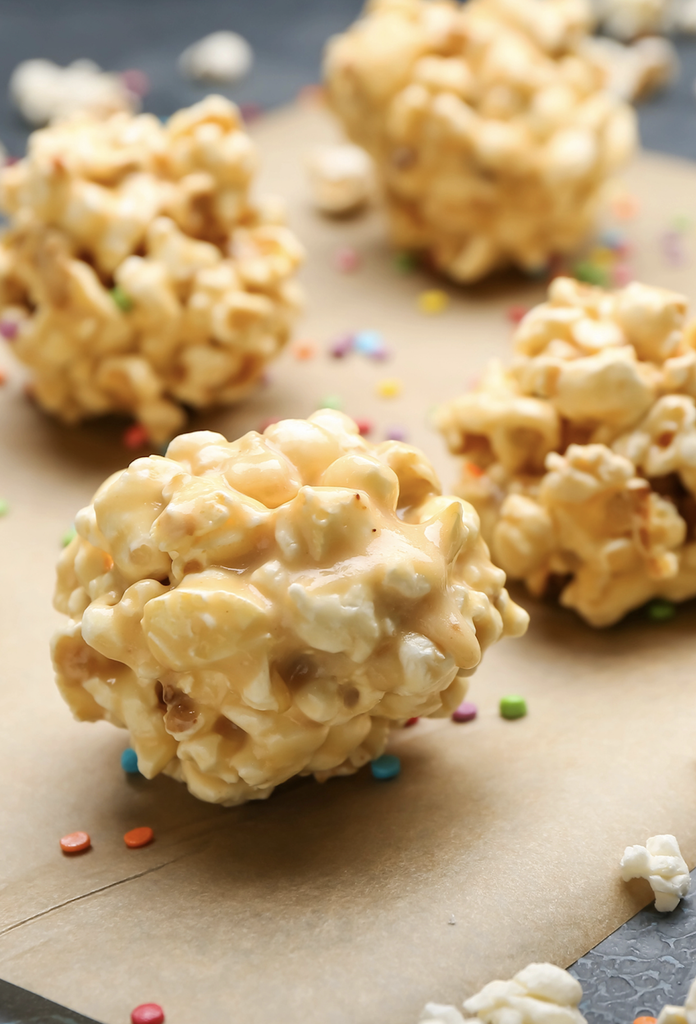
- Day of Event: Assemble fresh items like "Witches’ Brew Punch" or "Mummy Pizzas." Preparing these items shortly before guest arrival prevents issues like popcorn staleness or the premature dissolution of foam in beverages.
The "Honest Entry" Warning: Evaluating Failure Rates
Not every DIY project is inherently a bargain. The "Caramel Apple" serves as an important case study in food waste and economic inefficiency. While the ingredients themselves appear inexpensive, the high rate of culinary failure—due to caramel sliding off waxy store-bought apple skins—often results in the need for duplicate purchases. In professional food cost analysis, this is classified as a "hidden cost of labor and waste." Hosts are advised to pivot to simpler variations, such as sliced apple rounds with a caramel drizzle, to maximize yield and mitigate the risk of loss.
Broader Impact: The "Takeout Tax" and Household Savings
The shift toward DIY party hosting is indicative of a broader trend in consumer behavior known as the mitigation of the "takeout tax." By replacing a single pizza delivery or a store-bought dessert tray with homemade alternatives, households can retain significant capital that would otherwise be lost to service fees, delivery premiums, and inflated retail markups.
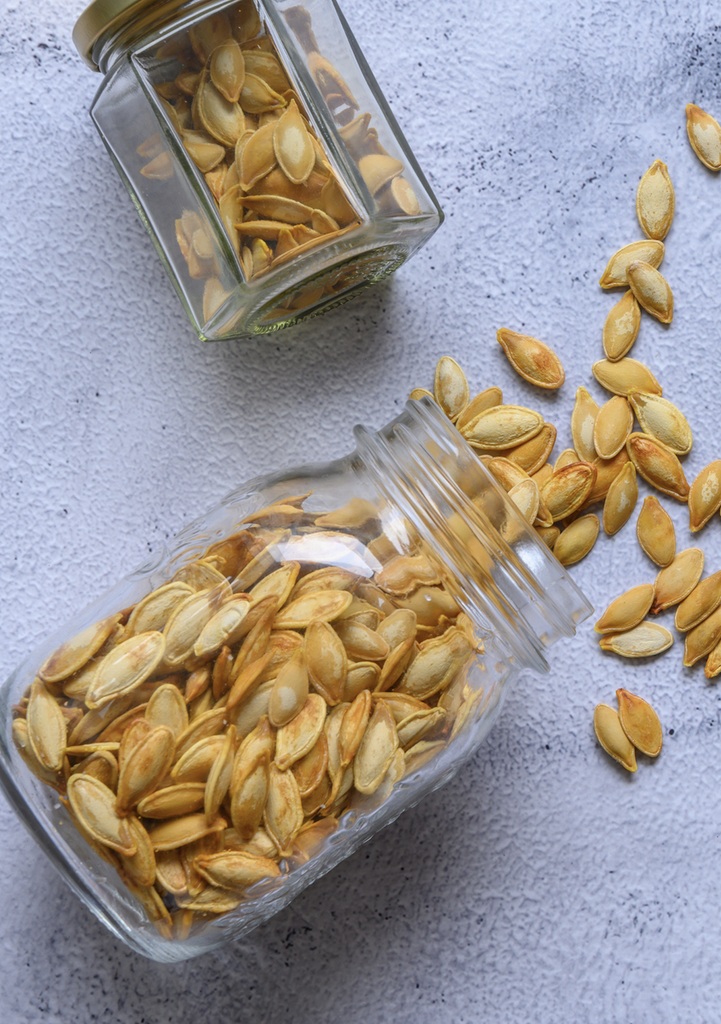
Furthermore, the practice of repurposing leftovers—such as roasting pumpkin seeds from carved jack-o’-lanterns or utilizing post-Halloween candy clearance sales—aligns with broader sustainability efforts. According to food waste research, the average household loses a significant portion of its grocery budget to perishable items that are discarded before consumption. Techniques such as freezing leftover pumpkin puree or storing candy in airtight containers until the following season reflect a move toward "frugal asset management."
Expert Perspectives on Household Economics
Financial experts and home economists frequently emphasize that the traditions families value most are rarely those with the highest price tags. The time invested in creating "Monster Crispy Rice Treats" or "Witches’ Brew Punch" creates a shared social experience that transcends the monetary value of the ingredients.
Statements from consumer advocacy groups suggest that while inflation has made holiday hosting more challenging, the psychological benefit of hosting gatherings remains a priority for many families. By focusing on low-cost, high-engagement activities, hosts can maintain social connectivity without compromising their long-term financial stability.
Strategic Procurement and Long-Term Savings
To successfully navigate the costs associated with seasonal events, hosts should consider the following professional strategies:
- Bulk Procurement: Purchase universal ingredients (sugar, flour, butter) in bulk at warehouse clubs.
- Ingredient Standardization: Use a core set of ingredients that can be cross-utilized. For example, candy melting wafers can be used for spiderwebs, dipping pretzel rods, or drizzling over popcorn.
- Seasonal Clearance Timing: The most significant savings occur in the 48-hour window immediately following the holiday. Purchasing high-quality baking supplies and decorations at 50–70% off provides a surplus that can be stored for future use.
- Avoidance of Over-Processing: As evidenced by the "Monster Munch" recipe, store-brand cereals often perform identically to name-brand options when coated in chocolate and peanut butter. Choosing generic labels is a fundamental rule of cost-effective menu planning.
Conclusion: The Future of Budget-Conscious Entertaining
As the costs of prepared party foods continue to fluctuate, the reliance on basic, adaptable ingredients will remain a cornerstone of household financial health. The 17 recipes outlined here serve as a framework for a more deliberate approach to entertaining. By shifting the focus from expensive, pre-packaged goods to creative, homemade alternatives, hosts can provide a superior experience for their guests while simultaneously reinforcing positive financial habits. This approach not only addresses the immediate needs of a Halloween celebration but also establishes a sustainable model for all future social gatherings, proving that the most memorable events are often those where innovation, rather than expenditure, is the primary ingredient.