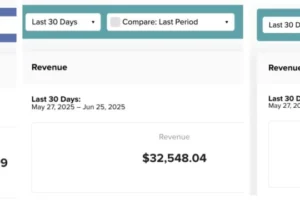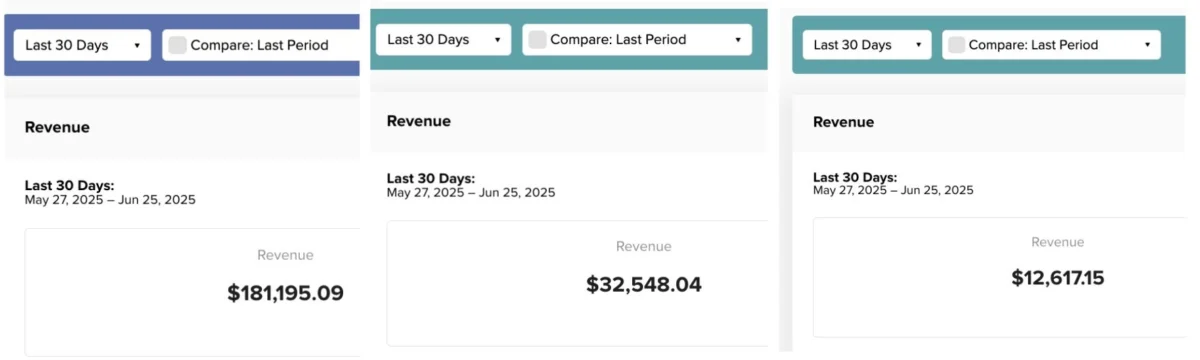
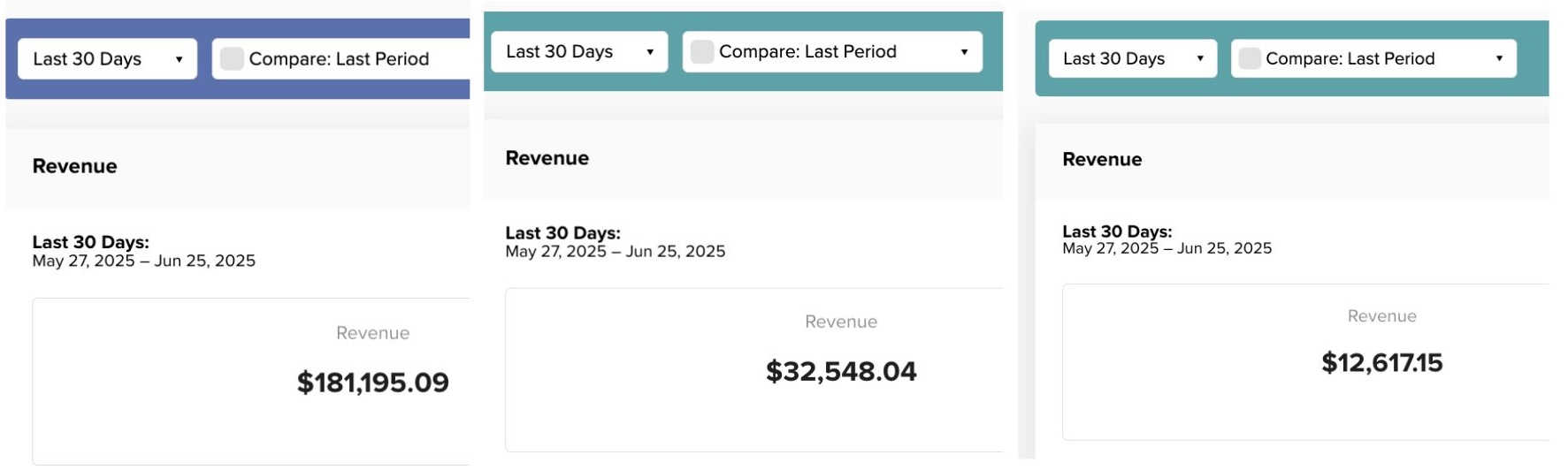
The modern landscape of digital publishing has undergone a profound transformation over the past several years, driven largely by algorithm updates and shifting consumer behaviors. For over a decade, search engine optimization (SEO) served as the primary lifeblood for independent content creators, niche site operators, and digital publishers. However, the volatility of organic search algorithms has forced a structural pivot within the industry. Veteran digital publisher Jon Dykstra has detailed a resilient publishing framework that circumvents traditional SEO dependency, establishing a diversified model that currently yields over $100,000 in monthly net profit across a portfolio of three distinct web domains.
The evolution of this strategy represents an 18-month period of empirical testing, structural refinement, and technological integration. Rather than depending on a single traffic source prone to algorithmic fluctuations, this methodology relies on an integrated ecosystem combining high-value content, automated social media acquisition, rigorous email marketing, and diversified monetization channels.
The Shift Away from Traditional SEO Dependence
Historically, niche site operators relied almost exclusively on Google organic search to drive visitors to affiliate and ad-supported web pages. While this model historically generated lucrative returns, frequent core algorithm updates have introduced significant revenue instability for many single-channel publishers.
Dykstra’s operational framework addresses this vulnerability by treating search engine traffic as an ancillary benefit rather than a foundational requirement. Over an 18-month development cycle, the publisher tested alternative acquisition vectors—specifically leveraging social media automation, Pinterest search intent, and owned email lists—to create a self-sustaining traffic loop.

This pivot reflects a broader industry trend. As major search engines increasingly integrate artificial intelligence-generated summaries and keep users within their native interfaces, publishers are pivoting toward direct-to-consumer communication channels, most notably email newsletters and community-driven platforms.
Step 1: Establishing Authority and Content Depth
The foundation of the multi-domain framework begins with content creation. In an era saturated with low-effort, automated articles, the publishing model prioritizes comprehensive, highly targeted resources designed to achieve high user retention and bookmarking rates.
Rather than chasing high-volume, low-intent keywords, the strategy focuses on solving specific consumer problems within specialized niches. This approach builds immediate brand trust and encourages repeat visits, laying the groundwork for subsequent monetization phases. The content stack is engineered to serve as a definitive resource, establishing domain authority through utility rather than backlink acquisition.
Step 2: Capturing and Retaining Audience Data
A critical failure point for many digital publishers is the inability to retain incoming traffic. Industry estimates suggest that up to 95 percent of unique website visitors depart without taking action, effectively wasting the acquisition effort.
To mitigate this loss, the framework mandates the immediate implementation of email capture mechanisms upon launching a property. Utilizing robust email service providers such as Kit (formerly ConvertKit), publishers deploy lead magnets, content upgrades, and subscription forms across every published article.
Industry analysts emphasize that owned media—specifically email subscriber lists—provides an essential hedge against platform volatility. Social media platforms can alter visibility rules or suspend accounts without warning, and search engines can depress rankings overnight. An email list, by contrast, remains a direct communication channel under the publisher’s absolute control.
Step 3: Multi-Layered Monetization Architecture
Maximizing the financial yield of every site visitor requires a diversified monetization strategy that extends far beyond traditional display advertising.
- Display Advertising: Upon meeting traffic thresholds, premium programmatic ad networks such as Mediavine are integrated into the properties. This generates steady, passive revenue based purely on page views.
- Comprehensive Affiliate Marketing: Rather than managing fragmented, individual affiliate relationships, the model utilizes sitewide platforms like Stay22. These tools dynamically optimize affiliate links to secure the highest possible commission payouts across diverse retail categories without requiring manual link maintenance.
- Newsletter Monetization: Email newsletters function as standalone profit centers. By integrating monetization platforms like SparkLoop alongside strategic sponsorships and direct-response offers, publishers convert daily subscriber engagement into consistent revenue streams.
Step 4: Automated Social Media Acquisition Channels
Driving consistent traffic to newly launched domains requires active, multi-channel distribution. The framework incorporates platforms with high commercial intent, such as Pinterest, which functions less like a conventional social network and more like a visual search engine for consumer goods and services.
Furthermore, advanced automation tools like Manychat are deployed across platforms including Instagram and Threads. By utilizing automated direct-messaging sequences triggered by user comments, publishers can scale subscriber acquisition efficiently. When a user interacts with a social post, automated workflows guide them naturally toward the email subscription funnel, creating a continuous acquisition loop operating 24 hours a day.
The Flywheel Effect and Business Implications
When integrated, these individual components form a self-reinforcing digital flywheel:

- Organic and social traffic arrives at the website.
- Visitors generate ad revenue through page views and commissions via affiliate links.
- A percentage of visitors convert into email subscribers.
- Daily newsletters deliver ongoing value while introducing new commercial offers and cross-subscribing readers to related networks via SparkLoop.
- Subscribers return to the website, generating additional ad impressions and affiliate conversions.
- Automated social media marketing continuously funnels new users into the top of the funnel.
The financial implications of this multi-domain architecture are significant. By spreading operations across three primary properties, publishers insulate themselves against single-point-of-failure risks. Furthermore, the network effect multiplies the revenue potential, as cross-promotion between properties reduces overall customer acquisition costs.
Industry Outlook and Future Scaling
The success of six-figure monthly models highlights a maturing digital publishing sector. As user acquisition costs rise on traditional paid ad networks and organic search becomes more competitive, publishers who successfully build owned ecosystems are uniquely positioned for long-term viability.
Industry observers note that while the upfront technical complexity of establishing automated funnels, email sequences, and multi-platform distribution channels exceeds that of legacy blogging models, the resulting stability and profit margins offer a sustainable path forward for independent creators. For publishers willing to invest the time in system architecture over algorithmic compliance, the modern digital economy continues to offer substantial pathways to financial independence.