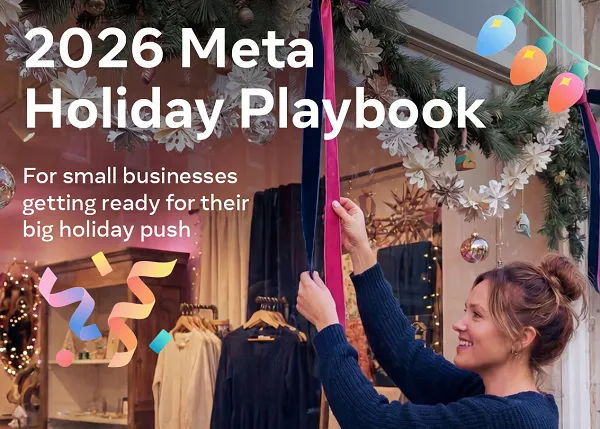
As the retail landscape evolves and brands prepare for the critical fourth-quarter shopping season, Meta has officially unveiled a comprehensive suite of holiday planning guides designed to optimize marketing strategies across its family of apps. Released through the company’s Festive Season Insights Center, the newly published playbooks arrive as digital advertisers face mounting pressure to maximize return on ad spend (ROAS) amidst shifting consumer behaviors, rising ad costs, and the rapid integration of artificial intelligence into everyday commerce.
Meta’s latest rollout includes specialized resources tailored for a wide spectrum of advertisers, ranging from small-to-medium-sized businesses (SMBs) taking their first steps into digital holiday campaigns to advanced, enterprise-level brands managing complex, multi-channel product catalogs. By offering targeted playbooks covering AI integration, agency collaboration, and creative storytelling, Meta aims to position its platforms as indispensable hubs for product discovery, consumer engagement, and transactional conversion during the most lucrative period of the retail calendar.
Navigating the Q4 Landscape: Background and Strategic Context
The release of Meta’s 2026 holiday planning resources comes at a pivotal time for the global digital advertising industry. Historically, the fourth quarter—encompassing major shopping holidays such as Black Friday, Cyber Monday, Green Monday, and the broader Christmas and New Year festive period—accounts for a disproportionate share of annual retail revenue. In recent years, however, the traditional holiday shopping window has expanded significantly. Consumers now begin their research and gift-planning journeys as early as late summer, blurring the lines between seasonal peaks and year-round e-commerce trends.
Compounding this shift is the accelerating reliance on mobile devices for holiday inspiration. Meta’s platforms, including Facebook, Instagram, and WhatsApp, have long served as primary digital storefronts where modern consumers discover new products through algorithmic feeds, influencer content, and peer recommendations. Recognizing this, Meta’s strategic push for 2026 emphasizes the transition from passive browsing to active, intent-driven shopping. The company’s newly published materials are strategically engineered to help advertisers capitalize on these behavioral patterns by leveraging advanced machine learning tools, automated ad delivery systems, and streamlined checkout pathways.
Breakdown of the 2026 Holiday Playbooks
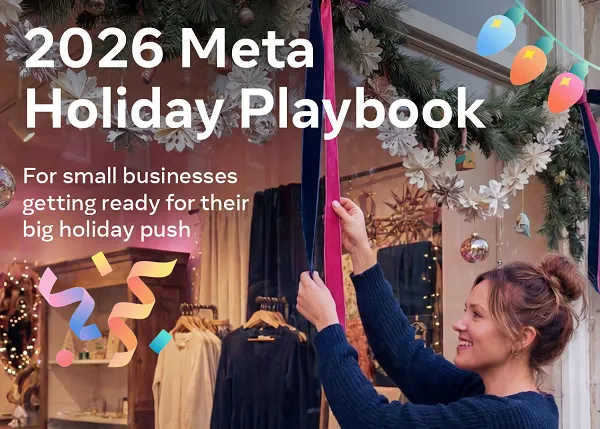
Meta’s newly updated Festive Season Insights Center houses several distinct guides, each meticulously structured to address the unique challenges and opportunities faced by different segments of the advertising ecosystem.
1. The Small and Medium-Sized Business (SMB) Toolkit
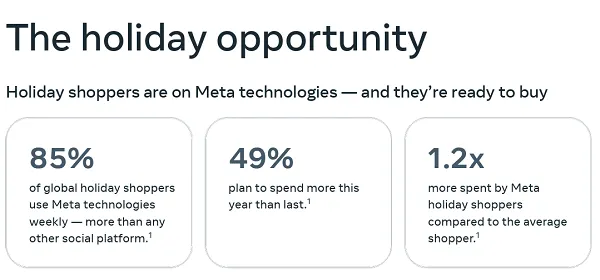
For smaller enterprises with limited marketing budgets and lean teams, navigating the holiday rush can be daunting. To bridge this gap, Meta has introduced a dedicated SMB-focused guide loaded with empirical data, consumer research statistics, and practical frameworks. This playbook dives deep into how everyday shoppers utilize social media applications for gift research, price comparison, and brand engagement.
Crucially, the SMB guide features an actionable holiday checklist designed to guide business owners step-by-step through the preparation phase. From setting up foundational ad pixels and refining audience targeting parameters to scheduling creative refreshes, the checklist serves as a roadmap for maximizing Q4 conversion opportunities. Furthermore, the playbook offers tactical ad creation pointers, helping smaller brands produce thumb-stopping visual content without requiring enterprise-level production budgets.
2. Advanced Advertisers and Enterprise Frameworks
For larger brands, agencies, and advanced digital marketers managing extensive product inventories, Meta has published a separate, highly technical playbook. This document provides granular data on advanced shopping behaviors across Meta’s ecosystem, shedding light on cross-device attribution, long-tail consumer journeys, and high-intent audience segments.
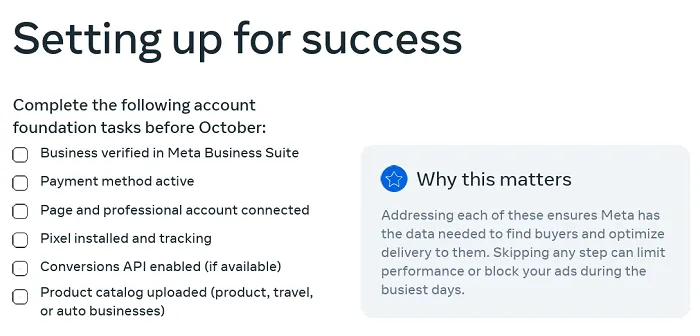
The advanced guide shifts focus toward ad setup priorities and structural optimization. It includes a comprehensive checklist for product catalog optimization, ensuring that dynamic ads pull accurate pricing, stock availability, and high-resolution imagery. By streamlining the technical backend of ad delivery, Meta seeks to minimize friction in the consumer purchase funnel, thereby reducing cart abandonment rates and lowering customer acquisition costs (CAC) during peak traffic days.
3. Specialized Guides: AI, Agencies, and Creative Strategy
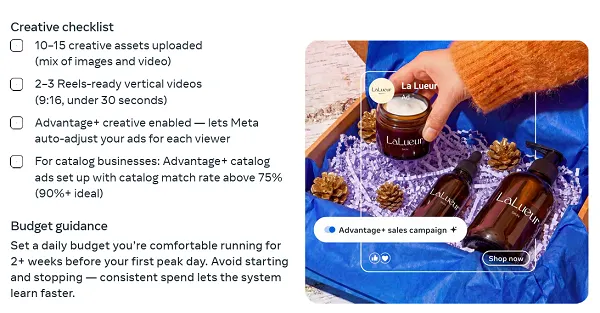
Rounding out the 2026 collection are specialized overviews focusing on artificial intelligence, agency partnerships, and creative execution. As generative AI transforms the marketing landscape, Meta’s AI-focused guide offers clarity on how brands can leverage machine learning tools—such as Advantage+ shopping campaigns and automated creative variations—to scale their holiday output efficiently.
Meanwhile, the agency guide facilitates smoother collaboration between corporate marketing teams and external agency partners, establishing best practices for campaign governance, budgeting, and performance tracking. The creative explainer breaks down the psychology of holiday consumerism, detailing the types of video and static formats that resonate most strongly during festive periods.
Industry Implications and Expert Analysis
The release of Meta’s 2026 holiday playbooks underscores a broader industry trend: the increasing democratization of sophisticated advertising tools through automation and artificial intelligence. By packaging enterprise-grade insights into accessible, checklist-driven formats, Meta is empowering businesses of all sizes to compete on a more level playing field.
Digital marketing analysts note that these resources arrive at a crucial juncture for brand strategy. With consumer confidence fluctuating and privacy regulations continuing to reshape traditional tracking mechanisms, first-party data utilization and platform-native optimization have never been more critical. Meta’s emphasis on automated solutions—such as Advantage+ campaigns—reflects the tech giant’s ongoing transition toward hands-off, algorithm-driven campaign management, where success is increasingly determined by the quality of the creative assets and product catalog data provided by the advertiser.
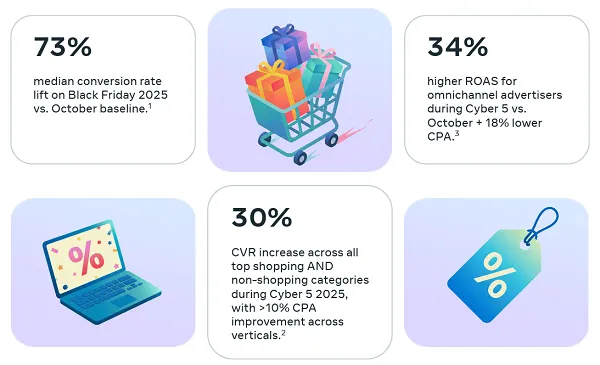
Industry observers suggest that brands adopting these playbooks early stand to gain a distinct competitive advantage. By aligning their Q4 strategies with Meta’s recommended best practices ahead of the peak shopping rush, marketers can ensure their campaigns are fully optimized before the cost-per-click (CPC) rates surge in November and December.
Looking Ahead: Implementation and Next Steps
As brands transition from third-quarter brand awareness campaigns to fourth-quarter conversion pushes, Meta encourages marketers to thoroughly review the updated assets housed within its Festive Season Insights Center. The platform plans to supplement these written guides with ongoing webinars, case studies, and localized data updates as the holiday season approaches.
For digital marketers, agencies, and business owners alike, the message is clear: early planning, creative diversification, and strategic utilization of automated tools will be the defining factors of Q4 success in 2026. Meta’s latest suite of holiday playbooks provides the necessary roadmap to navigate this complex terrain, transforming seasonal challenges into measurable growth opportunities.