
In the fast-paced ecosystem of digital marketing, the line between a high-converting campaign and an expensive failure often rests on technical precision. For social media managers and advertising specialists navigating the Meta ecosystem, uploading an incorrectly sized image or a low-resolution video is a frequent, albeit costly, operational hazard. While these missteps are understandable errors in high-volume production environments, algorithms and consumer behavior are unforgiving; distorted assets or blurry video creatives frequently translate into diminished engagement, depressed click-through rates, and ultimately, a poor return on ad spend (ROAS).

The operational challenge is compounded by the frequency with which social media platforms alter their display guidelines, aspect ratios, and file size limits. Meta—the parent company of Facebook, Instagram, and Messenger—regularly updates its user interface parameters and ad inventory architectures to adapt to evolving mobile devices, hardware resolutions, and user consumption habits. Consequently, maintaining a centralized, up-to-date repository of ad specifications has become an essential competency for corporate marketing departments and independent agencies alike. This comprehensive overview details the exact dimensions, file formats, and structural best practices required for deploying optimized Facebook advertising campaigns.
The Strategic Importance of Platform Compliance
Adhering to native design specifications is not merely a matter of aesthetic neatness; it directly influences algorithmic delivery and audience retention. When an advertisement conforms precisely to the native dimensions of a specific placement—whether it is an in-feed unit, a story, or a Marketplace listing—it integrates seamlessly into the user experience. This reduction in friction prevents visual fatigue, lowers bounce rates, and maximizes the allocated screen real estate. Furthermore, major social ad networks often penalize or restrict creatives that fail to meet minimum resolution thresholds, effectively reducing campaign reach before the bidding process even begins.
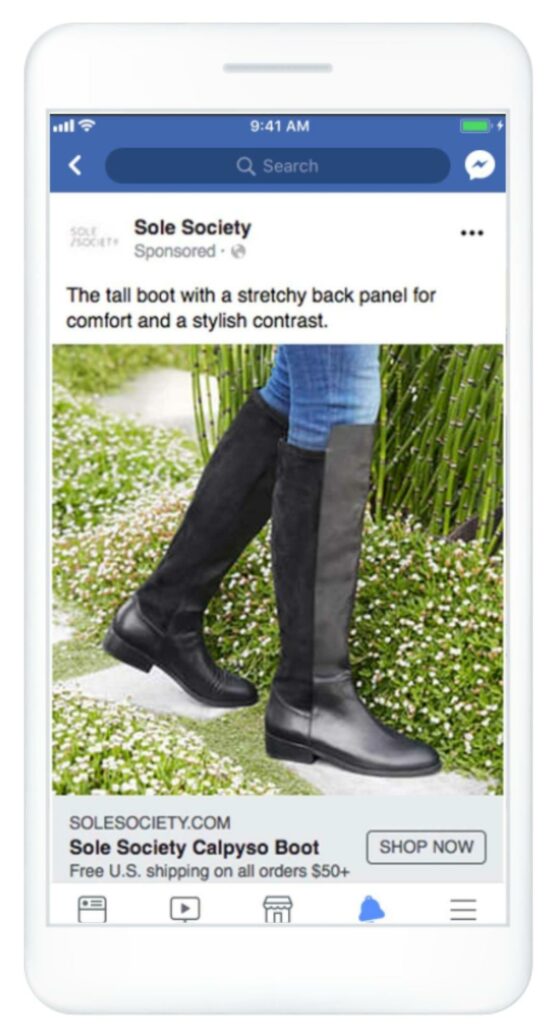
Industry analysts note that as digital ad spend continues to shift predominantly toward mobile-first environments, vertical and square formats have largely superseded traditional horizontal desktop layouts. Advertisers must therefore build out multi-format creative strategies, designing assets that can scale dynamically across varied placements without losing critical branding or textual information.
Core Facebook In-Feed Ad Specifications
In-feed advertisements represent the foundational bedrock of Facebook advertising. Interspersed organically between status updates, shared media, and group notifications from family and friends, these ads rely heavily on contextual relevance and visual disruption to capture user attention within a crowded news feed. In-feed units support static images, dynamic carousels, animated GIFs, and standard video files.
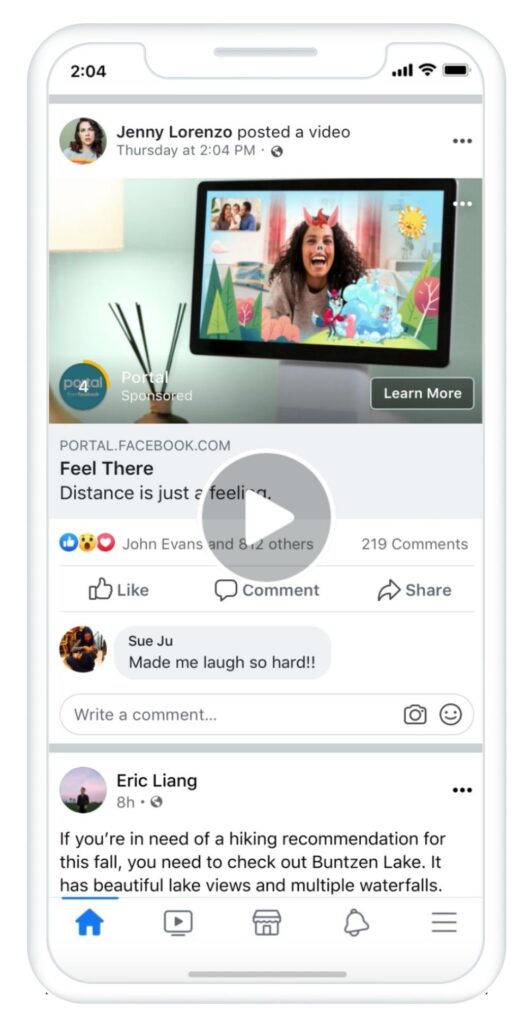
For static image campaigns, Meta recommends utilizing the highest resolution available while adhering to a strict aspect ratio window.
- Supported File Types: JPG, PNG
- Maximum File Size: 30 MB
- Minimum Resolution: 600 x 600 pixels
- Recommended Resolution: At least 1080 x 1080 pixels (no upper limit, allowing for ultra-high-definition uploads)
- Aspect Ratio: Ranging from 1.91:1 to 1:1
- Text Recommendations: Primary text optimized at 125 characters; headlines restricted to 27 characters; descriptions capped at 27 characters.
For video-based in-feed placements, technical constraints widen to accommodate richer multimedia storytelling.

- Supported File Types: MP4, MOV, GIF
- Maximum File Size: 4 GB
- Minimum Resolution: 120 x 120 pixels
- Recommended Resolution: At least 1080 x 1080 pixels
- Aspect Ratios: 1:1 (compatible with desktop and mobile) or 4:5 (optimized strictly for mobile devices)
- Duration: Ranging from a minimum of 1 second to a maximum of 241 minutes.
In-Stream Video Ad Parameters
Designed specifically to capture high-intent prospects, Facebook in-stream video ads target users while they consume publisher or creator video content. Because these ads interrupt active viewing sessions, they boast high engagement rates, making them exceptionally effective for brand awareness and direct-response traffic generation. In-stream ads are delivered exclusively to mobile users and function either as single video placements or through carousel formats embedded within Facebook Live streams after a user has maintained viewership for at least 60 seconds.
- Video Specifications: MP4, MOV, or GIF formats with a maximum file size of 4 GB. Recommended resolutions must meet or exceed 1080 x 1080 pixels, maintaining a 16:9 or 1:1 aspect ratio. Durations range between 5 seconds and 10 minutes.
- Associated Image Assets: When utilizing companion imagery or static lead-ins, files must be supplied in JPG or PNG format, capped at 30 MB, with a minimum resolution of 600 x 600 pixels and a recommended resolution of 1080 x 1080 pixels. Text overlays on source images are strongly discouraged by platform guidelines to preserve clean rendering.
Carousel and Collection Ad Formats for E-Commerce
For direct-to-consumer brands and enterprise e-commerce retailers, multi-asset units such as carousel and collection ads offer superior storytelling capabilities. Carousel ads allow advertisers to showcase between two and ten scrollable cards—comprising images, videos, or a hybrid of both—with each card linking to a distinct landing page URL. This format is ideal for breaking down complex product features or displaying diverse product catalogs within a single ad unit.

Collection ads, conversely, are engineered explicitly for mobile-first shopping experiences. They feature a primary hero video or large image paired with a grid of three smaller product images. Upon user interaction, the ad launches a full-screen "Instant Experience" landing page natively within the app, allowing consumers to browse and purchase inventory without experiencing loading-time friction.
- Carousel Design Parameters: Maximum file sizes are set at 30 MB for images and 4 GB for videos. Minimum dimensions begin at 600 x 600 pixels for images and 120 x 120 pixels for video assets, all standardized to a 1:1 aspect ratio at a minimum resolution of 1080 x 1080 pixels. Text limits require primary text under 125 characters, headlines under 32 characters, and descriptions under 18 characters, with mandatory landing page URLs.
- Collection Specifications: Governed by identical technical ceilings regarding file weights (30 MB images, 4 GB video) and a mandatory 1:1 aspect ratio at 1080 x 1080 pixels, collection units require the integration of a Facebook Instant Experience landing page architecture to facilitate in-app transactions.
Specialized Placements: Stories, Marketplace, and Audience Network
Beyond the standard news feed, Meta offers a diverse array of specialized placements designed to intercept users across different functional areas of the application ecosystem.

Facebook and Messenger Stories utilize full-screen, vertical 9:16 canvases that expire after 24 hours. Because platform interface elements—such as user profile icons, reply bars, and swipe-up CTAs—occupy the extreme top and bottom of the display area, advertisers are advised to maintain a strict "safe zone" of approximately 14% (roughly 250 pixels) free of critical text, logos, or visual hooks at both margins. Supported video lengths span from 1 second to 241 minutes for Facebook Stories, whereas Messenger Stories restrict video files to a maximum duration of 2 minutes.
Facebook Marketplace ads mirror standard in-feed dimensions (1:1 square ratios at 1080 x 1080 pixels) but allow businesses to target consumers actively searching for local goods, real estate, automotive listings, and retail merchandise.

Finally, the Facebook Audience Network extends ad campaigns beyond the proprietary walls of Meta’s applications, deploying native, banner, and interstitial units across vetted third-party mobile applications and external websites. This placement requires careful category exclusion management via Facebook Business Manager to ensure brand safety, alongside adherence to native aspect ratios (such as 9:16 for vertical units and 1:1 or 4:5 for video placements).
Optimizing Ad Placement and Strategic ROI
Selecting the appropriate placement matrix is the final step in campaign architecture. Media buyers must weigh their primary conversion objectives against platform capabilities. While single images and videos remain universally compatible across feeds, stories, and instant articles, specialized formats like collection units and carousels require precise alignment with mobile consumer journeys. By meticulously auditing creative assets against current Meta specifications, marketing teams can safeguard their campaign budgets, enhance user engagement, and drive sustainable growth across digital channels.