The digital landscape has evolved significantly over the past two decades, transforming the personal blog from a simple online diary into a sophisticated vehicle for professional branding, intellectual authority, and sustainable income generation. In 2024, the act of establishing a personal web domain represents a strategic move toward digital autonomy, allowing creators to circumvent the algorithmic volatility of social media platforms while curating a repository of intellectual property that they own entirely.

The Strategic Value of Personal Domain Ownership
While social media platforms like Instagram, X, and LinkedIn offer immediate audience access, they operate under "rented land" models. The discontinuation of features such as Facebook Notes in 2020 served as a stark reminder to content creators that their digital assets are subject to the unilateral decisions of corporate entities. By contrast, a self-hosted personal blog provides full control over data, design, and content distribution. Industry analysts note that individuals who maintain a professional blog often report higher rates of career advancement, as the site functions as a dynamic, searchable portfolio that demonstrates expertise and consistency to potential employers and collaborators.

The Six-Phase Implementation Framework
Building a professional-grade blog requires a disciplined, multi-stage approach that balances technical setup with content strategy.

1. Defining the Niche and Market Viability
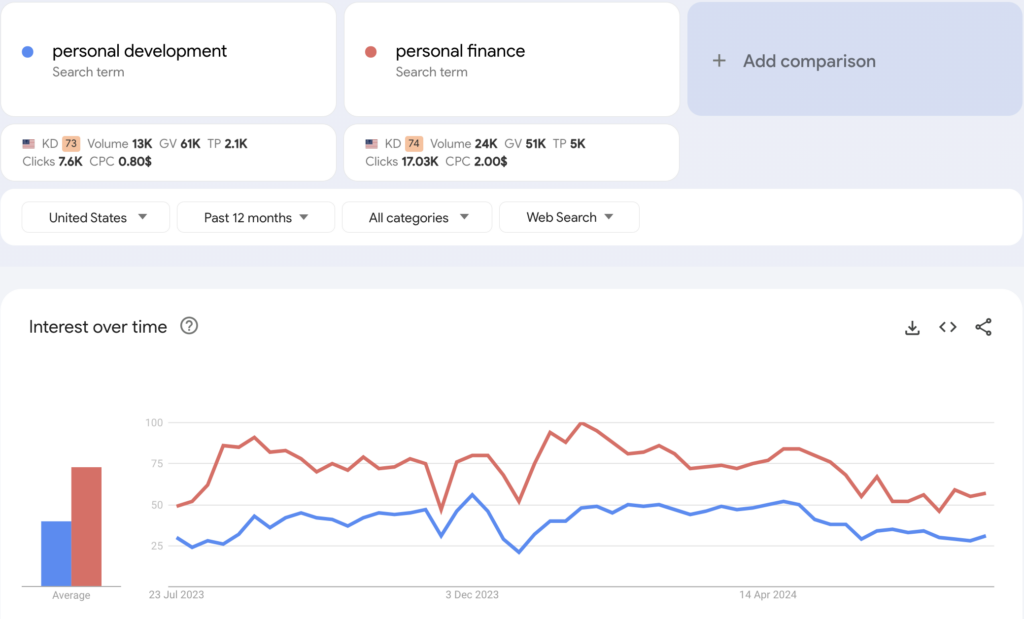
Successful blogging is rarely the result of random topics; it is the product of strategic niche selection. Data from search behavior analytics, including Google Trends and SEMrush, indicate that the most successful blogs operate at the intersection of three factors: personal passion, demonstrable expertise, and market demand. Prospective bloggers are advised to conduct a "competitive gap analysis" before launching, identifying what established authorities are missing and how a unique perspective might fill that void.
2. Technical Foundation and Hosting
The choice of hosting infrastructure is the most critical technical decision a blogger will make. Stability, load speed, and uptime are foundational to SEO rankings. While there are numerous platforms, the industry standard remains self-hosted WordPress due to its modularity and vast ecosystem of plugins. Securing a domain name—the digital equivalent of a physical address—should be done with longevity in mind. Experts suggest avoiding overly restrictive names that limit future scaling, opting instead for brandable identifiers that can evolve alongside the creator’s professional interests.

3. Architecture and User Experience Design
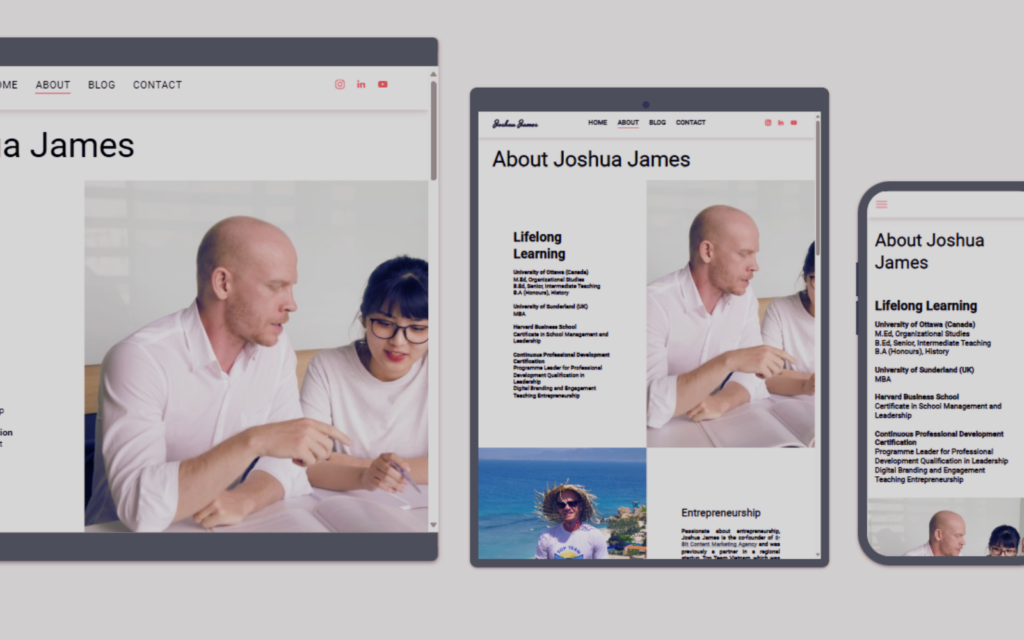
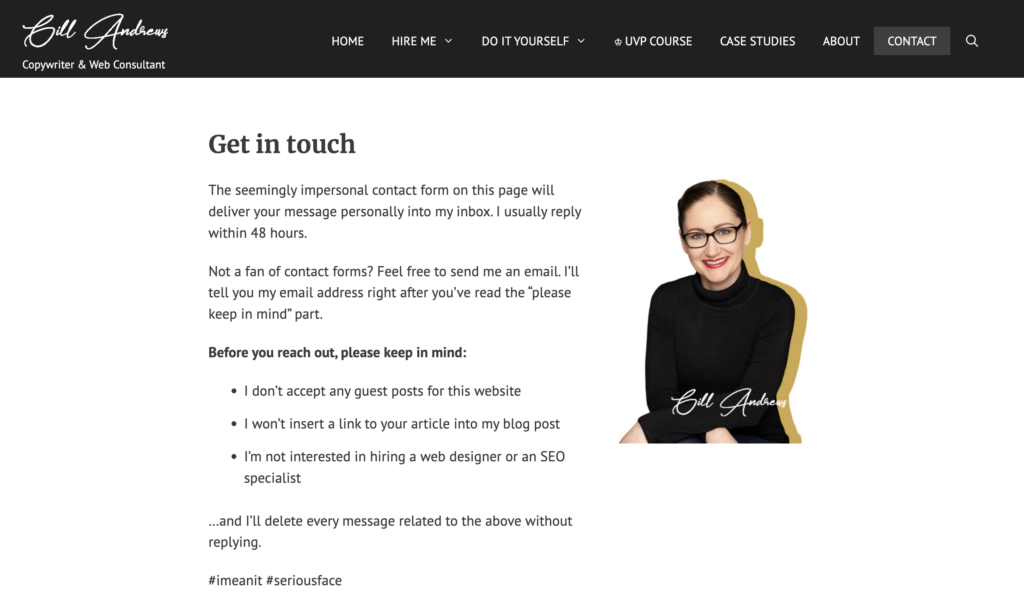
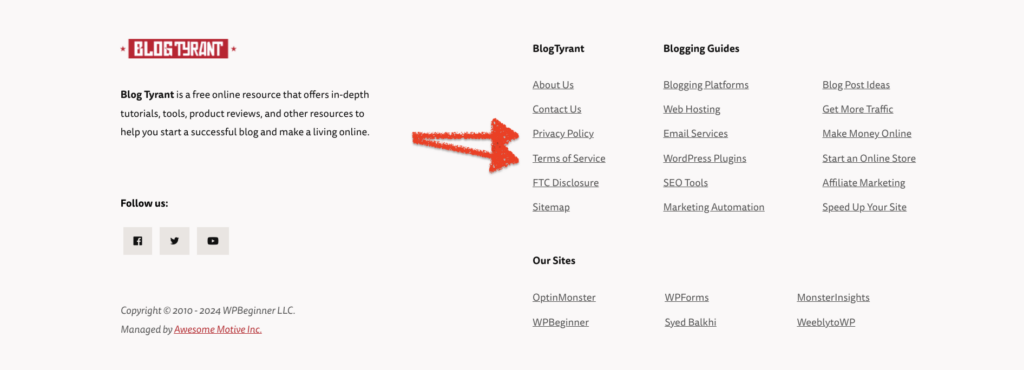
Modern web standards dictate that a blog must be responsive, ensuring seamless interaction across desktop, tablet, and mobile devices. Statistics from 2023 suggest that mobile traffic accounts for over 55% of global web usage, meaning a mobile-first design approach is no longer optional. Essential pages, including an "About" page that humanizes the brand, a clearly defined "Contact" page, and mandatory legal disclosures such as Privacy Policies and Terms of Service, form the backbone of a trustworthy and compliant digital presence.

4. Content Strategy and Editorial Discipline
The "quality over quantity" mantra is supported by current search engine algorithms, which increasingly prioritize "Experience, Expertise, Authoritativeness, and Trustworthiness" (E-E-A-T). A consistent editorial calendar is vital. Whether posting weekly or bi-weekly, the goal is to maintain a predictable rhythm that encourages returning traffic. High-performing content typically features short, punchy paragraphs, descriptive headings for skimming, and visual aids like infographics that simplify complex concepts.
5. Monetization Pathways
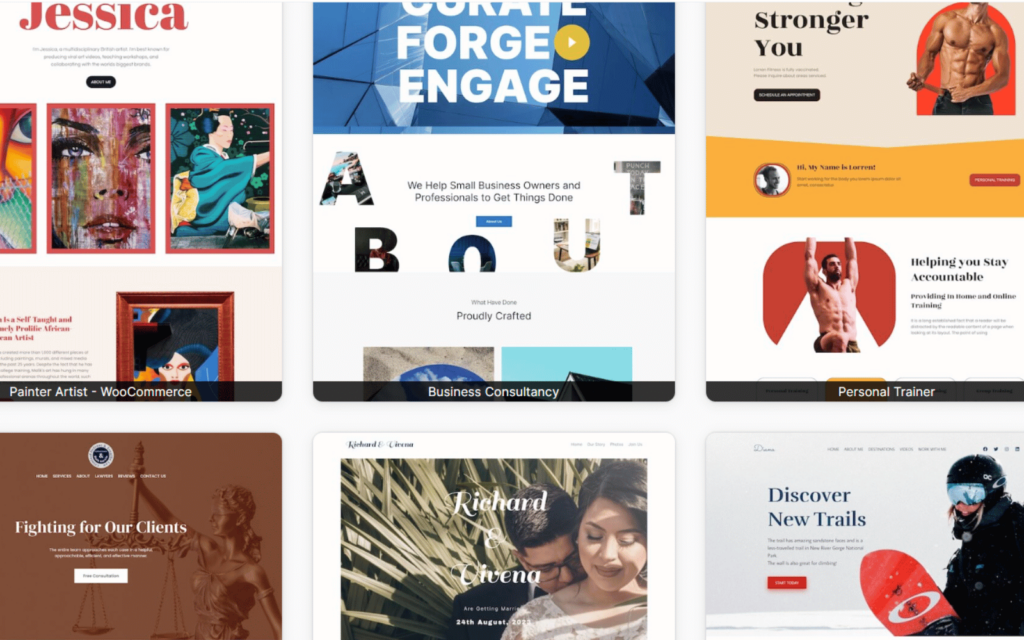
Monetization typically falls into two categories: direct and indirect. Direct monetization includes affiliate marketing, where bloggers earn commissions through product referrals, and the sale of digital products like e-books or online courses. Indirect monetization occurs when the blog acts as a funnel for consulting services or professional speaking engagements. The most successful models often utilize a hybrid approach, ensuring the blog remains a diversified revenue stream rather than relying on a single source of income.
6. Maintenance and Performance Optimization
A website is never truly "finished." Post-launch, the focus shifts to site speed optimization, regular software updates, and the refinement of SEO meta-data. Utilizing tools like Google Analytics allows creators to track user behavior, helping them identify which content resonates most effectively with their audience.
Market Trends and the Role of Artificial Intelligence
The integration of Artificial Intelligence (AI) into the content creation process has sparked debate regarding the future of blogging. While tools like ChatGPT and Claude can assist with outlining and research, they lack the lived experience and nuanced perspective that define successful personal brands. Market analysts predict that as AI-generated content saturates the web, the premium on human-centric, authentic writing will actually increase. The most effective bloggers in the coming years will be those who use AI as an administrative force-multiplier while reserving the creative and analytical heavy lifting for themselves.
Case Studies in Digital Longevity
Industry leaders provide a roadmap for sustainability. Entrepreneurs like Syed Balkhi have demonstrated how a blog can serve as the foundation for multi-million dollar software ecosystems, while niche experts like Pete Adeney (Mr. Money Mustache) have leveraged a highly specific, value-driven blog to influence financial literacy on a global scale. These examples underscore a universal truth: a successful blog is not merely a collection of articles, but a community-building tool that provides consistent, measurable value to a target audience.
Implications for the Digital Future
As the internet continues to fragment, the importance of "owned media" will likely grow. The transition from social media dependence to platform ownership represents a maturation of the digital economy. For the individual, starting a personal blog is an investment in long-term digital capital. It is a process that requires patience, technical due diligence, and a commitment to high-quality information dissemination.

In summary, the transition from an aspiring writer to a successful blogger is a trajectory defined by strategic planning, technical competence, and a persistent focus on audience needs. While the tools of the trade—from drag-and-drop site builders to AI-driven SEO research—have lowered the barrier to entry, the fundamental requirements for success remain unchanged: provide unique, reliable, and engaging content that stands the test of time. As the digital landscape shifts, those who have invested in their own platforms will be best positioned to adapt, monetize, and lead within their chosen fields.