The contemporary digital landscape is governed by an invisible and ceaseless architecture: the social media algorithm. With global citizens spending an average of 141 minutes per day on social platforms, the sheer volume of generated content far exceeds human processing capability. Consequently, platforms no longer rely on simple chronological timelines. Instead, they deploy sophisticated collections of rules, ranking signals, and machine learning calculations to determine content priority, personalization, and display order for every individual user. As social media adoption spans diverse demographics—ranging from 84% usage among U.S. adults on YouTube to 37% on platforms like TikTok—understanding these underlying mechanisms has become essential for content creators, enterprise marketing teams, and everyday users alike.

The Core Mechanics of Algorithmic Filtering
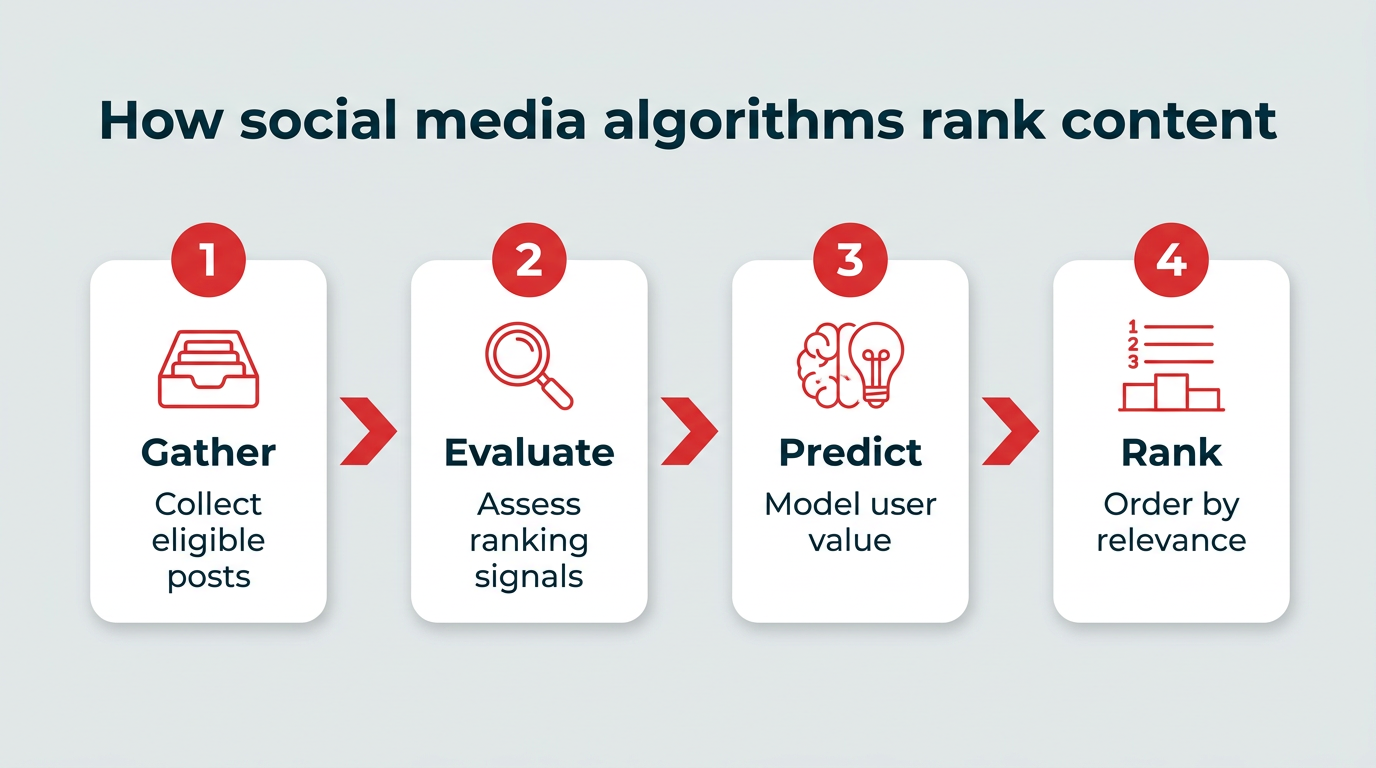
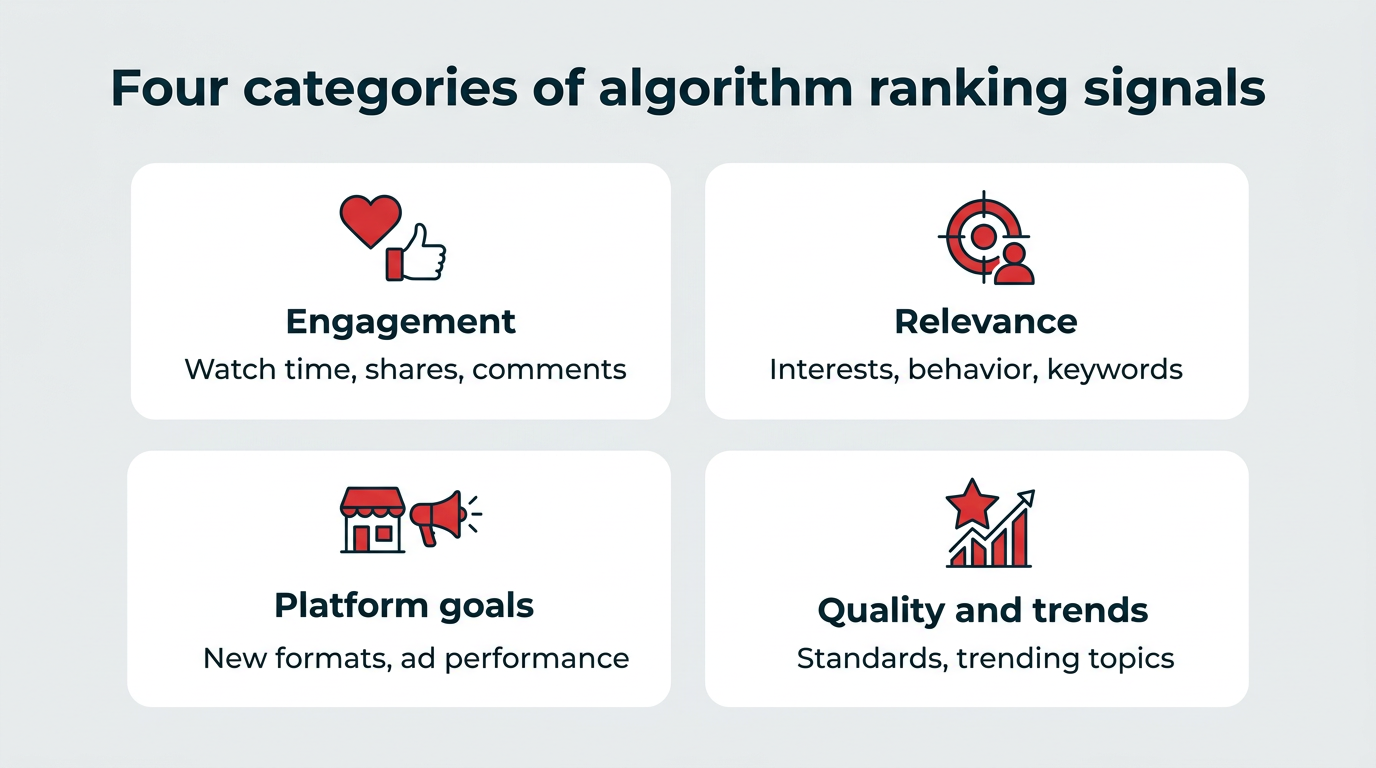
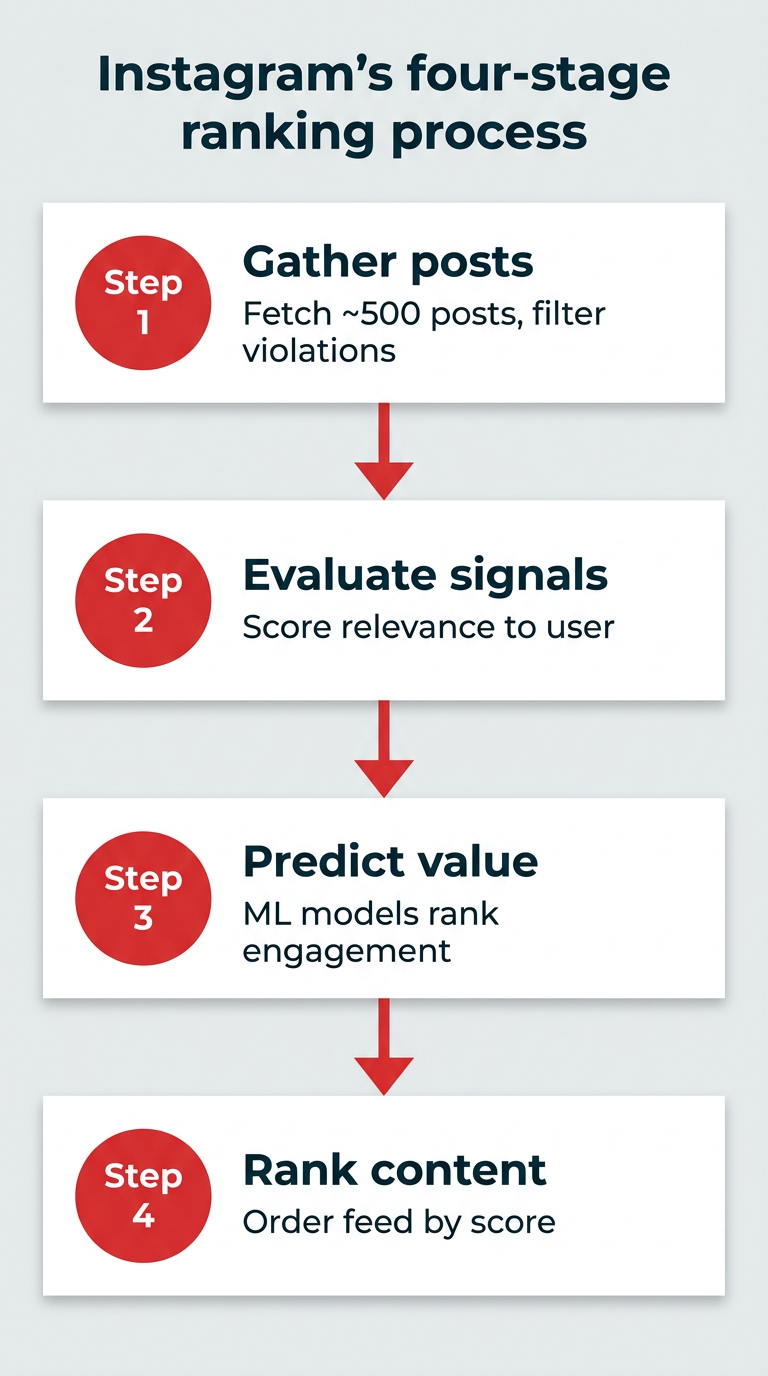
At its foundational level, a social media algorithm performs a multi-step evaluation within milliseconds of a user opening an application. First, the system gathers a vast pool of eligible content—typically pulling hundreds of recent posts from followed accounts or broader networks while actively filtering out material that violates community guidelines. Next, the algorithm scores each piece of content against a complex array of ranking signals. Rather than asking what is simply the newest post, the machine learning models predict what value a specific post will deliver, calculating the exact probability that a user will engage, watch, or share.

For instance, when an individual opens Instagram, the platform evaluates roughly 500 recent updates, prioritizing a Reel predicted to hold a user’s attention for more than ten seconds over a static photograph that might otherwise be scrolled past instantly. This predictive filtering ensures that feeds are entirely unique to each user, transforming chaotic streams of data into personalized consumption experiences. For brands and marketers, this shift means that organic content is no longer competing merely against direct industry competitors, but against every alternative piece of media capable of capturing a user’s fleeting attention.
The Four Evolutionary Eras of Social Media Discovery
To comprehend how modern algorithms operate, industry analysts often divide the history of platform ranking systems into four distinct eras. The journey began with the Pure Chronological Era, which dominated the early days of platforms like Twitter and Instagram, where posts appeared strictly in the order they were published. As user bases expanded, platforms transitioned into the Basic Relevance Era, introducing primitive filtering based on basic user connections and early engagement metrics.
The third phase marked the advent of the Algorithmic Feed Era, characterized by the integration of machine learning to sort content based on inferred user interests rather than strict timelines. Today, the digital ecosystem exists firmly in the Predictive AI Era. Modern systems utilize advanced neural networks and deep learning models to analyze subtle behavioral cues—such as watch time fractions, audio usage, and save frequency—to curate feeds that actively anticipate user intent and shape digital culture in real-time.
Platform-Specific Breakdown: Ranking Signals Across Major Networks
While the overarching workflow of gathering, scoring, predicting, and ranking remains consistent, individual platforms weigh signals differently based on their unique community goals and preferred formats.
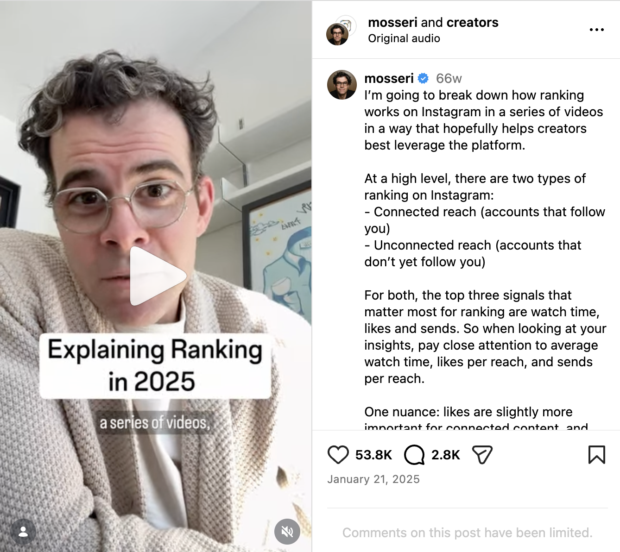
Instagram relies heavily on watch time, likes, and direct sends. According to platform leadership, likes remain vital for connected reach among existing followers, whereas direct sends function as the primary currency for reaching new, unconnected audiences through Explore and Reels. The platform processes content through sequential stages, evaluating everything from initial account trust to deep behavioral engagement.
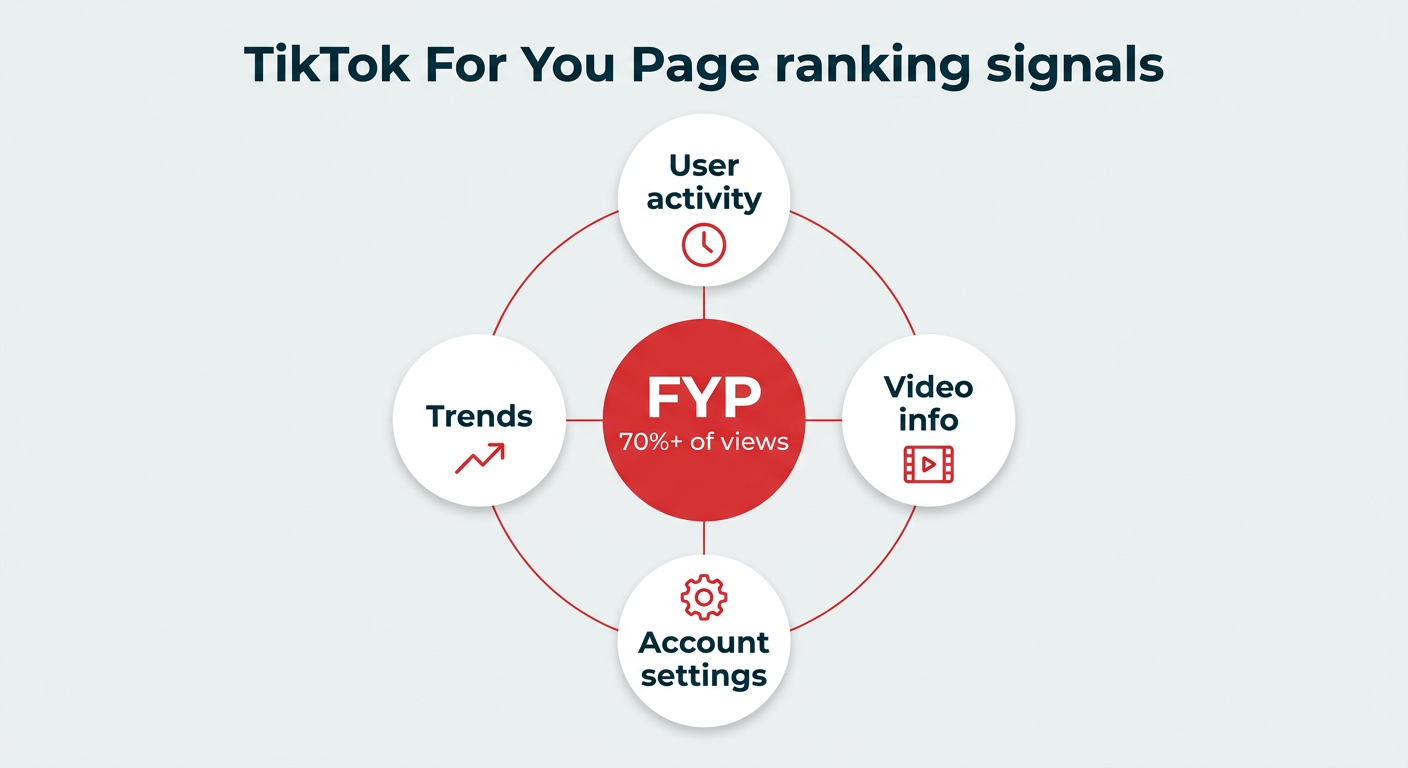
TikTok continues to dominate discovery-driven curation through its famed For You Page (FYP). The platform prioritizes watch time, completion rates, and user interaction history above follower counts, making it possible for brand-new creators to achieve viral distribution if their content hooks viewers within the critical first three seconds.
LinkedIn has increasingly emphasized professional relevance, educational video content, and recurring formats like newsletters. Engagement generated within the first hour of publication—particularly substantive commentary rather than passive reactions—plays a decisive role in signaling content quality to the professional network’s distribution system.
YouTube operates with the singular objective of maximizing total session duration. Its recommendation engine heavily weighs watch time, audience retention rates, and click-through rates on custom thumbnails, rewarding creators who successfully keep viewers engaged on the platform for extended periods.
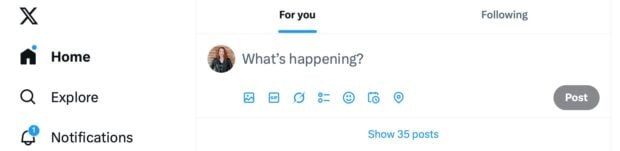
X, formerly Twitter, maintains a dual-feed approach between algorithmic curation ("For You") and chronological tracking ("Following"). The algorithmic timeline prioritizes real-time conversational relevance, direct connections, and rapid community engagement, favoring accounts that actively participate in live cultural moments.
Threads, Meta’s text-first platform, emphasizes community discourse. Its recommendations draw on mutual topic overlap and cross-platform activity metrics shared with Instagram and Facebook, rewarding users who pose questions and spark active discussions in comment threads.
Pinterest functions primarily as a visual search engine. Rather than prioritizing transient metrics like likes, the platform’s algorithm ranks content based on visual relevance, search optimization, and, most importantly, user saves, which indicate long-term utility.
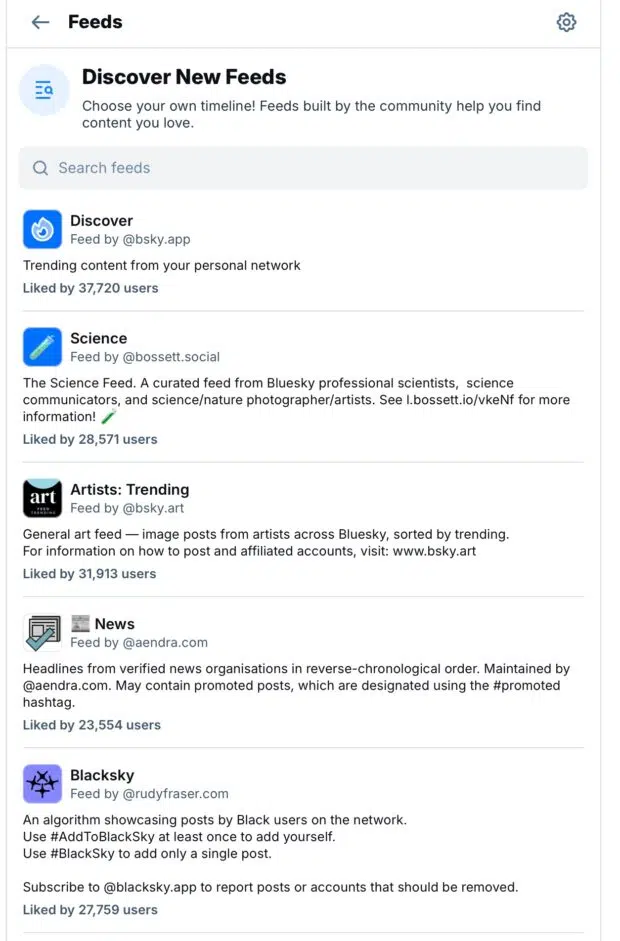
Bluesky champions user autonomy by offering a default chronological feed alongside a marketplace of over 50,000 custom algorithmic feeds, allowing communities to tailor their own moderation and discovery parameters.
Reddit layers community moderation directly on top of traditional engagement signals. Visibility on the platform is governed not only by upvotes and recency, but also by strict adherence to individual subreddit rules enforced by human moderators.
Strategic Implications and Best Practices for Marketers
For marketing and communications professionals, the dominance of algorithmic distribution necessitates a strategic pivot away from high-frequency posting toward high-relevance content creation. Because organic reach is directly tied to algorithmic favorability, teams must adapt their creative execution to match the explicit priorities of each network.
Industry experts recommend building foundational content around universal signals—such as watch time, meaningful engagement, and immediate value—while tailoring specific hooks, lengths, and formats to platform nuances. Furthermore, tracking performance metrics such as connected versus unconnected reach, share rates, and audience retention allows teams to detect sudden algorithmic shifts before they impact overall brand visibility. As artificial intelligence continues to refine these recommendation systems, maintaining agility, respecting platform-specific community standards, and prioritizing genuine audience connection remain the most reliable pathways to sustained digital visibility.