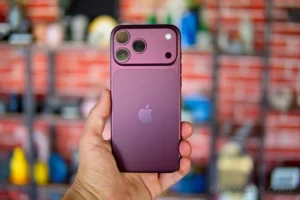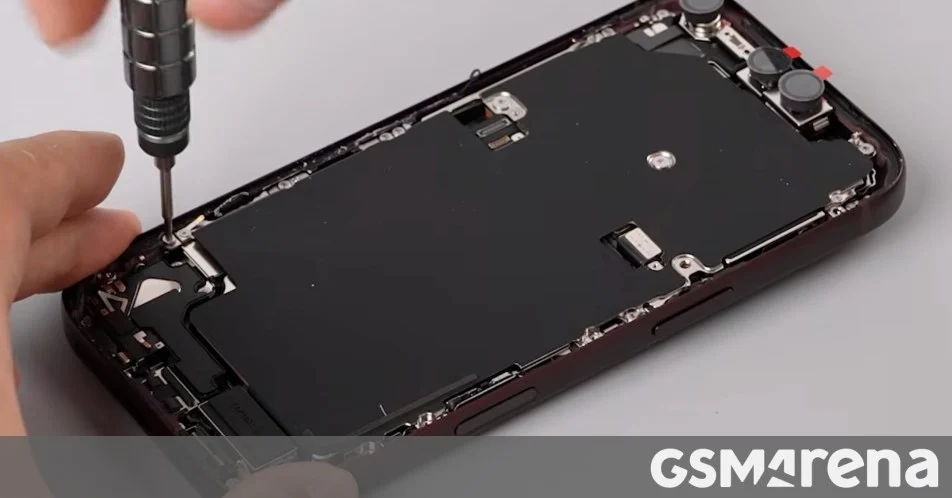
The official market release of the iPhone 18 Pro and iPhone 18 Pro Max has triggered an immediate response from the technical enthusiast community, with the first comprehensive internal teardowns surfacing within hours of the devices hitting store shelves. This release marks the latest chapter in Apple’s iterative smartphone evolution, focusing on advanced display integration, optimized thermal management, and enhanced camera hardware. As consumers globally receive their pre-ordered units, the internal architecture provides a roadmap of the engineering decisions Apple has made to maintain its competitive edge in the premium handset market.
Chronology of the iPhone 18 Pro Launch
The journey to today’s retail availability began months ago, characterized by a series of supply chain rumors and leaked schematics that correctly predicted the refinement of the Dynamic Island and the inclusion of variable aperture camera systems. The timeline of the launch can be summarized as follows:
- Early Development Phase: Internal testing of under-display sensor placement and prototype battery chemistry began in late 2024.
- Official Announcement: Apple unveiled the iPhone 18 series at its September keynote event, highlighting significant computational photography gains and architectural shifts.
- Pre-Order Window: Following the keynote, Apple opened pre-orders, which saw record-breaking demand for the 512GB and 1TB storage configurations.
- Global Retail Rollout: Today marks the official commercial release, with Apple Stores and authorized retail partners worldwide beginning fulfillment of orders.
- Initial Teardown Analysis: Within hours of the first customer deliveries, independent technical teams initiated physical dissections to document the internal layout and component sourcing.
Architectural Innovations and Internal Hardware
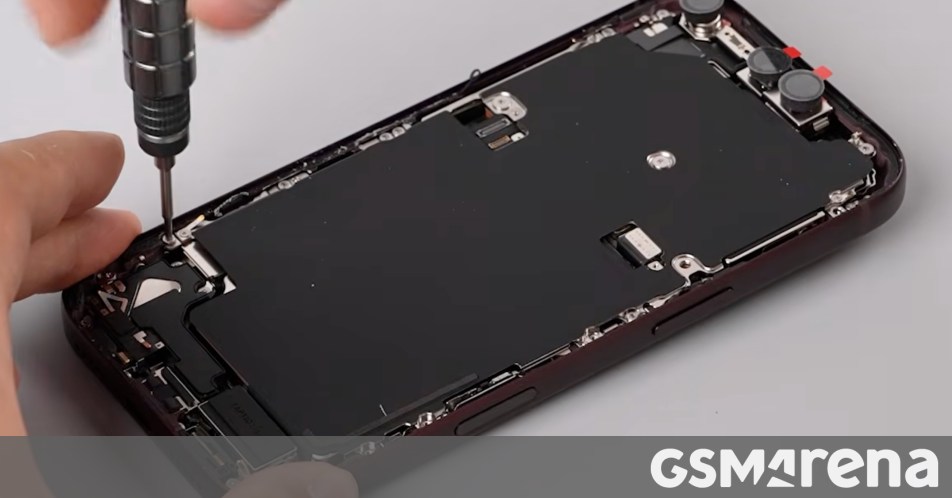
The teardown process confirms that the iPhone 18 Pro utilizes a complex assembly method involving precision pentalobe fasteners, specialized thermal adhesive, and sophisticated internal mounting brackets. The most significant observation regarding the display assembly is the successful integration of the infrared camera hardware beneath the active display area. By relocating this hardware, Apple has managed to reduce the physical footprint of the Dynamic Island. Analysis of the display panel reveals that the pixel density and sub-pixel arrangement directly above the relocated camera differ from the rest of the screen, a strategic design choice to maintain uniform brightness and color accuracy while allowing infrared light to penetrate the panel.
Furthermore, the physical inspection confirms the inclusion of a 4,056 mAh battery cell. This capacity aligns with previous industry reports and indicates a cautious, efficiency-driven approach to power management rather than a radical shift in battery density. The inclusion of a physical SIM card slot in the models inspected suggests that regional variants continue to exist, catering to international markets where e-SIM adoption has not yet reached full saturation.
Camera System Evolution
A primary point of focus for the teardown was the camera module, which appears notably more substantial than that of the iPhone 17 Pro. The increased physical housing suggests that the sensor-lens assembly has been modified to accommodate a variable aperture mechanism. This addition is expected to provide users with greater control over depth of field and light intake, particularly in challenging low-light environments. While the teardown provides visual confirmation of the enlarged housing, the precise sensor dimensions and technical specifications of the aperture motor remain a subject of ongoing analysis by imaging experts.
Economic Context and Market Positioning
The iPhone 18 Pro series enters the market at a critical time for the consumer electronics sector, which has seen a stabilization in demand following a period of post-pandemic fluctuation. The pricing structure for the current lineup reflects both inflationary pressures on component costs and the added value of the new imaging technologies.
Market Pricing Data (Affiliate Estimates):
- iPhone 18 Pro (256GB / 12GB RAM): Priced at approximately €1,449.00 in the DACH region and £1,199.00 in the United Kingdom.
- iPhone 18 Pro (512GB / 12GB RAM): Priced at approximately €1,699.00 in the DACH region and £1,399.00 in the United Kingdom.
- iPhone 18 Pro Max (256GB / 12GB RAM): Priced at approximately €1,599.00 in the DACH region and £1,299.00 in the United Kingdom.
- iPhone 18 Pro Max (512GB / 12GB RAM): Priced at approximately €1,849.00 in the DACH region and £1,499.00 in the United Kingdom.
These figures underscore the positioning of the "Pro" series as a luxury tier product. The consistent use of 12GB of RAM across the tested models indicates a strategic shift toward supporting more intensive on-device machine learning tasks and multitasking capabilities, a necessary step given the increasing system requirements of modern mobile operating systems.
Industry Implications and Future Outlook
The transition toward under-display sensor technology, as evidenced by the iPhone 18 Pro, signals a broader industry trend toward "bezel-less" aesthetics. By hiding the infrared camera, Apple is effectively moving toward a future where the entire front surface of the phone is a seamless glass panel. However, this transition poses significant manufacturing challenges, particularly regarding screen calibration and the durability of the display layers covering the sensors.

The use of variable aperture in a smartphone-sized module also represents a major engineering milestone. By introducing mechanical parts into the camera housing, Apple faces the challenge of long-term reliability. Journalists and technical analysts are closely monitoring reports from early adopters to determine if the increased complexity of the camera module impacts the device’s drop resistance or long-term performance.
Environmental and Repairability Considerations
Historically, Apple’s internal design philosophy has prioritized waterproofing and structural rigidity over user-serviceability. The current teardown confirms that the use of strong adhesives and proprietary screw types remains a hallmark of the iPhone manufacturing process. While this allows for an IP68-rated ingress protection, it presents a hurdle for independent repair shops and consumers attempting self-repairs.
Environmental groups have noted that while the materials used in the iPhone 18 Pro chassis are increasingly recycled, the modularity of the components—specifically the bonding of the battery and display—remains a point of contention for those advocating for the "right to repair." As regulatory pressure mounts in the European Union and North America regarding electronic waste, it is likely that Apple will face continued scrutiny regarding the lifecycle of these internal components.
Final Assessment
The iPhone 18 Pro and 18 Pro Max represent a refinement-first approach. Rather than reinventing the form factor, Apple has focused on the "invisible" upgrades: the under-display sensor, the variable aperture camera, and the expanded RAM capacity. These changes are intended to provide a more cohesive user experience and ensure the hardware can support software advancements for the next several years.
For the average consumer, the teardown serves as a confirmation of the high build quality associated with the brand, while for industry analysts, it provides a look into the supply chain priorities of one of the world’s largest tech companies. As the devices enter the hands of millions of users, the real-world performance of these new internal systems will be the true test of Apple’s latest engineering cycle. Future in-depth reviews will continue to evaluate whether these technical enhancements translate into meaningful improvements in day-to-day usability, photography, and battery longevity.