The modern automotive consumer is often presented with a dazzling array of aesthetic choices, ranging from pearlescent finishes to deep, liquid-like metallic coats. However, a common point of confusion for new vehicle owners is the presence of "orange peel," a textured, slightly uneven finish that mimics the skin of a citrus fruit. While many buyers initially mistake this for a defect or a lapse in quality control, it is a widespread characteristic of modern automotive manufacturing. Understanding the phenomenon requires a deep dive into the evolution of industrial painting techniques, environmental regulations, and the economic realities of mass-market vehicle production.
The Physics of Automotive Paint Application
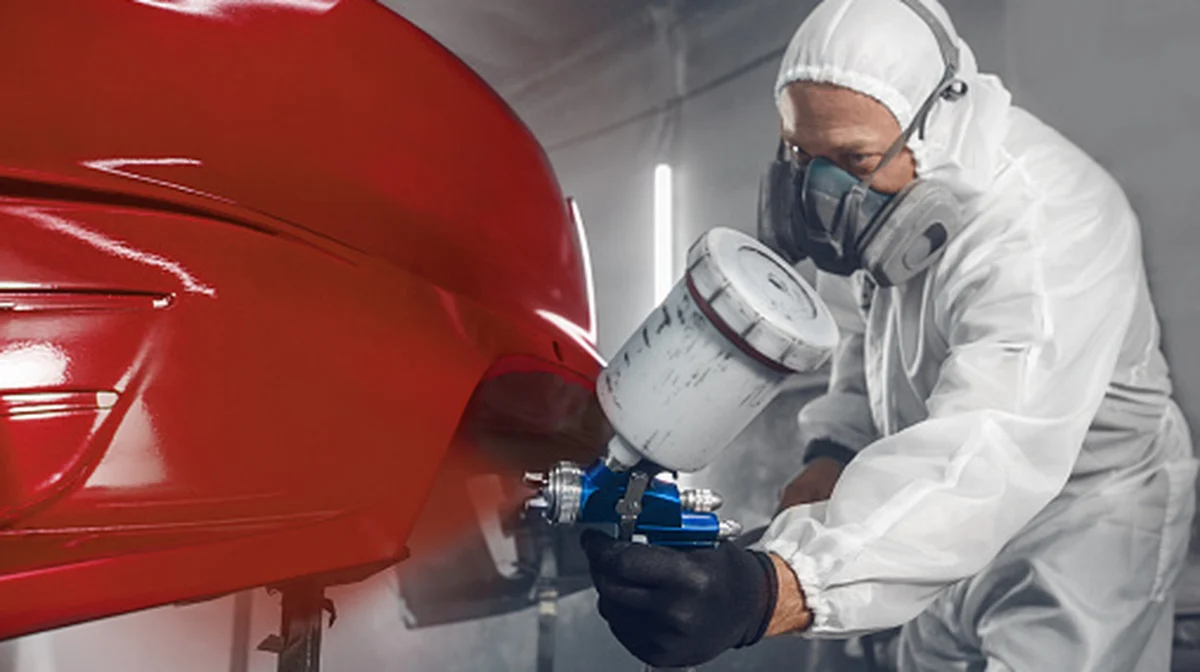
At its core, orange peel is a surface tension phenomenon. Automotive paint is a complex chemical mixture, typically consisting of a pigment, a binder, and a solvent. During the painting process—whether performed by robotic sprayers or human technicians—the paint must atomize into fine droplets to create a uniform coating.
The "orange peel" effect occurs when these droplets fail to flow out into a perfectly flat, level surface before the solvent evaporates and the paint begins to cure. In an ideal scenario, the paint would "level out" or "flow" after contact with the metal panel, resulting in a mirror-like reflection. However, several variables interfere with this process. The viscosity of the paint, the pressure of the spray nozzles, the distance of the applicator from the panel, and the ambient temperature and humidity of the factory booth all play critical roles.
Chronology and Regulatory Evolution
The rise of orange peel as a standard feature in the industry is not merely a result of cost-cutting; it is heavily tied to the evolution of environmental regulations. In the late 20th century, the automotive industry underwent a significant shift away from solvent-borne paints toward water-borne coatings.
Throughout the 1980s and 1990s, global environmental agencies, including the Environmental Protection Agency (EPA) in the United States and various European regulatory bodies, tightened restrictions on Volatile Organic Compounds (VOCs). Traditional solvent-based paints contained high levels of these compounds, which evaporate into the atmosphere and contribute to smog and air pollution. Water-borne paints, while significantly better for the environment, have different drying characteristics. They often have a higher surface tension and require more precise application environments to achieve the same "leveling" as their solvent-based predecessors.
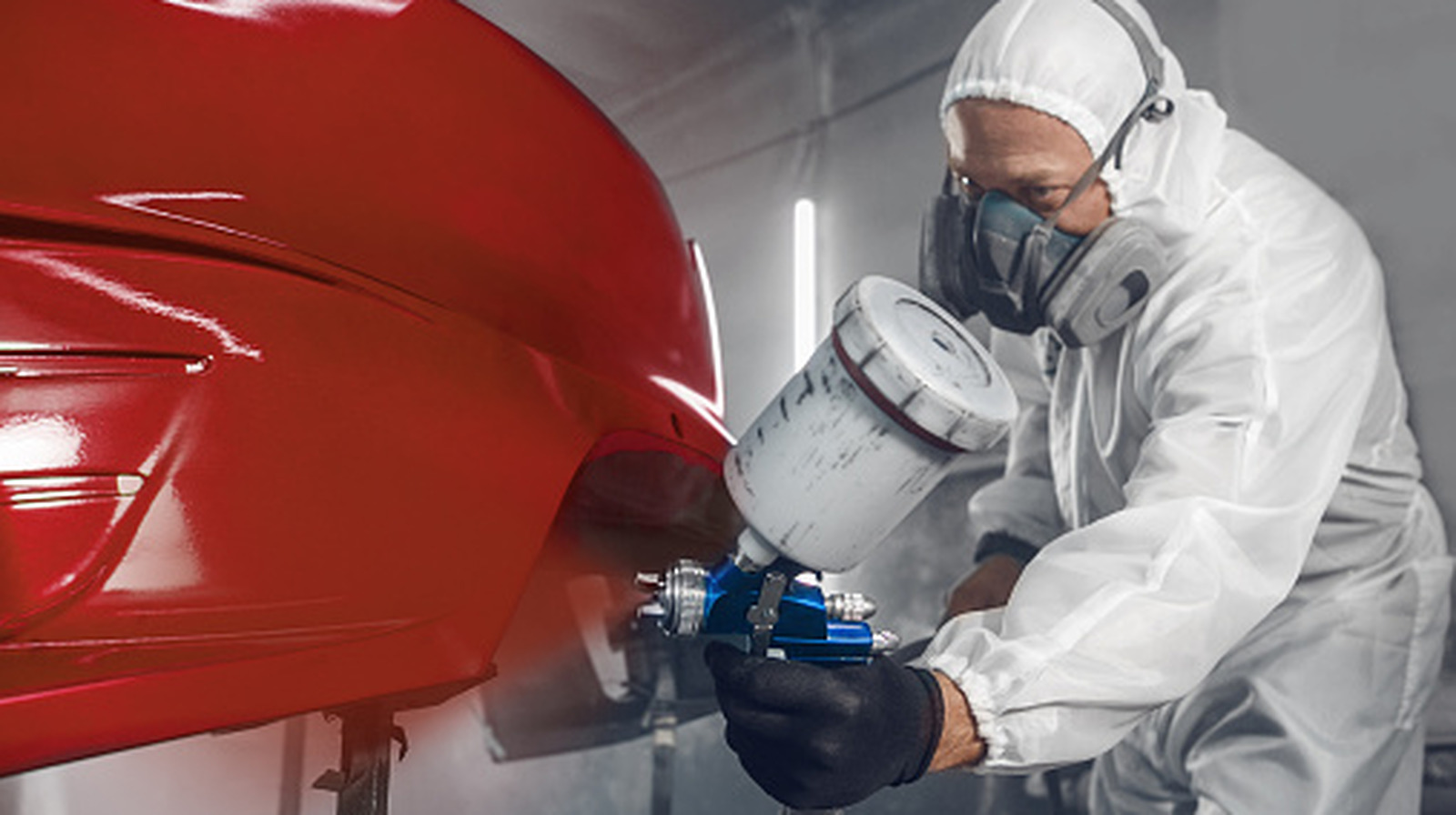
As manufacturers transitioned to these greener alternatives to remain compliant with federal law, they faced the technical challenge of managing surface texture. By the early 2000s, orange peel became an accepted trade-off for the industry-wide adoption of safer, more sustainable paint chemistries.
Economic Factors in Mass Production
From an economic perspective, the removal of orange peel is a labor-intensive "post-processing" task that is rarely integrated into the assembly line for mass-market vehicles. Once a car is painted, the clear coat—the final layer of protection—is hardened in a massive industrial oven. To achieve a perfectly smooth, "glass-like" finish, the factory would need to perform "color sanding" or "wet sanding" on every vehicle.
This process involves using fine-grit sandpaper to physically level the peaks of the orange peel texture, followed by multiple stages of buffing and polishing to restore the high-gloss shine. In a high-volume manufacturing facility where thousands of vehicles are produced daily, adding several hours of manual labor per car would result in a substantial increase in the MSRP (Manufacturer’s Suggested Retail Price). For luxury marques—such as Rolls-Royce or certain high-end custom divisions—this level of hand-finishing is expected and reflected in the six-figure price tag. For the average commuter vehicle, however, the industry has collectively decided that the minimal aesthetic improvement does not justify the massive spike in production costs.
Analytical Perspectives on Quality Control
Industry analysts often point out that the presence of orange peel is not inherently a failure of quality control, but rather a reflection of the "target finish" set by the automaker. Each manufacturer establishes a proprietary standard for "distinctness of image" (DOI), which is a numerical measurement of how clearly a reflection appears on the surface of the car.
While some consumers perceive orange peel as a sign of poor craftsmanship, paint technicians and automotive engineers argue that it serves a functional purpose. A slightly textured clear coat can sometimes be more resistant to minor scratches and marring compared to a perfectly flat, soft finish, which might show every microscopic swirl mark. Furthermore, the thickness of the clear coat is finite. By leaving the factory-applied texture intact, manufacturers ensure that the protective layer remains at its maximum designed thickness, which is essential for long-term resistance against UV radiation and oxidation.
The Risks and Realities of Aftermarket Correction
For owners determined to eliminate the orange peel texture, the aftermarket offers a variety of solutions, though these come with significant caveats. The process of "leveling" the paint is essentially the removal of material. By sanding down the peaks of the orange peel, the technician is physically reducing the overall thickness of the clear coat layer.
Professional detailers emphasize that this is a "one-way" process. Once the clear coat is thinned, it cannot be replaced without a full repaint. Over-sanding can lead to premature clear coat failure, where the paint begins to peel or "burn through" after a few years of sun exposure.
"Consumers often underestimate the skill required to perform paint correction," notes one veteran automotive restoration specialist. "It is not just about buffing; it is about measuring the depth of the clear coat with a digital gauge to ensure you don’t compromise the integrity of the finish. Attempting this with a high-speed rotary polisher without years of training is the fastest way to ruin a brand-new factory paint job."
Industry Trends and Future Outlook
The industry is currently exploring new technologies to mitigate orange peel without the need for manual sanding. Advances in "smart" paint application systems, which use AI-driven sensors to adjust spray patterns in real-time based on the temperature and geometry of the car body, are beginning to appear in high-tech facilities. Additionally, the development of new clear coat resins that exhibit better "flow and level" characteristics even at lower VOC levels suggests that the orange peel effect may become less pronounced in future model years.
Despite these advancements, the industry standard remains largely unchanged for the foreseeable future. The orange peel effect is effectively the "fingerprint" of modern, mass-produced automotive painting. For the average owner, it is a reminder of the complex balance between environmental responsibility, manufacturing efficiency, and the chemical realities of industrial coating. While it may not offer the perfect finish of a hand-painted custom car, it provides a durable, compliant, and cost-effective solution that keeps new vehicles accessible to the wider public. Prospective buyers are advised that while the texture may be visible under harsh lighting, it is a standard characteristic of the modern automotive experience and does not indicate a defect in the vehicle’s long-term durability.