The first time a user encounters the Meta Ads Manager interface, the sheer density of buttons, toggles, and configuration menus can be daunting. Despite the intuitive nature of modern consumer software, the professional-grade infrastructure powering Meta’s advertising ecosystem is designed for depth and precision, not immediate simplicity. However, mastering this platform is a fundamental requirement for businesses aiming to capitalize on a network of over 3 billion active users. By understanding the hierarchical structure of Meta’s advertising engine—Campaigns, Ad Sets, and Ads—marketers can transform a complex dashboard into a potent tool for customer acquisition and brand growth.
The transition from organic social media management to paid advertising represents a strategic shift in how businesses interact with the digital economy. While organic posts rely on the fluctuating variables of the Facebook algorithm, paid advertising provides a predictable mechanism for reaching specific demographics. Meta’s advertising infrastructure allows for granular targeting based on life events, professional history, and documented consumer behavior, a level of precision that remains a benchmark in the digital advertising industry.
The Hierarchical Framework of Meta Advertising
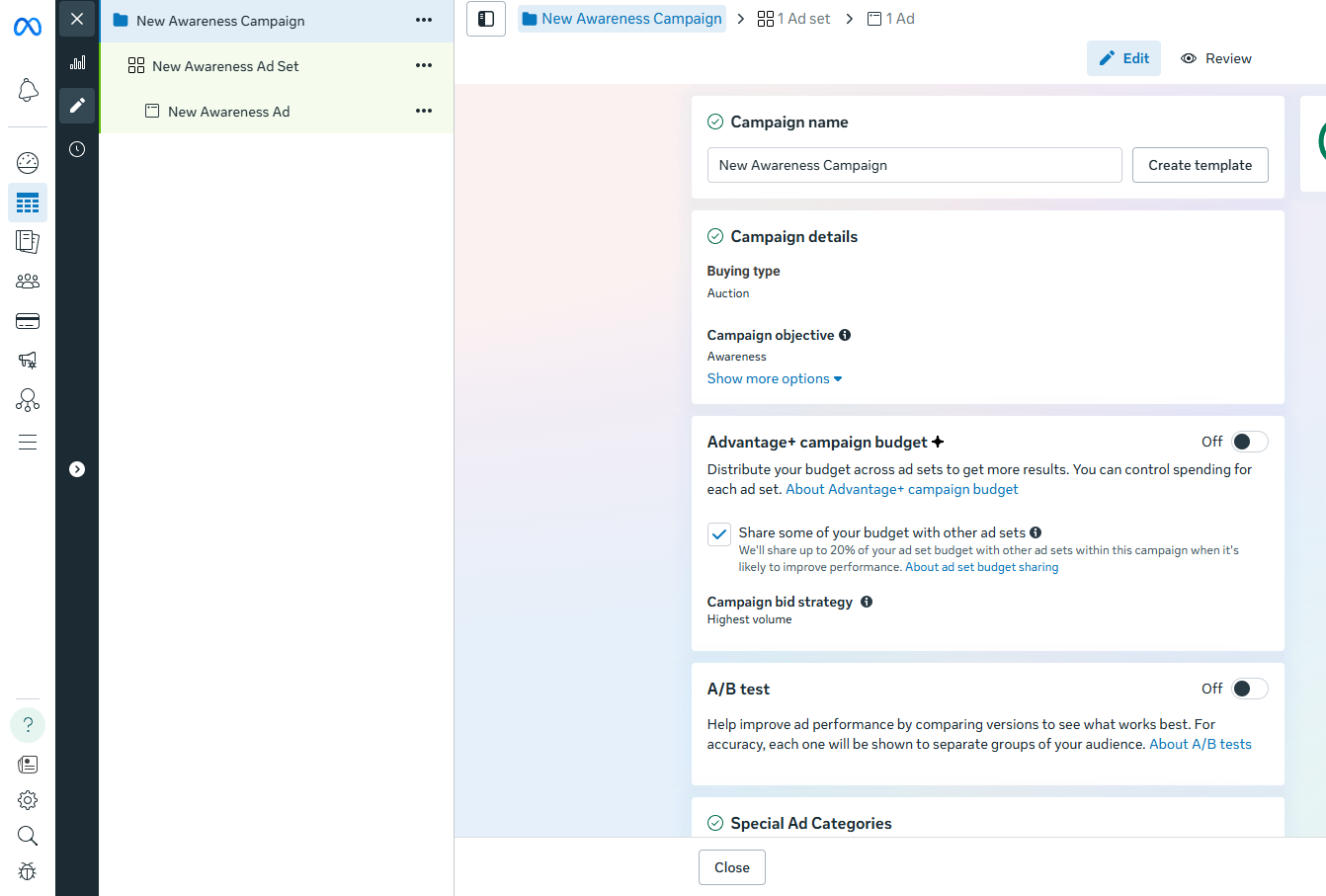
To effectively deploy capital on the Facebook and Instagram ecosystems, one must understand the three-tier architecture that governs every ad campaign. This structure is not merely a design choice but a functional necessity for data management and budget optimization.
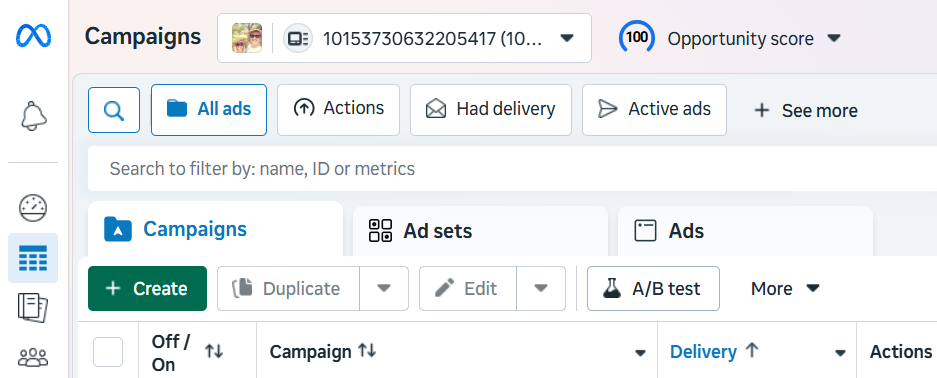
At the top of the hierarchy is the Campaign level. This is where the primary business objective is defined. Whether the goal is to increase brand awareness, drive website traffic, generate leads, or secure e-commerce sales, the objective selected at this stage dictates the optimization logic used by Meta’s artificial intelligence.
The second tier is the Ad Set. This is the operational engine of the campaign. Within the Ad Set, marketers define the budget, the delivery schedule, the target audience, and the ad placements. It is at this stage that the "who" and "where" are decided. By isolating these variables, advertisers can test different audience segments against one another to determine which groups yield the highest return on investment.
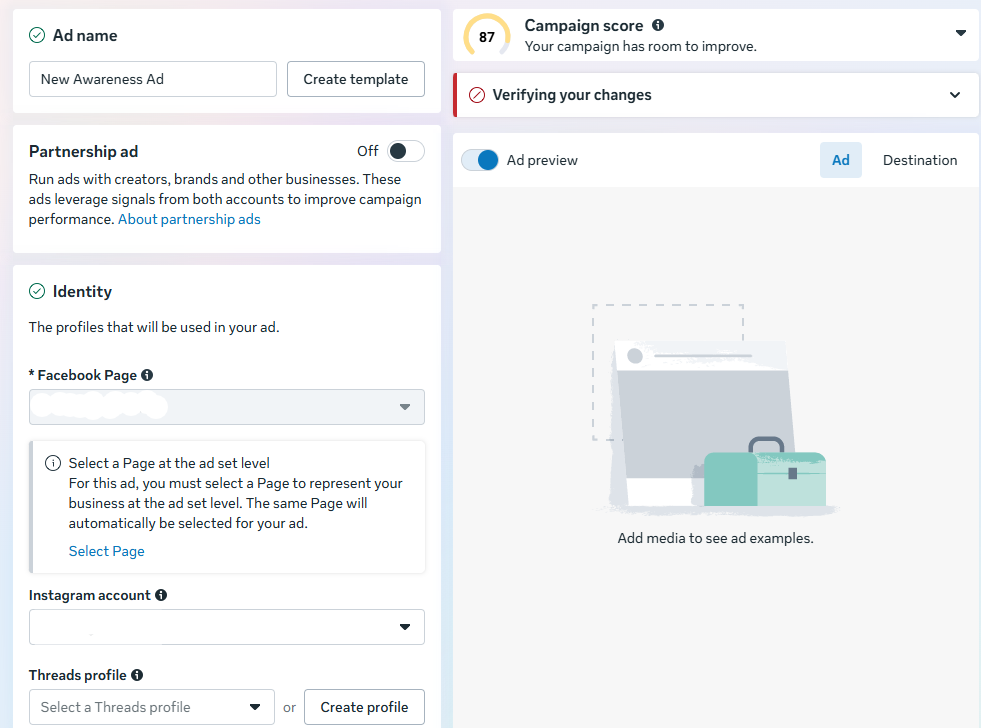
The final tier is the Ad level itself. This includes the creative assets: the images, videos, headlines, and call-to-action buttons. It is the consumer-facing component that ultimately influences click-through rates and conversion performance.
Strategic Advantages and Market Context
The decision to allocate a marketing budget to Meta is often driven by the platform’s unrivaled data density. Unlike search-based advertising, where intent is signaled through keywords, Meta’s advertising model is built on behavioral and lifestyle signals. This allows brands to reach users before they have even begun their active search for a product.
Furthermore, the integration between Facebook and Instagram provides a unified advertising experience. Advertisers can run cross-platform campaigns that reach audiences across both ecosystems simultaneously, regardless of whether the business maintains an active presence on both networks. This capability simplifies the logistical burden of multi-channel marketing, allowing for a streamlined workflow.
The removal of Facebook’s proprietary Analytics tool in 2021 initially caused concern among data-focused marketers. However, Meta has since pivoted toward an integrated reporting suite that provides real-time visibility into reach, engagement, and conversion metrics. Coupled with the Meta Pixel—a snippet of code placed on a company’s website—advertisers can track user behavior post-click, allowing for sophisticated retargeting campaigns that serve ads to individuals who have already interacted with a brand’s website.
Step-by-Step Execution: From Setup to Publication
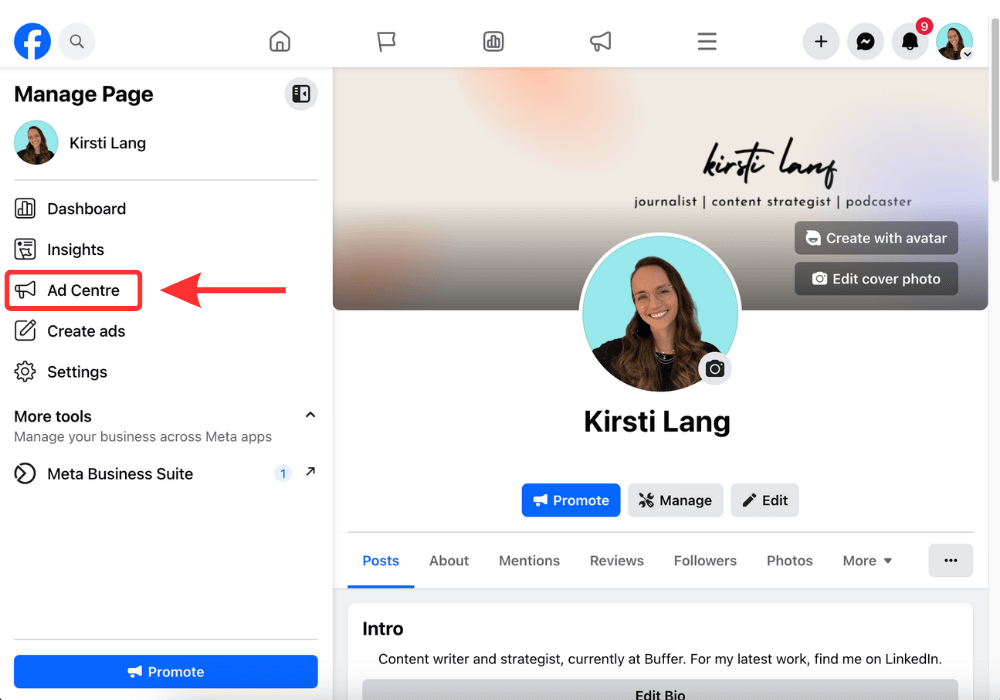
Initiating a campaign requires more than just a creative idea; it demands a structured approach to technical configuration. The process begins with securing access to the Meta Ads Manager, which can be reached via a business page or a direct bookmark.
- Account Foundation: Ensure the business has a verified payment method linked to a dedicated Ad Account. If managing multiple business entities, a Business Manager account is essential for maintaining a clear separation of billing and asset access.
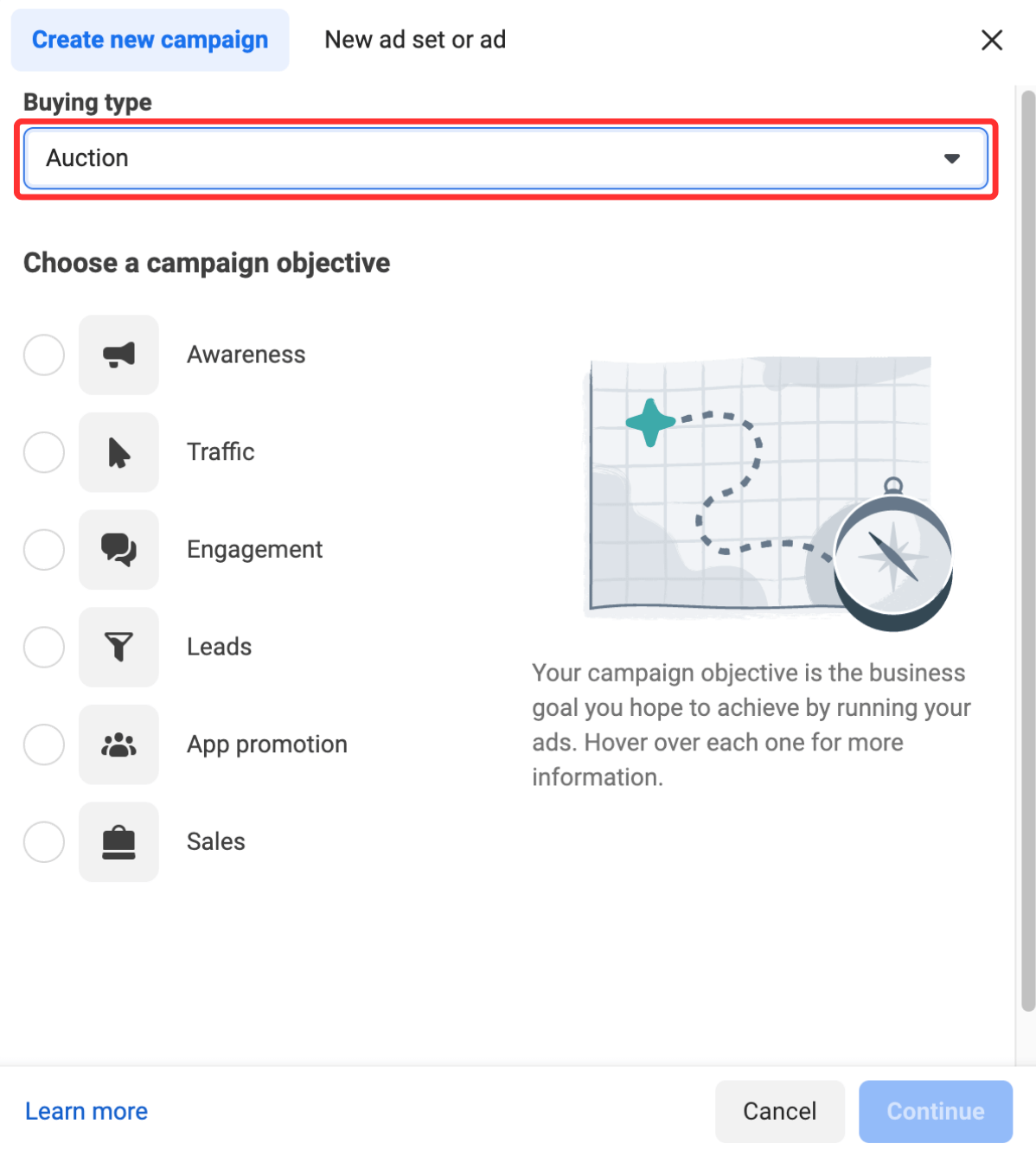
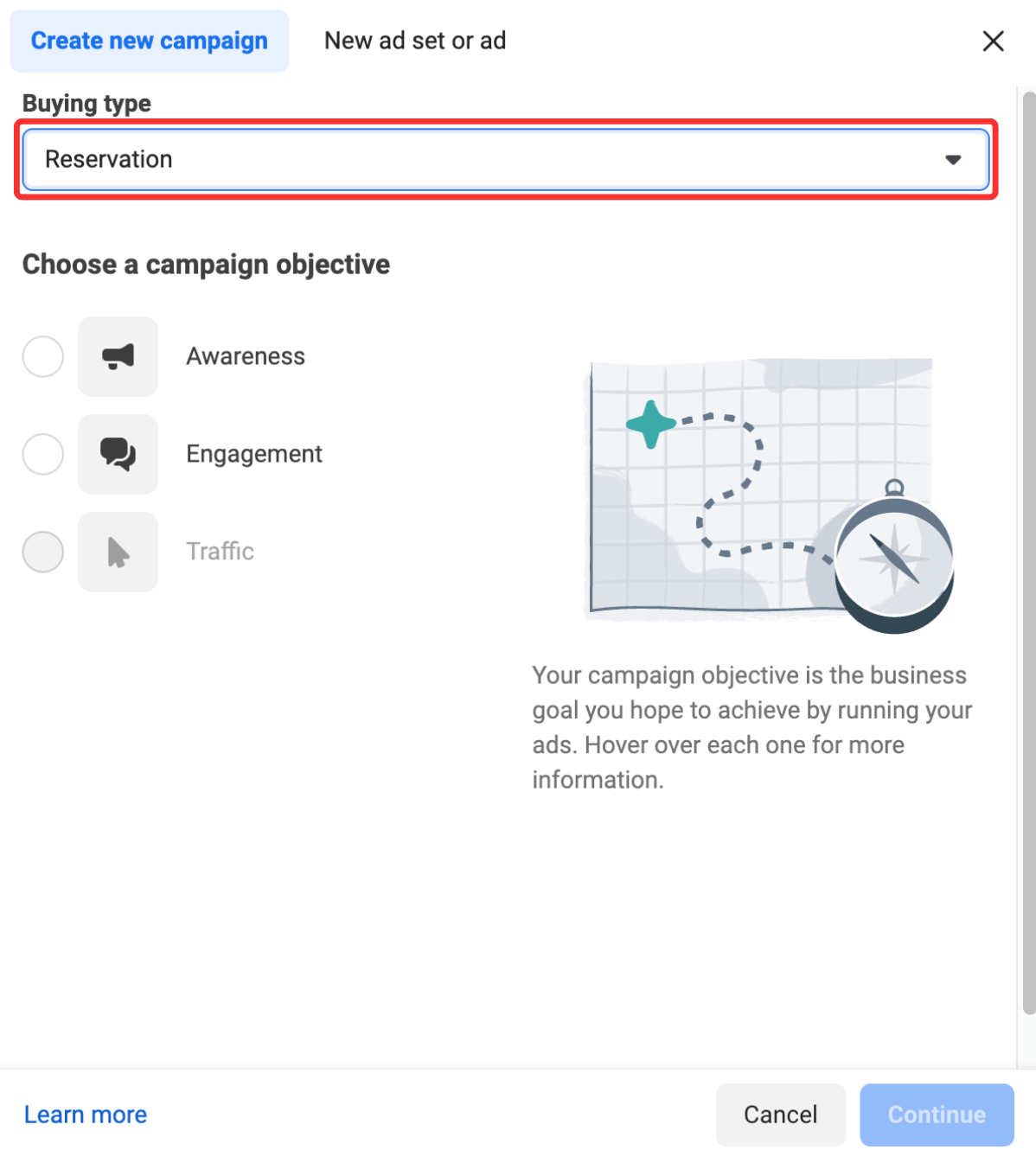
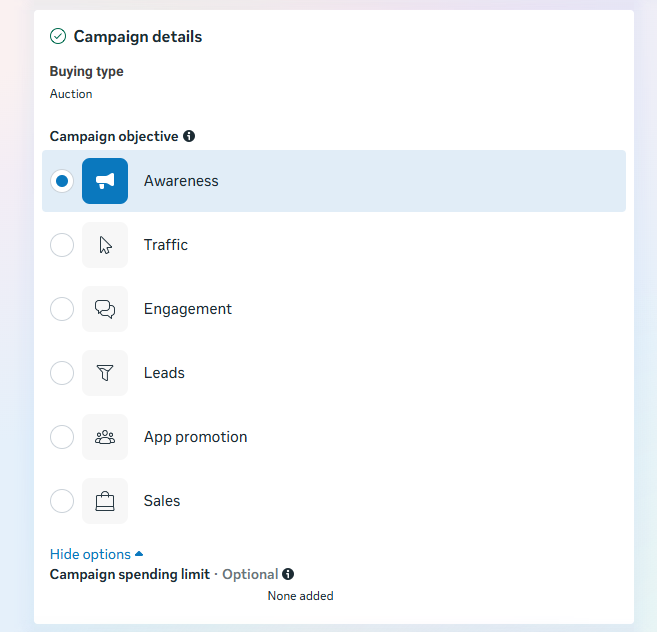
- Buying Types: Choose between "Auction" and "Reservation." Auction-based buying offers maximum flexibility and is the standard for most businesses, while Reservation allows for predictable delivery and frequency control, typically used by larger enterprises for brand awareness.
- Objective Selection: Align the campaign with specific business outcomes. For example, "Lead" objectives optimize for form submissions, while "Sales" objectives are designed to trigger e-commerce transactions via a catalog or website.
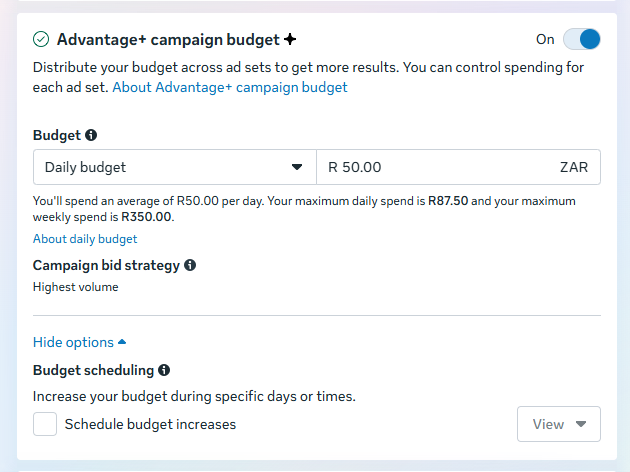
- Budgeting and Scheduling: Determine whether to use a daily budget or a lifetime budget. A daily budget provides consistent exposure, whereas a lifetime budget allows Meta’s algorithm to spend more heavily on days when the potential for conversion is higher.
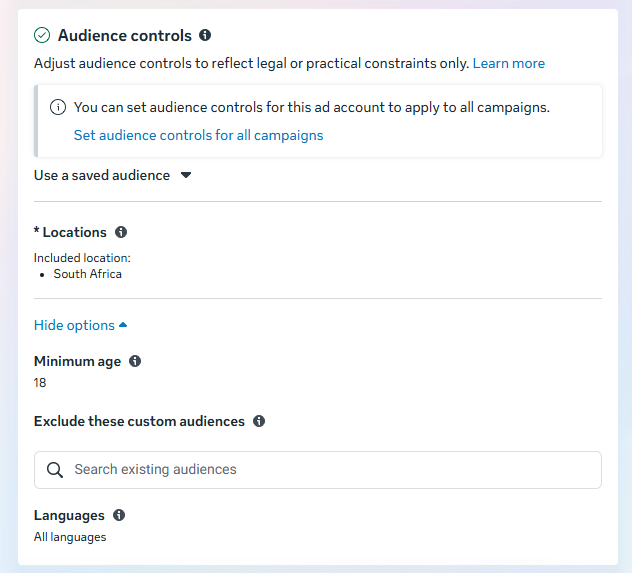
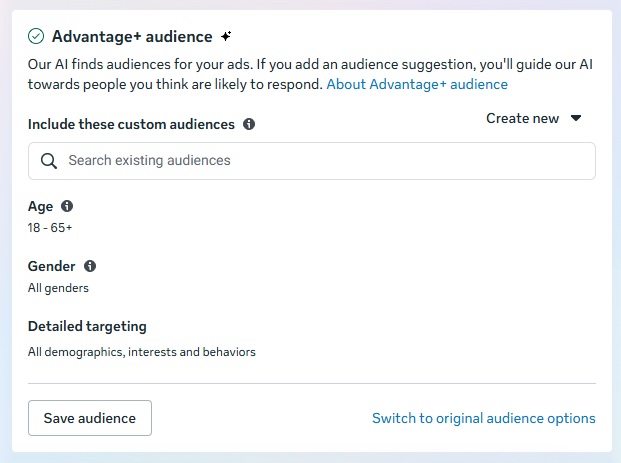
- Audience Customization: Leverage the Meta Advantage+ audience tools. While manual targeting allows for specific demographic constraints, Advantage+ uses machine learning to identify users most likely to engage with the advertisement, often outperforming manually built audiences in scale and efficiency.
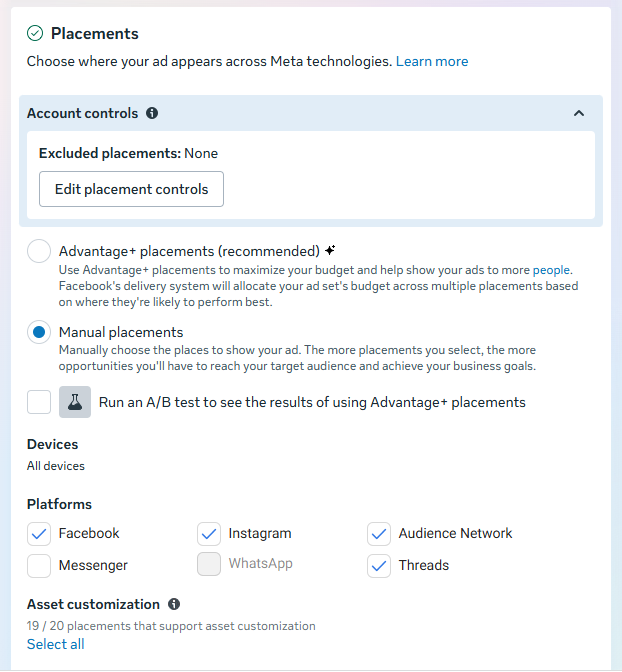
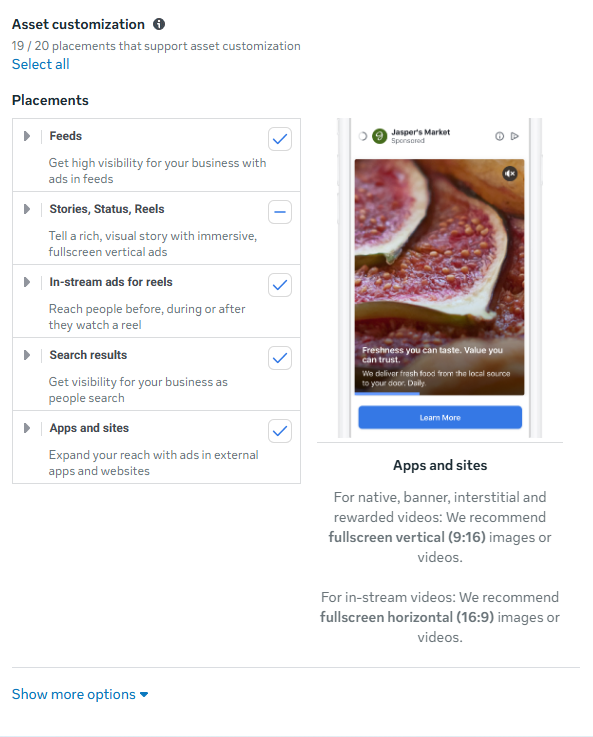
- Placement Optimization: Decide where the ad appears. While manual placement allows control over specific formats like Instagram Reels or Facebook Messenger, Advantage+ placements allow the system to shift ad delivery to whichever network or placement is currently providing the best performance.
- Creative Deployment: Upload assets while adhering to platform-specific specifications. High-quality visual assets, when paired with clear, concise copy, are the primary drivers of success in the feed-based environment of Meta’s apps.
Financial Benchmarks and Industry Standards
Budgeting for Meta ads is inherently scalable, with a minimum daily spend requirement of $1. However, the efficacy of this spend is subject to industry-specific competitive pressures. Data from industry analysts suggests that the average cost-per-click (CPC) fluctuates significantly. For instance, apparel brands may see costs as low as $0.45 per click due to the visual nature of the industry and high user engagement, while finance and insurance sectors often face CPCs upwards of $3.77 due to the high lifetime value of the customers they are targeting.
It is critical for businesses to understand that the first 3 to 7 days of a campaign are often considered a "learning phase." During this time, the algorithm is testing various audience segments to understand which users are most responsive to the creative. Judging a campaign based on the first 24 hours of data is a common error that leads to premature optimization and, frequently, the termination of potentially successful campaigns.
The Role of AI and Future Implications
The integration of Meta Advantage+ is indicative of a broader industry shift toward AI-assisted marketing. By automating audience targeting and budget distribution, Meta is lowering the barrier to entry for small businesses that lack dedicated data science teams. This shift suggests that the future of social media advertising lies not in manual micromanagement, but in providing the system with high-quality creative and clear business objectives, then allowing the platform’s algorithms to manage the distribution.
However, these tools do not absolve the advertiser of the need for strategy. An ad campaign is only as effective as the underlying marketing strategy. If a product requires an extensive educational process to be understood, Facebook ads may struggle to provide immediate ROI. In such cases, ads are better used as a top-of-funnel awareness tool rather than a direct conversion driver.
Summary of Best Practices for Success
To maximize the efficacy of Meta advertising, businesses should adhere to the following principles:
- Define Success Early: Do not enter the Ads Manager without a clear definition of what constitutes a conversion. If the objective is to capture leads, the landing page must be optimized to receive that traffic.
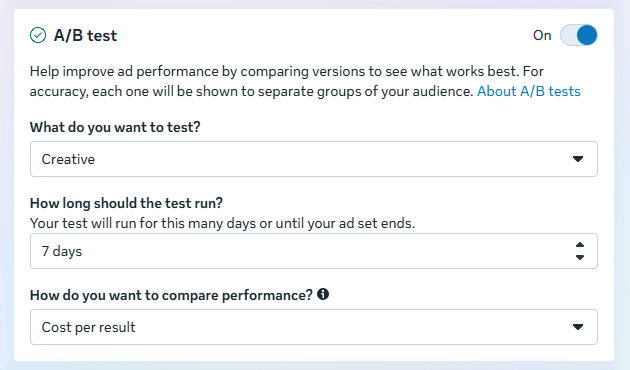
- A/B Testing is Essential: Use the built-in A/B testing features to compare two variations of an ad. By isolating one variable—such as the headline or the image—advertisers can scientifically determine what resonates with their audience.
- Monitor Creative Performance: Ad fatigue is a real phenomenon. Even a high-performing ad will eventually see a decline in performance as it is shown to the same audience repeatedly. Refreshing creative assets every few weeks is a best practice for maintaining stable conversion costs.
- Respect the Ecosystem: Remember that an ad is only half of the journey. The user will likely visit the business’s Facebook page or website after seeing the ad. Ensuring these destinations are updated, professional, and mobile-optimized is as important as the ad itself.
Ultimately, while the interface of Meta Ads Manager may appear overwhelming to the novice, it is a logical and powerful instrument. By approaching the platform with a clear strategy, a willingness to test, and a disciplined approach to budget management, businesses can leverage one of the world’s most sophisticated advertising platforms to achieve measurable and sustainable growth. The technical barriers are temporary; the potential for reach and connection is lasting.