The Foundation of an Industrial Empire
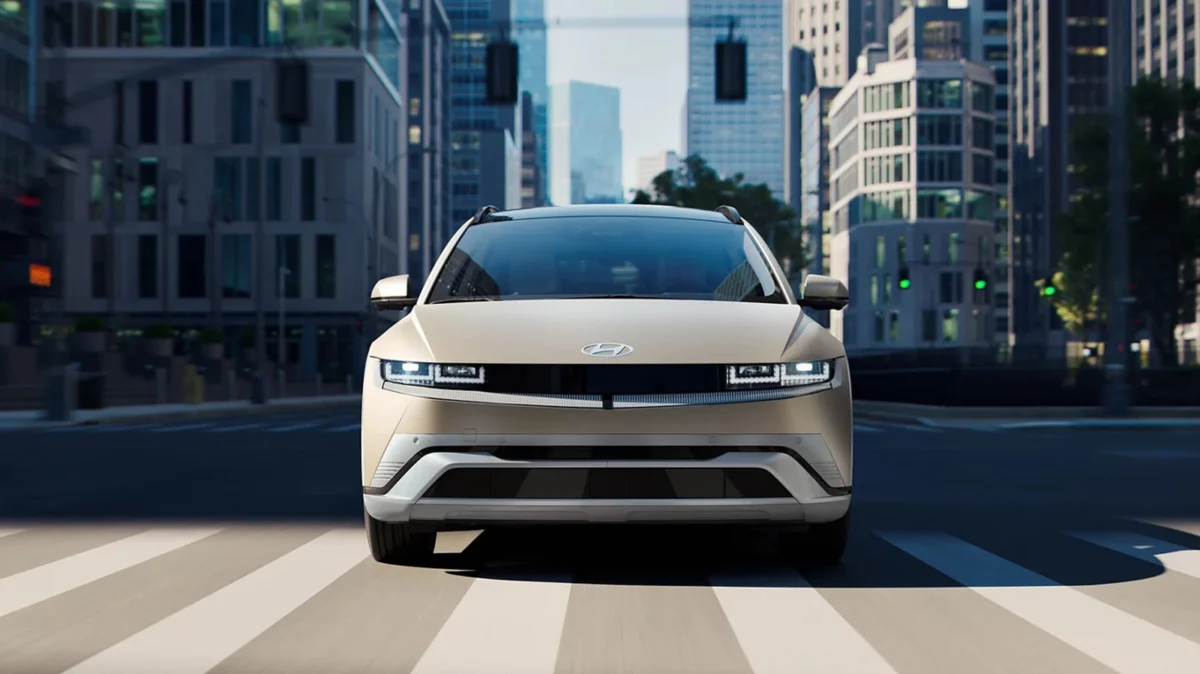
The story of South Korea’s automotive prowess began in 1967 with the establishment of the Hyundai Motor Company. Under the leadership of founding chairman Ju-yung Chung, the company sought to capitalize on the country’s rapid post-war industrialization. Just one year after its incorporation, the company inaugurated the Ulsan assembly plant. In its nascent stages, Hyundai relied heavily on foreign partnerships to establish its manufacturing capabilities. The first vehicle to roll off the Ulsan line was the Hyundai Cortina, a product of a collaborative agreement with Ford.
The Ulsan facility has since evolved into the world’s largest integrated automobile manufacturing complex. Spanning over 5 million square meters, it serves as the beating heart of the Korean automotive industry, currently outputting approximately 1.6 million vehicles annually. This facility does more than just produce cars; it functions as a self-contained industrial ecosystem, featuring its own harbor, power plants, and test tracks, symbolizing the sheer scale of Hyundai’s integration into the national economy.
Strategic Expansion and Market Consolidation
Hyundai’s path to near-monopoly was not exclusively through organic growth; it was solidified by calculated strategic maneuvers during periods of national economic distress. The most significant of these occurred in the wake of the 1997 Asian financial crisis. During this turbulent period, Kia Motors, then a struggling independent automaker, faced bankruptcy. Hyundai Motor Group seized the opportunity to acquire a controlling stake in the company in 1998, effectively bringing its primary domestic rival into the fold. This acquisition proved to be a masterstroke, as it allowed Hyundai to segment its offerings—positioning Kia as a more youthful, design-oriented brand while retaining the Hyundai nameplate for mass-market reliability and technological innovation.
The diversification of the group’s portfolio continued into the 21st century. Recognizing a shift in consumer demand toward luxury segments, the company launched Genesis in 2015. By decoupling its luxury operations from the mainstream Hyundai brand, the group was able to compete directly with established European and Japanese premium manufacturers like Mercedes-Benz, BMW, and Lexus. The creation of Genesis marked the final piece of the group’s current tripartite strategy, providing a comprehensive range of vehicles from entry-level sedans to high-end luxury SUVs.
The Last Independent: KG Mobility
While Hyundai Motor Group maintains a stranglehold on the vast majority of the market, the landscape is not entirely monolithic. KG Mobility, formerly known as SsangYong Motor, stands as the only significant, active South Korean car brand outside of the Hyundai orbit. The company has a storied, if tumultuous, history dating back to its establishment in 1954. Originally a manufacturer of trucks and buses for export, it was acquired by the SsangYong Group in 1986.
In the 1990s, the brand forged a notable technological partnership with Mercedes-Benz, which paved the way for the launch of the Rexton SUV in 2001. After years of financial volatility and changes in ownership, the company was rebranded as KG Mobility in 2023. The firm has carved out a specialized niche in the off-roading SUV and pickup truck segments. Recent data indicates that by early 2026, KG Mobility commanded an 86% share of the domestic pickup truck market. With the introduction of the Musso EV, the company is signaling a pivot toward electrification, aiming to remain a relevant, albeit smaller, challenger to the Hyundai juggernaut.
Global Brands and the Changing Market
Beyond the domestic brands, South Korea hosts significant segments of global automotive giants. Renault Korea and GM Korea have maintained operations in the country for decades, focusing on both domestic sales and large-scale manufacturing for global export. These entities operate under different mandates than the local conglomerates, often functioning as high-efficiency production hubs within their respective parent companies’ global supply chains. Despite their presence, these brands have struggled to match the market share and cultural integration achieved by Hyundai and Kia, which benefit from deep-rooted consumer loyalty and a vast domestic service network.
Historical Context: The Role of Infrastructure
The success of Hyundai is inextricably linked to the broader development of South Korean infrastructure. The vision of Ju-yung Chung extended beyond the factory floor; his involvement in the construction of Route 1—the critical highway connecting Seoul to Busan—facilitated the logistics necessary for a nationwide automotive industry. In the 1970s, the introduction of the Hyundai Pony, South Korea’s first independently developed vehicle, served as a national project that signaled the country’s transition from an assembler of foreign parts to an exporter of original intellectual property. This legacy of national development continues today as the group invests heavily in hydrogen fuel cell technology and commercial trucking, positioning itself as a leader in the global transition toward clean energy.
Financial Performance and Technological Diversification
As of 2025, Hyundai Motor Group reported annual revenue of $128.4 billion, a figure that underscores its status as a global economic powerhouse. However, the company is aggressively attempting to move beyond the label of "automaker." Through the acquisition of robotics firm Boston Dynamics and the launch of its ZER01NE venture platform, the group is diversifying into artificial intelligence, autonomous mobility, and renewable energy storage.
These investments represent a hedge against the inevitable shifts in global transportation. By integrating AI-driven logistics and robotics into their manufacturing processes, Hyundai is seeking to maintain its cost-efficiency while navigating the transition to software-defined vehicles. The group’s focus on models not available in Western markets—such as the luxury Grandeur sedan and the rugged Tasman pickup—demonstrates a nuanced understanding of domestic preferences while maintaining a robust international sales strategy.
Implications of Market Concentration
The dominance of a single group in the South Korean automotive sector presents both benefits and challenges. On one hand, the centralization allows for unparalleled economies of scale, massive research and development budgets, and a unified strategy toward electrification that few other nations can replicate. The ability to coordinate supply chains and labor forces under one strategic vision has allowed South Korea to become a global leader in battery technology and electric vehicle production.
Conversely, the lack of robust domestic competition raises questions regarding market innovation and consumer choice. Critics argue that such high levels of market concentration can lead to complacency or price rigidity, though Hyundai has historically mitigated this by aggressively targeting the global market, where it is forced to compete with the world’s most innovative manufacturers. The presence of KG Mobility and international players like GM Korea provides a baseline level of competitive friction, but it is clear that the future of the South Korean automotive industry will remain largely synonymous with the growth and strategic direction of the Hyundai Motor Group.
As the industry moves toward a future defined by autonomous driving and carbon-neutral mobility, the group’s massive financial reserves and industrial infrastructure provide a significant competitive advantage. Whether it can maintain its 90% domestic dominance while expanding its footprint in the increasingly complex global tech landscape remains one of the most significant narratives in international business. For now, the legacy of the Ulsan plant and the vision of its founders continue to define the mobility of a nation.