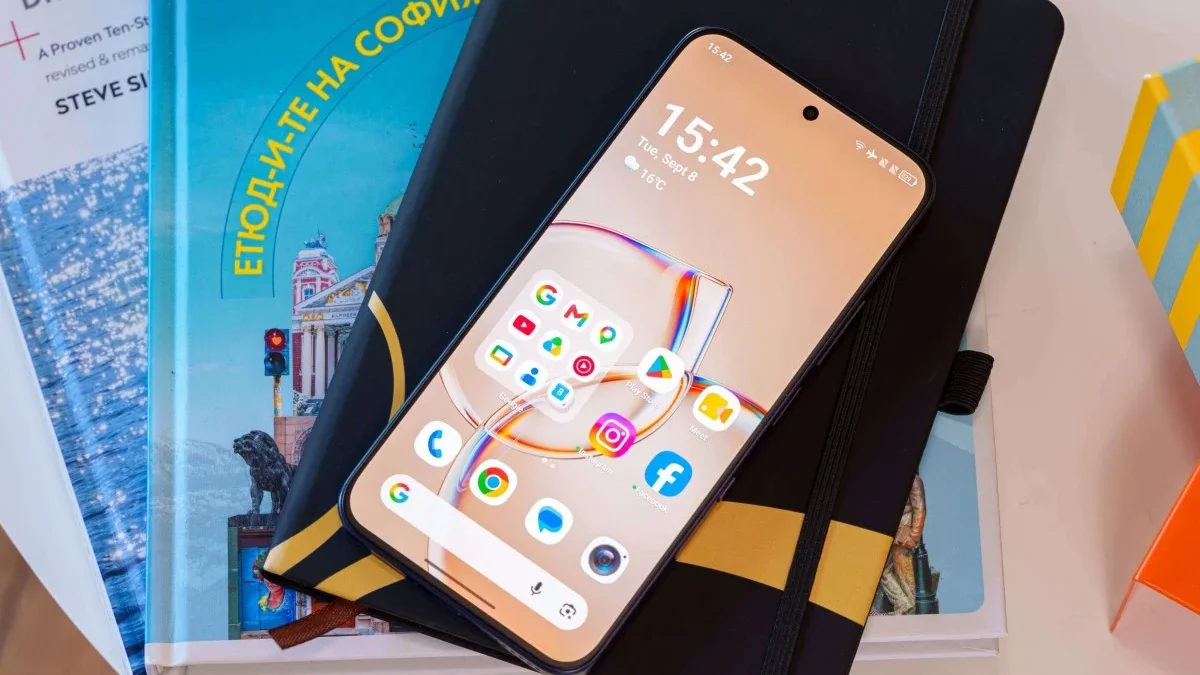
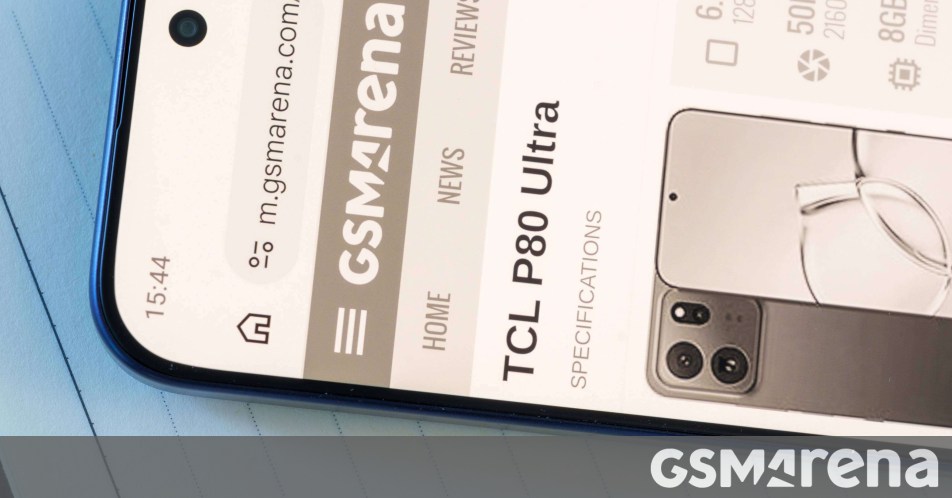
The mobile industry has long grappled with a fundamental trade-off: the vibrant, high-fidelity experience of modern AMOLED panels versus the eye-friendly, low-power utility of E-Ink displays. With the official launch of the TCL P80 Ultra, the manufacturer claims to have bridged this divide, introducing the world’s first AMOLED NxtPaper technology. This integration represents a significant shift in smartphone design, moving beyond traditional hardware specifications to address the growing consumer demand for versatile display utility and digital wellness.
The Hardware Foundation and Pricing Strategy
The TCL P80 Ultra enters the market at a competitive price point, with the 8GB/256GB variant retailing for approximately €550, while the 8GB/512GB model is priced at €600. Market analysts have noted that this pricing structure is particularly aggressive, as the €50 premium for doubling the internal storage is substantially lower than the industry standard.
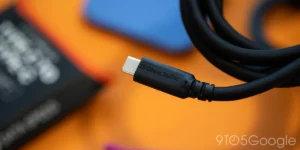
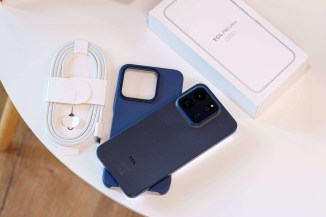
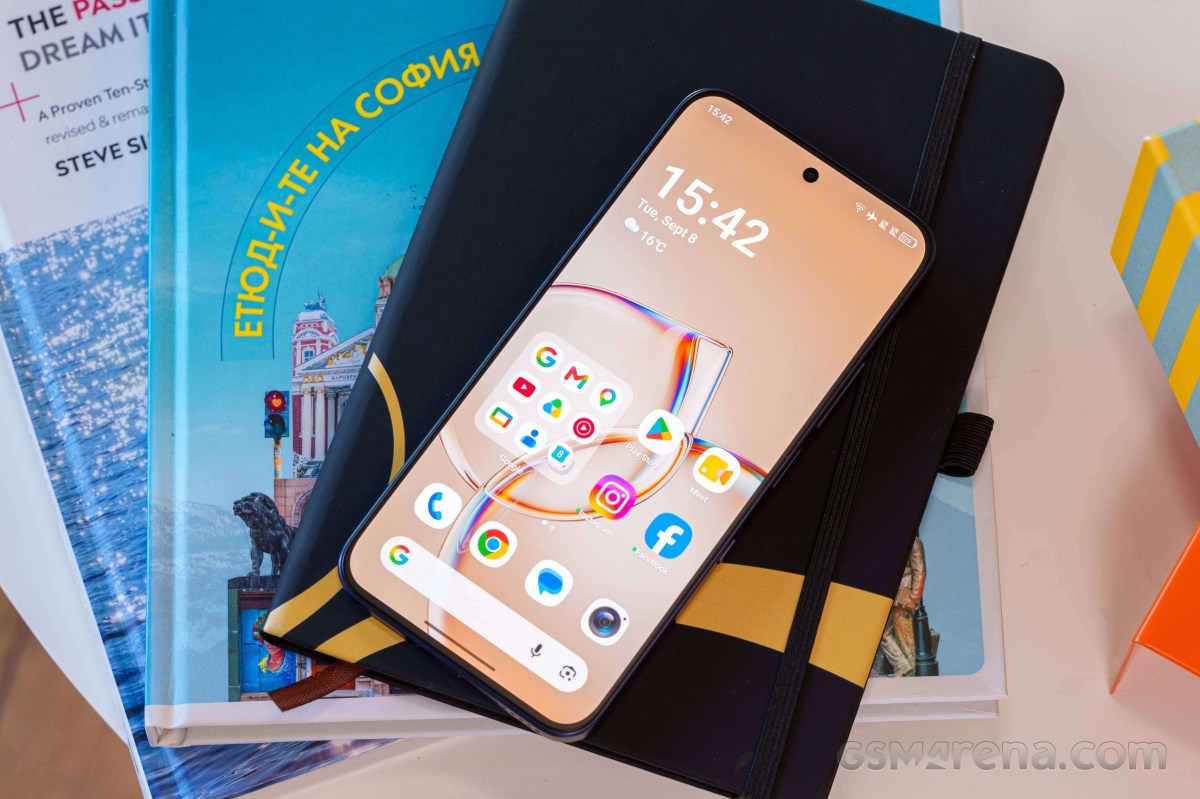
In the box, TCL provides a comprehensive package that signals a focus on premium utility rather than cost-cutting. The inclusion of a high-quality braided USB cable and a textured, durable protective case—a departure from the standard thin-film plastic covers often bundled with mid-range devices—suggests that TCL is positioning the P80 Ultra as a device that values longevity and tactile experience. The handset is available in three distinct colorways: Midnight Blue, Sunlit Gold, and a market-trend-focused Burgundy.
Design Specifications and Ergonomics
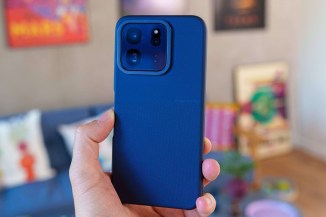
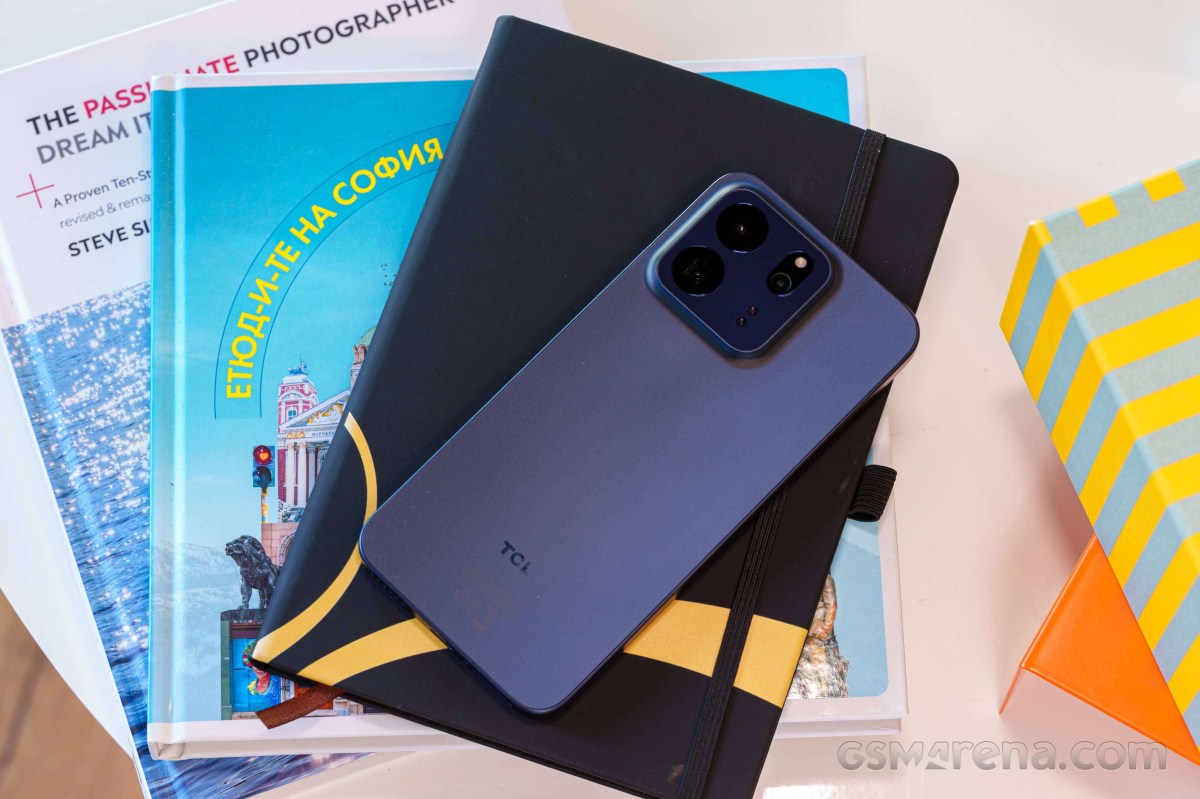
Physically, the device occupies the "large form factor" category, anchored by a 6.83-inch display. While some manufacturers prioritize extreme thinness, TCL has opted for a chassis thickness of 8.3mm. This decision is justified by the integration of a substantial 5,800mAh battery, a capacity that exceeds the average 5,000mAh found in contemporary flagship devices.
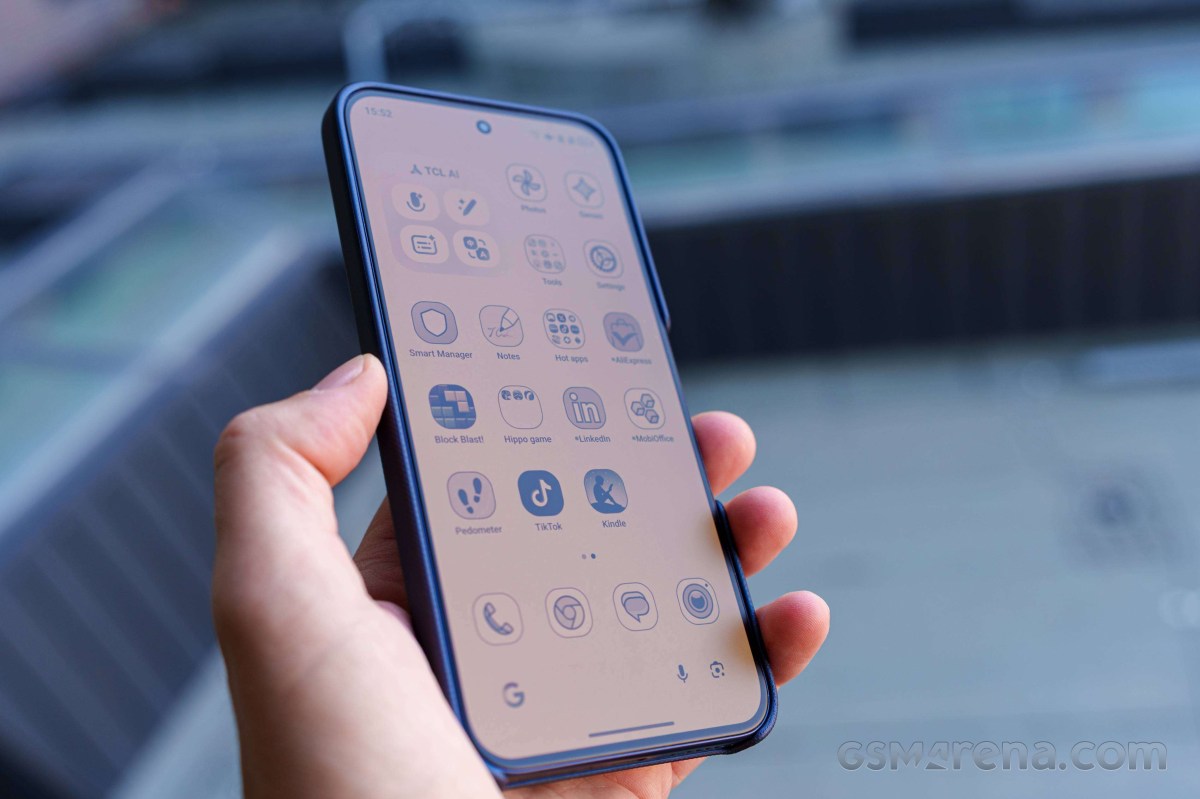
The exterior design language emphasizes a matte finish across the rear casing, side rails, and the display surface itself. This design choice serves a dual purpose: it minimizes fingerprint accumulation and provides a unique tactile experience, as the matte-finished AMOLED panel offers a smoother surface friction than traditional glossy glass.
The NxtPaper AMOLED Innovation
The core value proposition of the P80 Ultra is the NxtPaper technology. Historically, TCL’s NxtPaper displays relied on LCD backlighting to simulate a paper-like appearance. The transition to an AMOLED base is a technological milestone, as it allows for deeper contrast and the signature vibrancy of organic light-emitting diodes while maintaining the anti-glare, eye-soothing properties of the NxtPaper coating.
The display features a 120Hz refresh rate and 10-bit color depth, supporting over one billion colors. When operating in standard AMOLED mode, the panel achieves a peak brightness of 3,200 nits, placing it in the upper echelon of outdoor readability. However, the anti-glare finish does introduce a minor trade-off: a slight reduction in viewing angles compared to standard glossy screens. Despite this, the reduction in ambient light reflection is significant, making the device noticeably easier to read in direct sunlight.
Operational Modes and Digital Wellness
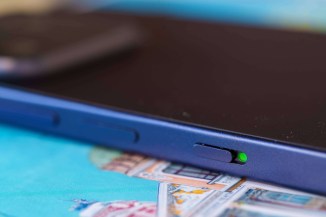
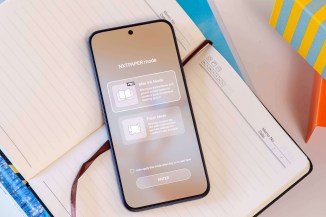
The device features a dedicated physical slider on the right-hand chassis that allows users to toggle between standard AMOLED mode and two NxtPaper-specific configurations: Max Ink and Paper Mode.
- Max Ink Mode: Designed for extended reading sessions and digital detoxification, this mode effectively strips the UI of color, leaving only a sepia-toned, high-contrast interface. It limits notifications to essential communications, such as phone calls and text messages, and puts background processes into a deep-sleep state. TCL claims that this mode can extend the device’s battery life to a maximum of seven days, positioning the P80 Ultra as a viable competitor to dedicated E-Ink e-readers.
- Paper Mode: This setting maintains the standard smartphone UI but renders it in a monochrome, paper-like aesthetic. Users retain the ability to whitelist specific applications, such as YouTube, which can force the display to revert to full-color rendering when necessary.
The software integration includes a pre-loaded reader application offering access to approximately 500 titles. While the initial iteration of this software lacks robust search and organizational features, it incorporates generative AI capabilities that allow the device to read books aloud or generate simulated "podcast" narrations from the text.
Chronology of Development and Market Context
TCL’s development of the NxtPaper series began several years ago as a response to feedback regarding eye strain caused by prolonged exposure to high-frequency blue light and screen glare. The P80 Ultra represents the culmination of this roadmap. Following the successful reception of its earlier LCD-based tablets and mid-range handsets, the company accelerated the R&D required to implement this technology on a high-refresh-rate AMOLED substrate.
The industry has watched this progression with interest. Competitors have largely focused on software-based solutions—such as "Reading Modes" or "Night Light" filters—to mitigate digital eye fatigue. TCL’s hardware-level integration provides a distinct physical experience that software filters cannot replicate, setting a precedent for how display technology might evolve to prioritize human health alongside high-performance gaming and media consumption.
Impact on the Smartphone Ecosystem
The release of the P80 Ultra arrives at a time when the smartphone market is reaching a plateau in terms of raw performance metrics. As mobile processors become increasingly commoditized, manufacturers are pivoting toward specialized hardware features to differentiate their offerings.
The implication of this development is clear: there is a growing, underserved segment of the market that prioritizes utility and wellness over raw processing power. By offering a device that functions as both a high-end multimedia machine and a dedicated reading device, TCL is targeting a "hybrid user" demographic. If the P80 Ultra succeeds, it may force other major OEMs to consider similar display innovations, potentially sparking a new wave of hardware-centric digital wellness features.
Analysis of Future Implications
From a technical standpoint, the P80 Ultra is an experiment in versatility. The "color-fading-away" animation triggered by the NxtPaper slider is more than a cosmetic flair; it serves as a psychological cue for the user, marking the transition from a distraction-heavy mobile environment to a focus-oriented reading space.
However, the lack of sophisticated file management in the integrated reader app and the limitations of the current AI-audio features suggest that while the hardware is revolutionary, the ecosystem requires further refinement. Future software updates will likely determine the long-term success of the device, particularly in how well it manages the balance between battery-sipping E-Ink performance and the high-power demands of a 6.83-inch, 3,200-nit AMOLED panel.
In conclusion, the TCL P80 Ultra stands as a bold entry in a crowded market. By successfully integrating E-Ink-like functionality into an AMOLED flagship, TCL has provided a compelling argument for the future of display technology. Whether this hybrid approach will become an industry standard remains to be seen, but the device undoubtedly sets a new benchmark for those seeking a more adaptable, eye-friendly smartphone experience. As the company continues to iterate on both its hardware and software, the P80 Ultra will likely be viewed as the foundational device that challenged the conventional limitations of the modern smartphone screen.