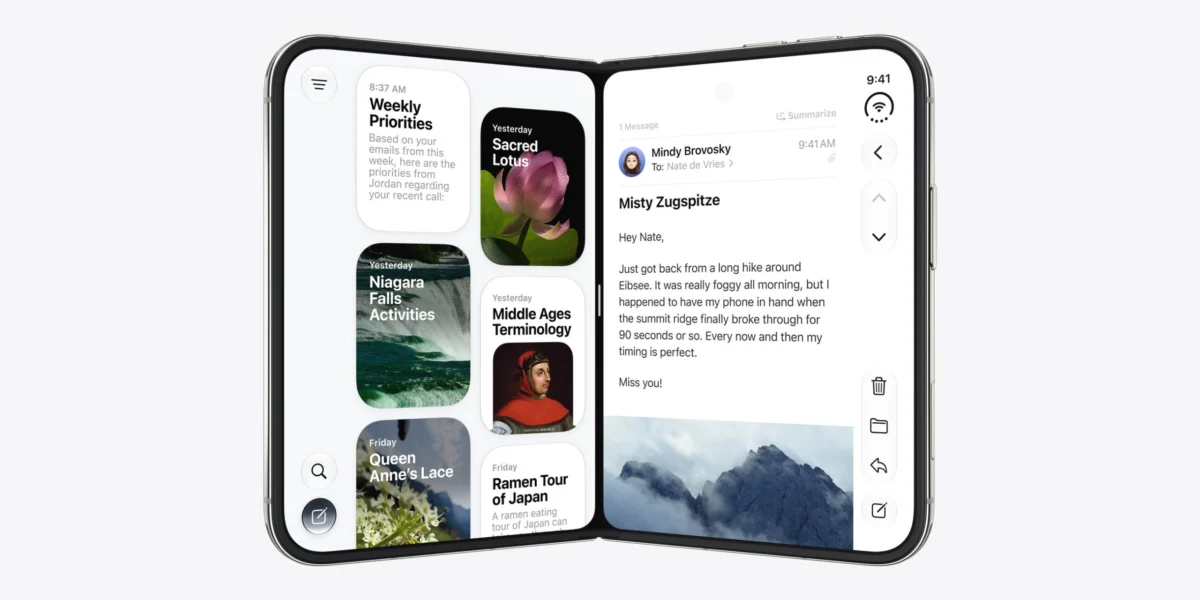
The long-anticipated entry of Apple into the foldable smartphone market has officially materialized with the launch of the iPhone Duo, a device that arrives not by reinventing the fundamental mechanics of the form factor, but by refining the user experience in ways that establish a new benchmark for the industry. While the device does not deviate significantly from the physical configurations established by competitors like Samsung and Google, its debut serves as a critical inflection point in mobile hardware development. By prioritizing iterative perfection over radical experimentation, Apple has introduced a device that validates the foldable category for the mainstream consumer while simultaneously forcing Android manufacturers to re-evaluate their own design priorities.
A Chronology of the Foldable Transition
The path to the iPhone Duo was paved by years of speculation and incremental evolution within the mobile sector. The foldable narrative began in earnest around 2019, when Samsung introduced the first Galaxy Fold. At that time, the industry was defined by "early adopter" hardware—fragile hinges, visible display creases, and software ecosystems that were largely unprepared for non-standard aspect ratios.
Over the next five years, the market matured. Samsung launched the Z Flip and Z Fold series, refining the durability of the folding glass and the integrity of the hinge mechanisms. Google entered the space later with the Pixel Fold, bringing its own unique approach to software optimization and camera hardware integration. Throughout this period, Apple remained notably absent, a silence that many analysts interpreted as a strategy of "wait and see." By allowing the supply chain to mature and the manufacturing costs of flexible OLED panels to decrease, Apple avoided the initial pitfalls of the first-generation foldable devices. The launch of the iPhone Duo in late 2026 represents the culmination of this observation phase, marking a strategic entry into a market that has finally achieved a level of technical reliability suitable for Apple’s stringent quality standards.
Engineering and Technical Specifications
The iPhone Duo distinguishes itself through its material science and hinge architecture. While initial teardowns suggest that the device utilizes a multi-link hinge system, the implementation is focused on a seamless closure and a minimized display crease, a common pain point for the industry. The display technology, which employs a proprietary ultra-thin glass (UTG) layer, is designed to withstand a cycle count significantly higher than the industry average, addressing the primary concern of long-term durability.
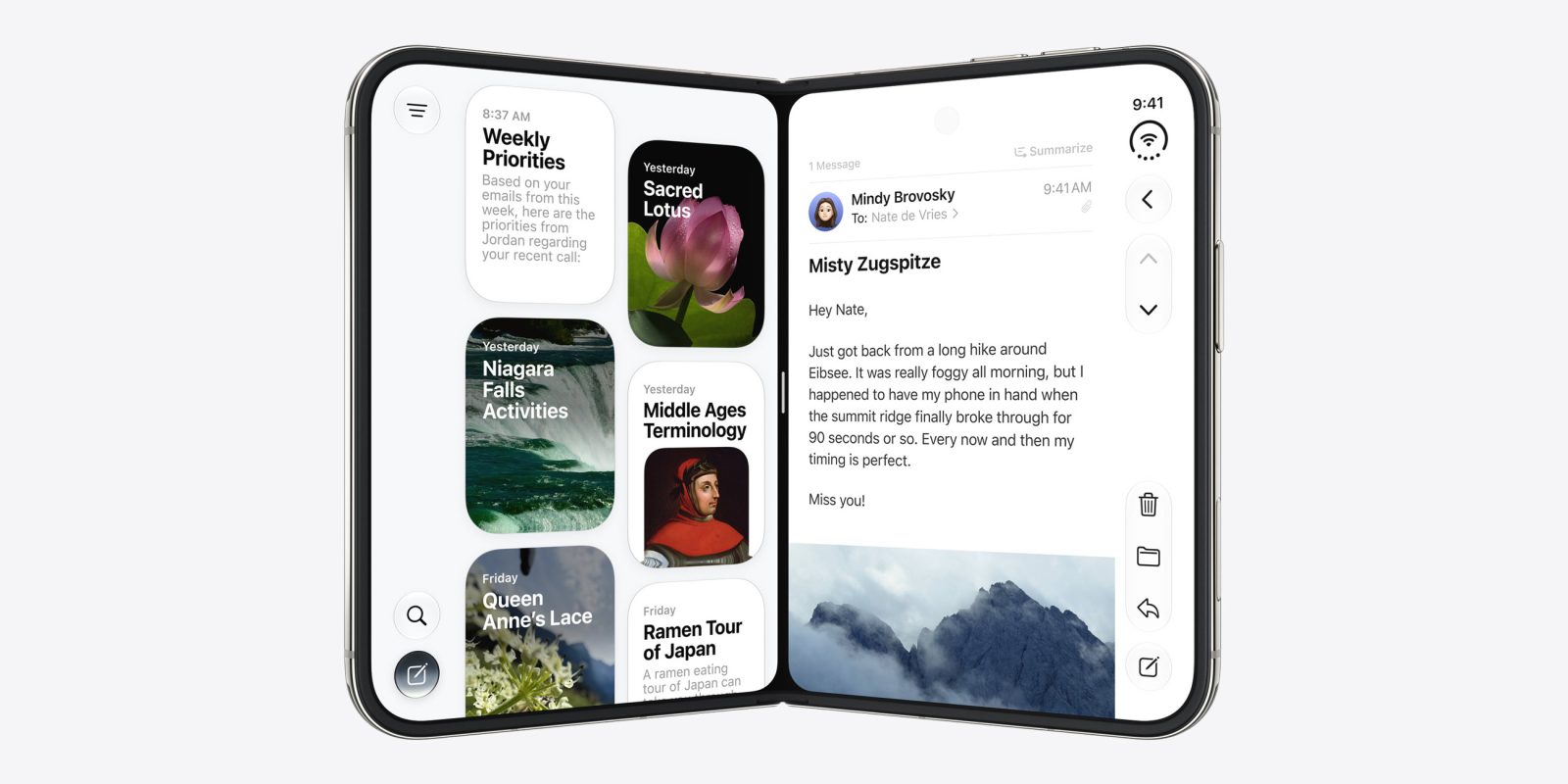
From a performance standpoint, the iPhone Duo is powered by the latest iteration of Apple’s silicon, optimized specifically for the power management demands of a dual-screen or folding interface. The software—a variant of iOS tailored for the Duo—emphasizes continuity. Unlike early foldable attempts that suffered from "app letterboxing" or scaling issues, the iPhone Duo benefits from the existing robust ecosystem of iPad-ready applications, which scale seamlessly to the unfolded dimensions of the new device. This integration provides a software experience that feels cohesive, rather than a forced adaptation of a standard smartphone interface.
The Competitive Landscape and Market Data
The impact of the iPhone Duo on the competitive landscape cannot be overstated. According to market research firm IDC, the foldable smartphone segment grew by approximately 22% year-over-year in 2025, yet it remained a niche category, representing less than 5% of total global smartphone shipments. The introduction of the iPhone Duo is widely expected to act as a catalyst, potentially doubling the addressable market for foldable devices by 2028.
Data from the supply chain indicates that Apple has secured long-term contracts for high-yield, flexible OLED panels from major suppliers, suggesting that the company plans to scale production rapidly. This move places immense pressure on Android OEMs to differentiate their offerings through software features or aggressive pricing. Where Samsung has traditionally led in volume, the iPhone Duo introduces a "premium-first" strategy, setting a high price point that signals the device as a flagship product rather than an experimental secondary handset.
Industry Reactions and Expert Analysis
Industry experts have noted that the iPhone Duo succeeds where others failed by prioritizing the "ecosystem gravity" of Apple’s platform. Analysts at Gartner have suggested that the primary challenge for foldables has never been the hardware, but the utility. By integrating the Duo into the existing Apple ecosystem—including seamless Handoff between the Mac, iPad, and Apple Watch—Apple has provided a clear use case for a folding device that transcends the novelty of the form factor.
From the Android side, reactions have been measured. While manufacturers like Samsung and Google have remained publicly neutral, internal shifts in their R&D departments suggest a pivot toward more advanced hinge designs and under-display camera technologies. There is a broad industry consensus that the iPhone Duo will force a "second wave" of foldable innovation. Competitors are expected to double down on software multi-tasking capabilities and AI-driven interface adjustments to counter the seamless integration offered by iOS.

Broader Implications for Mobile Design
The arrival of the iPhone Duo carries significant implications for the future of mobile design. First, it effectively validates the foldable form factor as the "next evolution" of the smartphone, moving it away from the "gimmick" designation it held for much of the early 2020s. Consumers who were previously hesitant due to concerns over screen durability or software bugs are now likely to view foldables as a viable alternative to traditional glass-slab handsets.
Second, the design philosophy behind the Duo suggests that we have reached a plateau in smartphone innovation regarding physical screens. With edge-to-edge displays having been perfected years ago, the foldable display is the only remaining frontier for increasing screen real estate without increasing the physical footprint of the device. The iPhone Duo demonstrates that the future of the flagship phone is not just faster processors, but a more flexible physical architecture.
Finally, the impact on third-party application development will be profound. With Apple’s entry, developers are now incentivized to optimize their apps for folding displays. This will likely lead to a more standardized approach to adaptive UI, where applications dynamically change their layout based on the state of the hinge. This creates a rising tide that will lift all foldable devices, as the Android ecosystem will naturally benefit from the improved quality of cross-platform mobile apps.
Conclusion: A Measured Step Forward
The iPhone Duo is not a device designed to disrupt the status quo through radical, unproven technology. Instead, it is an exercise in measured, high-quality engineering. By entering the market at this stage, Apple has effectively "sanitized" the foldable category, removing the stigma of unreliability that plagued early entrants.
The device serves as a testament to the idea that in the consumer electronics space, being first is rarely as important as being right. As the market digests the release of the iPhone Duo, the focus of the tech industry will shift from "can we build a foldable?" to "how can we make the foldable experience essential?" The iPhone Duo has answered the first question with a definitive "yes," and in doing so, it has set the stage for a new period of intense competition and innovation that will define the mobile industry for the remainder of the decade. As the initial excitement subsides, the real test for the iPhone Duo will be its long-term reliability in the hands of everyday users—a challenge that, if met with the success of previous Apple flagship launches, will confirm that the age of the foldable has truly, and finally, arrived.