The digital marketing landscape is undergoing its most profound transformation in decades as generative artificial intelligence reshapes how information is discovered, processed, and consumed online. As traditional search engine optimization (SEO) converges with the rise of conversational answer engines, optimizing a digital presence for AI-driven platforms has rapidly evolved from an experimental tactic into a core operational necessity for brands worldwide.
Recent data underscores the urgency of this shift. According to research from Wix Studio, monthly unique visitors to major answer engines climbed dramatically from 634 million in the first quarter of 2025 to 904 million in the first quarter of 2026. This represents an expansion of more than 40 percent in a single year, signaling a fundamental change in consumer behavior. Users are increasingly turning to AI-powered interfaces—such as Google AI Overviews, OpenAI’s ChatGPT search, and Perplexity—to synthesize information, research purchases, and answer complex queries directly.
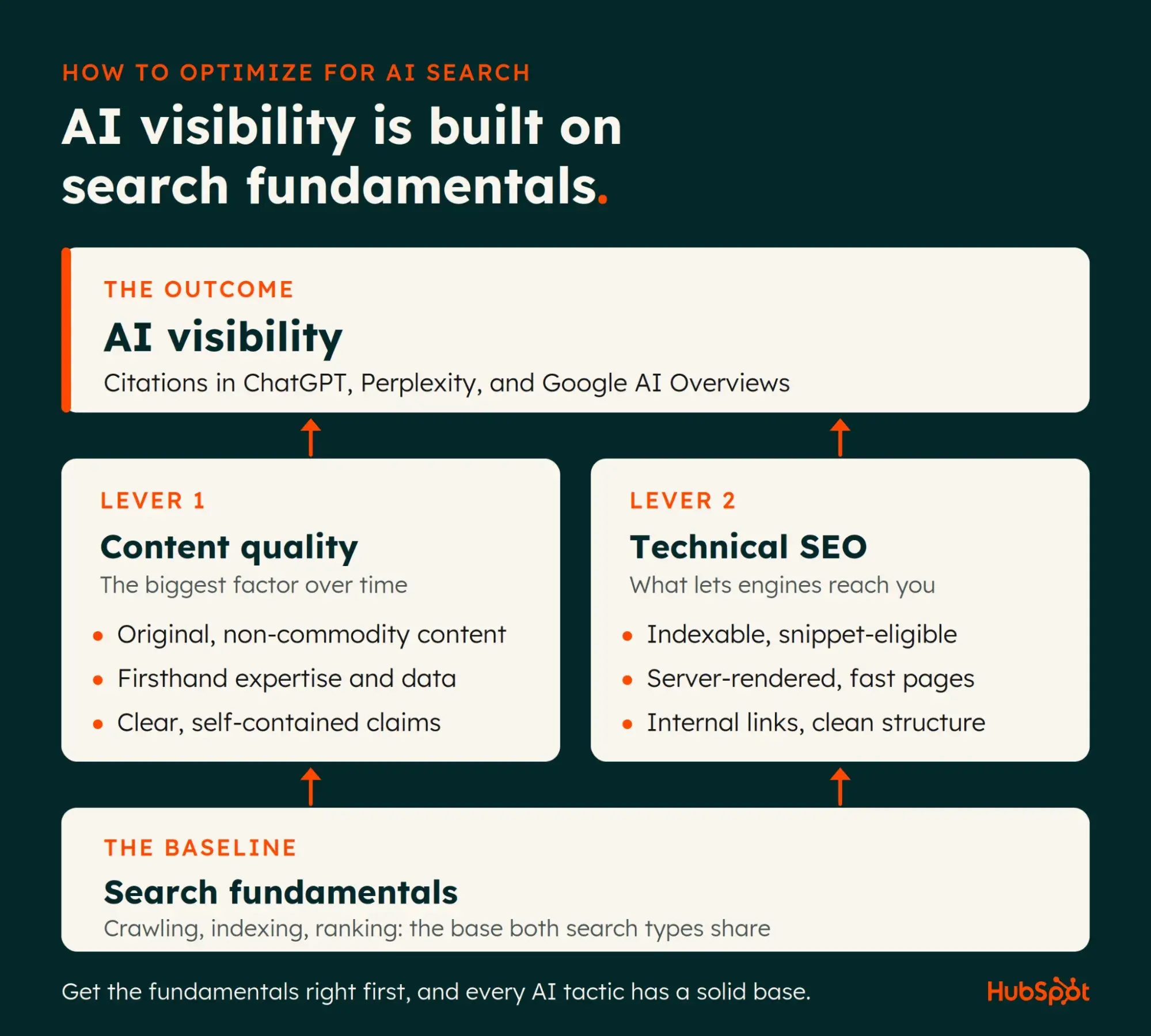
Despite the rapid adoption of these tools, industry experts emphasize that answer engine optimization (AEO) does not replace traditional SEO. Rather, the two methodologies are inextricably linked. Answer engines still rely on foundational search infrastructure to crawl, index, and evaluate web pages before selecting them for citations. Consequently, the technical health and content quality that drive traditional search visibility also serve as the primary gateway to earning citations in AI-generated responses.
The Technical and Structural Foundation of AI Search
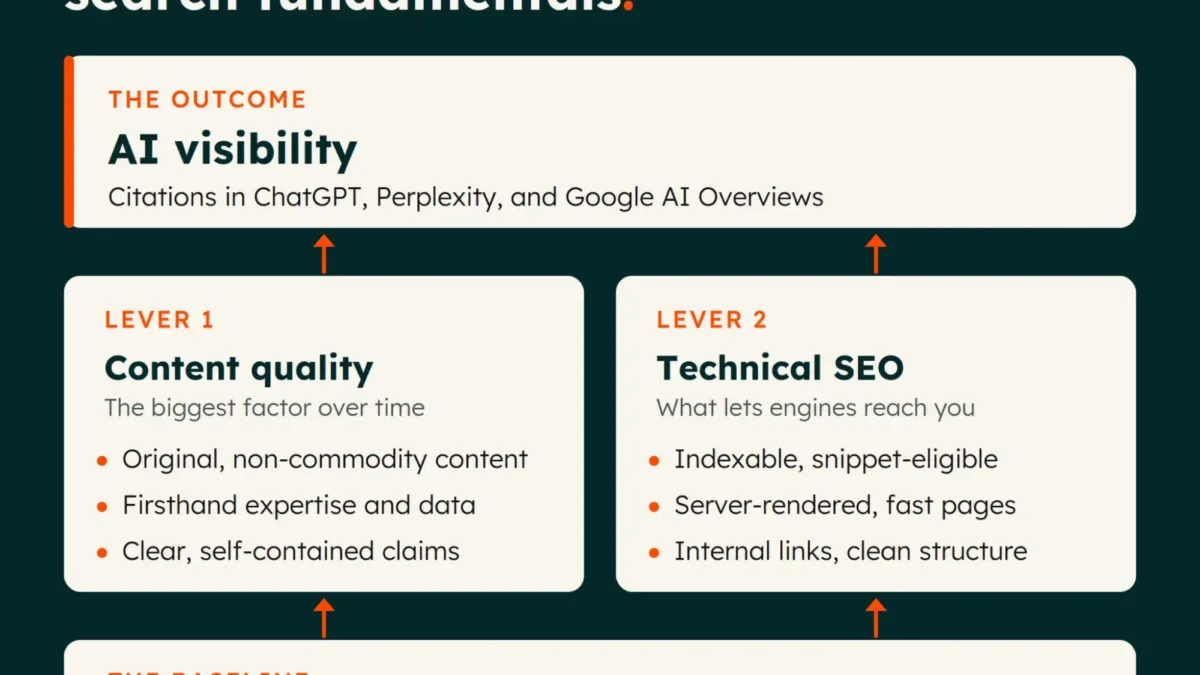
To appear in modern AI overviews and conversational responses, a website must first clear a rigorous baseline of technical health. Major search providers have repeatedly clarified that specialized or proprietary code is not strictly required to earn an AI citation. Instead, standard indexing and snippet eligibility remain the decisive gatekeepers.
Search infrastructure integration is direct. Google’s AI Overviews operate on a customized iteration of the Gemini model that interfaces directly with existing core search systems. Similarly, ChatGPT search retrieves real-time web results through providers that frequently incorporate Bing’s indexing index. Because of this shared architecture, technical optimization remains paramount.
Speed and rendering capabilities heavily influence how frequently an AI model references a source. Data compiled by SE Ranking indicates that web pages with a First Contentful Paint under 0.4 seconds average roughly 6.7 ChatGPT citations, compared to an average of just 2.1 citations for pages that take longer than 1.13 seconds to load. Furthermore, developers must account for how different crawlers process code. While advanced bots can render client-side JavaScript, many auxiliary AI scrapers read exclusively from raw HyperText Markup Language (HTML). Consequently, critical content dependent on client-side scripts may appear entirely blank to certain LLM crawlers, cutting off potential pathways for citation.
Beyond raw speed and server-side rendering, structured data plays a crucial role. Implementing JSON-LD schema markup provides machine-readable context that helps models categorize and verify the information presented on a page. However, industry guidelines dictate absolute transparency: markup must strictly reflect the visible text consumed by human visitors. Misalignments between structured data and on-page copy can trigger penalties or reduce the perceived trustworthiness of a domain.
Content Quality, Originality, and the Shift to People-First Authority

As large language models become increasingly sophisticated at synthesizing common knowledge, the nature of what constitutes citable content has shifted. According to optimization guidelines published by major search providers, non-commodity content—distinguished by original research, proprietary data, firsthand experience, and expert commentary—holds significantly higher value for generative engines than generalized summaries.
An AI system has little incentive to cite a webpage if it can independently generate the same text from its foundational training data. To stand out, publishers must offer unique perspectives and verifiable data points. Empirical analyses of large-scale web datasets reveal a clear correlation between expert integration and citation frequency. Content that explicitly quotes recognized subject-matter experts or incorporates dense statistical data points draws markedly higher volumes of citations from conversational models compared to generic, data-light articles.
To maximize extraction accuracy, publishers are increasingly adopting "answer-first" formatting. Studies analyzing AI overview citation patterns demonstrate that the vast majority of cited passages originate in the upper third of a webpage. By resolving the core user query within the first 40 to 60 words, followed by granular supporting details, content creators make their pages easier for algorithms to parse and quote. Furthermore, structural elements such as bulleted lists, structured tables, and question-led subheadings significantly enhance extraction accuracy, allowing models to lift clean, self-contained claims.
Divergent Behaviors Across Major Answer Engines
A critical challenge for modern digital strategists is the lack of uniformity across different AI search platforms. While platforms like Perplexity and ChatGPT both utilize generative text to answer queries, their underlying retrieval habits, source preferences, and citation frequencies vary widely.
Research from analytics firms indicates that Perplexity acts as a prolific citer, supplying a large majority of off-site citations in certain sectors and drawing on an average of nearly 11 sources per answer. In contrast, ChatGPT maintains a more selective approach, averaging roughly three citations per query. Their source preferences diverge similarly. Perplexity demonstrates a pronounced reliance on user-generated discussion forums and professional networks—such as Reddit, G2, and LinkedIn—which account for a substantial share of its reference pool. ChatGPT, meanwhile, skews more heavily toward traditional, long-form editorial and journalistic articles.
Chronological testing further illustrates these behavioral differences. Experiments conducted by SEO researchers tracking newly published digital assets found that Perplexity indexes and elevates fresh content with exceptional speed, often pushing newly established pages to prominent positions within days. However, these citations frequently favor supporting ecosystem domains rather than primary brand hubs. Conversely, ChatGPT reacts at a slower initial pace but consolidates and strengthens its citations for verified brands over extended periods. Given that very few URLs achieve cross-platform citation overlap, digital marketers are increasingly forced to treat each AI engine as an independent channel requiring tailored optimization strategies.
Implications, Measurement, and Future Outlook
As the digital ecosystem adapts to the proliferation of conversational search, measuring the return on investment for AEO requires sophisticated analytics frameworks. Because traditional web analytics tools do not always cleanly attribute referral traffic originating from internal LLM chat interfaces, marketers are turning to brand-lift studies, specialized visibility tracking software, and custom server log analysis to monitor how often their assets are referenced in generated responses.
The evolution of search toward AI-driven answer engines underscores a return to foundational digital publishing virtues: technical excellence, transparent architecture, and uncompromising content authority. As consumer adoption continues to expand, organizations that successfully integrate these principles into a repeatable, auditable workflow will secure a definitive competitive advantage in the new era of information discovery.