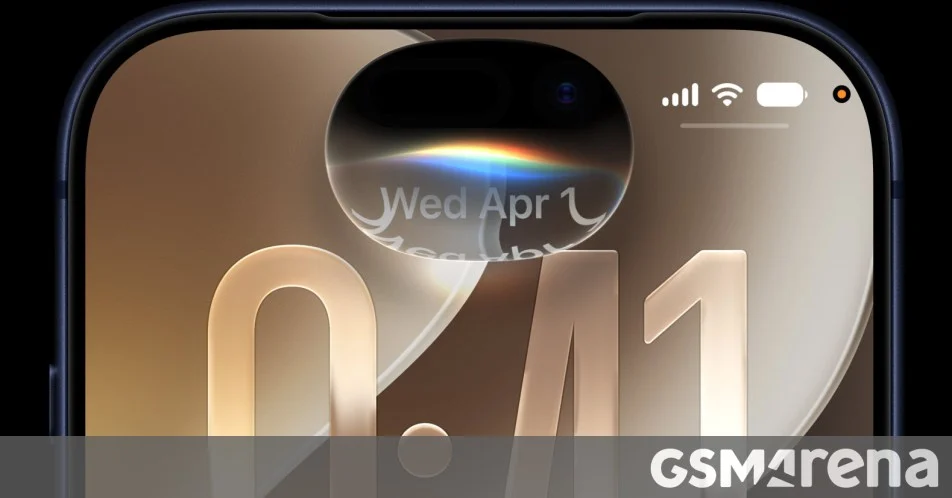
Apple has officially pulled the curtain back on its latest flagship mobile devices, the iPhone 18 Pro and the iPhone 18 Pro Max, marking a significant milestone in the company’s annual hardware refresh cycle. The announcement, which took place at Apple’s headquarters in Cupertino, solidified the company’s roadmap for the remainder of the calendar year. Prospective customers can place their pre-orders for these devices starting September 12, with the official retail release and device shipping scheduled for September 18. Both the iPhone 18 Pro and the Pro Max will ship pre-installed with the latest iteration of Apple’s mobile operating system, iOS 27.
Beyond the hardware launch, Apple provided clarity regarding its software ecosystem. The company confirmed that the stable, public version of iOS 27 will be made available for all eligible devices on Monday, September 14. This date follows a rigorous, multi-month beta testing program that began shortly after the initial preview of the operating system during Apple’s Worldwide Developers Conference (WWDC) in June. Industry observers anticipate that this rollout will encompass the broader Apple software suite, including iPadOS 27, watchOS 27, tvOS 27, and macOS 27, aligning with the company’s traditional strategy of synchronized software updates across its product lines.
The Evolution of the iOS Ecosystem
The transition to iOS 27 represents a pivotal moment for the Apple ecosystem. Since its initial unveiling in June, engineers have been working to refine the stability, performance, and feature set of the operating system. The public release on September 14 serves as the culmination of iterative feedback loops involving developers and early-adopter beta testers.
Historically, Apple’s release schedule for major software updates has served to bridge the gap between the announcement of new hardware and its physical availability. By launching the software two days before the hardware pre-order window opens and four days before the physical units hit the shelves, Apple aims to ensure that the broader user base is acclimated to the new interface and features, while simultaneously allowing for any final refinements to be delivered via day-zero patches.
Core Features and the Integration of Siri AI
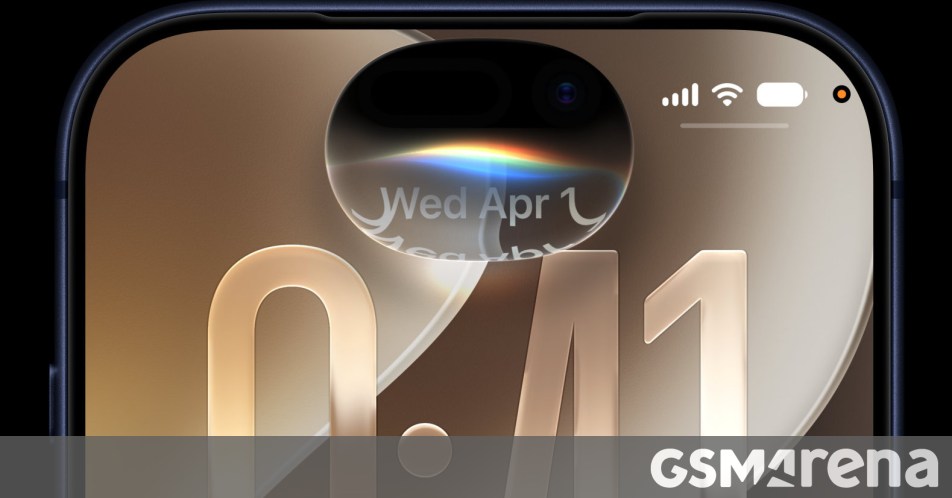
The defining feature of the iOS 27 ecosystem is the comprehensive overhaul of its virtual assistant, now branded as Siri AI. This integration utilizes on-device machine learning models to provide more contextual, conversational, and proactive assistance to the user. Apple has positioned Siri AI as a central pillar of the iOS 27 experience, emphasizing its ability to handle complex requests, summarize communications, and manage third-party app integrations more fluidly than its predecessors.
However, the global rollout of these AI-driven features is subject to regional regulatory complexities. Apple has officially confirmed that the advanced Siri AI capabilities will not be available in the European Union or China at launch. This restriction underscores the growing tension between global software deployment and localized data privacy and artificial intelligence regulations. For users in these regions, iOS 27 will still provide the core operating system enhancements, but the advanced generative AI and contextual processing features will remain inactive to comply with local legal frameworks.
Chronology of the 2026 Release Cycle
The roadmap for this release has been meticulously planned to maximize market impact. The sequence of events is as follows:
- June: Initial unveiling of iOS 27 and the Siri AI framework at the Worldwide Developers Conference.
- June through early September: Multi-stage beta testing period, involving developers and public beta participants to identify performance bottlenecks and security vulnerabilities.
- September 12: Opening of the pre-order window for the iPhone 18 Pro and iPhone 18 Pro Max.
- September 14: Global distribution of the stable version of iOS 27 to the existing base of compatible iPhones.
- September 18: Official retail launch and shipping date for the iPhone 18 Pro series.
This timeline is consistent with Apple’s long-standing operational cadence, which is designed to manage supply chain logistics while building consumer anticipation. By staggering these dates, Apple ensures that the retail infrastructure is prepared for the influx of demand while software servers are stress-tested by the existing installed base before the new hardware devices reach the hands of consumers.
Market Implications and Competitive Positioning
The launch of the iPhone 18 Pro and Pro Max is widely viewed as a strategic move to maintain Apple’s dominance in the premium smartphone segment. The integration of Siri AI is not merely a software update but a hardware-dependent enhancement, as the internal processing units of the iPhone 18 series have been specifically optimized to handle the computational load required by the new AI models.

Analysts note that the hardware-software synergy remains Apple’s strongest competitive advantage. By bundling the new Pro devices with iOS 27, Apple creates a "walled garden" effect where the most advanced features are gated behind the purchase of the latest hardware. This strategy has historically proven effective in driving high-margin upgrade cycles, particularly among users holding devices that are three or more years old.
Furthermore, the simultaneous release of macOS, watchOS, and iPadOS 27 indicates a continued commitment to the "continuity" experience. Apple’s focus on ecosystem interoperability—where a user can start a task on an iPhone 18 Pro and seamlessly transition to a Mac or iPad—is significantly enhanced by the underlying architecture of the 27-series software. This cross-device ecosystem serves as a significant barrier to exit for consumers who have invested in multiple Apple products.
Regulatory and Technical Challenges
The exclusion of Siri AI in China and the European Union highlights the fragmented nature of the global technology market. In the European Union, the Digital Markets Act (DMA) and the emerging EU AI Act have created a stringent environment for companies deploying large-scale AI models. Apple’s decision to withhold these features is seen as a cautious approach to avoid potential non-compliance penalties and to provide the company with additional time to negotiate with regional regulators regarding data handling and privacy protocols.
Technically, the deployment of iOS 27 on millions of devices simultaneously represents a significant engineering challenge. Apple’s Content Delivery Network (CDN) will be under immense pressure on September 14. Historically, Apple has managed this by utilizing differential updates, which only download the specific files that have changed, rather than requiring a full re-installation of the operating system. This approach minimizes bandwidth usage and reduces the likelihood of server-side failures.
Looking Ahead
The successful rollout of iOS 27 and the iPhone 18 Pro series will likely dictate Apple’s financial performance for the final quarter of the year. Investors and industry analysts will be monitoring the adoption rate of the new operating system, as well as the sales performance of the Pro Max model, which traditionally commands the highest profit margins within the company’s hardware portfolio.
While the new hardware offers incremental improvements in screen technology, camera sensors, and battery efficiency, the primary driver for this year’s upgrade cycle is undeniably the software experience. As users increasingly rely on mobile devices for complex work and creative tasks, the efficacy of the AI-enhanced interface will be the primary metric by which this generation of iPhones is judged.
Apple’s ability to navigate the regional regulatory limitations while providing a cohesive user experience will be critical. As the release date approaches, the company is expected to continue its transparency regarding the compatibility of these features, ensuring that consumers are well-informed about the limitations and the benefits of the new platform. With the official launch just days away, the tech industry is bracing for a significant shift in the mobile computing landscape, one where on-device intelligence finally takes center stage in the palm of the user’s hand.