
In the rapidly evolving landscape of digital advertising, understanding and adhering to precise ad specifications across platforms like Meta’s expansive ecosystem is not merely a technicality but a strategic imperative for maximizing campaign effectiveness and return on investment. With billions of users engaging daily across Facebook, Instagram, Messenger, and the Audience Network, advertisers have an unparalleled opportunity to connect with target audiences, provided their creative assets are optimized for each distinct placement. The myriad of ad formats, from the ubiquitous News Feed to the immersive Stories and Reels, each comes with its own set of recommended dimensions, aspect ratios, and file requirements, underscoring the necessity for meticulous planning and execution in modern digital marketing.

Navigating Meta’s Diverse Advertising Ecosystem: An Overview of Key Specifications
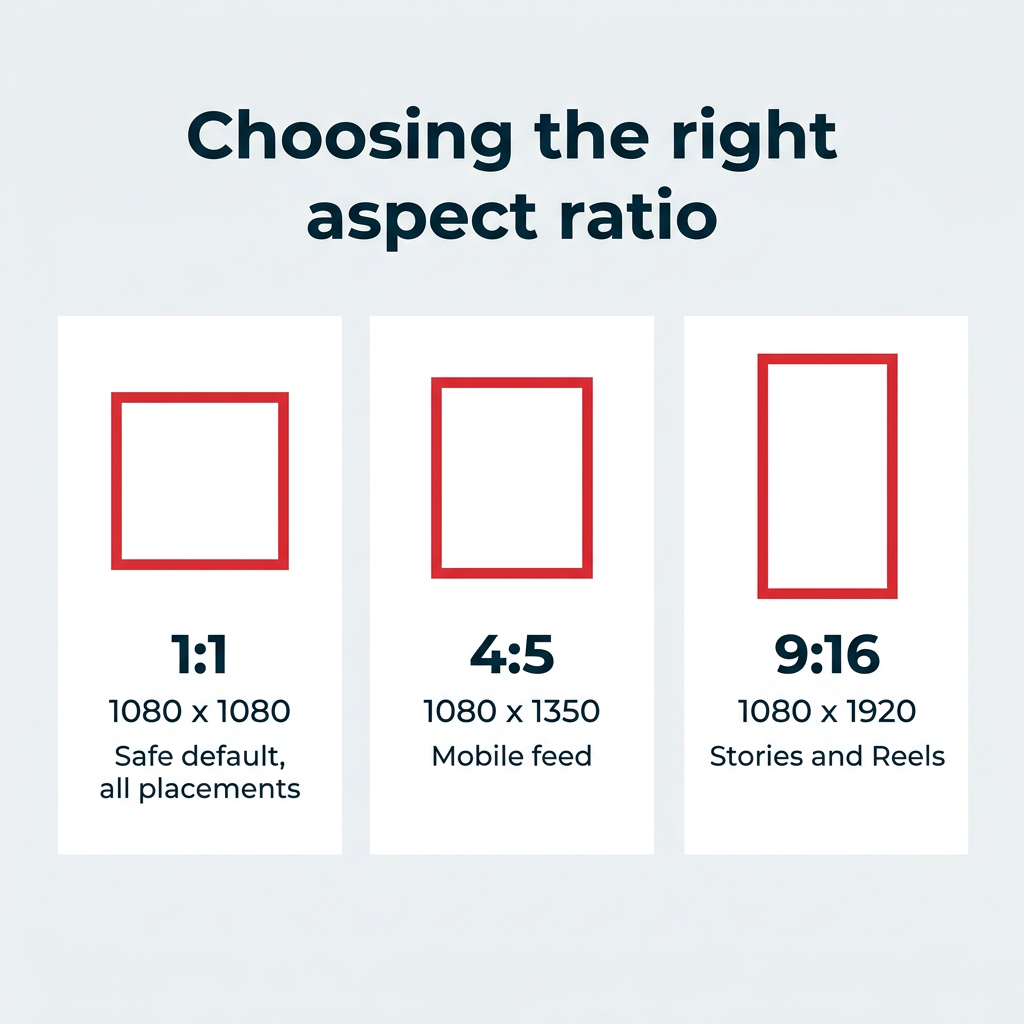
Meta’s advertising platform, encompassing what were traditionally known as Facebook ad sizes, mandates specific technical guidelines to ensure ads display correctly and deliver an optimal user experience across various devices and interfaces. A quick reference reveals the breadth of these requirements:
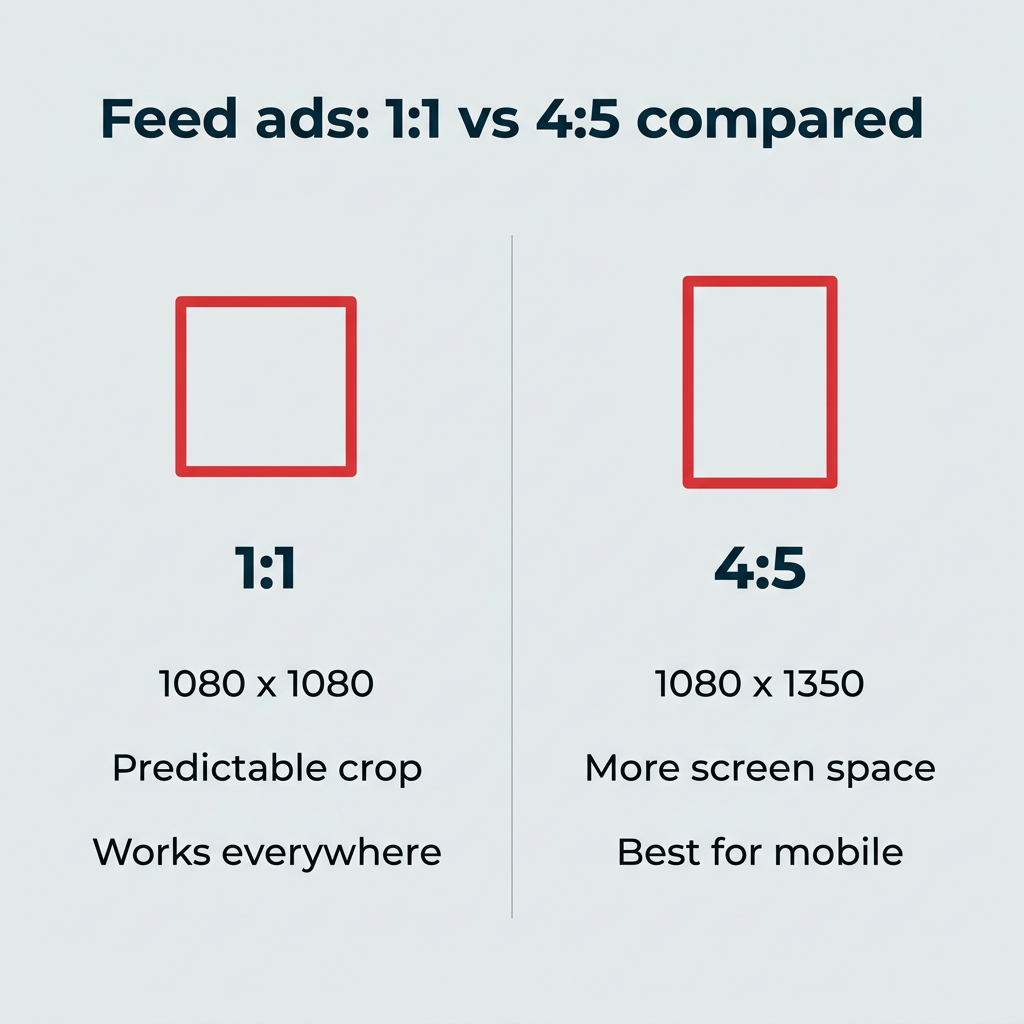
- Feed (Image & Video): The bedrock of Facebook advertising, recommended image and video sizes are typically 1440 x 1440 pixels (1:1 aspect ratio) or 1440 x 1800 pixels (4:5 aspect ratio). Image files (PNG, JPG) should not exceed 30MB, while video files (MP4, MOV, GIF) can be up to 4GB. The 4:5 ratio is particularly effective for mobile feeds, maximizing screen real estate.
- Carousel (Image & Video): Allowing for 2-10 cards, carousel ads thrive on a 1:1 aspect ratio (1080 x 1080 pixels or larger). For Advantage+ catalog only, a 4:5 ratio is also supported. Image files are capped at 30MB, and video files at 4GB, accepting PNG, JPG, MP4, MOV, and GIF formats.
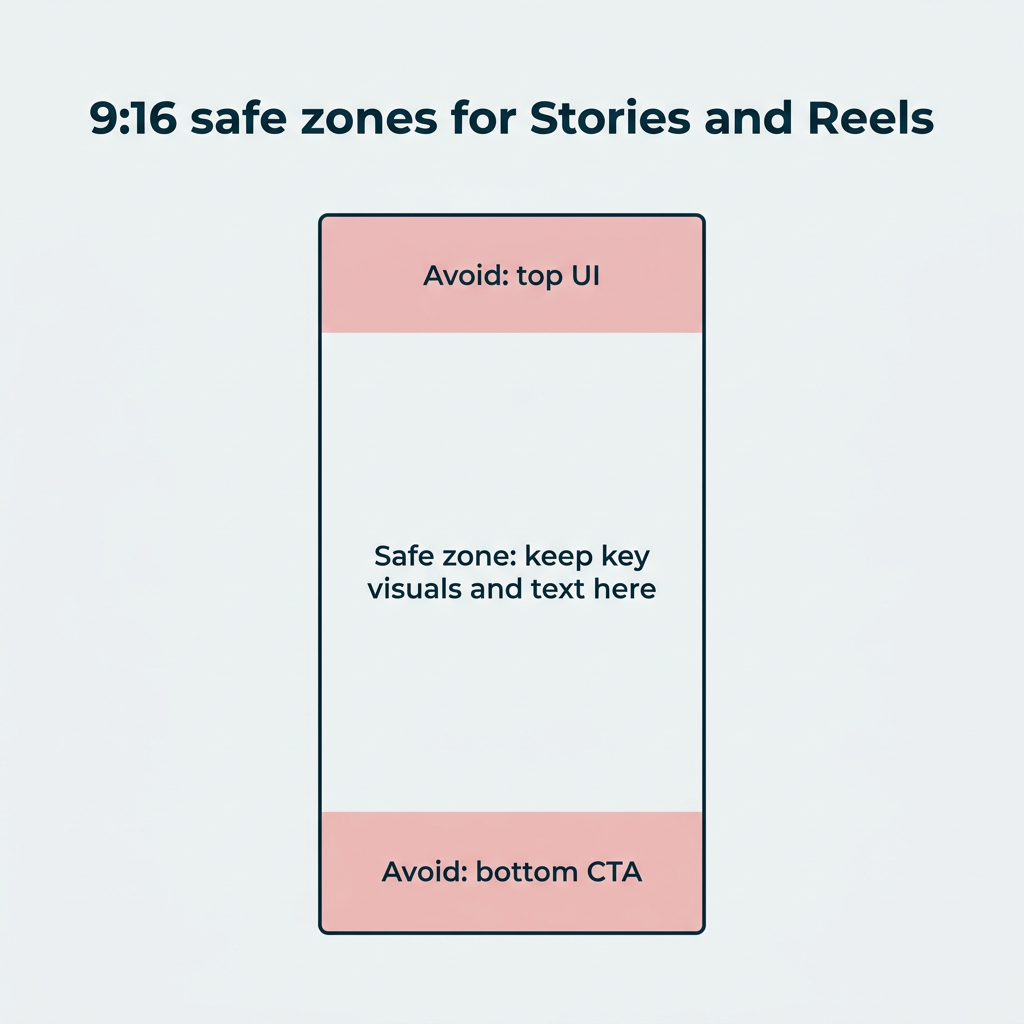
- Stories (Image & Video): Designed for full-screen vertical viewing, Stories demand a 9:16 aspect ratio, with a recommended size of 1440 x 2560 pixels. Both image (30MB) and video (4GB) files are supported, utilizing PNG, JPG, MP4, MOV, and GIF. Crucially, advertisers must consider "safe zones" to prevent UI elements from obscuring key content.
- Reels (Image Overlay & Video): Mirroring the vertical dominance of Stories, Reels video ads also require a 9:16 aspect ratio (1440 x 2560 pixels). Image overlays for Reels can be 1080 x 1080 pixels or larger, with an aspect ratio ranging from 1.91:1 to 1:1. File sizes and types are consistent with other video and image formats.
- In-stream Video: These ads, playing within other video content, typically use a 1:1 (1080 x 1080 pixels or larger) or 16:9 aspect ratio. They accept MP4, MOV, and GIF files up to 4GB.
- Marketplace (Image): Predominantly image-based, Marketplace ads require a 1:1 aspect ratio (1080 x 1080 pixels or larger) with PNG or JPG files up to 30MB.
- Right Column (Image): A desktop-only format, these ads are square (1:1, 1080 x 1080 pixels or larger) and image-only (PNG, JPG, 30MB).
- Search Results (Image & Video): Appearing on search results pages, these ads support both images and videos at 1:1 (1080 x 1080 pixels or larger), adhering to the standard file size limits.
- Business Explore (Image & Video): A mobile-only discovery placement, these ads require an aspect ratio from 1.91:1 to 1:1 (1080 x 1080 pixels or larger).
- Collection (Image & Video): Primarily for e-commerce, these ads typically use 1:1 or 9:16 aspect ratios (1080 x 1080 pixels or larger), leveraging product catalogs for dynamic content.
- Audience Network (Banner & Interstitial): Extending reach beyond Meta’s core platforms, banner ads are 320 x 50 pixels, while interstitial ads can be 320 x 480 or 480 x 320 pixels, supporting 9:16 or 16:9 aspect ratios.
The Evolution of Meta’s Advertising Landscape: A Chronological Context

The journey of Facebook’s advertising platform, now Meta Ads, reflects the broader shifts in digital consumption. Initially dominated by desktop interfaces and image-centric ads in the News Feed, the platform rapidly adapted to the mobile revolution. The introduction of Stories, first on Instagram and then Facebook, marked a pivotal shift towards ephemeral, full-screen vertical content, necessitating the 9:16 aspect ratio. This was further amplified by the rise of short-form video content with Reels, directly competing with platforms like TikTok.
A significant development in Meta’s advertising guidelines was the gradual phasing out of the "20% text rule" on ad images. Previously, ads with more than 20% text overlay were penalized with reduced reach or outright rejection. While this strict enforcement has been lifted, Meta’s internal data and industry best practices still suggest that ads with minimal text on the image tend to perform better, a testament to evolving user preferences for visually dominant content. The continuous integration of e-commerce features, such as Advantage+ catalogs and Instant Experiences for Collection ads, highlights Meta’s strategic push to become a direct sales channel, simplifying the path from discovery to purchase.

Why Adherence to Specifications Matters: Implications for Advertisers

The meticulous attention to ad sizing and specifications is paramount for several reasons, directly impacting campaign performance and brand perception:

- Optimal User Experience (UX): Ads that are correctly sized load faster, display without distortion or awkward cropping, and seamlessly integrate into the user’s feed or story flow. A positive UX reduces ad fatigue and increases the likelihood of engagement, click-throughs, and conversions. Distorted or pixelated ads, conversely, detract from the user experience, leading to negative perceptions of the brand and potentially lower ad performance.
- Maximized Screen Real Estate: For mobile-first platforms, occupying as much of the screen as possible is critical. The 4:5 aspect ratio for Feed ads, for example, is favored over 1:1 on mobile because it pushes competing content out of view, capturing more attention. Similarly, the full-screen 9:16 format for Stories and Reels ensures an immersive experience, free from distractions.
- Cross-Platform Consistency and Efficiency: While diverse placements exist, Meta’s ad system often allows for "Advantage+ placement," which automatically distributes ads across various properties. By creating assets that can adapt or are specifically designed for the most common aspect ratios (e.g., 1:1 for versatility, 9:16 for vertical), advertisers can ensure brand consistency and reduce the manual effort of creating unique assets for every single permutation. The "1:1 or 4:5 for Feed, 9:16 for Stories/Reels" mantra simplifies creative production for broad reach.
- Avoiding UI Overlays and Content Obstruction: For vertical formats like Stories and Reels, specific "safe zones" are designated to avoid crucial ad elements (text, CTA buttons, logos) being covered by platform UI elements (e.g., profile picture, ‘Send Message’ button, swipe-up indicator). Ignoring these safe zones can render an ad ineffective, as its core message or call to action becomes invisible.
- Enhanced Performance and ROI: Ads that look professional and function flawlessly are more likely to resonate with audiences, leading to higher engagement rates, better conversion rates, and ultimately, a more efficient ad spend. According to industry benchmarks, optimized creatives can significantly reduce Cost Per Click (CPC) and increase Return on Ad Spend (ROAS). For instance, a well-designed video ad, adhering to the 4GB file size limit and appropriate aspect ratio, ensures smooth playback, crucial for conveying dynamic messages.
- Brand Credibility and Professionalism: In the digital realm, an ad is often the first interaction a potential customer has with a brand. A poorly formatted or low-quality ad can inadvertently signal a lack of professionalism or attention to detail, undermining brand credibility. Conversely, polished, perfectly sized ads project an image of competence and care.
Practical Guidelines and Best Practices for Advertisers

To effectively navigate Meta’s ad specifications, advertisers should adopt a strategic approach:

- Prioritize Mobile: Given that 81.8% of Facebook users access the platform exclusively via mobile devices (Statista, 2023), a mobile-first creative strategy is non-negotiable. This means favoring aspect ratios like 4:5 for the Feed and 9:16 for Stories and Reels.
- Embrace Versatility with 1:1: While mobile-specific ratios are key, the 1:1 (square) aspect ratio remains the safest default for images and videos that need to appear across a multitude of placements, as it crops predictably and maintains visual integrity.
- High-Resolution Assets: Always start with the highest possible resolution for your images (e.g., 1440 x 1440 or 1440 x 2560 pixels) and videos. Downscaling is always preferable to upscaling, which can lead to pixelation and blurriness.
- Understand File Types and Limits: Stick to PNG and JPG for images (max 30MB) and MP4, MOV, or GIF for videos (max 4GB). While Meta’s platform handles various codecs, H.264 compression is generally recommended for video to balance quality and file size.
- Mind the Safe Zones: Especially for Stories and Reels, meticulously design creatives to keep critical elements within the visible "safe zone" (e.g., 1080 x 1420 pixels for a 9:16 canvas) to prevent UI elements from obscuring them.
- Less Text on Images: Even though the 20% text rule is no longer enforced, ads with minimal text overlay on the image tend to perform better. Reserve detailed messaging for the ad copy.
- Leverage Dynamic Creatives: For e-commerce, utilize Meta’s Advantage+ catalog features to automatically generate Collection and Carousel ads, which can dynamically pull product information and optimize for conversions.
- A/B Test Formats: Continuously test different ad formats and aspect ratios to understand what resonates best with your specific audience and campaign objectives. Paid ad analytics platforms, like those offered by Hootsuite, provide invaluable insights into creative performance across placements.
Conclusion: The Cornerstone of Effective Digital Campaigns

In an ecosystem as dynamic and competitive as Meta’s, the seemingly granular details of ad sizing are, in fact, fundamental to digital marketing success. By meticulously adhering to these specifications, advertisers not only ensure their content is displayed correctly but also optimize for user experience, engagement, and ultimately, their campaign’s bottom line. The emphasis on mobile-first design, the strategic use of vertical formats, and the ongoing adaptation to platform innovations underscore that staying informed and agile in creative execution is not just an advantage—it is a prerequisite for achieving meaningful results in the ever-evolving world of social media advertising.