As the marketing landscape evolves at an unprecedented pace, businesses are already looking towards the latter half of 2026, meticulously planning their holiday promotional strategies to maximize reach, heighten brand awareness, and drive significant sales. While some brands may possess well-established, comprehensive holiday schedules or robust promotional outlines, the dynamic nature of social media usage necessitates a constant re-evaluation of traditional approaches. The imperative to build and sustain a formidable presence on emerging and dominant platforms like TikTok has never been clearer, offering unparalleled opportunities to capitalize on shifting consumer behaviors and engagement trends. This series by Social Media Today aims to provide in-depth overviews, offering actionable tips and sophisticated tactics for cultivating an impactful organic social media presence across major platforms, serving as a foundational blueprint for broader social media promotional endeavors. This particular analysis delves into TikTok, a platform that has unequivocally emerged as a pivotal connector for younger audiences, despite its occasional polarizing presence in broader public discourse. The subsequent sections outline critical strategies for brands to establish and maintain an effective and profitable presence within this influential application.
The Shifting Sands of Holiday Commerce and Digital Dominance
The trajectory of holiday retail has undergone a profound transformation over the past decade, moving from predominantly brick-and-mortar experiences to a hybrid model heavily influenced by digital touchpoints. By 2026, industry analysts predict that social commerce will represent an even more substantial portion of overall retail sales, particularly during peak shopping seasons like the holidays. This evolution is not merely about selling products online; it’s about integrating the entire shopping journey, from discovery to purchase, within the social media ecosystem. Consumers, especially younger demographics, are increasingly discovering new products, researching brands, and making purchasing decisions directly within their preferred social apps. This necessitates a strategic shift for marketers, moving beyond mere advertising to becoming integral parts of the social conversation. The 2026 holiday season is anticipated to see record-breaking digital engagement, with preliminary forecasts suggesting a continued upward trend in online spending, projected to surpass previous years by an estimated 8-12% annually, cementing the critical role of platforms like TikTok in capturing consumer attention and wallet share.
TikTok’s Ascendancy: A Chronology of Influence
TikTok, initially launched internationally as Douyin in 2017 by ByteDance, experienced meteoric growth, rapidly transitioning from a nascent short-form video app to a global cultural phenomenon. By 2020, amidst global lockdowns, its user base surged, fundamentally reshaping content consumption patterns. Its intuitive algorithm, hyper-personalization, and emphasis on authentic, user-generated content quickly captured the attention of Gen Z and younger millennials, a demographic segment with significant purchasing power and influence. By 2023, TikTok had surpassed 1.5 billion monthly active users globally, with projections indicating continued expansion, potentially reaching 2 billion by 2026. This exponential growth trajectory, coupled with its sophisticated engagement metrics, positions TikTok as an indispensable channel for brands aiming to connect with contemporary audiences. The platform’s unique ability to spawn viral trends, amplify niche communities, and foster direct creator-to-consumer interaction has made it a fertile ground for organic marketing, a stark contrast to the more curated and often overtly commercial environments of earlier social media platforms. The "divisive" label often attached to TikTok typically refers to geopolitical concerns and data privacy debates, which, while relevant for regulatory bodies, have largely not deterred its vast user base or its commercial utility for brands.
Navigating TikTok for 2026 Holiday Success: Core Strategies
To effectively leverage TikTok for the 2026 holiday season, marketers must move beyond rudimentary presence and embrace a data-driven, trend-conscious, and community-centric approach. The following strategies provide a comprehensive framework for building an impactful brand presence.
1. Leveraging Trend Intelligence: The Cornerstone of TikTok Engagement
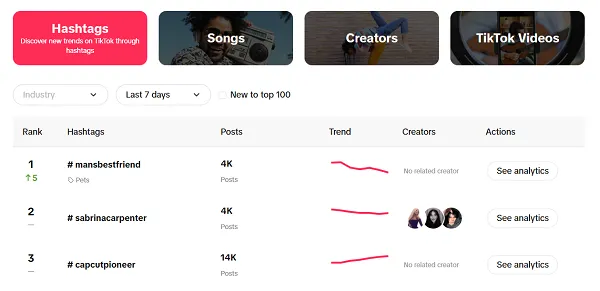
The fundamental principle of success on TikTok lies in understanding and skillfully integrating current trends. TikTok’s ecosystem is characterized by rapid cycles of viral sounds, challenges, effects, and hashtags. Brands that successfully tap into these trends often achieve unparalleled organic reach and authentic engagement. TikTok provides an array of invaluable trend insight tools, notably its free TikTok Trends tool. This sophisticated platform allows marketers to meticulously track trending topics, sounds, creators, and products by specific regions and industry sectors. For instance, a fashion brand planning for the 2026 holiday season can utilize this tool to identify emerging clothing styles, color palettes, or gifting themes that are gaining traction in key markets, such as North America or Europe, during the preceding months. This foresight allows for proactive content creation that resonates deeply with user interests.
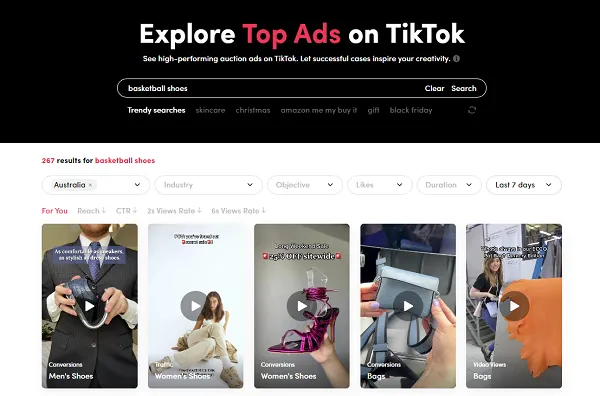
Furthermore, TikTok maintains an extensively curated Top Ads listing, a resource that offers an insightful overview of the best-performing TikTok advertisements categorized by region, industry, campaign objective, and ad format. By delving into these top-performing examples, marketers can dissect the creative elements, messaging strategies, and audience targeting techniques employed by successful brands. This analytical process extends beyond mere observation; it involves examining the comment sections of these ads. User comments often reveal underlying sentiments, questions, and unmet needs, providing direct feedback on consumer desires. For instance, if a top-performing ad for a gadget consistently elicits questions about its battery life or compatibility, a competing brand can strategically address these points in its own promotional content, positioning itself as a more responsive and user-centric option. The insights gleaned from both the TikTok Trends tool and the Top Ads listing are critical for informing a robust TikTok ad strategy, illustrating not only what content is currently dominating specific business niches but also how the most successful brands are innovatively integrating these trends into their holiday promotions. This iterative process of observation, analysis, and strategic adaptation is paramount for maintaining relevance in TikTok’s fast-paced environment.
2. Mastering Content Formats and Themes: Building a Data-Driven Content Database
Based on the comprehensive data derived from TikTok Trends and Top Ads, marketers can systematically construct a dynamic database of key themes, content formats, and creative styles that consistently resonate with TikTok users. This database serves as a living repository of successful content blueprints, offering a clear overview of how to optimally angle holiday promotions to align with prevailing user interests. For example, if short-form comedic skits featuring product demonstrations are consistently outperforming longer, more polished advertisements within a specific industry, this insight directly informs the brand’s content production strategy. Similarly, if unboxing videos or "get ready with me" (GRWM) formats are gaining significant traction, brands can adapt their product launches or holiday gift guides to fit these engaging styles.
This approach moves beyond anecdotal evidence, providing tangible, data-backed guidance on the video aesthetics, pacing, music choices, and narrative structures that are proving effective for other brands within and outside their competitive set. By cataloging these elements, brands can ensure their content creation efforts are strategically aligned with proven engagement models, significantly increasing the likelihood of virality and user interaction during the critical holiday shopping period. This proactive content mapping is essential for streamlining production workflows and ensuring creative output is consistently optimized for the platform’s unique demands.
3. The Power of Creator Collaborations: Examining Influencer Impact
Influencer marketing on TikTok represents a profoundly powerful tool, largely because creators inherently possess a deeper, more intuitive understanding of the platform’s nuances and their specific audience’s preferences than many traditional brands. These creators are often the pulse of cultural trends, capable of translating brand messages into authentic, engaging content that feels native to TikTok. Brands can strategically leverage TikTok Trends to identify the most popular and influential creators within specific topics or niches. For instance, a beauty brand preparing for holiday sales can pinpoint micro-influencers specializing in "winter skincare routines" or "holiday makeup looks." This identification process not only guides marketers’ content approaches by illustrating what content styles are working but also offers invaluable insights into the specific subcultures and communities within their target demographic.
Moreover, a thorough understanding of their niche enables brands to more effectively identify and vet potential influencers for collaborative holiday promotions. Beyond mere follower counts, brands should prioritize creators whose audience demographics align with their target market and whose content style genuinely reflects their brand identity. By partnering with creators who resonate authentically with their followers, brands can tap into established trust and credibility, transforming promotional messages into genuine recommendations. This strategy extends beyond direct product placement; it can involve sponsored challenges, co-created content series, or live shopping events hosted by influencers, all designed to organically integrate holiday offerings into the festive TikTok narrative. The authenticity derived from such partnerships can significantly enhance brand perception and drive conversion rates during the high-stakes holiday season.
4. Strategic Framework Development: From Insights to Actionable Plans
The culmination of comprehensive research – encompassing trend analysis, content format evaluation, and influencer identification – empowers marketers to construct a robust, strategic approach to TikTok. This framework should be meticulously designed to align with the industry’s key trends, resonate with the specific interests of target audiences, and ultimately drive engagement with holiday-related content. A successful TikTok strategy for 2026 must be inherently agile, allowing for continuous adaptation to the platform’s fast-evolving landscape. Brands must commit to staying perpetually aware of emerging trends, meticulously tracking niche interests, and proactively capitalizing on new opportunities as they materialize. This requires constant monitoring of the broader conversations unfolding within the app, identifying nascent trends before they peak, and swiftly integrating them into ongoing campaigns.
For example, if a new holiday-themed sound or filter gains rapid popularity, the strategy should allow for quick content iteration to incorporate it. The strategic framework should detail content calendars, creative briefs, partnership guidelines, and clear objectives for organic reach, engagement rates, and conversion goals. It should also outline how different content pillars (e.g., product showcases, behind-the-scenes glimpses, user-generated content prompts) will integrate into the overall holiday narrative, ensuring a cohesive yet dynamic brand presence.
5. Data-Driven Optimization: The Continuous Cycle of Improvement
The final, yet perpetually ongoing, stage of an effective TikTok strategy involves the rigorous study and application of analytics. Marketers must leverage TikTok’s robust insights and analytics tools to meticulously measure the performance of their content and overall activity. This data-driven approach allows for precise identification of what content elements are resonating positively with the audience – leading to high engagement rates, increased shares, and ultimately, conversions – and conversely, what is underperforming. By doubling down on successful strategies and swiftly pivoting away from ineffective ones, brands can continuously refine their approach, ensuring optimal resource allocation and maximum return on investment.
Key metrics to monitor include video views, watch time, engagement rate (likes, comments, shares), follower growth, profile visits, and click-through rates to product pages or e-commerce sites. Beyond quantitative data, qualitative analysis of comments and direct messages can provide deeper insights into audience sentiment and preferences. This continuous feedback loop is critical for understanding the evolving preferences of TikTok users, allowing brands to adapt their messaging, content formats, and even product offerings in real-time. The essence of TikTok marketing success lies in this iterative process: understanding the app’s unique culture, discerning user responses, and delivering content that genuinely adds value and entertains, rather than overtly markets. By deeply engaging with trends and responding to user queries, brands can position themselves as authentic, responsive, and ultimately, indispensable during the competitive 2026 holiday season.
Beyond the Basics: Advanced Considerations for 2026
As TikTok matures, so too do the strategies required for sophisticated marketing. For 2026, brands should consider several advanced dimensions to their TikTok holiday campaigns.
The Role of AI and Algorithmic Understanding: The core of TikTok’s power lies in its recommendation algorithm. By 2026, AI tools will likely become even more sophisticated, offering predictive analytics for emerging trends and optimizing content delivery based on real-time user behavior. Brands leveraging AI for content ideation, automated trend monitoring, and personalized ad serving will gain a significant competitive edge. Understanding how the algorithm prioritizes content – favoring originality, high engagement, and trend adherence – is crucial for maximizing organic reach.
Integrating Social Commerce Features: TikTok has been steadily rolling out and enhancing its social commerce functionalities, including in-app shopping, product tagging, and live shopping events. For the 2026 holidays, these features will be paramount. Brands must integrate seamless shopping experiences directly within their content, minimizing friction between discovery and purchase. Live shopping events, especially when hosted by popular influencers, offer an interactive and immediate sales channel that can drive significant holiday revenue.
Building Brand Authenticity and Community: In an increasingly saturated digital space, authenticity is currency. TikTok users are highly attuned to genuine content and quickly disengage from overly polished or inauthentic brand messages. For the 2026 holiday season, brands should focus on building a community around their values and products, not just selling. This involves engaging with comments, responding to user-generated content, and fostering a sense of belonging. Behind-the-scenes content, employee spotlights, and user-generated content challenges can all contribute to a more human and relatable brand image.
Challenges and Future Outlook
Despite its immense potential, TikTok presents certain challenges. The ephemeral nature of trends means strategies must be constantly updated. Geopolitical scrutiny and data privacy concerns could also influence the platform’s operating environment, necessitating brands to stay informed about regulatory changes. Moreover, the sheer volume of content means brands must consistently produce high-quality, engaging material to cut through the noise.
However, the future outlook for TikTok as a marketing powerhouse remains exceptionally strong. Its continued innovation in features, expansion into new markets, and deepening integration of commerce tools suggest that its influence will only grow. For the 2026 holiday season, and indeed for the foreseeable future, TikTok will not merely be an optional marketing channel but a fundamental pillar of any comprehensive digital strategy.
Conclusion: The Imperative for Adaptable, Insight-Driven TikTok Strategies
In conclusion, as marketers chart their course for the 2026 holiday promotions, the strategic imperative of mastering TikTok cannot be overstated. The platform’s unparalleled reach among younger, digitally native audiences, coupled with its unique content dynamics, presents both challenges and extraordinary opportunities. Success on TikTok hinges not on traditional advertising models but on a deep understanding of the app’s culture, its trending narratives, and the authentic engagement patterns of its diverse user base. By diligently utilizing TikTok’s native trend analysis tools, meticulously building a database of effective content themes and formats, strategically collaborating with influential creators, formulating agile strategies, and rigorously analyzing performance data, brands can navigate this complex yet rewarding landscape. The ultimate goal is to transcend overt marketing, instead delivering compelling, value-added content that resonates authentically with users. In doing so, brands can transform fleeting trends into lasting connections, significantly enhancing brand awareness, fostering community, and driving robust sales during the pivotal 2026 holiday season. The time for proactive, insight-driven TikTok strategy is now, ensuring brands are not merely present but profoundly impactful in the evolving digital commerce ecosystem.